
Horror movie scenes where audiences completely missed the deeper point
“If you don’t need this movie, you will walk out before it’s over.” That’s Michael Haneke, talking about “Funny Games,” as quoted by Bright Lights Film Journal. Plenty stayed. And when the woman finally grabbed the shotgun, people often cheered.
That’s the gap this list is about. A director builds a scene to say one thing, and the room hears another. Sometimes the audience misses the point. Sometimes it finds a different one, the director says so, and the movie lives on anyway.
Six scenes follow, each with the creator’s own words. We don’t claim to know anyone’s intentions beyond what they said.

The posse at dawn
Ben survives the night. Then, in the morning, a posse arrives to clear out the ghouls, and one of them shoots Ben, mistaking him for one.
George Romero shot the film in 1967. Duane Jones, who played Ben, was cast because he was the best actor among their friends. Romero says they didn’t change the script. Jones noticed. Romero and his crew were driving to New York to show it to distributors when they heard Martin Luther King had been assassinated.
“The main thing people took from it was that it was a racial statement movie,” Romero told Sight & Sound, “and that was completely unintended.” He said they might have been better off making race the point.

A film about faith
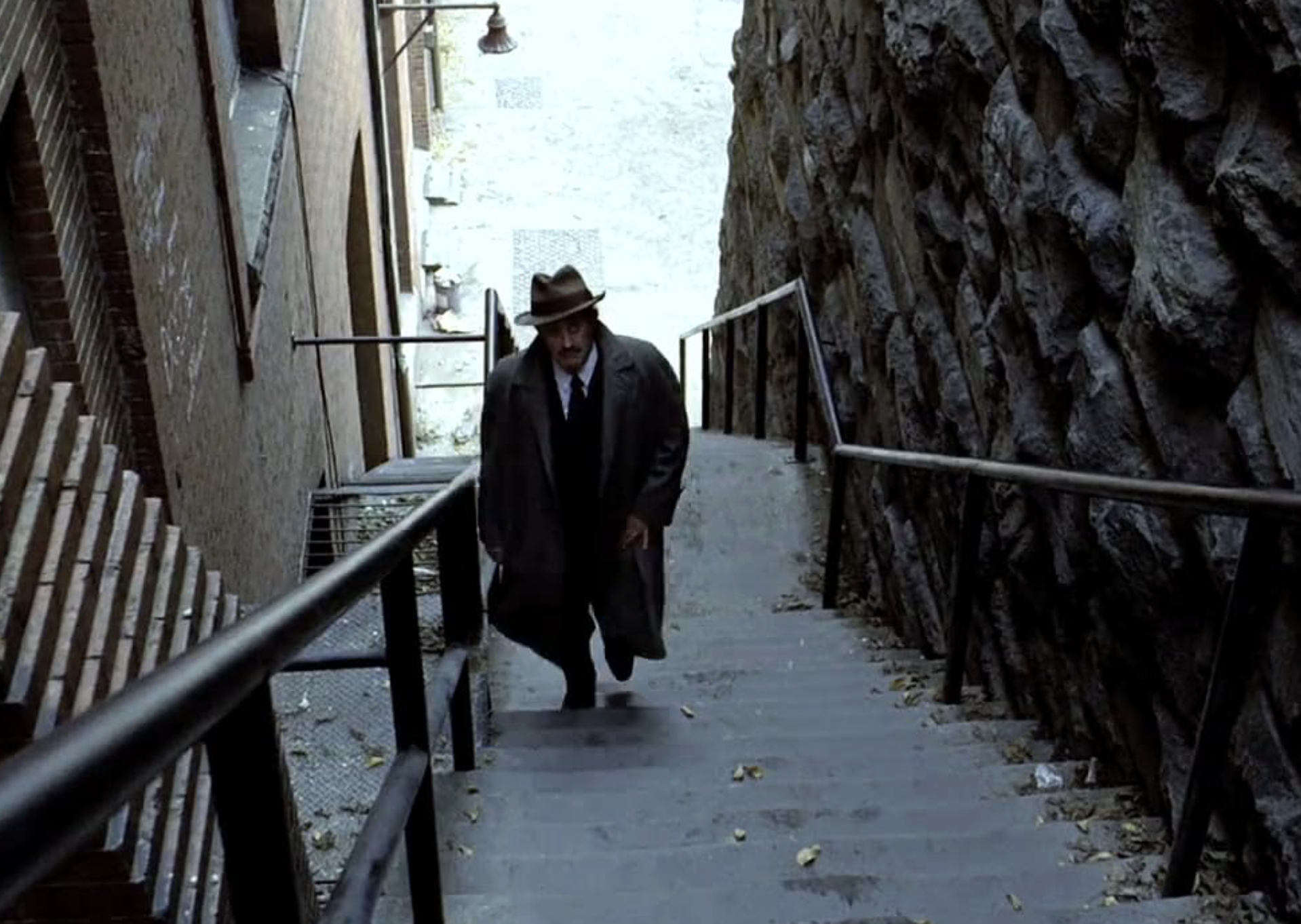
People fainted. They wept. They fled the theater in 1973, as Vice reported.
William Friedkin never thought of “The Exorcist” as horror. “I never thought of it as a horror film; still don’t,” he told NPR’s Fresh Air. He and writer William Peter Blatty saw it as a film about faith’s mystery.
Later, he gave in. “I have accepted that it is a horror film,” he told The Hollywood Reporter.

Where’s the blood?
Everybody remembers the blood in “The Texas Chain Saw Massacre.” Tobe Hooper says there’s relatively little. “A lot of people swear that they saw blood,” he said, because they know what the washtub is for.
Hooper told IndieWire that someone recently insisted the film was full of blood. “I don’t see a lot of blood,” he said. He planned to bring the audience right up to the violence and let them imagine it.
He had a bigger target too. Hooper told Cannes audiences about the era: Watergate, the end of Vietnam, a gas shortage.
She’s not the “virgin”
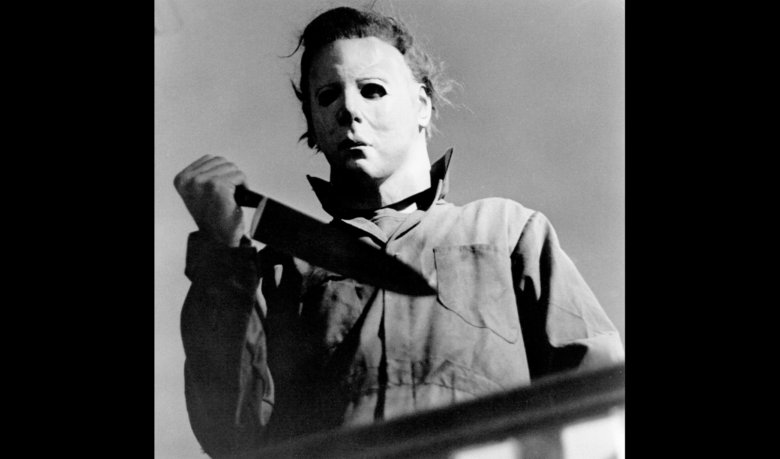
Laurie Strode lives. Her friends, who were busy with boyfriends, don’t. Critics read it as a moral: sex gets you killed.
John Carpenter says the idea traces back to one Canadian critic, Robin Wood, who called the film the revenge of the repressed. Carpenter’s version: the character who isn’t busy having sex is paying attention, and that’s why she survives.
He and co-writer Debra Hill have said they didn’t set out to make virginity the killer’s weakness. Horror fans are still arguing about it.
Not that disease
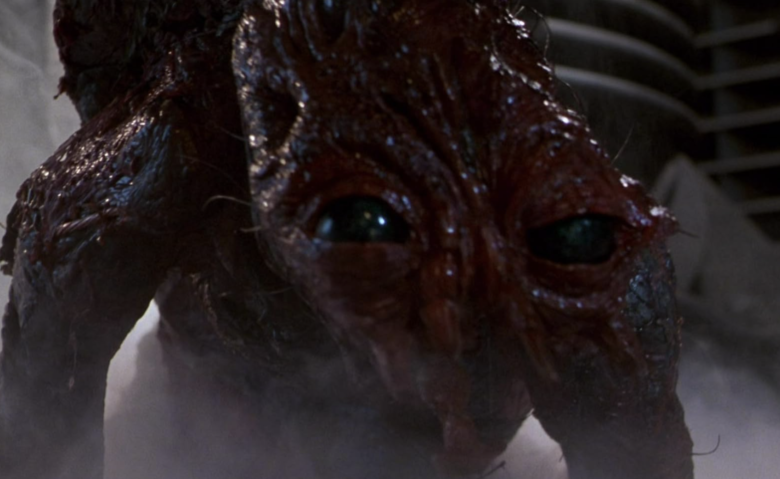
“The Fly” came out in 1986, in the middle of the AIDS epidemic, and many saw an AIDS metaphor. Cronenberg disagreed.
“For me, Brundle’s disease was more fundamental,” he wrote in the Paris Review. “In an artificially accelerated manner, he was aging.” That’s from Toronto Life’s summary of his essay.
He’s made the case before, too. If the film were about AIDS, his partner Roni would have caught it, and she didn’t, as he told interviewer Chris Rodley.
The rewind
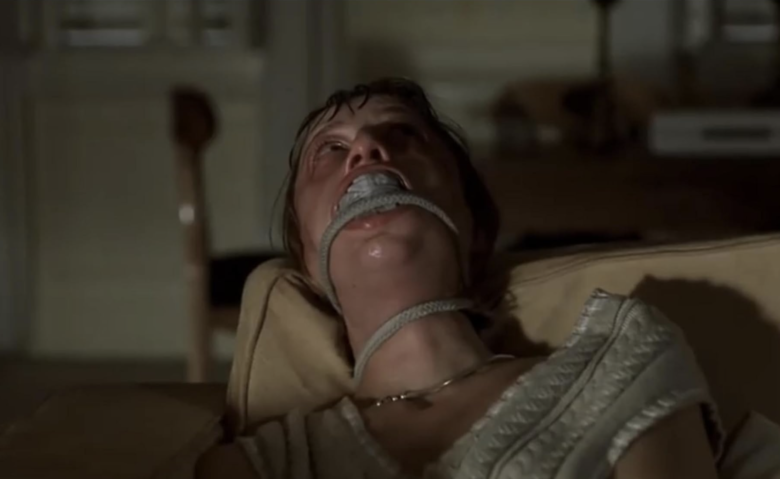
Ann grabs the shotgun and shoots one of the two men who’ve held her family hostage. For about a second, the movie gives you what you wanted.
Then Paul finds the remote control and rewinds the film. The shooting never happened.
Haneke says it’s a protest against American cinema that toys with violence without hurting the audience. He remade the film shot for shot in 2007.

The bottom line
Romero was driving to New York to show his film when he heard Dr. King had been killed. Hooper says his film has little blood, and people swear it has a lot.
Ask us! What questions do you have about content, strategy, pop culture, lifestyle, wellness, history or more? We may use your question in an upcoming article!
Related:
- 10 slang words from the ’70s that need to make a comeback ASAP
- Some of the most surprising record deals in music history
Like MediaFeed’s content? Be sure to follow us.
This article was syndicated by MediaFeed.co.