
Historical figures whose lives were stranger and scarier than fiction
A tattered uniform. A rifle in working order. A sword. In March 1974, a man in his fifties emerged from a Philippine jungle carrying all three, and days later he handed the sword to a president.
History has plenty of people like him. Their real stories sound invented. A woman who fooled the king’s surgeons. A man who lived through two atomic bombs. A cook who never believed she caused it.
Six follow. Each is documented. Where a legend ran ahead of the record, we say so.
A woman who “gave birth” to rabbits
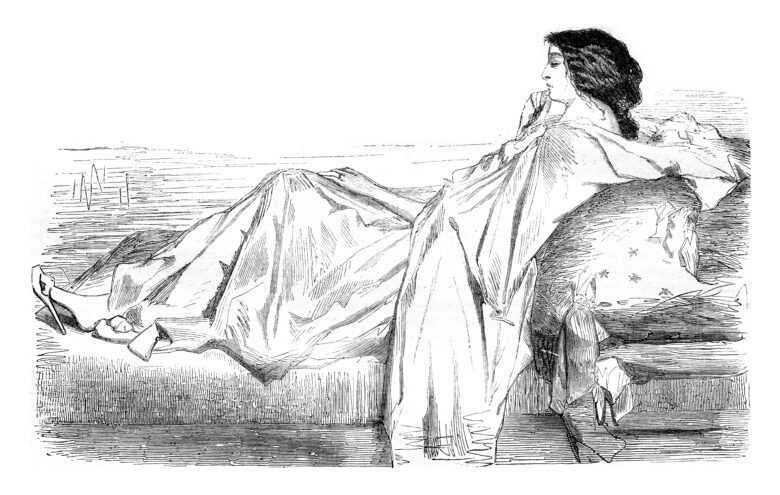
Godalming, Surrey, September 1726. Mary Toft told her neighbors she’d delivered a “monster.” A local surgeon, John Howard, came to look. By early November he was reporting a rabbit a day. Nine of them, then more.
The story reached the palace. King George sent his own surgeon, Nathaniel St. André, who came back convinced. So the king sent another, Cyriacus Ahlers. Ahlers wasn’t. The rabbit parts had been cut with a blade.
St. André published his pamphlet on December 3. Four days later, on December 7, Toft confessed. Doctors had threatened surgery to settle it.
One eye opened
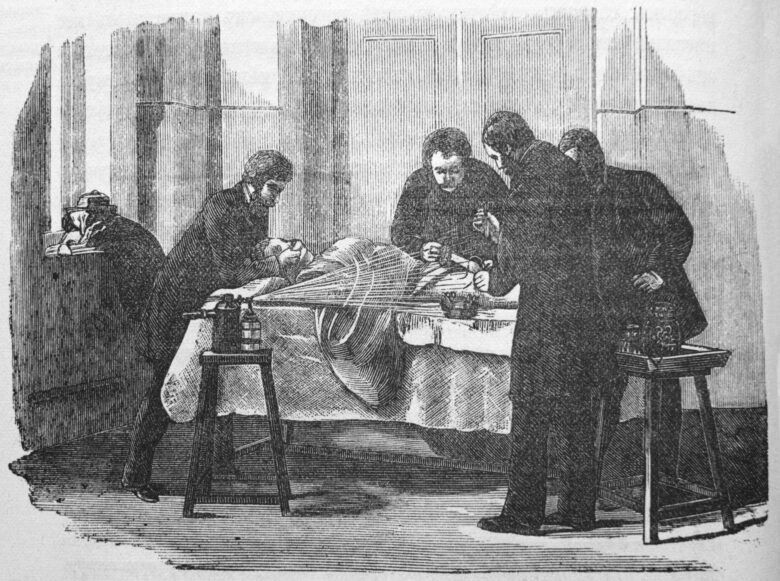
January 18, 1803. A hanged murderer, George Forster, lay at the Royal College of Surgeons. Giovanni Aldini, an Italian physician, had permission to work on the body. He was the nephew of Luigi Galvani, the frog-leg man.
Aldini sent current through it. The Newgate Calendar says the jaw quivered and “one eye was actually opened,” per Executed Today. Forster’s fist clenched.
Why Forster? Until 1832, executed murderers were the only bodies the law allowed for dissection, the Science Museum notes. People say the scene inspired “Frankenstein.” Maybe. Mary Shelley was five, and the Linda Hall Library says the link may be overstated.

A cook who wouldn’t believe it
Oyster Bay, Long Island, 1906. Typhoid broke out in a rented summer house. George Soper, a sanitary engineer, found the one thing the cases had in common: a cook named Mary Mallon, hired three weeks before the first one. She looked perfectly healthy.
In 1907, he tracked her to Park Avenue and asked for samples. Mallon, indignant, threw him out. Authorities took her anyway, to North Brother Island, on March 20, 1907. In 1910, they let her go on one condition: no more cooking.
She cooked. In 1915, at Sloane Maternity Hospital, working under the name Mary Brown, she was linked to at least 25 cases of typhoid. Two people died, per the National Museum of Health and Medicine. She spent the rest of her life on the island.
When she died in 1938, New York had found more than 400 other carriers. None was quarantined.
Three ships
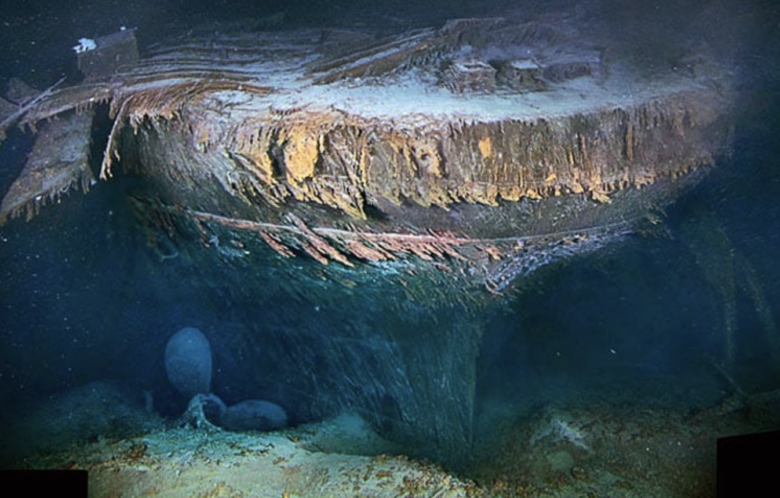
Violet Jessop was a stewardess. In 1911, she was aboard the Olympic when it collided with a British warship. April 1912, she boarded the Titanic. Lifeboat 16. Just before it dropped, someone handed her a baby.
Then the war. On November 21, 1916, she was a nurse on the hospital ship Britannic when it struck a mine. Her lifeboat was drawn toward the churning propellers, per National Geographic.
She kept going to sea until 1950. She retired at 63.
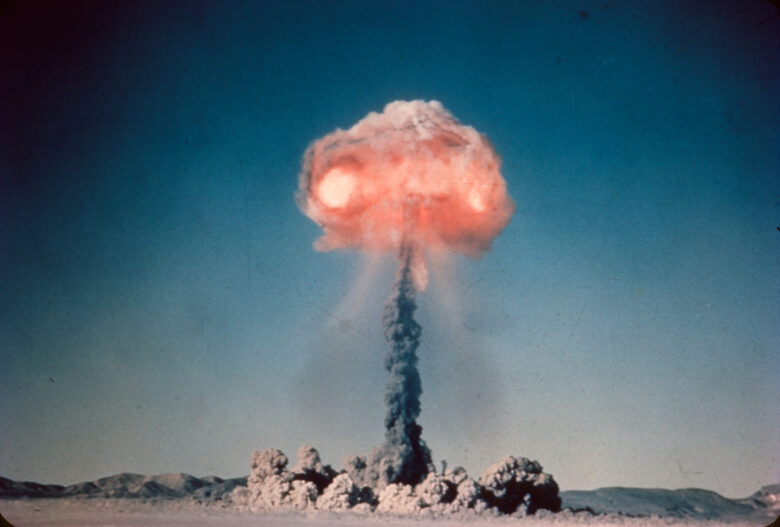
August 9, 1945
Tsutomu Yamaguchi, a Mitsubishi engineer from Nagasaki, was in Hiroshima on a three-month business trip when the bomb fell on August 6. Burned. Temporarily blind and deaf, per ABC News.
He made it onto a train home. Three days after the first bomb, bandaged, he walked into his Nagasaki office and started telling his boss what he’d seen. Then the room went white.
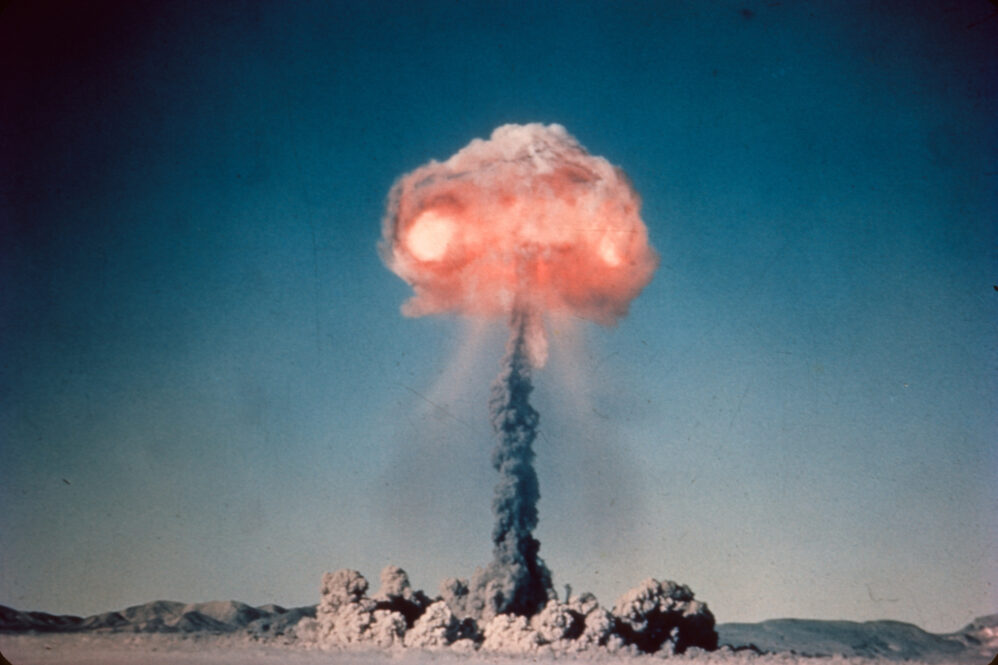
Japan officially recognized him as a survivor of both bombings in March 2009. About 165 people are thought to have lived through both. He spoke at the United Nations. He died in January 2010, at 93.

Twenty-nine years and one order
Lubang Island, the Philippines, 1944. Lieutenant Hiroo Onoda had his orders from Major Yoshimi Taniguchi: fight, and don’t surrender. Nobody ever canceled them.
February 1974. A young adventurer, Norio Suzuki, went looking for him. It took four days, per History Hit. Onoda was friendly. He refused to leave unless his commander ordered him to.
So Taniguchi, by then a bookseller, flew in. On March 9, he read the order. Onoda wept. President Marcos pardoned him. But Lubang didn’t forget. Onoda had been involved in the deaths of about 30 islanders.

The bottom line
Mary Toft confessed four days after a royal surgeon published his pamphlet. Japan took until 2009 to recognize Yamaguchi’s second bomb.
Ask us! What questions do you have about content, strategy, pop culture, lifestyle, wellness, history or more? We may use your question in an upcoming article!
Related:
- Historical “discoveries” that turned out to be elaborate hoaxes
- 21 famous castles and estates from film and history
Like MediaFeed’s content? Be sure to follow us.
This article was syndicated by MediaFeed.co.