
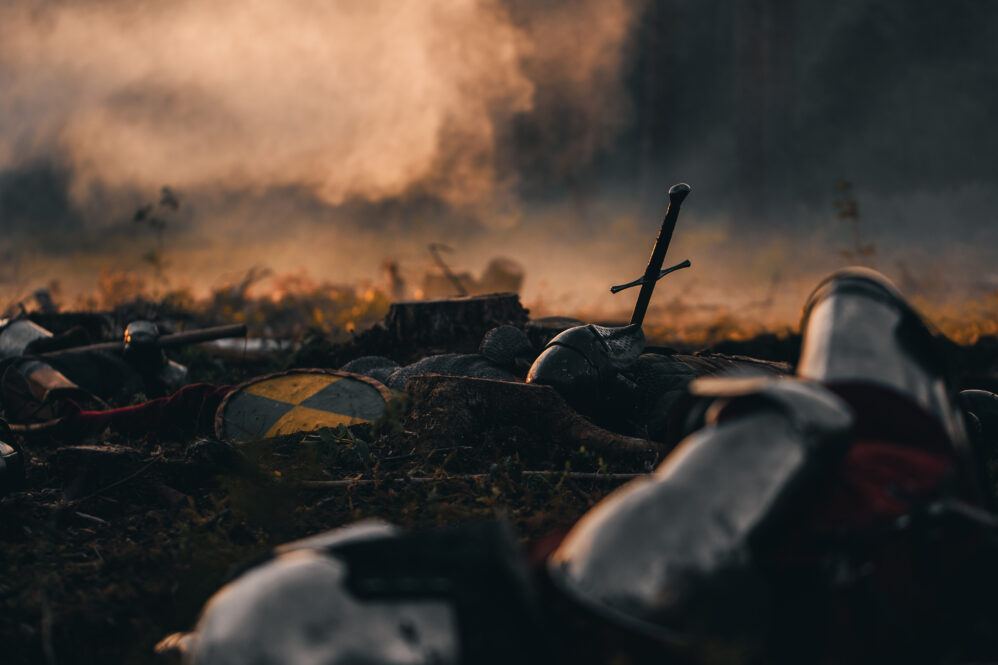
9 historical periods you wouldn’t have wanted to live through
Pick a morning. Not a good one. May 1348, say, in Siena, where a shoemaker named Agnolo di Tura is about to start burying his children. Or January 1709 in Paris, where the wine is freezing in the bottle.
Nine periods follow, from the sixth century to the twentieth. Each has a named witness, a date, and a record you can look up. Where the numbers are disputed, we say so.
Ten thousand a day
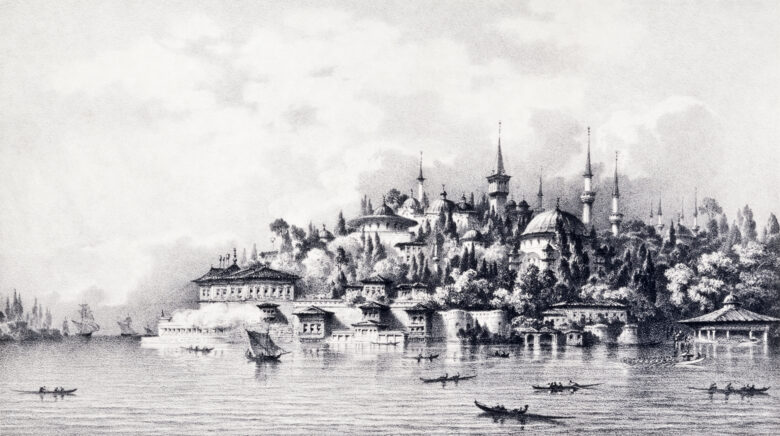
Constantinople, spring 542. Procopius, the emperor’s court historian, was living there when the plague arrived. He wrote that deaths rose to five thousand a day, then ten thousand and more, in his own account. Modern historians put it nearer 5,000.
John of Ephesus, another witness, said the city had known about the plague for two years and didn’t prepare. Justinian himself fell ill and survived.
In 2013, ancient DNA from Bavarian graves confirmed it was the same bacterium behind the Black Death.
Nobody wept
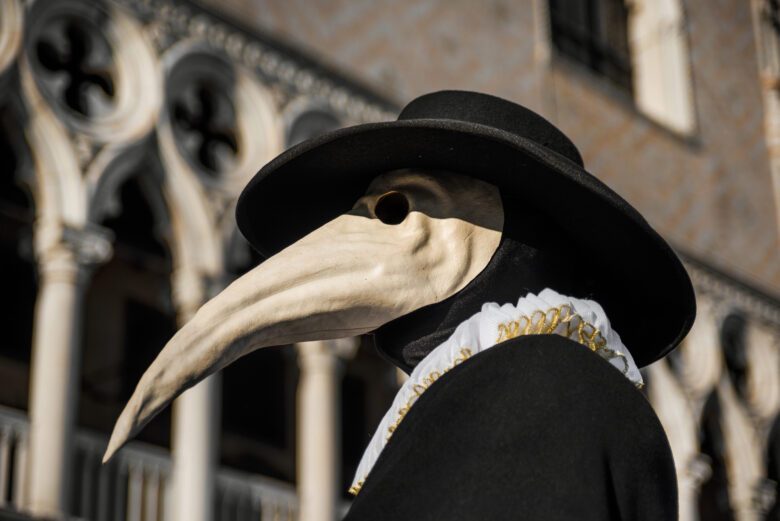
Siena, 1348. The plague arrived in May. Agnolo di Tura, a shoemaker and tax collector who edited the city’s chronicle, lost his wife and all five children.
“I… buried my five children with my own hands,” he wrote in the Cronica Senese. Nobody could be found to bury the dead for money. Families dragged their own to great pits.
There were no bells. Nobody wept, he wrote, because everybody expected to die.
Magdeburg, May 20, 1631
The Thirty Years’ War lasted from 1618 to 1648. Between 4 and 12 million people died, perhaps 20 percent of Europe, and some areas lost 60 percent.
Magdeburg is the war’s most infamous day. Imperial troops under Count Tilly stormed the city. By day’s end, about 20,000 of its 25,000 people were dead, and fire had taken most of what was left.
Hans Jakob Christoffel von Grimmelshausen wrote the war into a novel, “Simplicissimus,” in 1668. It’s still read.

Wine froze in the bottle
On the night of January 5, 1709, Europe went cold. Copenhagen’s harbor froze, covered in 27 inches of ice. Birds fell from the sky.
At Versailles, the Duchess of Orléans wrote home, “The cold here is so fierce that it fairly defies description.” She’d called it a winter unlike any she had seen.
The cold killed people. The famine that followed killed more. France lost at least 600,000, though historians still argue about how many died of what.
Black ’47
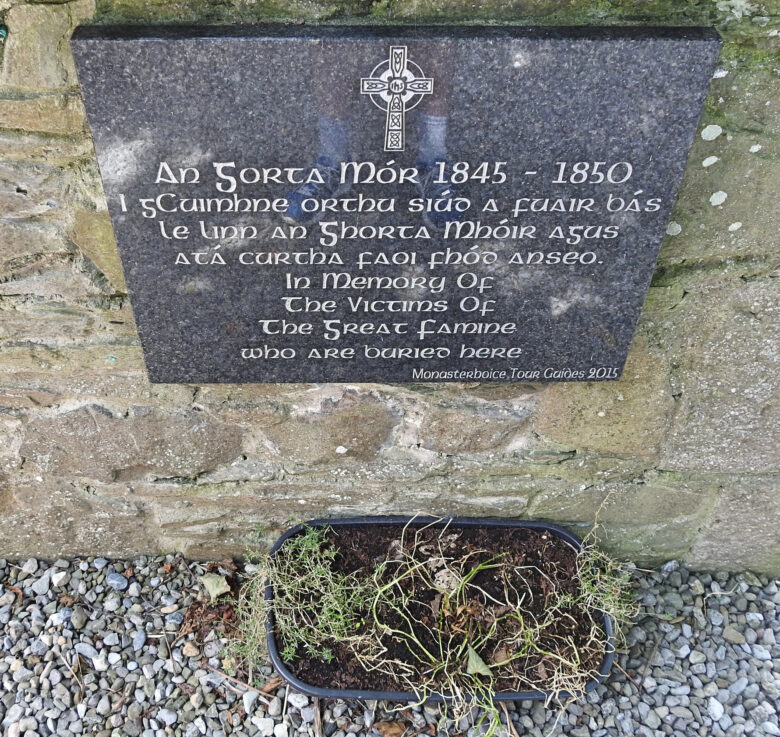
Ireland, 1847. The blight had come two years earlier, and the worst year was now. An artist, James Mahony, sketched what he saw in Skibbereen for the Illustrated London News, and the pictures shocked England.
Dr. Dan Donovan treated the sick there, and people remember him as a hero of the famine.
About a million people died. In 1844, about 8.4 million people lived in Ireland, and in 1851, 6.6 million. By August 1847, three million were eating at soup kitchens.
The Great Stink
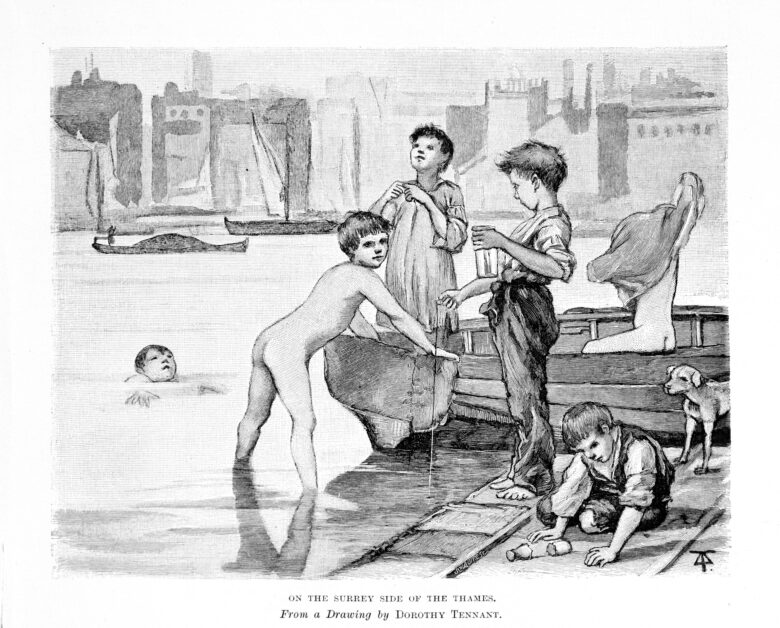
Summer 1858. London’s sewers emptied straight into the Thames, and it was hot. Parliament sat beside it.
Members soaked the curtains in chloride of lime. It didn’t help. Benjamin Disraeli fled a committee room “with a mass of papers in one hand, and with his pocket handkerchief applied to his nose,” one account says.
He called the river a “Stygian pool.” A bill passed in 18 days. Joseph Bazalgette built the sewers.

October 15, 1880
A blizzard hit Dakota Territory on October 15, and it was only the first. The American Meteorological Society says the hard winter lasted until April. Trains stopped running. Towns like De Smet ran out of food.
Two young men, Almanzo Wilder and Cap Garland, went out between storms to find a farmer who had wheat. They found it, and the town ate. Laura Ingalls Wilder, who lived through it as a teenager, later wrote the book.
Omaha had its coldest winter on record.

Black Sunday
April 14, 1935. It started as a nice day on the Plains. People went to church and picnics. Then a black cloud came over the horizon.
Ed and Ada Phillips of Boise City, Oklahoma, and their six-year-old daughter hid in an abandoned adobe hut for four hours with ten other people, afraid of being smothered. Avis Carlson, a Kansas writer, said the dust’s impact was “like a shovelful of fine sand flung against the face.”
The next day, AP reporter Robert Geiger coined the term “Dust Bowl.” Dust from the Plains reached Washington while soil conservationist Hugh Bennett was testifying to Congress, and Congress passed the law.
/ Reddit Forum / Reddit
“Everyone is dead”
Leningrad, 1941 to 1944. Germany cut the city off, and the siege lasted 872 days. Rations fell to 125 grams of bread a day for most civilians. Nearly a million people died, mostly from hunger in the first winter.
Tanya Savicheva was 11. In a notebook that had belonged to her sister, she wrote the dates her family died: her sister, her grandmother, her brother, two uncles, her mother. The last entries read, “The Savichevs are dead. Everyone is dead. Only Tanya is left,” per her diary.
She was evacuated and died in July 1944.
The bottom line
Agnolo di Tura wrote his account in 1348. Tanya Savicheva wrote hers in 1942, in a notebook of nine pages.
Ask us! What questions do you have about content, strategy, pop culture, lifestyle, wellness, history or more? We may use your question in an upcoming article!
Related:
- Historical “discoveries” that turned out to be elaborate hoaxes
- 21 famous castles and estates from film and history
Like MediaFeed’s content? Be sure to follow us.
This article was syndicated by MediaFeed.co.