
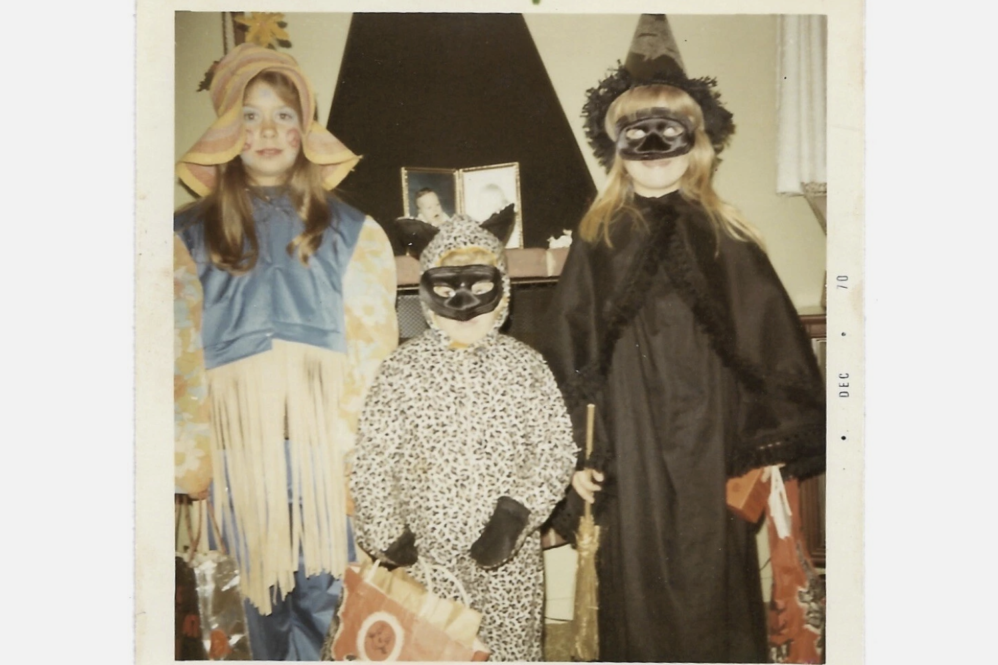
Only people who grew up in the ’70s and ’80s will remember these Halloween traditions
In 1964, a voice actress named Laura Olsher stood in a Disney studio and narrated 10 spooky stories over the studio’s library of sound effects. She went uncredited. By the 1970s, her voice was in half the basements in America, moaning through a haunted house someone’s dad had built.
That was the decade. A little orange box. A hospital line for your candy. A plastic pumpkin with a rivet handle.
Six traditions follow. Some are gone; some linger but no longer belong to the night, and we say which.
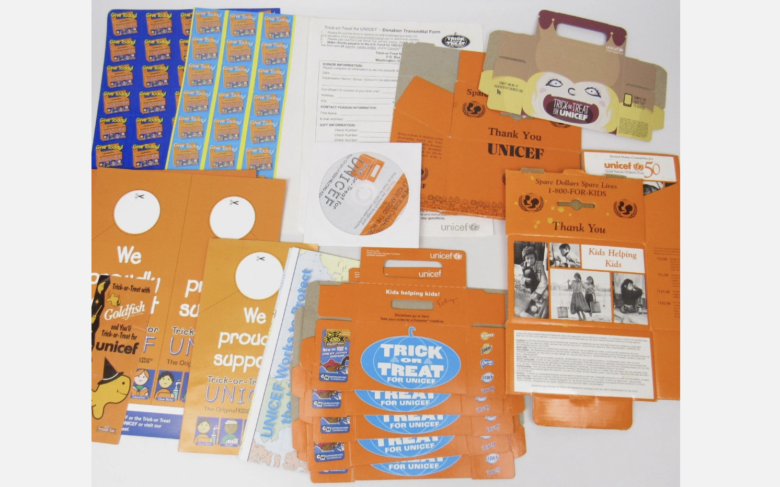
“Don’t forget your UNICEF box!”
A Presbyterian minister in Philadelphia, Clyde Allison, and his wife, Mary Emma, a schoolteacher, started it in 1950. Their kids collected $17 in coins on Halloween and sent them to UNICEF. By 1969, 3.5 million American children were trick-or-treating for it, according to history.
The orange box is still around, and UNICEF USA is taking orders this Halloween. In Canada, the box no longer exists.
The candy line at the hospital
Parents and kids lined up at the local hospital, dumped their candy on a cafeteria tray, and watched it roll through the X-ray machine. Some hospitals, like one in Moses Lake, Washington, put the images on lobby screens.
It started with fear. After the 1982 Tylenol deaths, parents were sure someone was poisoning candy. Ann Landers warned of “twisted strangers” in 1983, as per The Conversation.
Sociologist Joel Best looked at 25 years of reports and found no stranger who’d killed a child. Radiologists admitted the machines couldn’t detect poison anyway. And the neighbors’ homemade popcorn balls and candy apples? Parents stopped trusting them.
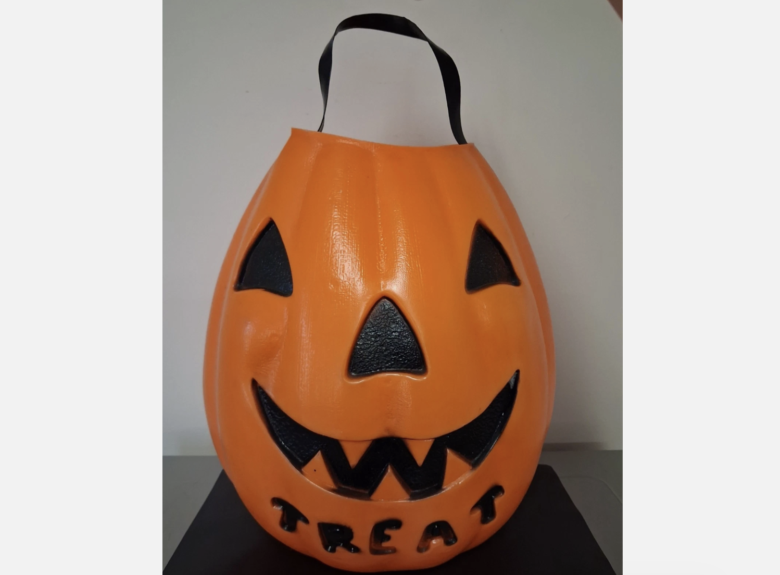
A pumpkin with a rivet handle
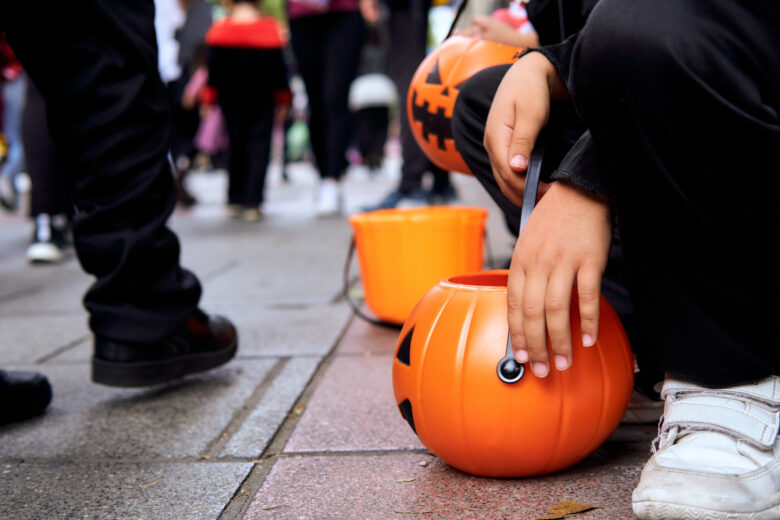
The plastic pumpkin pail was a generation’s trick-or-treat bag. Companies like Empire, General Foam, Union Products, and Collegeville made them in the ’70s and ’80s, softer than the ’60s’ hard plastic, and sold them at Woolworth’s, W.T. Grant, and Kresge’s.
Empire’s classic one has a mold stamped 1968. It was made until about 1997.
A plastic smock and a rubber band
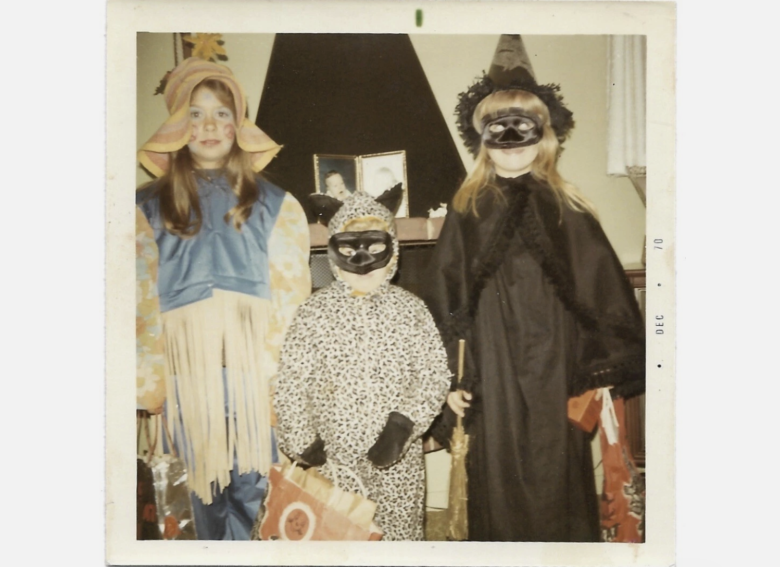
The costume came in a box. It included a vinyl smock with the character printed on the front and a plastic mask held on with a rubber band. The early smocks were really flammable, and the box said so, kind of.
Ben Cooper, Inc. filed for bankruptcy the day before Halloween in 1991, per one history.
One night a year, on a schedule
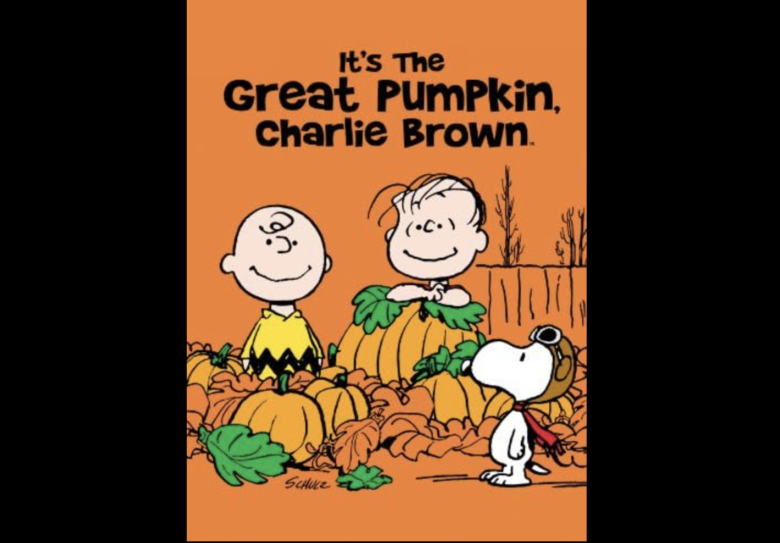
If you missed it, you waited a year. “It’s the Great Pumpkin, Charlie Brown” premiered on CBS on October 27, 1966, and came back almost every October through the 1980s.
Another favorite, “Halloween Is Grinch Night,” had Hans Conried as the Grinch in 1977. The Great Pumpkin no longer airs on network TV. It moved to streaming.
Side B
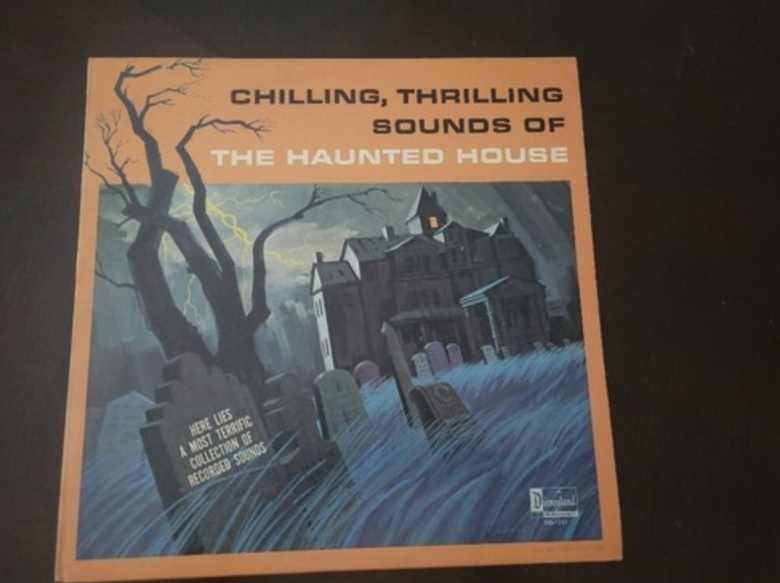
The “Chilling, Thrilling Sounds of the Haunted House” album had stories on side one and 10 sound effects on side two, so you could build your own haunted house. Moaning ghosts. Rattling chains.
It went gold in 1972, and its 1979 sequel went gold in 1988. The 1973 reissue came with “Spooky Party Hints” printed inside.
The bottom line
“It’s the Great Pumpkin, Charlie Brown” first aired October 27, 1966. Hospitals X-rayed Halloween candy for years, and radiologists admitted the machines couldn’t detect poison.
Ask us! What questions do you have about content, strategy, pop culture, lifestyle, wellness, history or more? We may use your question in an upcoming article!
Related:
- Your cozy (or spooky!) Halloween movie, according to your horoscope
- Halloween hauntings at famous movie sets
Like MediaFeed’s content? Be sure to follow us.
This article was syndicated by MediaFeed.co.