
The oddest archaeological finds from every state
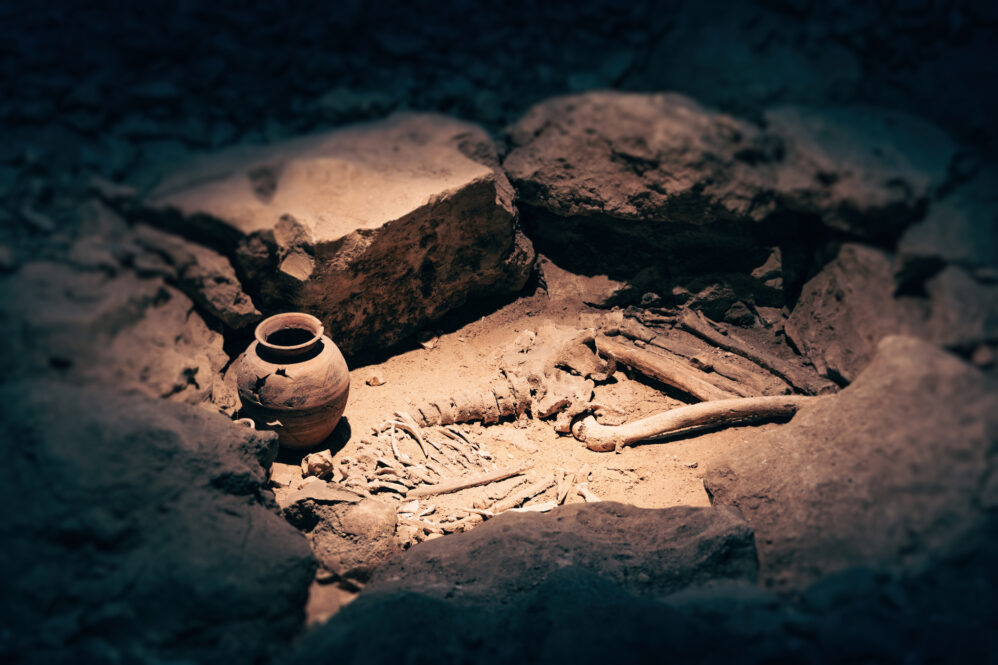
In 1955, Albert Miller poked at a groundhog hole on his family’s farm in Avella, Pennsylvania, and pulled out what looked like a prehistoric tool. It was the first of almost two million artifacts and ecofacts from Meadowcroft Rockshelter.
Odd finds tend to arrive that way. A pilot flying to Las Vegas in 1932 spotted giant figures in the Colorado Desert. In 1872, workers digging a fence post in Meredith, New Hampshire, turned up an egg-shaped stone that didn’t belong. Two college students found a skull in the Columbia River in 1996.
One find per state. Some set records, some are hoaxes, and some are legends archaeologists have taken apart. Where a find is disputed, we say so.
Alabama: the rattlesnake disk
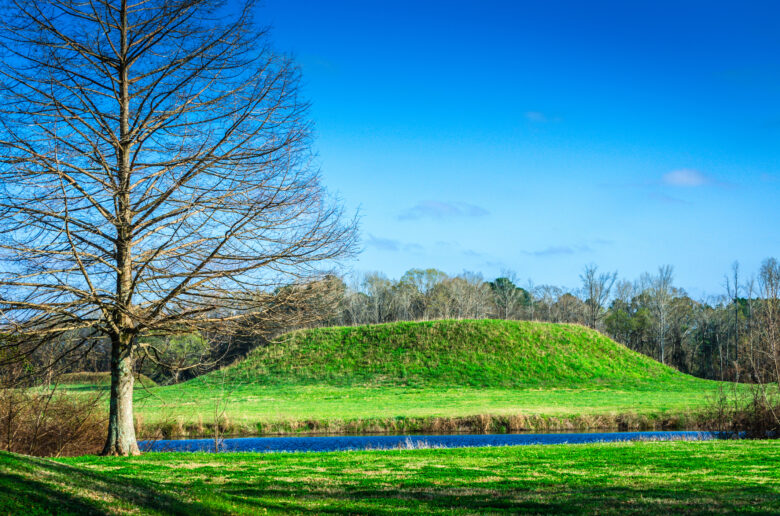
At Moundville, someone engraved a stone disk with a coiled rattlesnake around a hand that has an eye in its palm. Nobody knows what it meant. The site holds about 2,000 burials, and researchers have excavated only 14 percent.
Alaska: two infants under a hearth
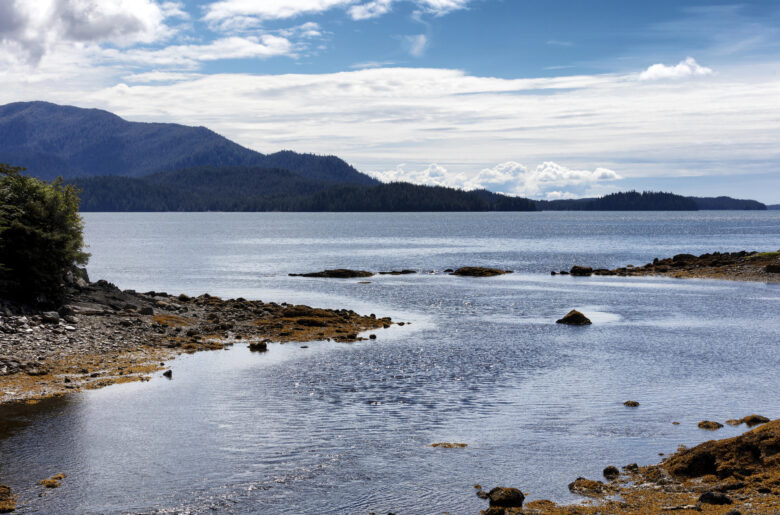
About 11,500 years ago, two infants were buried beneath a hearth at Upward Sun River. DNA from one revealed a lineage researchers named Ancient Beringians.
Arizona: figurines with spears
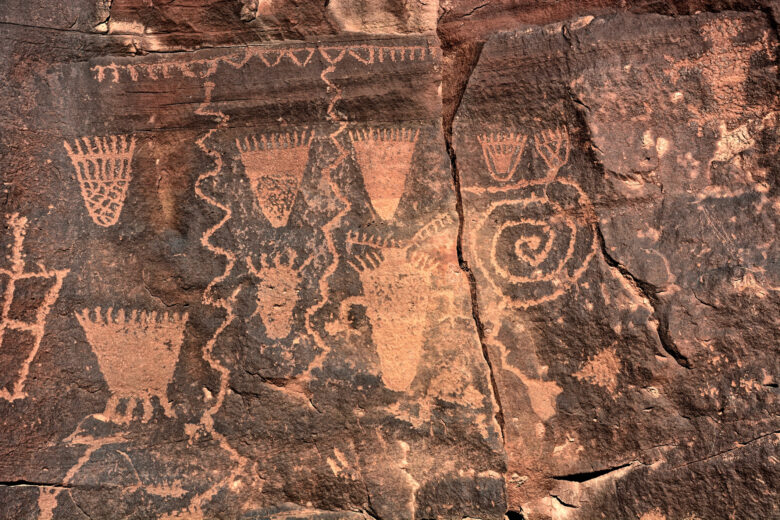
Split-twig animal figurines, 2,000 to 4,000 years old, turned up in remote Grand Canyon caves. Some deer and bighorn sheep are pierced by a tiny stick, like a spear. The first were found in 1933, and their purpose is unknown.
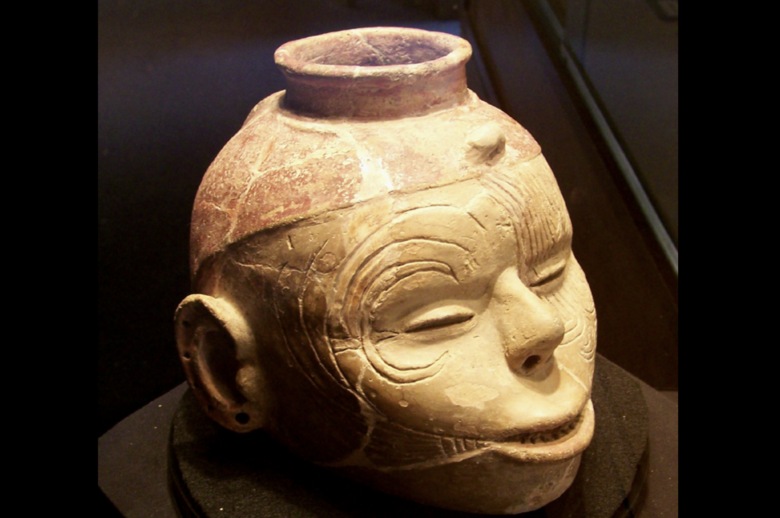
Arkansas: head pots
Between AD 1400 and 1700, potters in northeast Arkansas made vessels with closed eyes and shrunken-looking faces, the teeth exposed. Archaeologists excavated the first in 1880, and about 138 are known.
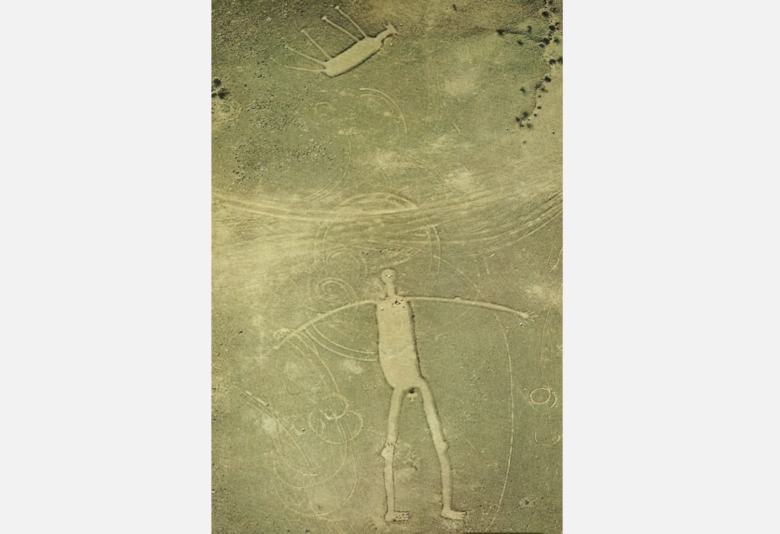
California: giants in the desert
A pilot flying between Blythe and Las Vegas spotted them in 1932. The Blythe Intaglios are enormous ground drawings of animals, people, and shapes; the largest is 171 feet long, and they are between 450 and 2,000 years old. Non-native eyes missed them for centuries.
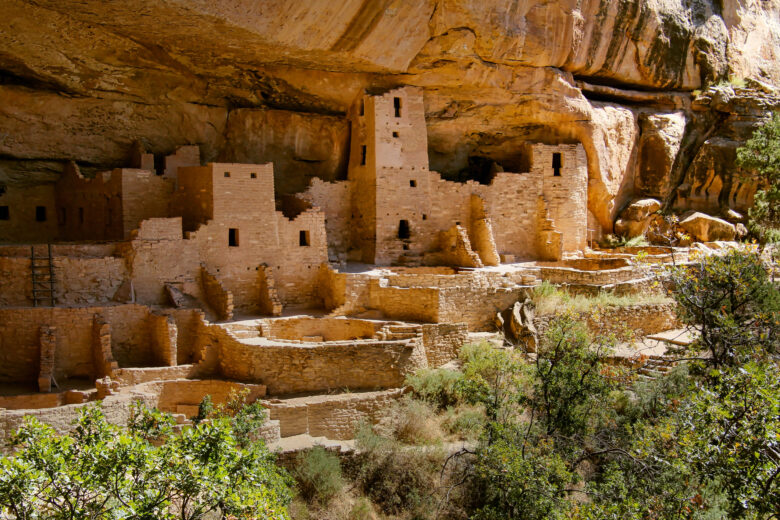
Colorado: Cliff Palace, 1888
Ranchers rediscovered the 150-room cliff dwelling in 1888. Then commercial explorers went in with pickaxes and, according to one account, dynamite, to pull out artifacts. Mesa Verde became a national park in 1906.
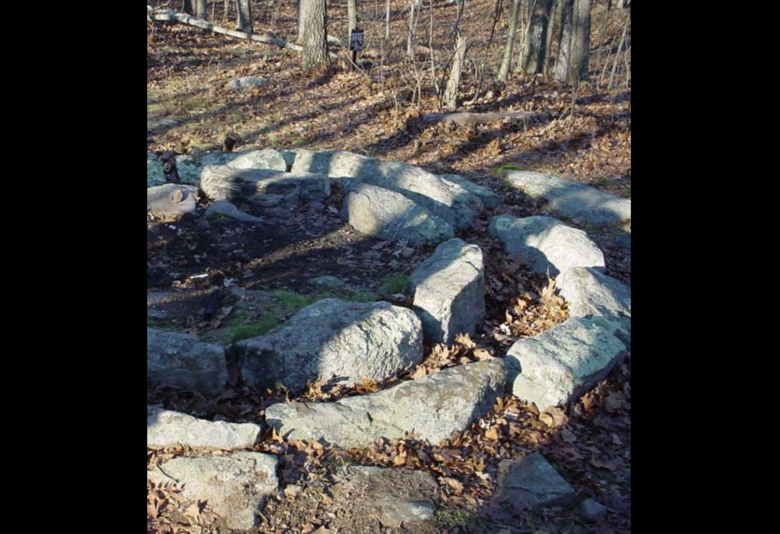
Connecticut: Gungywamp
Stone chambers and a double stone circle inspired stories about ancient Europeans. Archaeologists say the chambers are root cellars and the circle is part of a bark mill.
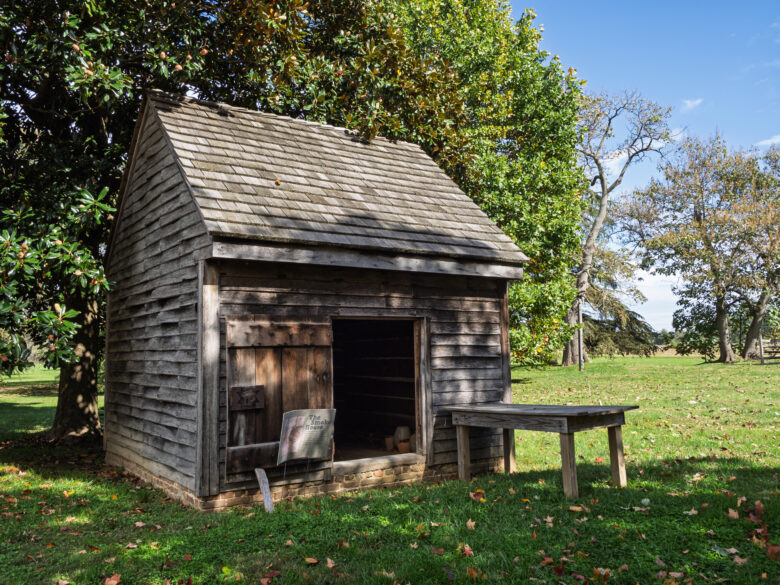
Delaware: a burial ground under a plantation
After two years of investigation, archaeologists found a burial ground for people enslaved at the John Dickinson Plantation in 2021. The state is consulting descendants about how to commemorate it.
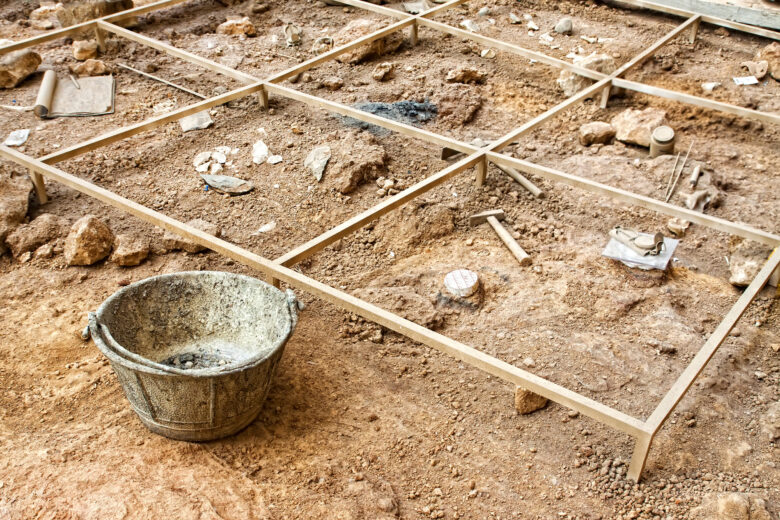
Florida: brain tissue from 7,000 years ago
Construction near Titusville in 1982 exposed a pond cemetery of 168 people. The peat preserved woven textiles and, in some skulls, intact brain tissue.
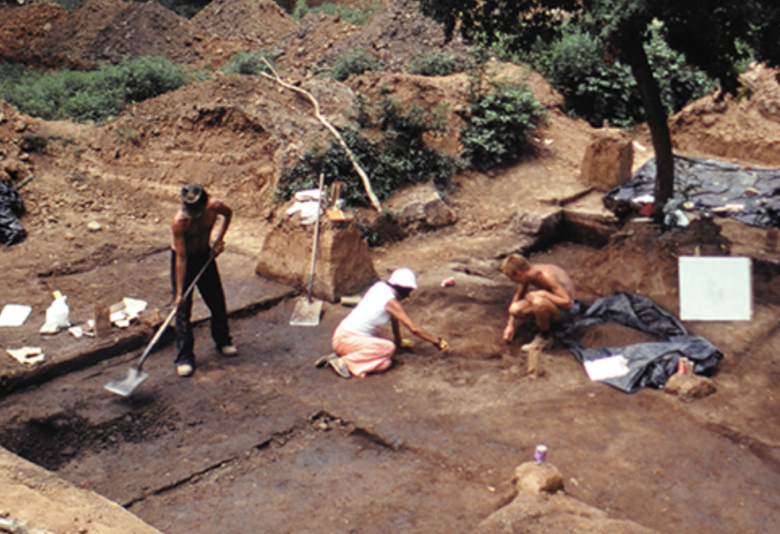
Georgia: the mound under the lake
Dyar Mound sits under Lake Oconee, a reservoir. Excavators in the 1970s thought it was abandoned soon after Hernando de Soto’s expedition. Later research showed the Muscogee held rites there for almost 150 more years, according to Washington University.
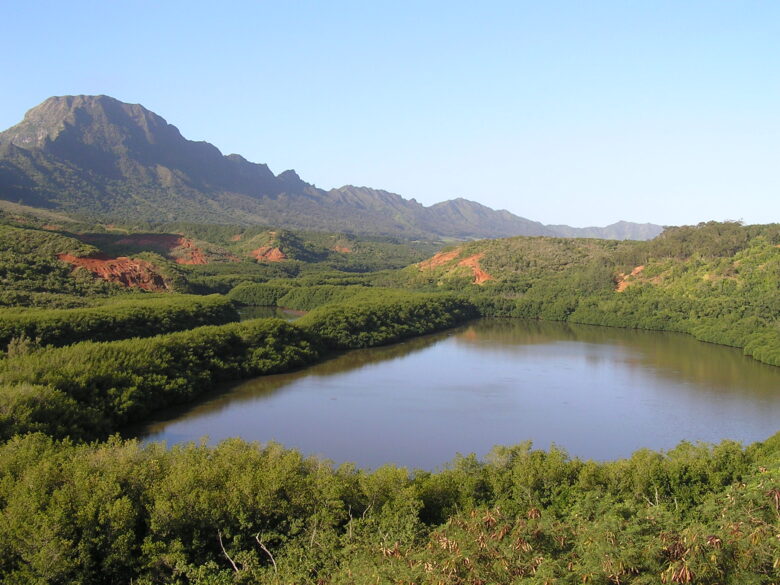
Hawaii: the one-night wall
A stone wall about 2,700 feet long once controlled water at Alakoko Fishpond. Builders made it around 600 years ago, though tradition says the Menehune finished it in one night.
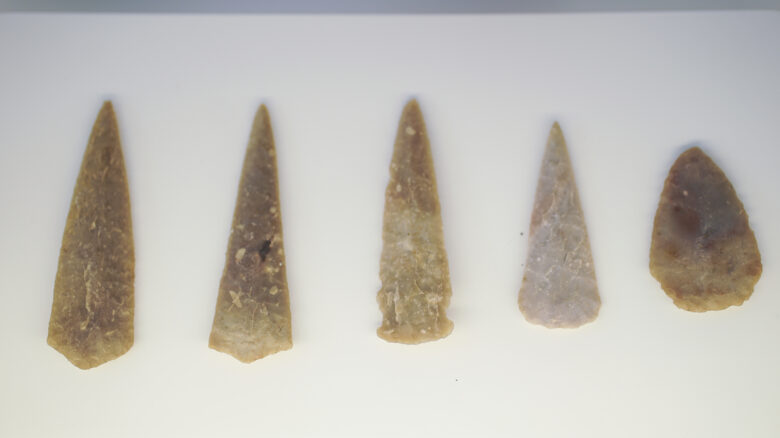
Idaho: spears older than Clovis
Spear points at Cooper’s Ferry are about 15,700 years old, 3,000 years older than Clovis points. They resemble points from Hokkaido, Japan, which supports the Pacific coast route theory.
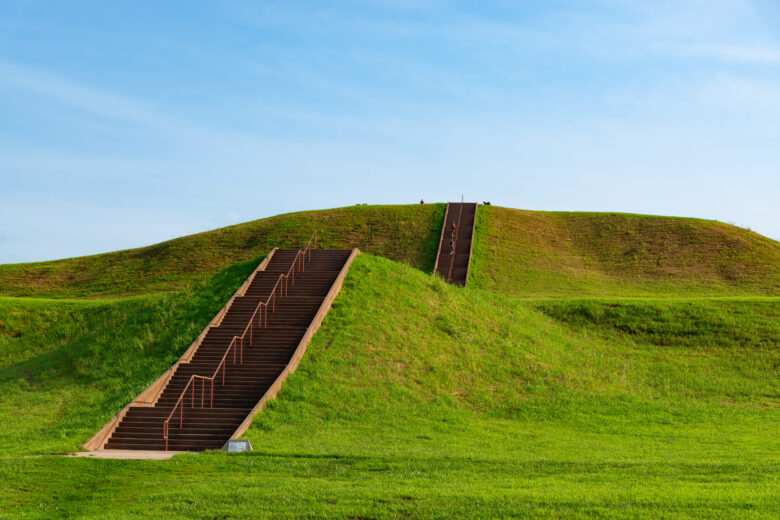
Illinois: Cahokia
Around AD 1000, people built the largest pre-Columbian city north of Mexico, laid out from the start. Circles of wooden posts marked solar events. By 1350, it was deserted, and no one knows why.
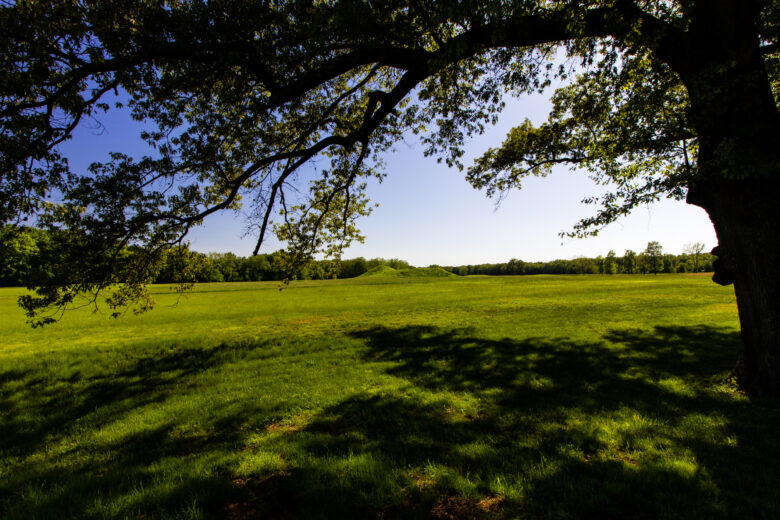
Indiana: 2.5 million artifacts
Angel Mounds, a fortified town with 11 mounds, produced more than 2.5 million artifacts between 1939 and 1964.
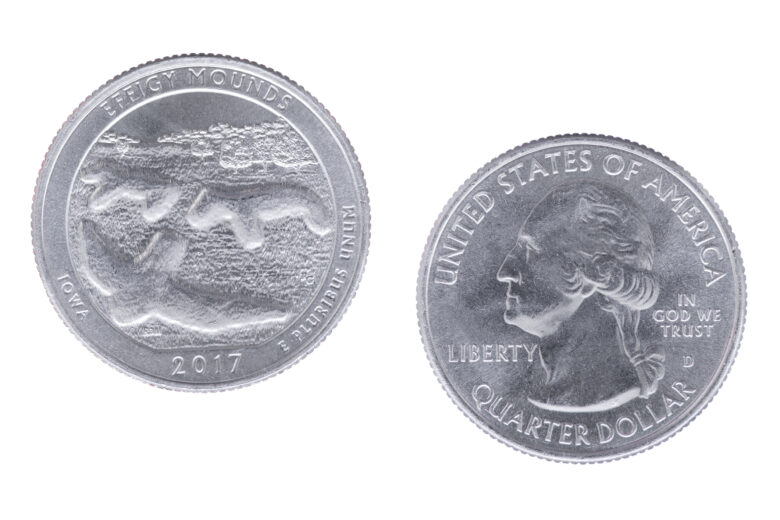
Iowa: bears and birds made of earth
Effigy Mounds National Monument preserves more than 200 earthworks, some shaped like birds, bears, deer, and bison.
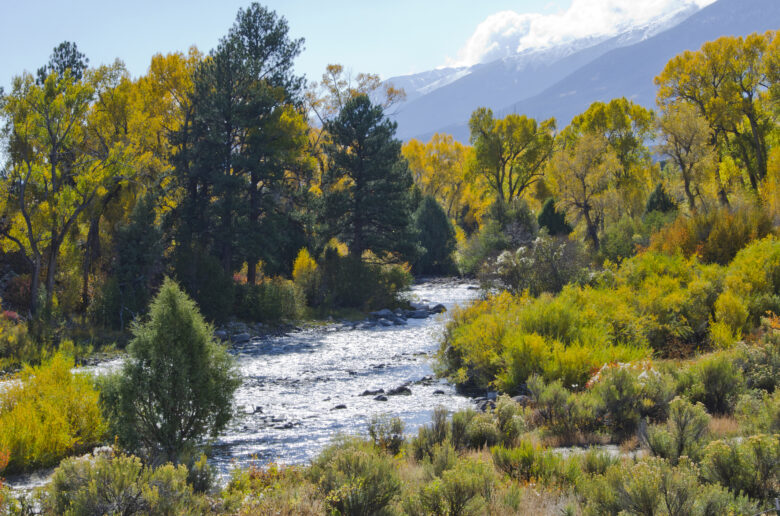
Kansas: a lost city of 20,000
Spanish explorers described a huge settlement on the Arkansas River in 1601, then it vanished from the map. Archaeologists, including Donald Blakeslee, now place Etzanoa near Arkansas City, home to as many as 20,000 people.
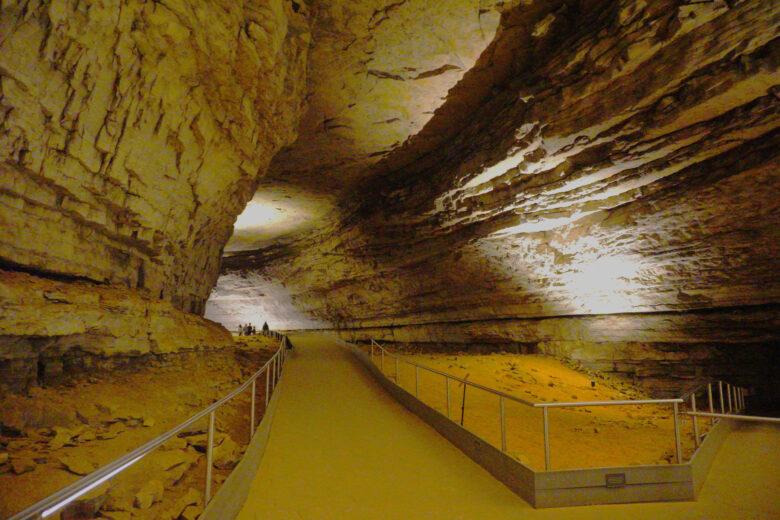
Kentucky: miners in the dark
Long before Mammoth Cave had tourists, Indigenous miners walked miles into it with reed torches, hunting gypsum and other minerals.
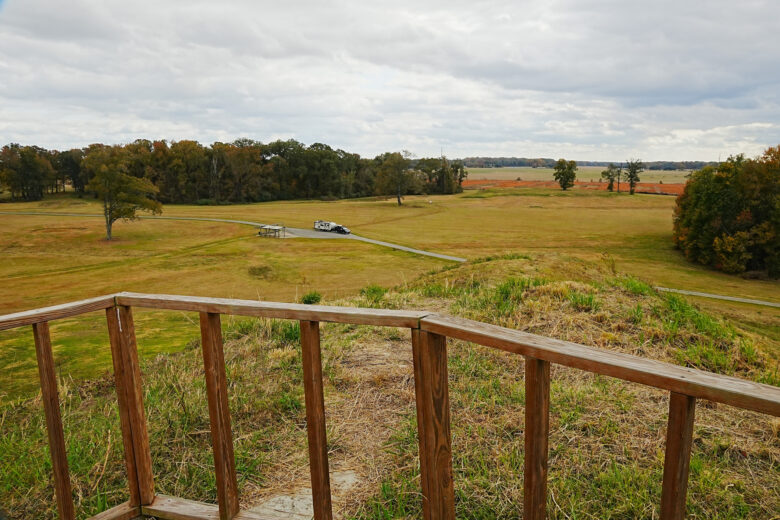
Louisiana: mounds nobody realized were mounds
People first reported Poverty Point in 1873 and assumed the ridges were natural. Airplane views in the 1950s showed they were man-made. Builders used materials from hundreds of miles away.
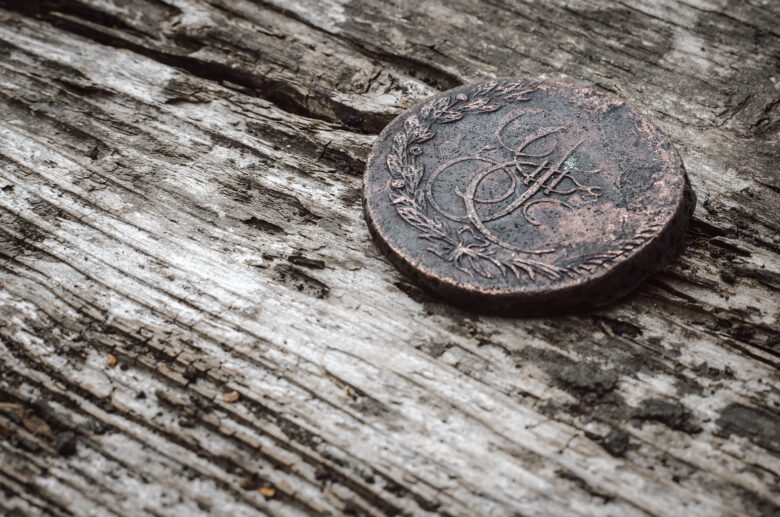
Maine: a Norwegian coin
In 1957, archaeologists found a silver coin from the reign of Norway’s Olaf Kyrre (1067 to 1093) at a coastal Maine site. The coin itself is real, but how it got there is disputed.
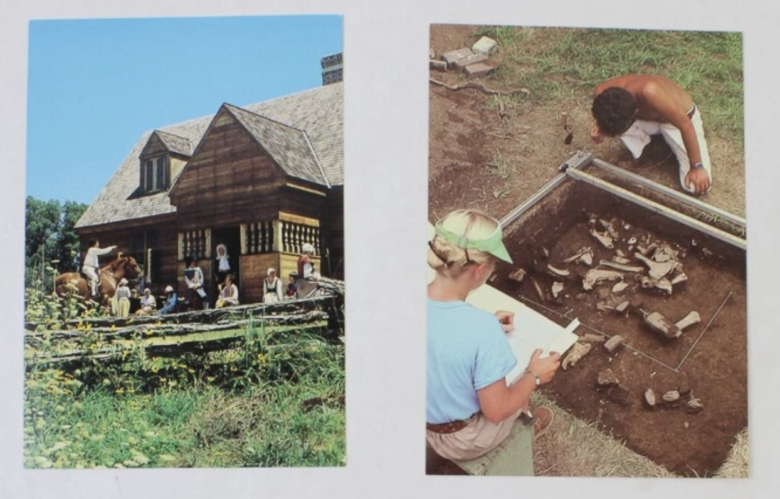
Maryland: the fort nobody could find
Archaeologists searched for about 90 years for St. Mary’s Fort, built in 1634. Archaeologists excavated the site more than 200 times. In 2019, magnetometry and ground-penetrating radar showed the outline.
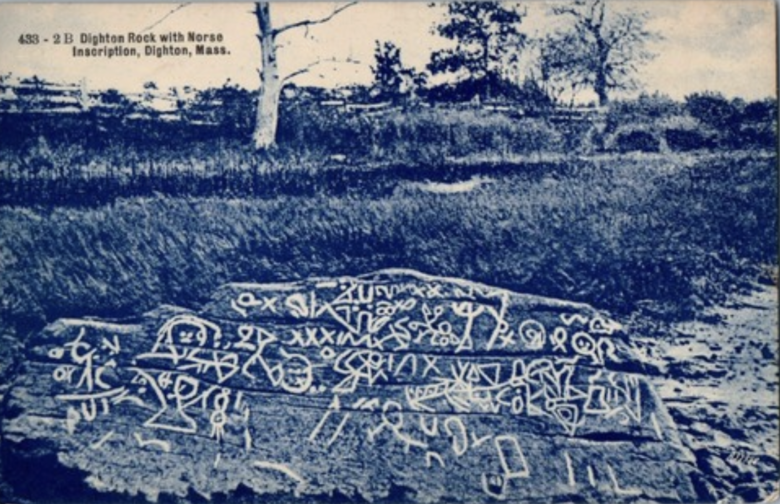
Massachusetts: a 40-ton boulder
People have credited Dighton Rock to Norsemen, Egyptians, the Lost Tribes of Israel, a prince from Atlantis, and aliens. John Danforth, a recent Harvard graduate, noted it in 1680 and thought Native Americans made it. Most of those theories are unsupported.
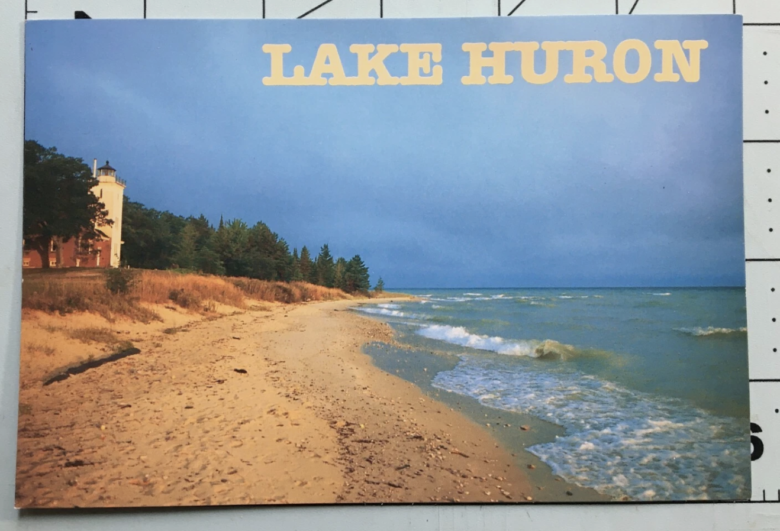
Michigan: stone lanes under Lake Huron
About 9,000 years ago, hunters built stone lanes and blinds on a ridge that’s now underwater.
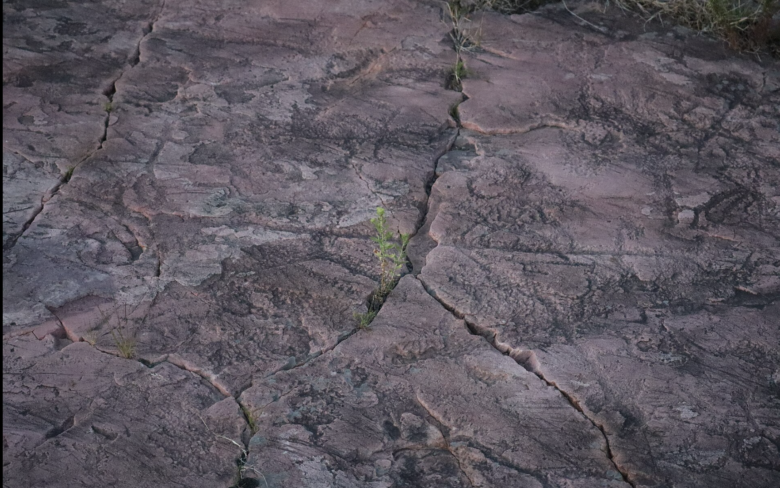
Minnesota: 5,000 carvings
The Jeffers Petroglyphs hold about 5,000 images made over more than 7,000 years.
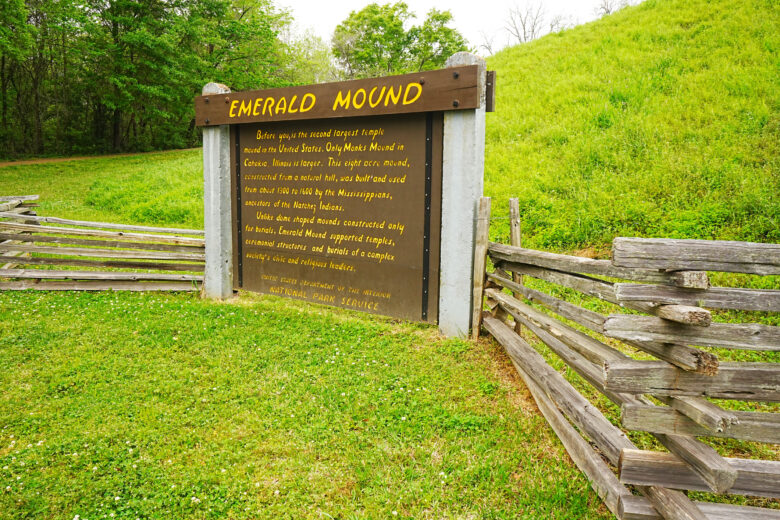
Mississippi: Emerald Mound
Spanning about eight acres, it’s one of North America’s largest pre-Columbian earthworks.
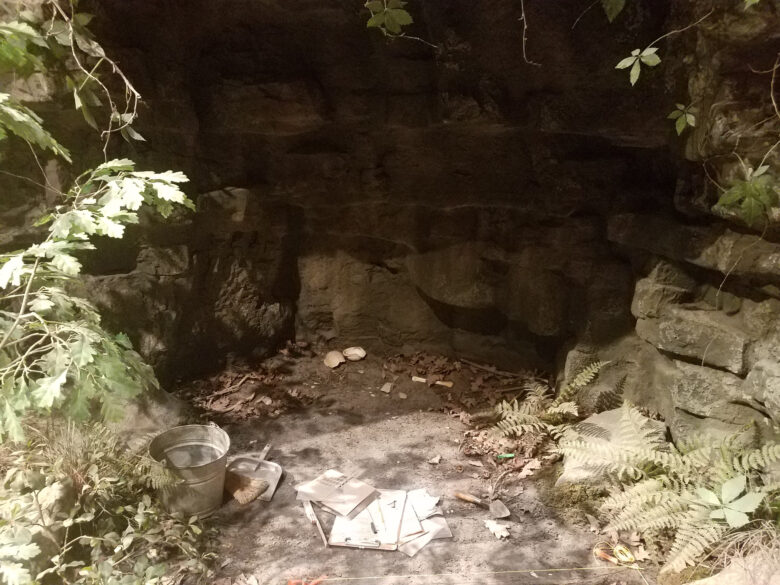
Missouri: 8,000-year-old shoes
Archaeologists recovered dozens of pairs of prehistoric moccasins and sandals from Arnold Research Cave. The cave stays dry, so the leather survived.
Montana: the Clovis child
Construction workers found a child’s skull in 1968 with more than 100 tools. It’s the only known Clovis burial, and it’s covered in red ochre. In 2014, Sarah Anzick, who was two when the burial turned up on her family’s land, helped sequence its DNA.
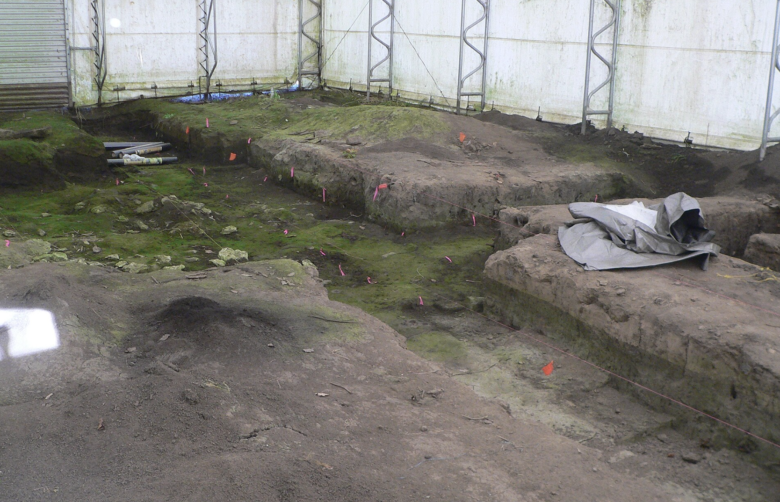
Nebraska: a fort lost for 200 years
Researchers rediscovered Engineer Cantonment, the winter camp of the 1819 to 1820 Long Expedition, in 2003 using old paintings. The expedition’s scientists identified the coyote there.
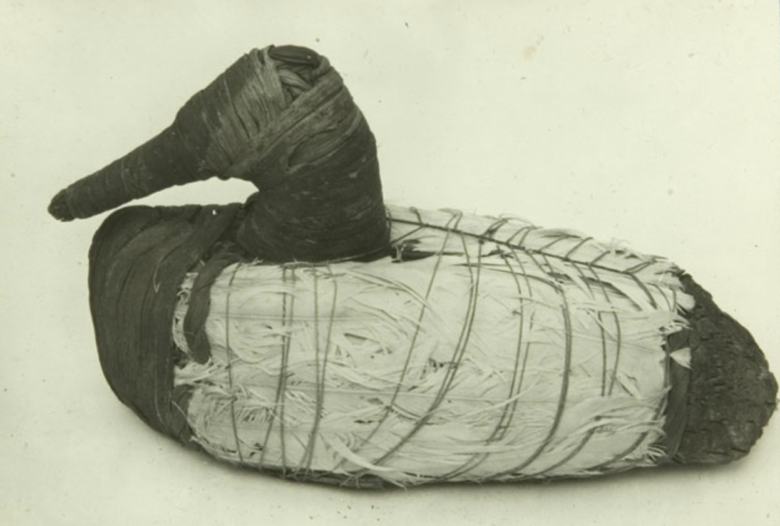
Nevada: duck decoys
Hunters made lifelike decoys from bundled tule reeds about 2,000 years ago and stored them in Lovelock Cave. Later stories about red-haired giants have no archaeological support.
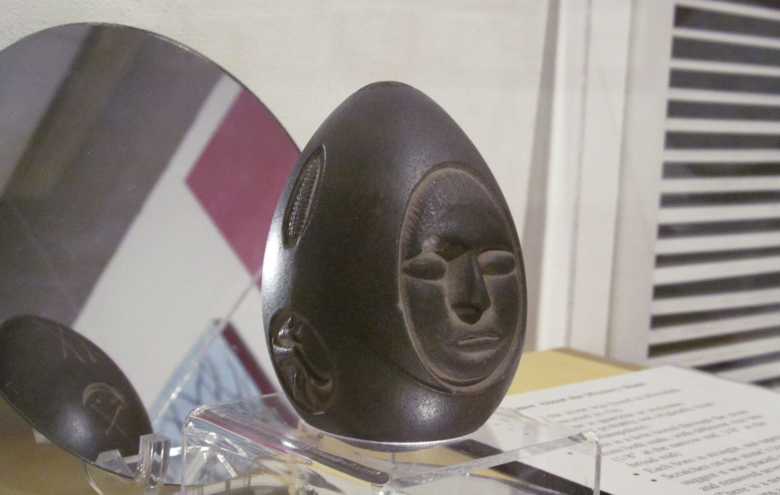
New Hampshire: the stone that doesn’t belong
In 1872, workers digging a fence post in Meredith found an egg-shaped stone about four inches tall, carved with a face and an ear of corn. It’s quartzite, which isn’t found in New Hampshire.
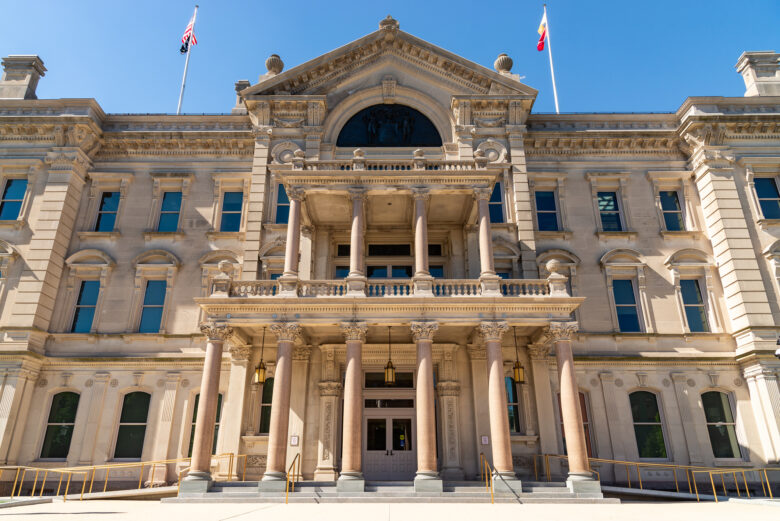
New Jersey: a building under the sidewalk
In 2006, workers pulling up the sidewalk outside the State House in Trenton found the foundations of the 1796 archives building, with fireproof vaults.
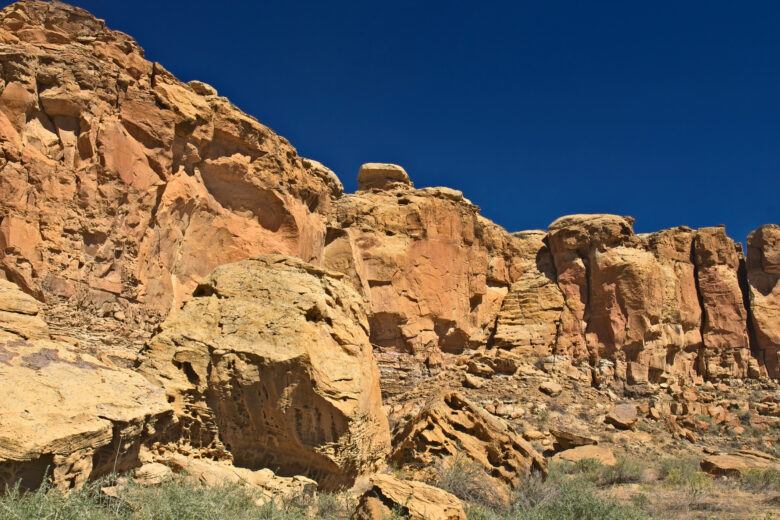
New Mexico: roads to nowhere
Wide, straight roads run out from Chaco Canyon, sometimes down cliffs by carved stairways. Some look impractical for ordinary travel.
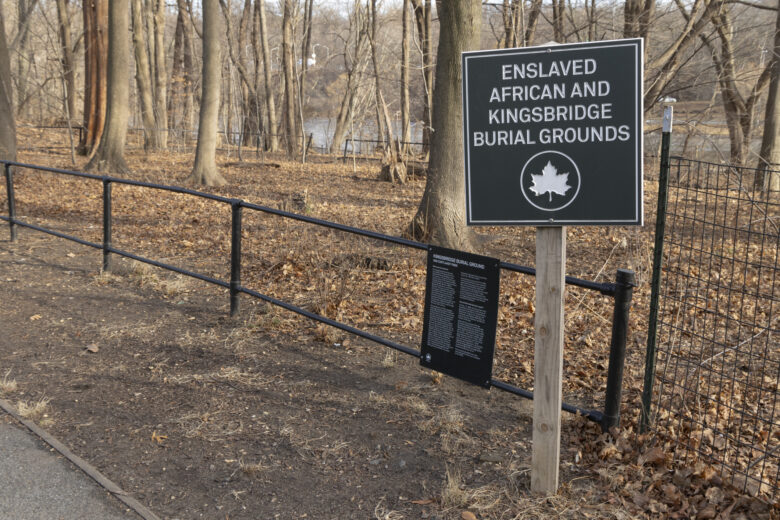
New York: a cemetery under Manhattan
Construction in 1991 uncovered a forgotten burial ground. Archaeologists recovered 419 sets of remains, though it may hold more than 15,000 people.
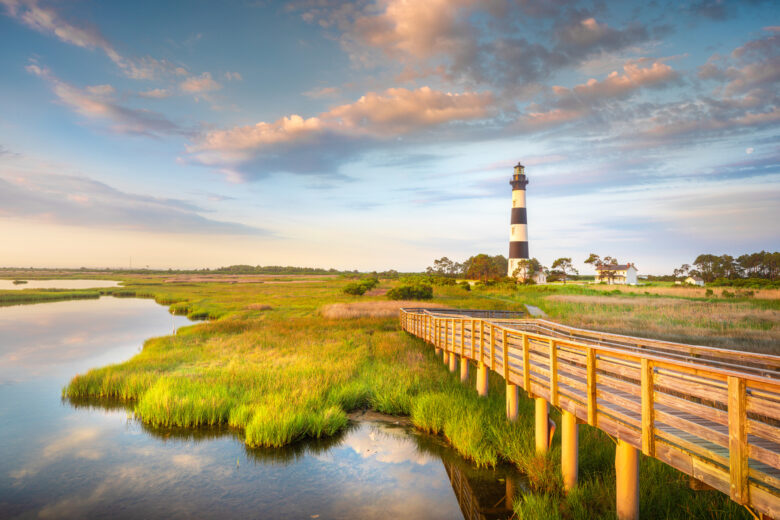
North Carolina: the colonists’ trail
When John White returned in 1590, Roanoke’s colonists were gone. In 2015, archaeologists found a sword hilt and broken English bowls on Hatteras Island and a mainland site. They could also reflect trade or salvage.
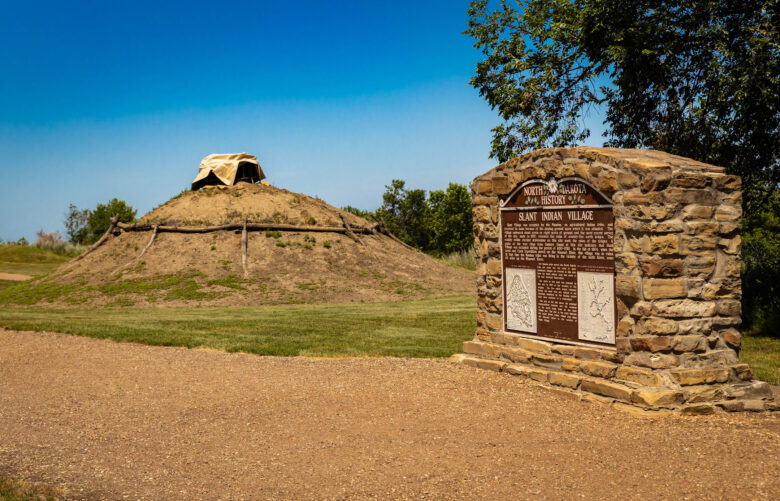
North Dakota: four ditches
Four defensive ditches once ringed Double Ditch Village, a Mandan earth-lodge town. It was abandoned after the smallpox epidemic of 1781 to 1782.
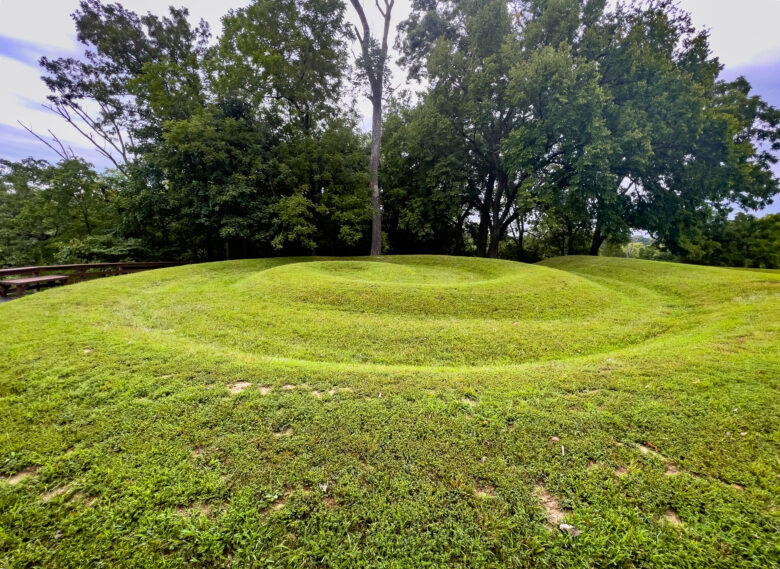
Ohio: a snake with two birthdays
Serpent Mound runs 1,348 feet along a ridge. Early digs pointed to the Adena; a 1990s radiocarbon date pointed to about AD 1070, and 2014 dating pointed back to roughly 300 BC. Archaeologists still disagree about who built it.
Oklahoma: the worst looting
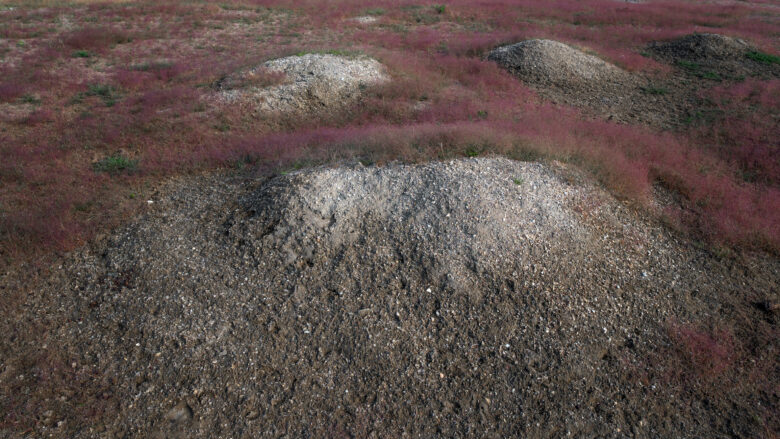
From 1933 to 1935, commercial diggers calling themselves the Pocola Mining Company tore into the burial mound at Spiro. The objects went to dozens of museums and private collections, and their context was lost. It’s one of the worst looting episodes at any American archaeological site.
Oregon: ancient poop
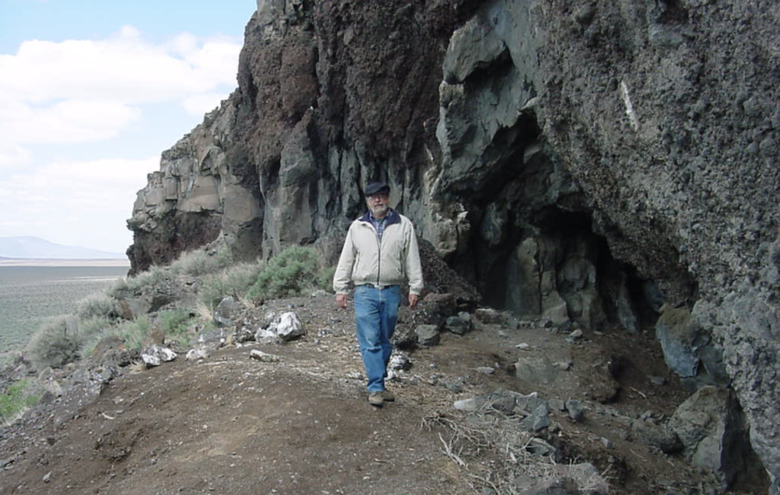
Human coprolites and stone points from the Paisley Caves date to before Clovis, with some evidence about 14,700 years old.
Pennsylvania: a groundhog hole
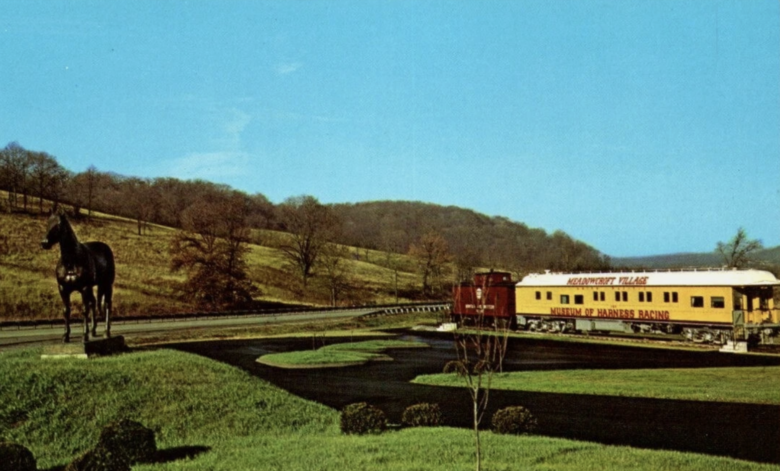
Albert Miller’s groundhog hole led to Meadowcroft Rockshelter and almost two million artifacts and ecofacts, some about 19,000 years old. The earliest dates are still debated.
Rhode Island: a Viking tower?
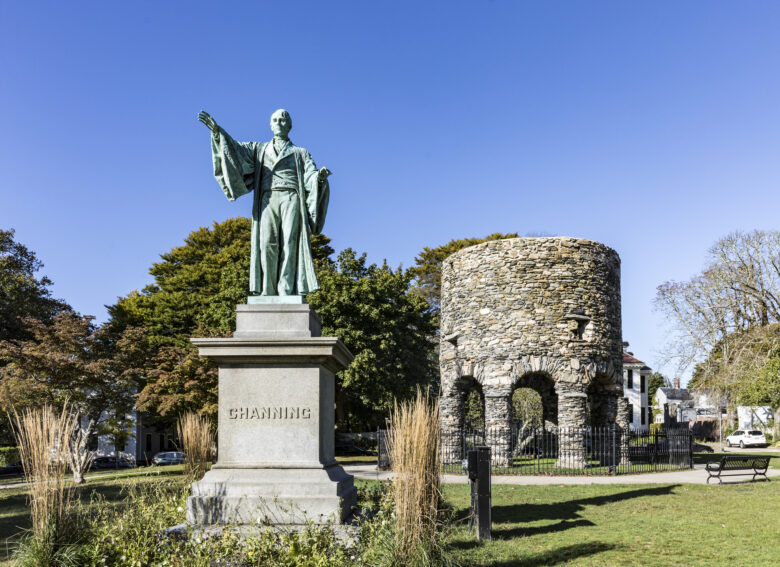
The Newport Tower has been credited to Vikings and medieval Europeans. Evidence points to a colonial windmill tied to Governor Benedict Arnold, the traitor’s great-grandfather.
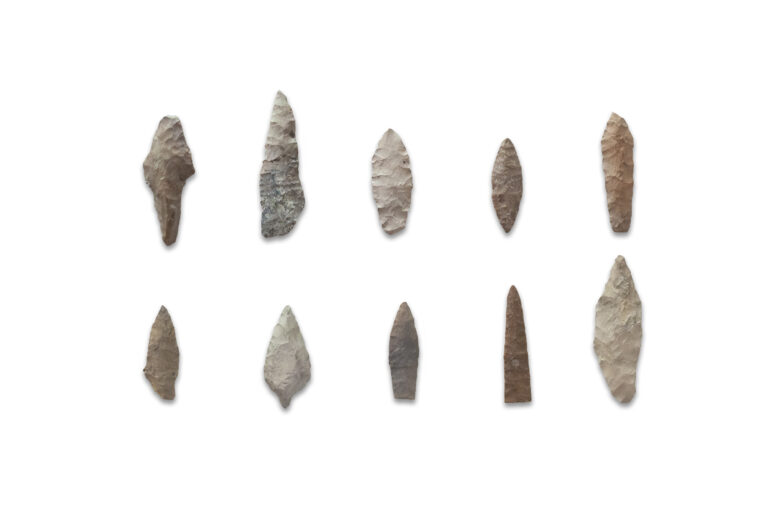
South Carolina: 50,000 years, maybe
Albert Goodyear of the University of South Carolina has argued that burned material at the Topper Site could be 50,000 years old. Other scientists dispute it, asking whether the stones are tools at all.
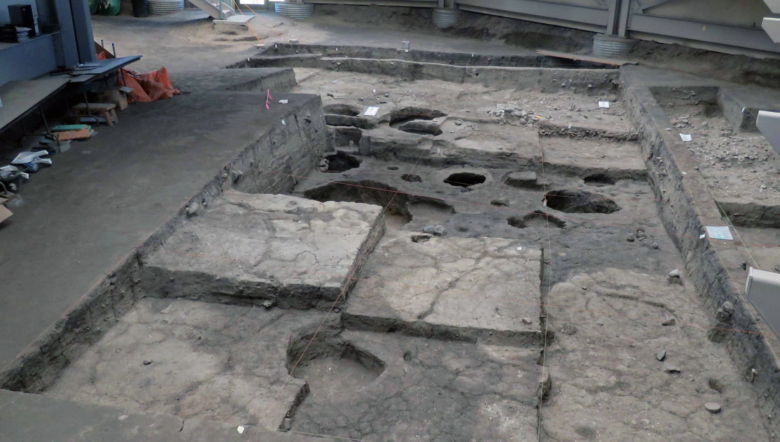
South Dakota: a burned village
Between about AD 1000 and 1150, farmers lived in earth lodges at a fortified village near Mitchell, and some lodges burned.
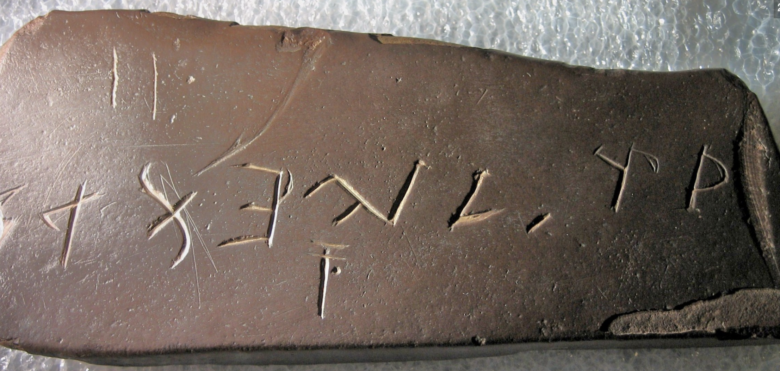
Tennessee: the Bat Creek Stone
Excavated in 1889 from a mound in Loudon County, the small tablet was first read as Cherokee. Later readers proposed Paleo-Hebrew, and the debate hasn’t ended.
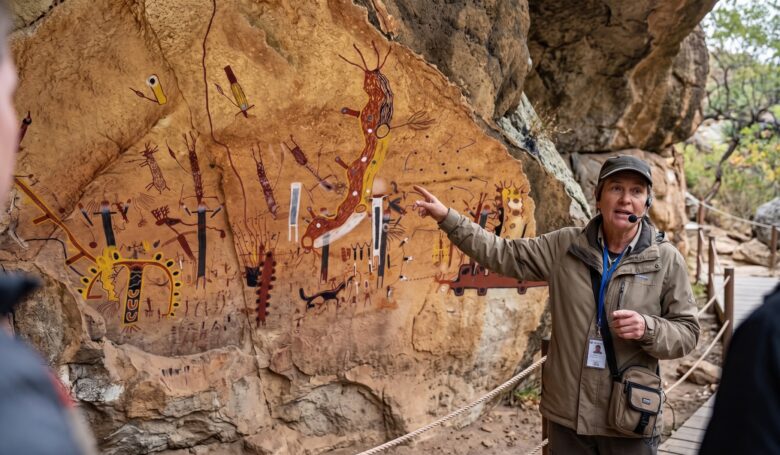
Texas: the White Shaman mural
Black, red, yellow, and white figures fill a huge rock painting that researchers think was planned as one composition, possibly a creation story.
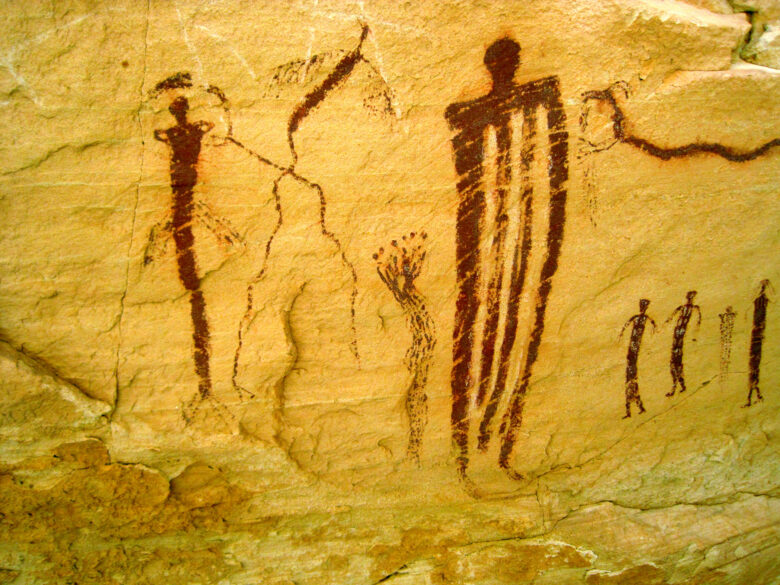
Utah: the canyon a rancher kept secret
Rancher Waldo Wilcox and his family kept quiet about pit houses and rock art on their 4,000-acre Range Creek property. The canyon holds hundreds of Fremont sites from about AD 300 to 1350.
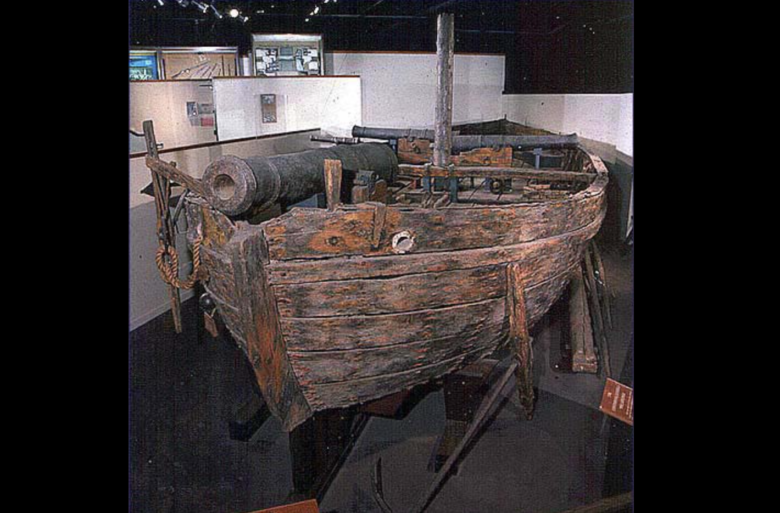
Vermont: a warship as a roadside attraction
The gunboat Philadelphia sank at Valcour Island in 1776. Colonel Lorenzo Hagglund raised it in 1935 and displayed it as a roadside attraction in New York. The Smithsonian received it in 1961, with the cannonball still inside, and planned to return it to display in 2026.
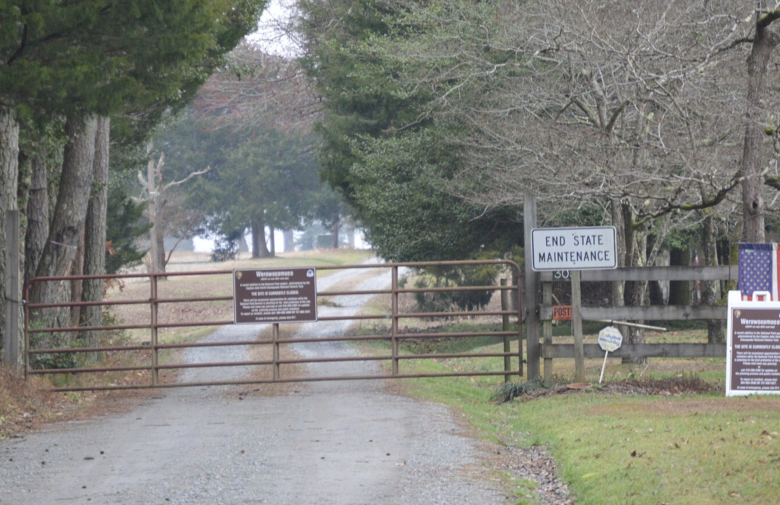
Virginia: ditches on a Spanish map
Two long, parallel ditches at Werowocomoco appear on a Spanish ambassador’s map, yet digs found only Indigenous artifacts inside them.
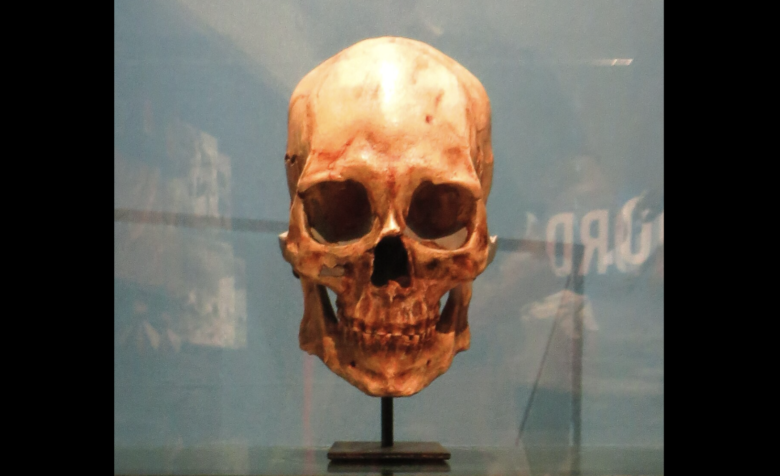
Washington: Kennewick Man
Two college students found a skull in the Columbia River in 1996. The skeleton was almost 9,000 years old, and a 20-year legal fight followed. DNA showed he was closer to modern Native Americans than to any other population, and regional tribes reburied him in 2017.
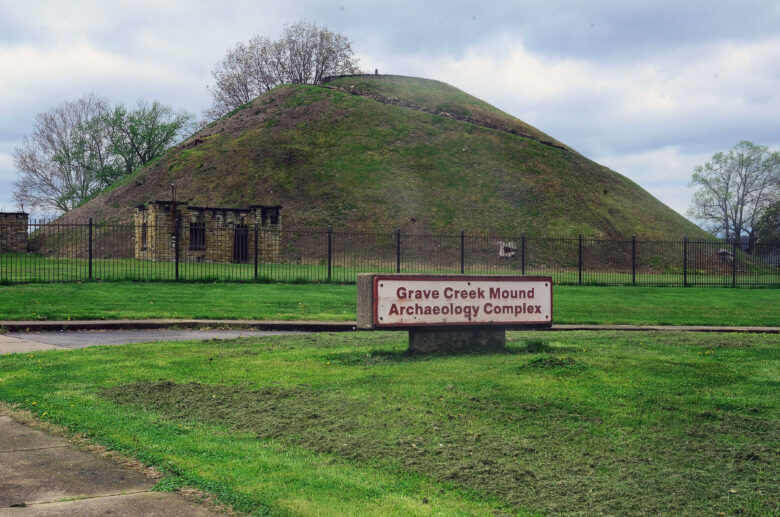
West Virginia: a mound with a saloon
Grave Creek Mound, 62 feet high, once had a saloon on top and a racetrack around it. A small stone tablet said to come from the 1838 dig turned out to have symbols apparently copied from a 1752 book.
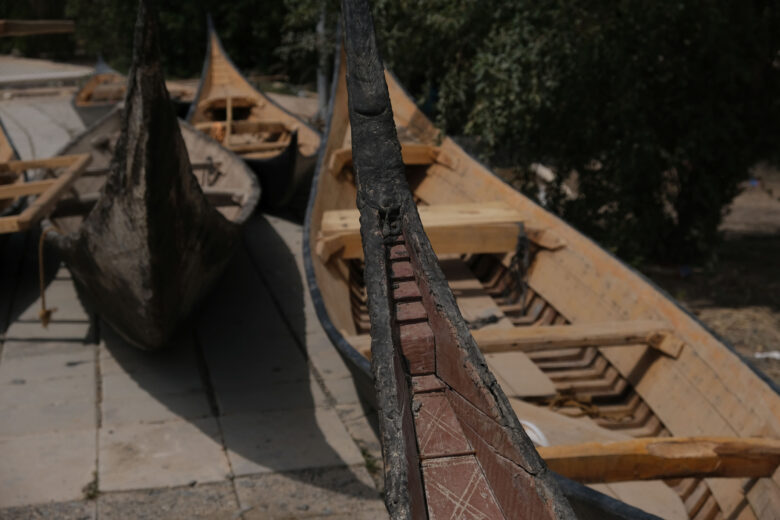
Wisconsin: canoes in Lake Mendota
Divers found 11 dugout canoes, one about 4,500 years old, the oldest ever recovered in the Great Lakes.
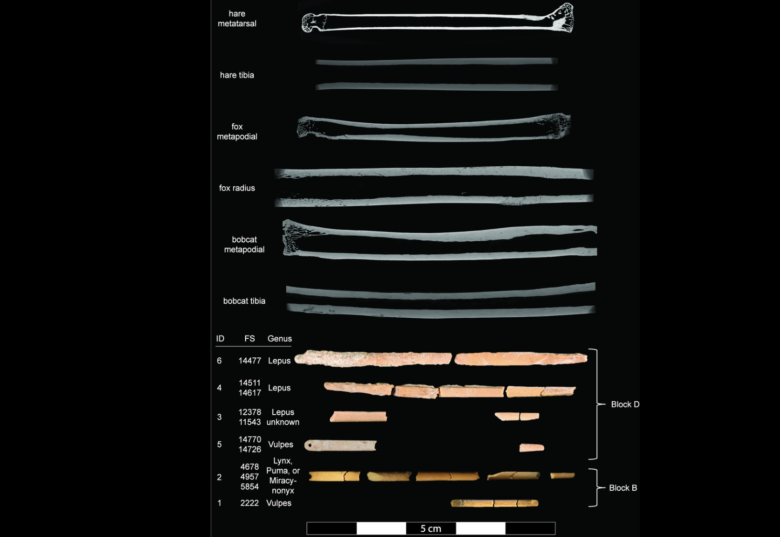
Wyoming: 13,000-year-old needles
Archaeologists found 32 needle fragments carved from the bones of foxes, bobcats, hares, and the extinct American cheetah. They’re the earliest evidence of tailored clothing.
The bottom line
Albert Miller’s groundhog hole yielded nearly two million artifacts and ecofacts. The Grave Creek Tablet was copied from a 1752 book.
Ask us! What questions do you have about content, strategy, pop culture, lifestyle, wellness, history or more? We may use your question in an upcoming article!
Related:
- Archaeological finds that they still can’t fully explain
- Historical “discoveries” that turned out to be elaborate hoaxes
Like MediaFeed’s content? Be sure to follow us.
This article was syndicated by MediaFeed.co.