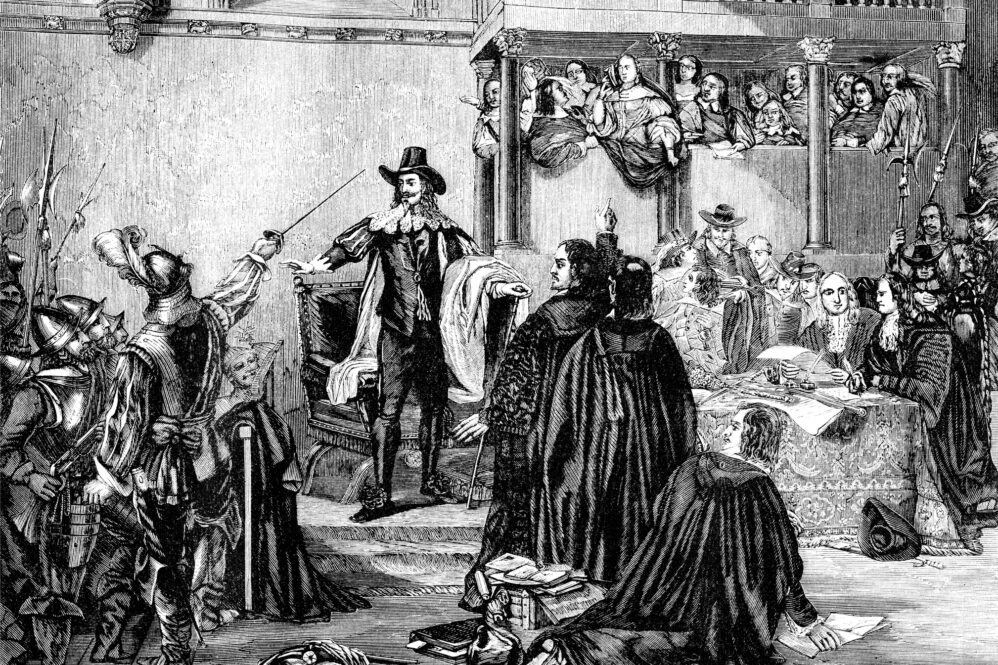
Strange historical laws that were technically never repealed
In 1313, King Edward II told his nobles to stop showing up to Parliament in armor. They raised armed retinues and camped outside London instead. The law he wrote never went away.
Six laws follow, in the order they were written, from 1297 to 1891: a medieval charter, that armor ban, a Quaker’s trip to Paris, a police decree about trousers, a Victorian rug rule, and an oath every Kentucky officeholder still swears.
One of them, the Paris decree, finally came off the books in 2013, after 213 years. The rest remain, and some have never been enforced.
Three clauses out of 63
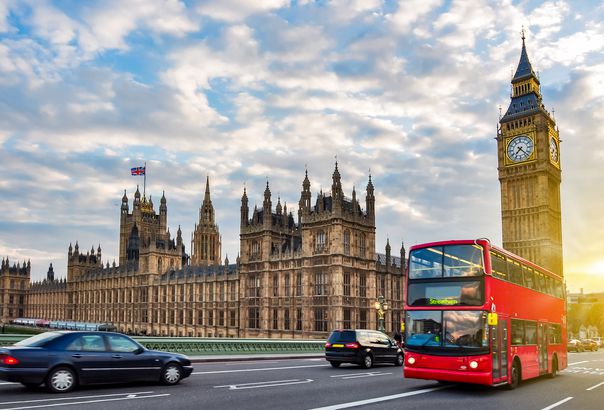
Parliament began repealing Magna Carta in 1828, and Statute Law Revision Acts between 1848 and 1948 repealed most of the 1297 version. Today only three clauses remain in force across most of the UK: freedom for the Church of England, the old liberties of the City of London, and a right to due legal process. Two legal experts have noted that, on their own, they have “a limited direct impact on modern law.”
“Come without all Force and Armor”
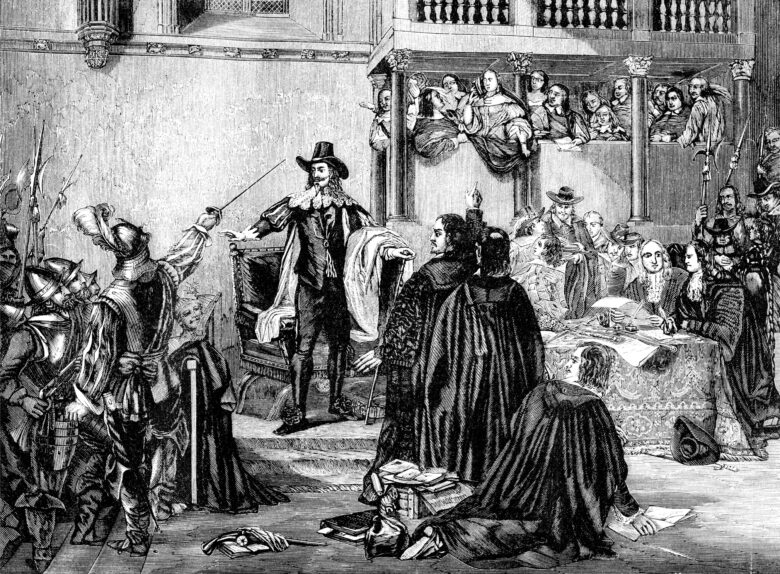
That’s the language of the 1313 statute, and it was at least Edward II’s fifth attempt to rein in nobles who used armed force as leverage at Parliament. It didn’t work then, and reports say the Earl of Lancaster still carried weapons until 1319. The statute remains in force, and the Crown Prosecution Service says it’s unaware of any modern prosecutions.
The Logan Act
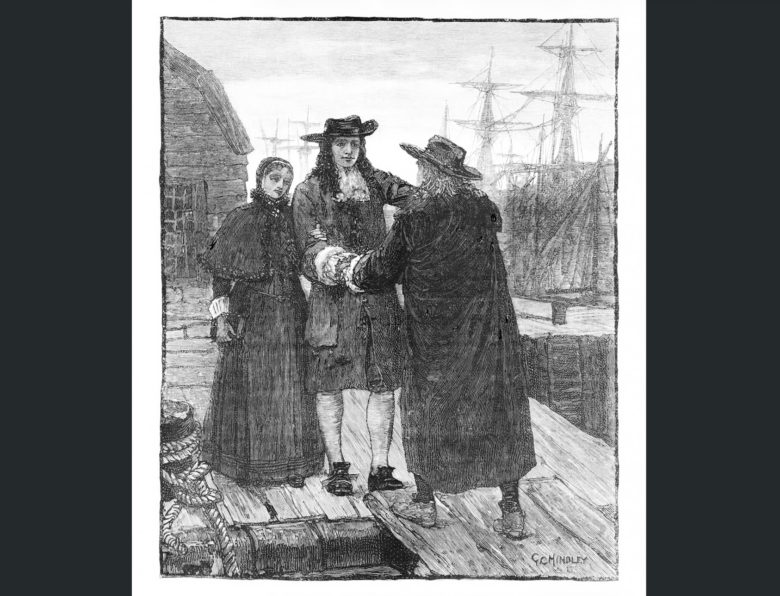
George Logan, a Philadelphia Quaker and doctor, traveled to Paris in 1798 with a letter of introduction from Vice President Thomas Jefferson, hoping to head off war with France on his own. Congress was furious. John Adams signed the act that bears his name on January 30, 1799, and Logan later served in the Senate, where he tried and failed to get it repealed.
The law is still on the books. Only two people have ever been indicted under it, and neither was convicted.
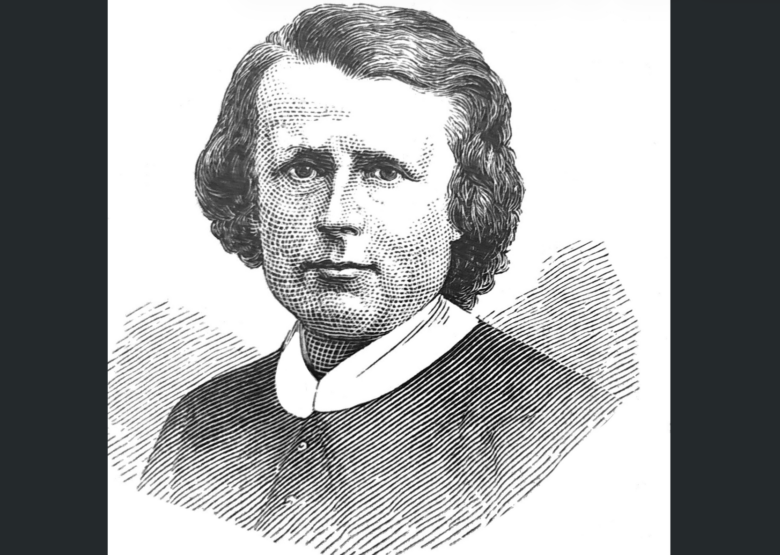
Rosa Bonheur needed a permit to wear trousers
On November 7, 1800, the Paris police prefecture ordered women who wanted to dress as men to get permission first. In the 1850s, the painter Rosa Bonheur had to ask the police for permission to study animals at sheep and cattle markets. Later amendments allowed women to wear trousers while holding bicycle handlebars or horse reins.
Women’s rights minister Najat Vallaud-Belkacem declared it implicitly repealed on January 31, 2013, calling it a museum piece. By then it had lasted 213 years, though it had gone unenforced for roughly eight decades.

Why can’t you beat a rug in London?
Because Section 60 of the Metropolitan Police Act 1839 makes it illegal to beat or shake a carpet or rug in the street. Shaking a doormat is fine before 8 a.m. The same act bans carrying planks on the pavement and firing a cannon within 300 yards of a house.
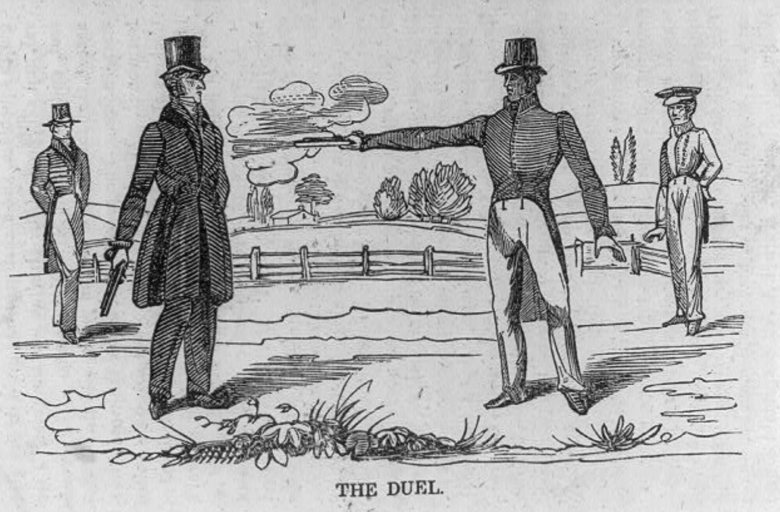
Kentucky officeholders swear they’ve never fought a duel
Under Section 228 of the state constitution, legislators, officers, and members of the bar swear that they haven’t fought a duel with deadly weapons, sent or accepted a challenge, or acted as a second. Lawmakers added a dueling provision to the 1849 constitution, but many would-be duelists resorted to the de facto duel, and the oath text dates to 1891.
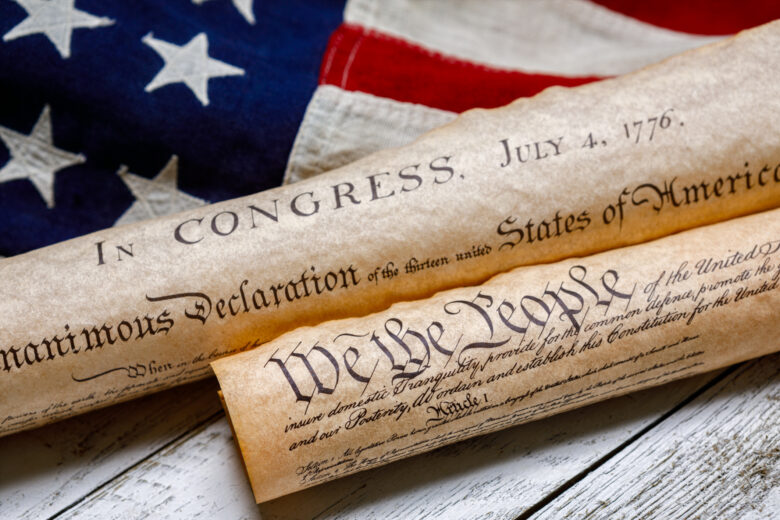
The bottom line
Armor, rugs, duels, and private diplomacy still carry the force of law somewhere. The only one anyone bothered to remove was the one about trousers.
Ask us! What questions do you have about content, strategy, pop culture, lifestyle, wellness, history or more? We may use your question in an upcoming article!
Related:
- Your cozy (or spooky!) Halloween movie, according to your horoscope
- Some of the most surprising record deals in music history
Like MediaFeed’s content? Be sure to follow us.
This article was syndicated by MediaFeed.co.