The worst jobs in human history that no longer exist today
In 1562, an English ordinance said men who emptied a town’s cesspits couldn’t carry a single load until after nine o’clock at night.
Elsewhere on the same list of jobs nobody wanted: an old man wading barefoot into a pond and letting leeches attach to his legs, an elderly woman trailing dog walkers down a London street with a pail, a boy of nine picking slate out of coal. Each had a wage and a reason to keep going.
Six jobs follow, from Tudor England to a Pennsylvania coal mine in 1911. Each is documented, and each is gone.
Nine o’clock at night, by law
Gong farmer was the Tudor term for someone who dug human waste out of privies and cesspits, and the work was only allowed after dark. A 1562 text barred gong farmers from carrying waste until after nine at night, and required them to take it out of town. The pay was good, but it didn’t come with respect, and neighbors tended to avoid them. In 1325, a gong farmer named Richard the Raker fell into a cesspit whose ceiling had rotted and drowned.

An old man, a pond, and leeches on his legs
In 19th-century Europe, doctors wanted medicinal leeches for bloodletting, and someone had to collect them. A leech gatherer waded barefoot into marshes, let the leeches attach to his legs, pulled them off, and sold them. The work was seasonal and poorly paid. William Wordsworth met one in 1802 and built a poem around the encounter, Resolution and Independence, which even notes that their numbers were falling. They stored the catch in jars until a doctor wanted it.
Who paid for dog droppings in Victorian London?
Tanneries did. “Pure” was a Victorian euphemism, and the pure-finders, mostly elderly women, scoured London streets for dog droppings and sold them by the pailful to tanneries in Bermondsey. Henry Mayhew documented the trade in London Labor and the London Poor, and Londonist still ranks it among the worst jobs of Victorian London.

A nine-year-old up to his knees in the Thames
Mayhew interviewed one. The boy worked every day with 20 or 30 others who, at daybreak, rolled up their trousers, picked coal out of the river mud, and often ran pieces of glass and long nails into their bare feet. At low tide, mudlarks scavenged coal, rope, old iron, bones, and copper nails. Mayhew called them among the most deplorable-looking people he had met.
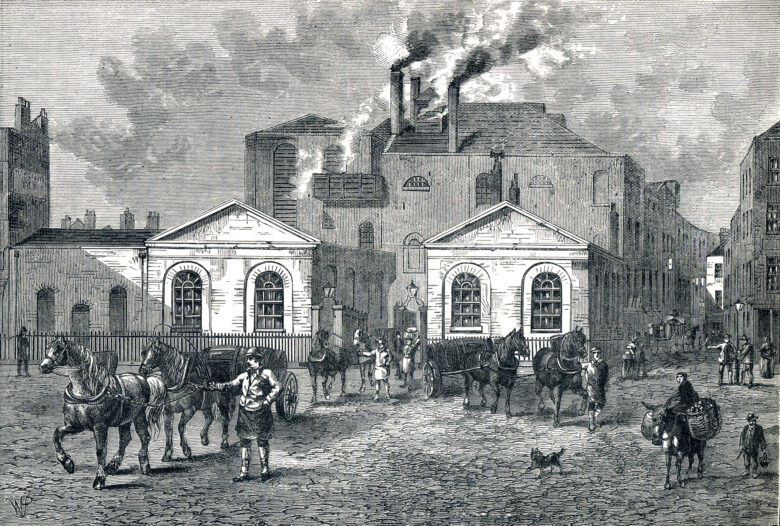
1,400 women walked out on July 5, 1888
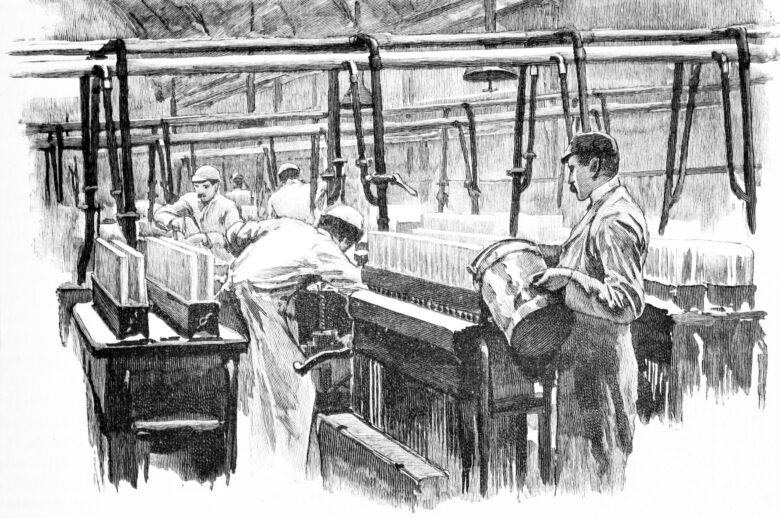
They worked at the Bryant & May match factory in Bow, East London, where they made match heads with white phosphorus. Its vapor caused phossy jaw, a painful disease of the jawbone; the first sign was toothache and swollen cheeks. Social reformer Annie Besant published “White Slavery in London” in The Link on June 23, and within two weeks 1,400 women walked out. Sarah Chapman was elected president of the new union.
The strike won better pay and conditions, but England didn’t ban white phosphorus until 1910.
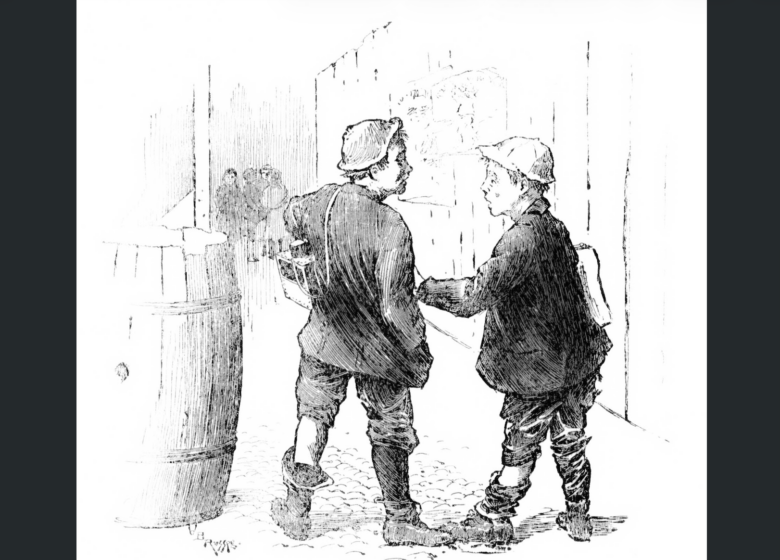
“They were very suspicious of my motives”
That’s what photographer Lewis Hine wrote about a group of breaker boys he photographed on a cold Sunday in January 1911 in Pittston, Pennsylvania. Boys younger than ten picked slate out of coal as it ran past them, in dust so thick at times that Hine couldn’t see across the breaker. The National Child Labor Committee had hired him in 1908 to photograph children at work.
Two years later, a machine at a Scranton breaker left 1% to 2% slate in the coal, down from 15% to 60% when boys did the picking.
The bottom line
A sewer system, a fading medical fashion, a factory strike, a photographer, and one coal-picking machine ended these jobs. The people who did them rarely got the credit.
Ask us! What questions do you have about content, strategy, pop culture, lifestyle, wellness, history or more? We may use your question in an upcoming article!
Related:
- Your cozy (or spooky!) Halloween movie, according to your horoscope
- Some of the most surprising record deals in music history
Like MediaFeed’s content? Be sure to follow us.
This article was syndicated by MediaFeed.co.