
Strange wild animal behaviors that experts still can’t fully explain
Thirty. That’s how many distinct mourning behaviors one researcher has documented in elephants alone. Trunk touches, vigils, and a species-specific fixation on skulls that nothing else in the animal kingdom quite matches.
Five more behaviors below sit in that exact same gap between observed and explained.

Elephants
Researcher Joyce Poole has cataloged over 30 distinct mourning behaviors, including trunk caresses and multi-day vigils. Herds show far more interest in elephant skulls specifically than in bones from any other species, walking past rhino or hippo remains entirely while lingering for hours over their own dead.
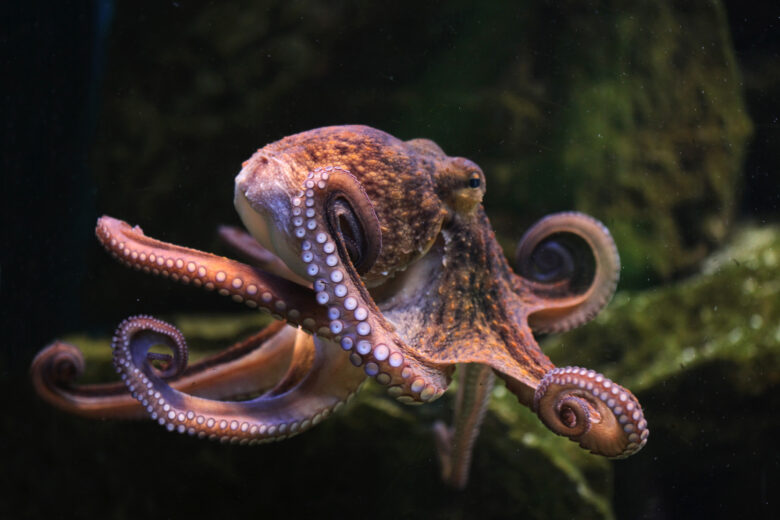
“What is an octopus actually experiencing right now?”
That’s the genuine question researchers ask while watching color ripple across a sleeping octopus’s skin, a pattern resembling REM activity in dreaming mammals. Nobody has an answer yet. Understanding it properly could reshape how science thinks about consciousness in general.
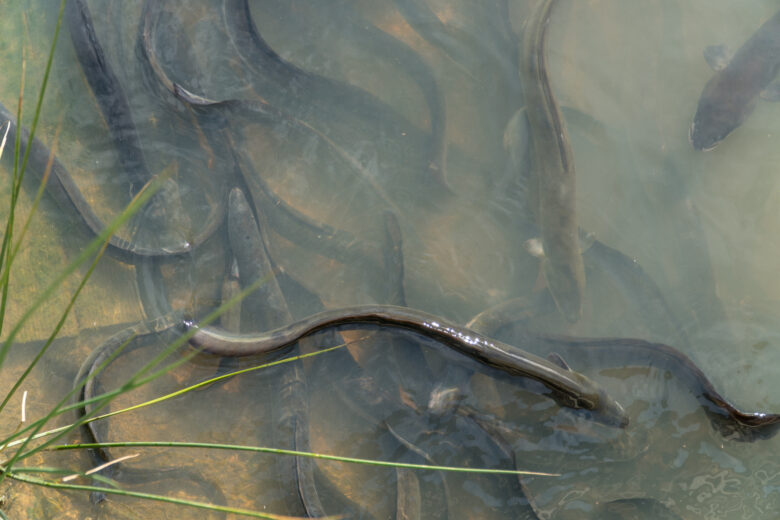
Five tagged eels reached the exact spawning ground in 2018, but scientists never witnessed a single mating
Scientists tracked them by satellite from the Azores to the Sargasso Sea, confirming a century-old theory about where the species breeds. The actual spawning event remains completely unobserved, even now, even after following the right animals to the right water at the right time.

Two narwhals, caught on drone footage, doing something that looked exactly like a sword fight
Scientists still argue over whether the tusk works primarily as a sensory organ detecting salinity through thousands of nerve channels, or as a weapon for establishing dominance between rival males. Both sides have real evidence. Neither has won the argument.
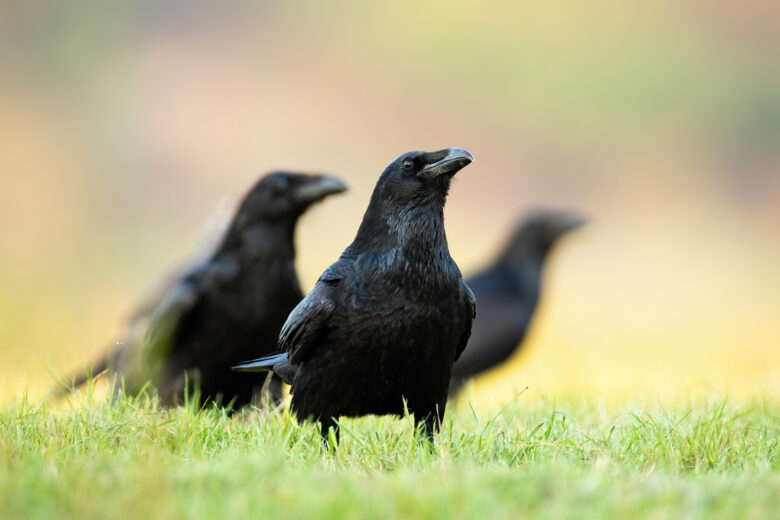
Dozens of crows, circling one dead bird
Biologists call these gatherings funeral assemblies, and the behavior seems to serve several purposes at once: threat assessment, social learning, maybe something closer to grief. Researchers remain split on how much of that last part is actually real.

The bottom line
People whose entire job is studying exactly this kind of thing have documented every behavior here, with real data behind every claim. The animals keep doing what they do regardless of whether anyone’s figured out why yet.
Ask us! What questions do you have about content, strategy, pop culture, lifestyle, wellness, history or more? We may use your question in an upcoming article!
Related:
Like MediaFeed’s content? Be sure to follow us.
This article was syndicated by MediaFeed.co.