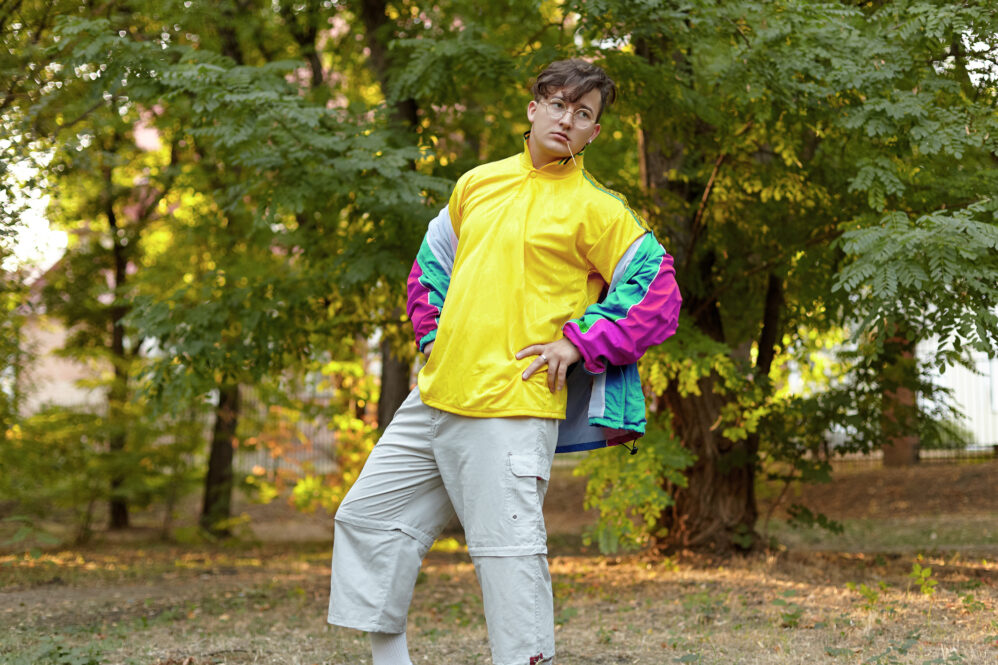
Old-school trends people once loved but would cringe at today
MC Hammer needed roughly 14 yards of fabric for a single pair of parachute pants. More material than most modern suits use for an entire outfit, and he wasn’t alone in wearing something that impractical on purpose.
What follows are six more examples of exactly that kind of commitment, each one a genuine staple of its decade before hindsight got involved.
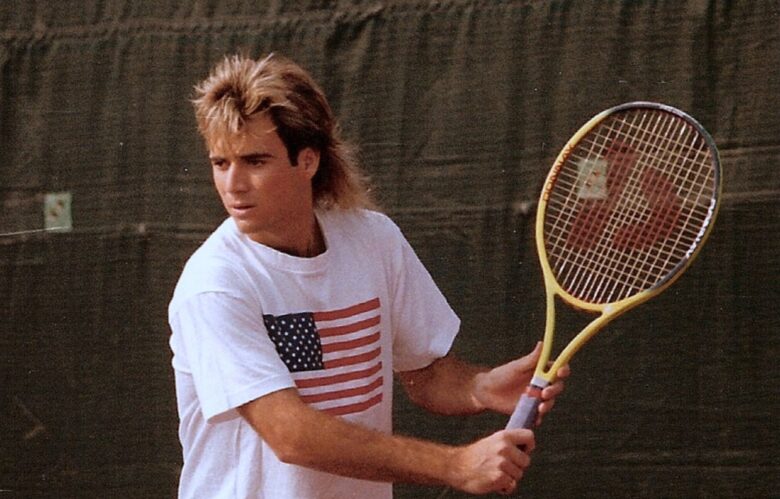
The mullet started on a rock star, not a barber’s suggestion
David Bowie wore it as Ziggy Stardust first. Short up front, long in back, and within a decade the Cars and Guns N’ Roses both had it on stage too. Nobody involved thought it was a joke. That’s the part that’s hard to explain now.

Two chemicals, one curl
Sodium hydroxide relaxer went on first. A separate curling solution followed. Michael Jackson made the result famous in the early 1980s, and skipping the daily activator spray meant waking up to brittle hair instead of glossy hair.

A regular curling iron couldn’t make this shape. Something heated and ridged had to.
Crimped hair needed its own tool, peaking in the mid-1980s. It rarely traveled alone. Loud makeup usually came along for the ride.

Shoulder pads actually started as football gear
Designer Elsa Schiaparelli borrowed the shape from athletic padding back in the 1930s, and the trend sat dormant for decades until Dynasty’s Joan Collins supercharged it for an entirely different audience. Width equaled authority for one entire decade. The next decade just saw a costume.
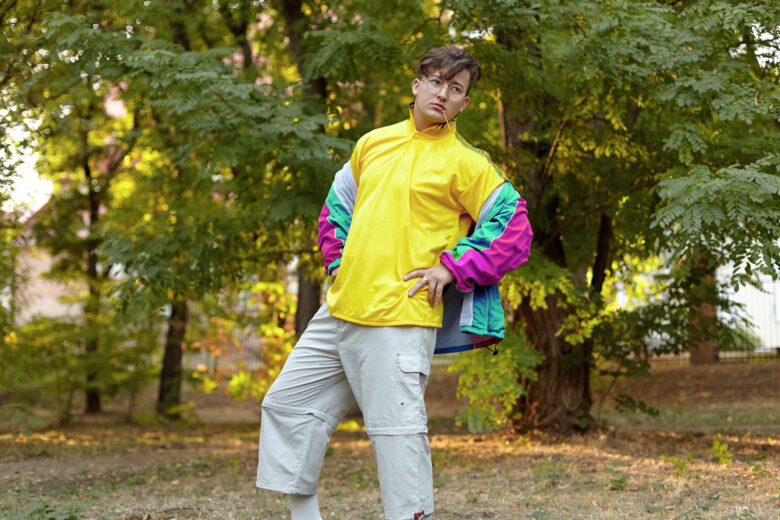
Fourteen yards
Same pants, same number, worth repeating. MC Hammer himself actually preferred the term “Hammer pants” over “parachute pants,” a distinction almost nobody bothered to honor at the time. Baggy, pleated, loud enough with every step to announce someone before they turned the corner. Good for almost nothing except breakdancing. Built for exactly that.

A shirt that changed color wherever a body actually sweated
Hypercolor ran on thermochromic dye, developed with a Japanese chemical company and packed into microcapsules woven into the fabric. The first time anyone raised their arms in public, hand prints and underarm stains appeared in a completely different shade than the rest of the shirt. Permanently. In front of everyone.

The bottom line
Every trend here made sense inside its own decade, tied to one song, one celebrity, one specific idea about what looked impressive. None of that context made it out alive.
Ask us! What questions do you have about content, strategy, pop culture, lifestyle, wellness, history or more? We may use your question in an upcoming article!
Related:
- Historical “discoveries” that turned out to be elaborate hoaxes
- Some of the most surprising record deals in music history
Like MediaFeed’s content? Be sure to follow us.
This article was syndicated by MediaFeed.co.