Odd historical discoveries that raised more questions than answers
Some archaeological finds close the book on a mystery. Others crack open five new ones the moment they’re pulled out of the ground. Five discoveries below did the second thing, upending assumptions that had stood for decades and leaving researchers with more homework than answers.
Göbekli Tepe
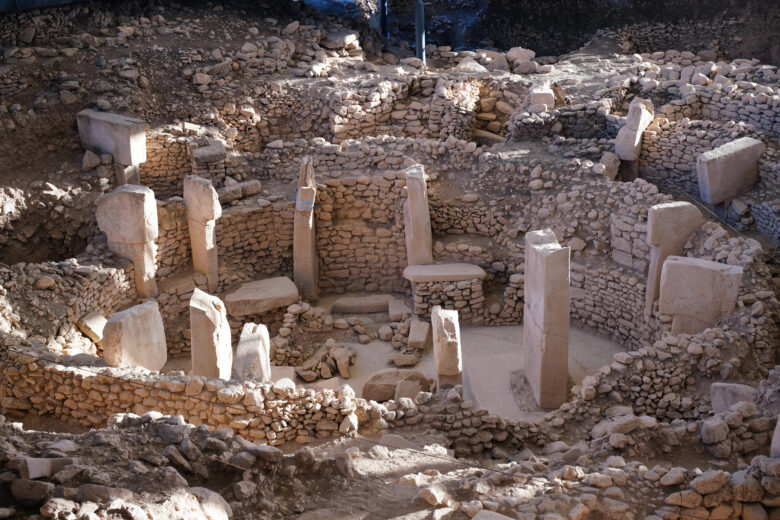
Built roughly 9600 BCE in southeastern Turkey, this monument predates Stonehenge by about six millennia. The long-standing assumption held that monumental architecture required settled agriculture first. This site flipped that timeline: hunter-gatherers built it before they had domesticated a single crop. Someone also deliberately buried the whole complex in antiquity, for reasons nobody has ever explained.
Millions of symbols; zero people alive who can read them
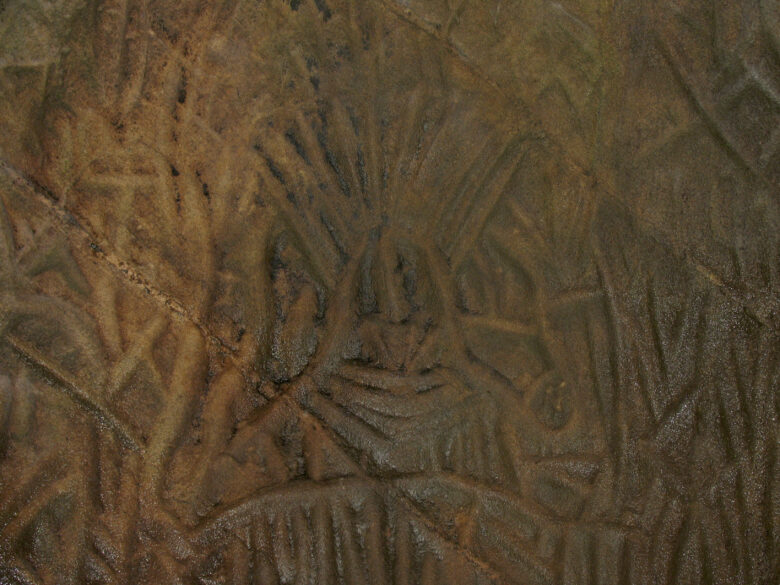
The Indus Valley script survives across what’s now Pakistan and northwest India, dating back over 4,000 years. Unlike Egyptian hieroglyphs or Mayan script, both cracked using bilingual inscriptions, the Indus script has no equivalent Rosetta Stone. Some scholars still debate whether it’s a full writing system at all, rather than a set of symbolic markers with no linguistic structure behind them.
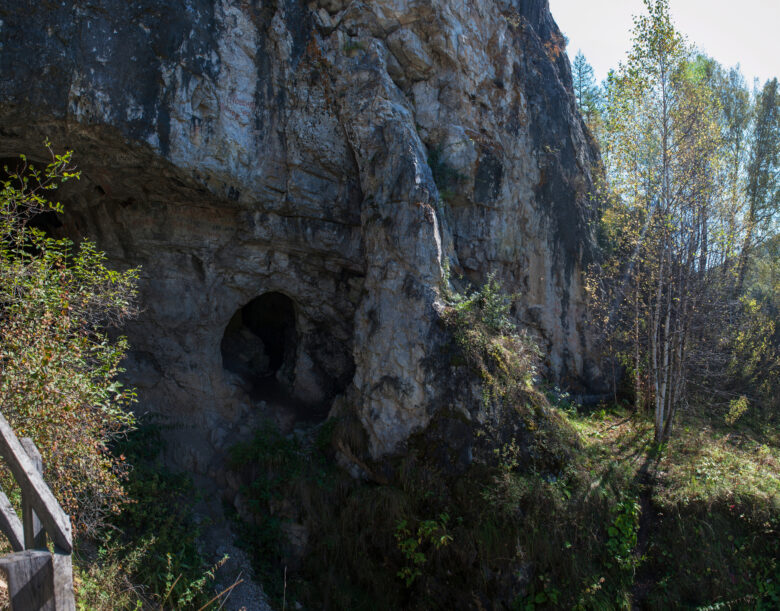
A finger bone
Just one, found in Siberia’s Denisova Cave and conclusively identified in 2010. Researchers extracted DNA from it and found something that belonged to neither a modern human nor a Neanderthal, but to an entirely separate early human species. Genetic traces of this group, now called Denisovans, still show up in modern populations across parts of Asia and Oceania, complicating exactly how many times ancient humans interbred, and with whom.
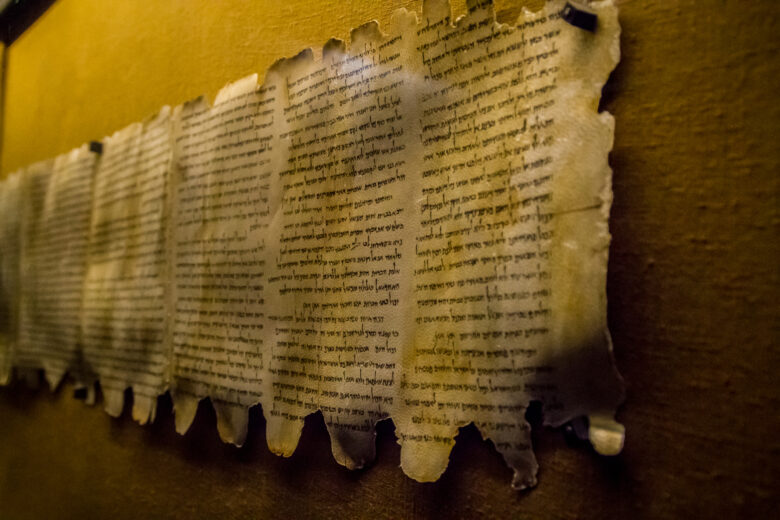
Desert caves held proof that the Bible everyone assumed was fixed had actually been circulating in several different versions
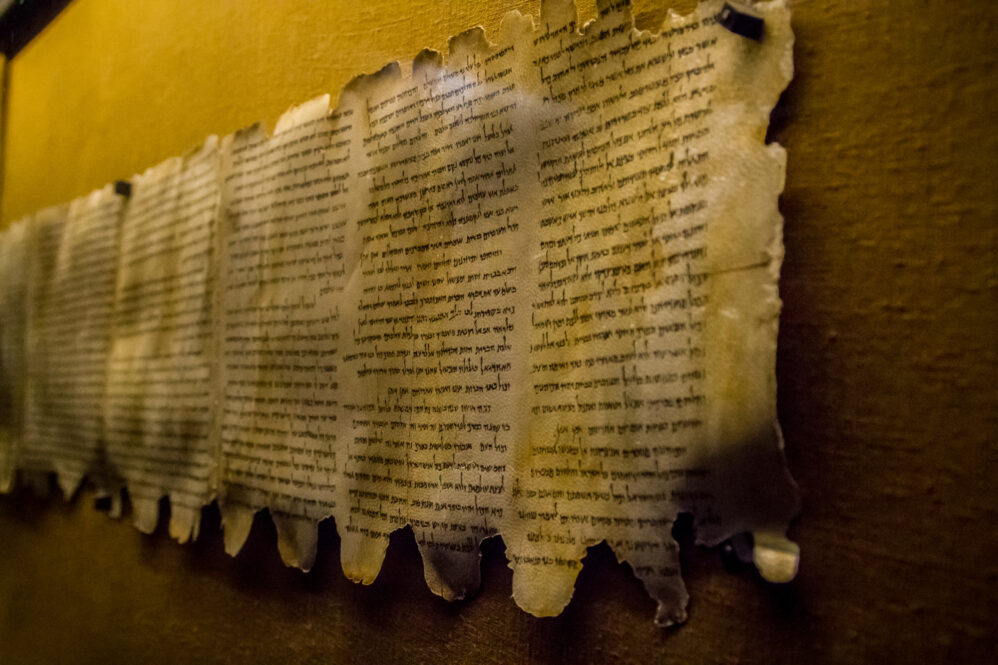
The Dead Sea Scrolls, discovered starting in 1947 near Qumran, included some of the oldest surviving manuscripts of the Hebrew Bible, predating previously known copies by roughly a thousand years. Rather than confirming one single, unchanged text, the scrolls revealed multiple competing versions of the same scripture side by side, complicating the tidy narrative of a stable, unchanging biblical tradition.

The bottom line
Every discovery here handed researchers a genuine breakthrough and a genuine headache in the same shovelful of dirt. Solving one mystery, it turns out, is a fairly reliable way to uncover three more standing right behind it.
Ask us! What questions do you have about content, strategy, pop culture, lifestyle, wellness, history or more? We may use your question in an upcoming article!
Related:
- Historical “discoveries” that turned out to be elaborate hoaxes
- Some of the most surprising record deals in music history
Like MediaFeed’s content? Be sure to follow us.
This article was syndicated by MediaFeed.co.