What to Keep and What to Shred
Paper has a way of piling up. Bank statements get tucked into drawers, tax documents find their way into folders, and receipts, warranties, insurance paperwork, and old bills seem to multiply throughout the year. Before long, it can be difficult to remember what is important and what is simply taking up space.
While everyone’s recordkeeping needs are different, understanding the purpose of common financial documents can make staying organized much easier. It can also help protect personal information. Knowing which documents may still be useful, which deserve long term safekeeping, and which may be ready for secure disposal is a good place to start.
Why Organized Financial Records Matter
Keeping financial records organized is about more than having a tidy filing cabinet. There may be times when you need to verify a transaction, reference an insurance policy, locate information about a loan, review an old tax document, or provide paperwork related to a major purchase. Knowing where those documents are can make the process much easier.
Financial paperwork can also contain sensitive information, including account numbers, addresses, signatures, and other personal details. Whether records are stored on paper or electronically, keeping them in a secure location can help protect that information from unauthorized access.
Some Documents Deserve Long Term Safekeeping
Certain personal records are important enough that many people keep them indefinitely. Birth certificates, Social Security cards, passports, marriage certificates, property records, and other important legal documents may be difficult or time consuming to replace and can be needed at different points throughout life.
These documents generally deserve a secure location rather than an everyday desk drawer. Depending on the document and individual circumstances, that might mean a secure home filing system, safe, safe deposit box, or another protected location.
Tax Records May Need to Stay Around for a While
Tax paperwork is another category that should receive careful consideration before anything goes into the shredder. Tax returns, W-2s, 1099s, receipts, and other supporting documents may need to be retained for a period of time depending on the circumstances.
Because tax situations and applicable record retention requirements can vary, there is no single rule that applies to every document or taxpayer. The IRS provides information about federal tax recordkeeping requirements, and a qualified tax professional can provide guidance for an individual’s particular situation.
The important thing is to avoid automatically discarding tax related paperwork simply because another tax season has passed.
Keep Current Loan, Insurance, and Major Purchase Records Accessible
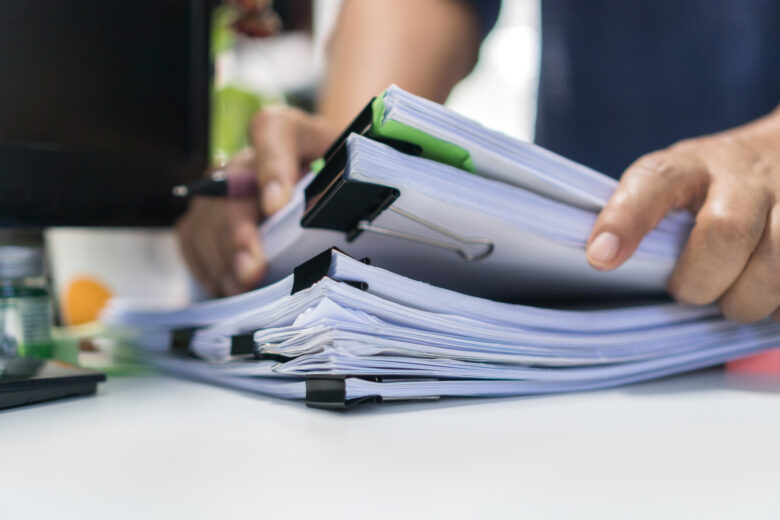
Documents associated with active loans, insurance policies, property, vehicles, and major purchases can also be useful while the underlying account, policy, warranty, or ownership record remains relevant.
Loan paperwork may contain information about the terms of an agreement, while insurance documents can provide details about coverage and policy information. Receipts and warranties for major purchases may also be useful if a product needs service or replacement.
Rather than keeping every piece of paper forever, it can be helpful to periodically review these records and determine whether they still relate to something you currently own, use, or need to document.
Customers interested in learning more about the lending products available through TBO Bank can explore our borrowing options.

When Is It Time to Shred?
Eventually, many financial documents reach a point where they are no longer needed. Old utility bills, outdated account statements, expired warranties, duplicate paperwork, and receipts for items you no longer own are examples of documents that may eventually outlive their usefulness.
Before disposing of anything, consider whether the document is still needed for taxes, warranties, insurance, legal records, an active account, or another purpose. If there is uncertainty about a legal or tax record, it may be worth confirming the applicable requirements before getting rid of it.
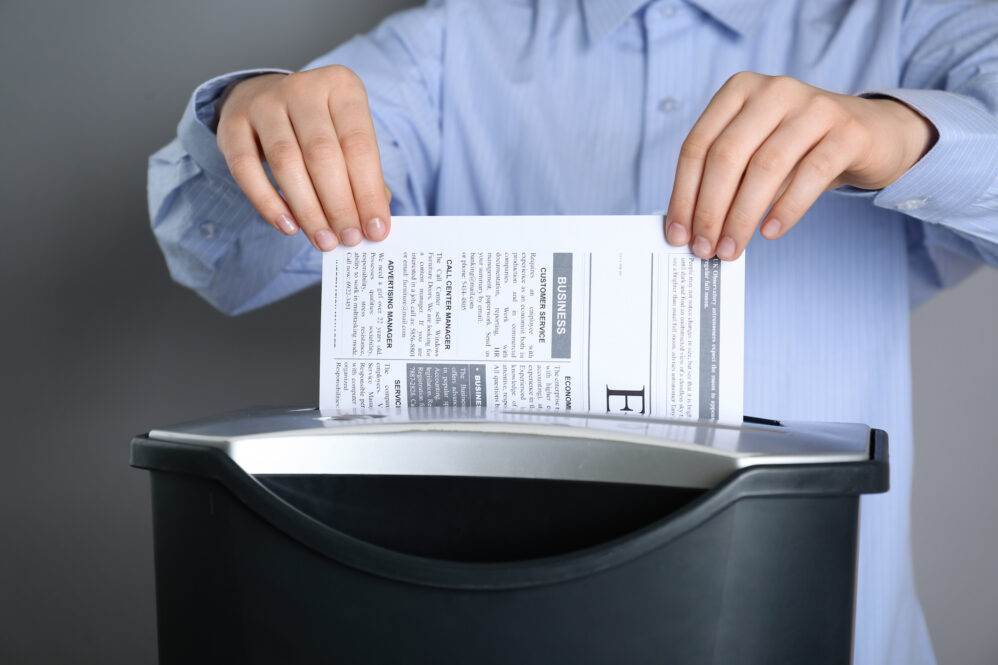
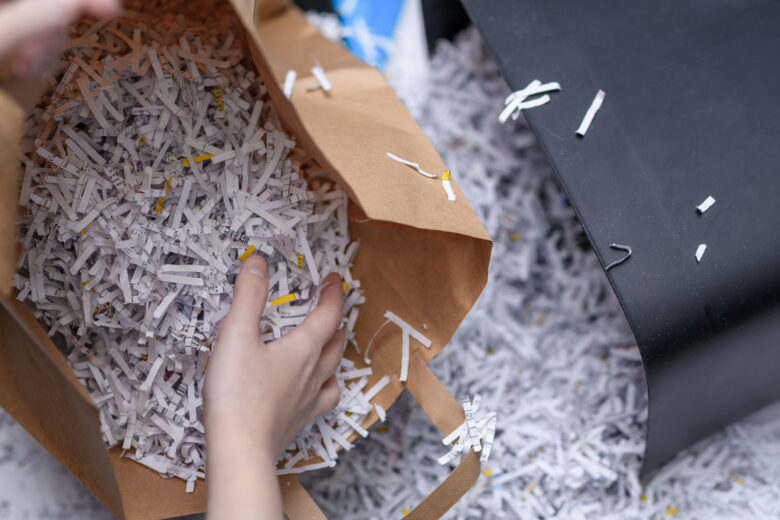
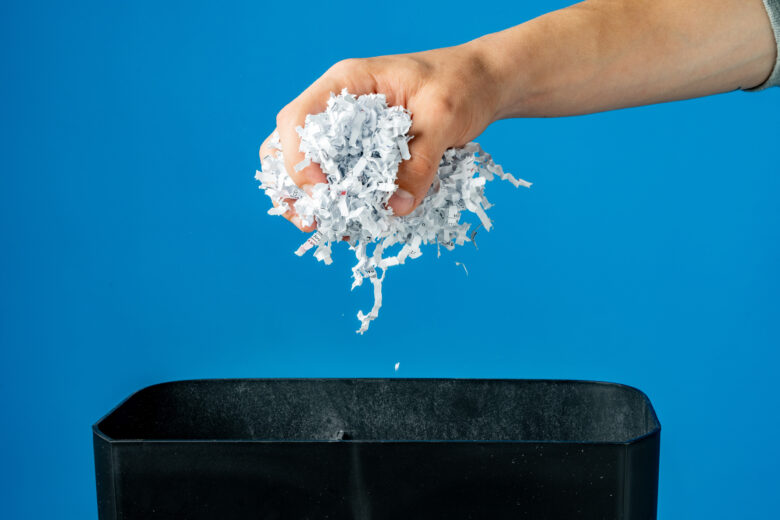
Once a document containing sensitive information is no longer needed, simply placing it in the trash may not be the best way to dispose of it. Shredding documents containing account numbers, Social Security numbers, signatures, or other personal information can make that information more difficult to recover. Cross cut shredders provide additional protection by cutting documents into smaller pieces.
Digital Banking Has Changed the Filing Cabinet
One reason many households have less financial paperwork today is the growth of electronic statements and digital banking. Instead of storing years of paper statements in a filing cabinet, customers may be able to securely access account information electronically.
TBO Bank customers can learn more about available account access and digital features through TBO Bank Mobile Banking. Using electronic banking tools can make account information easier to access while reducing some of the paper that accumulates at home.
Digital records still require organization, however. Clearly labeled folders can make electronic documents easier to locate, and important files may need appropriate backup protection. Strong passwords and good online security practices are also important when financial information is stored or accessed digitally.
TBO Bank provides additional information about protecting personal and financial information through our Online Security resources.

A Simple System Can Make a Big Difference
Organizing financial paperwork does not need to become a major project. The goal is simply to create a system that makes important information easier to locate while preventing unnecessary documents from accumulating indefinitely.
Some people prefer paper folders organized by category or year. Others rely primarily on electronic records. Many households use a combination of both, keeping important original documents securely stored while accessing routine statements and account information digitally.
There is no single filing system that works for everyone. What matters is knowing where important information is located and protecting records that contain sensitive personal or financial information.

TBO Bank Is Here to Help
At TBO Bank, we believe everyday banking should be straightforward and easy to understand. Whether you prefer traditional paper statements or convenient digital banking services, having access to your account information is an important part of managing everyday banking.
Customers can explore TBO Bank Personal Banking to learn more about available accounts and services. Our teams in Orrick, Missouri, and Prairie Village, Kansas, are also available to answer questions about TBO Bank accounts, statements, and digital banking features.
Community banking has always been about more than transactions. It is about having people available when questions arise and combining modern banking technology with the personal relationships customers value.
Final Thoughts
Knowing what to keep and what to shred can make managing financial paperwork much simpler. Important personal records, applicable tax documents, active loan paperwork, insurance information, and records associated with major purchases may deserve a place in your files, while outdated documents that are no longer needed may be ready for secure disposal.
The same principle applies to digital records. Keeping important information organized and protecting sensitive financial data can make documents easier to find while reducing unnecessary clutter.
At TBO Bank, we are proud to combine convenient banking tools with the hometown service and personal relationships that have always been an important part of community banking.
Like MediaFeed’s content? Be sure to follow us.
This article originally appeared on TBO Bank and was syndicated by MediaFeed.co.