Forgotten ’70s celebrities who were once household names
Fame in the 1970s didn’t need a screen. Plenty of the era’s biggest names built an entire reputation on one televised moment, one stunt, one race against a rival nobody expected them to beat, and the recognition that followed could rival anything a hit sitcom produced. Sometimes a single broadcast was all it took to become a fixture in lunch boxes, magazine covers, and dinner-table conversation across the country.
What’s stranger is how completely that recognition faded once the moment passed. These five names filled headlines for a genuine stretch of years, then largely disappeared from casual memory, remembered now mostly by people who happened to be watching at the exact right time.
300 jumps and nearly every bone in his body was broken
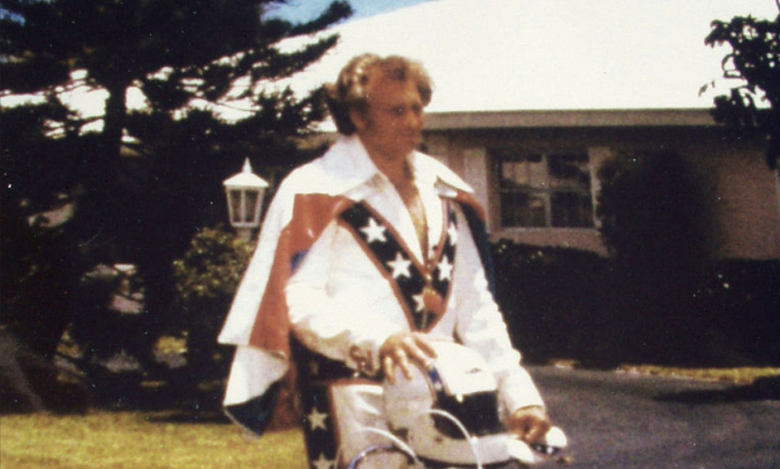
Evel Knievel’s most famous stunt actually came early, clearing the fountains at Caesars Palace back in 1968. Real fame came later: toy figures, lunch boxes, and two feature films built around his own life. His failed 1974 attempt to clear Snake River Canyon on a rocket-powered motorcycle became one of the decade’s most-watched broadcasts. Failure and all, somehow that only made him bigger.
Mark Spitz
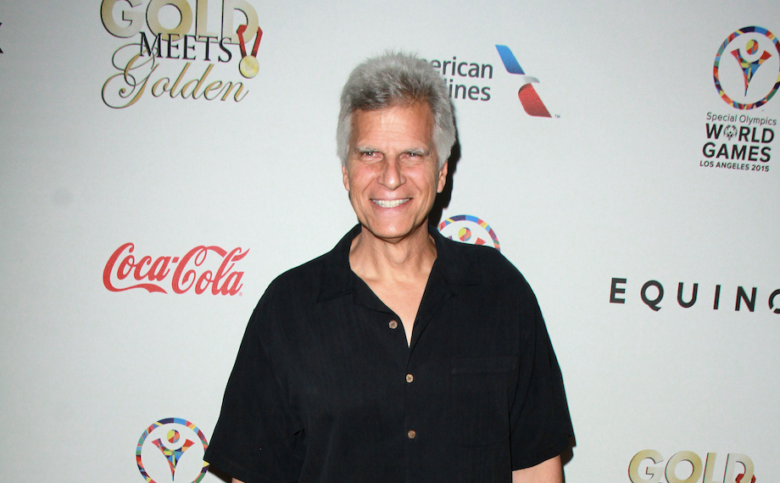
Seven gold medals, seven world records, all in a single Olympics. Munich, 1972. His agent reportedly called him the biggest hero since Lindbergh, and for a brief stretch afterward, Spitz genuinely was the hottest pin-up in the country, compared directly to Betty Grable in the press. Then he tried television and commercials. Critics tore both apart. The fame didn’t translate into anything, and Spitz faded from the spotlight nearly as fast as he’d filled it.
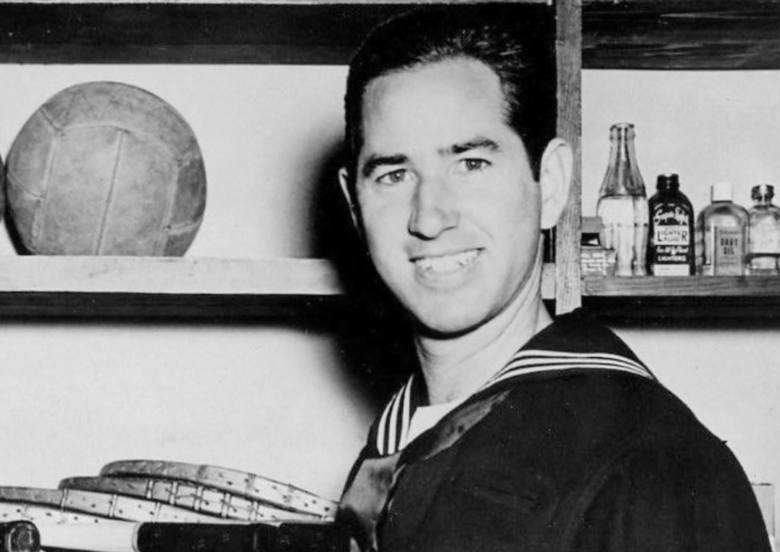
Why did 90 million people tune in to watch a 55-year-old man play tennis?
Because Bobby Riggs made sure they would. His provocative comments about women in sports built the entire premise for a 1973 nationally televised match against Billie Jean King, dubbed the Battle of the Sexes before the first serve was even hit. King won decisively. Riggs is remembered almost entirely for that one match now, a single afternoon eclipsing an entire career that came before it.

A Variety critic compared his concert debut to an atomic bomb
That was David Cassidy in 1971, a year after The Partridge Family turned him into the country’s biggest teen idol. Comic books, posters, branded bubble gum, sold-out concerts that drew screaming crowds most rock bands never saw. He spent the rest of his career trying to outrun that one role, and never fully managed it.

The first American supermodel spent years defined by a single poster
Cheryl Tiegs appeared on multiple Sports Illustrated Swimsuit Issue covers throughout the decade, but the 1978 pink bikini shot became the image, plastered on bedroom walls across the country and still cited decades later as one of the era’s defining photographs. Ask anyone under 40 today who she is, though, and most draw a blank.

The bottom line
None of these five needed a franchise, a recurring role, or even a second act. One moment, filmed and broadcast at exactly the right time, was apparently enough to fill an entire era, and just as easily enough to be forgotten once that era ended.
Ask us! What questions do you have about content, strategy, pop culture, lifestyle, wellness, history or more? We may use your question in an upcoming article!
Related:
- 10 feel-good movies to watch when you need a break
- The most controversial songs of the ’60s: Do you agree?
Like MediaFeed’s content? Be sure to follow us.
This article was syndicated by MediaFeed.co.