
Strange things people once believed were perfectly safe
Safety standards shift constantly, and what seemed completely normal a few decades ago can read like a genuine hazard now. Six examples below were marketed directly to families as safe, routine, even beneficial, years before anyone seriously questioned the premise.

An X-ray machine sat inside ordinary shoe stores, and kids lined up to use it
The shoe-fitting fluoroscope hit an estimated 10,000 machines nationwide by the early 1950s, letting kids wiggle their toes under live X-rays to check a shoe’s fit. TIME magazine later ranked it among the 100 worst ideas of the entire century, right alongside New Coke and the Edsel. Pennsylvania banned the machines first, in 1957; most other states followed over the next decade.

Pesticide trucks
Fogging trucks rolled through residential streets all summer long through the 1950s and 60s, blanketing beaches, backyards, and playgrounds in DDT to control mosquitoes. One widely reproduced photo shows children playing directly in the fog as a truck rolled past. The EPA banned DDT in 1972, after mounting evidence connected it to wildlife harm and long-term human health risks.
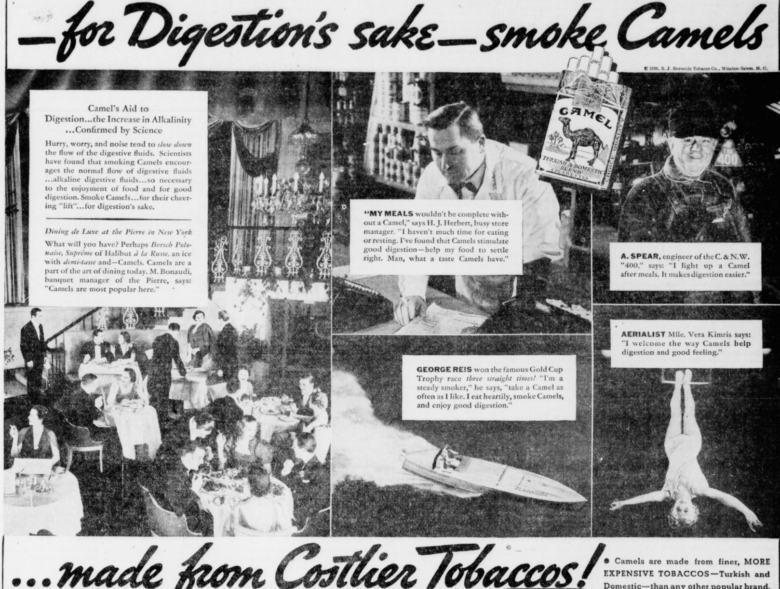
“For digestion’s sake, smoke Camels”
That’s an actual slogan R.J. Reynolds ran, part of a campaign claiming 113,597 doctors had been surveyed, and most of them smoked Camels. What the ads left out: doctors were handed free cartons right before being asked which brand they preferred. The campaign ran for six straight years before public health evidence finally made it untenable.
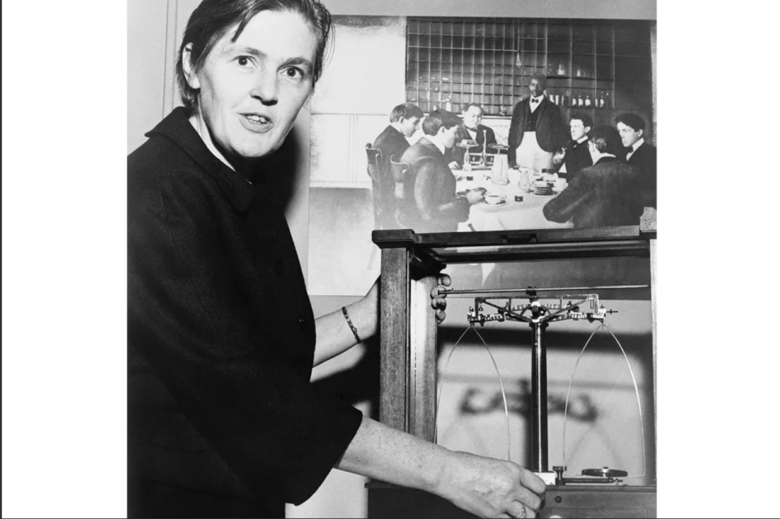
Why did doctors prescribe a sedative specifically for morning sickness?
Because thalidomide launched across 46 countries in the late 1950s, marketed as remarkably safe. More than 10,000 children were born with severe limb deformities before the connection became undeniable, an outcome researchers have since called the largest man-made medical disaster in history.
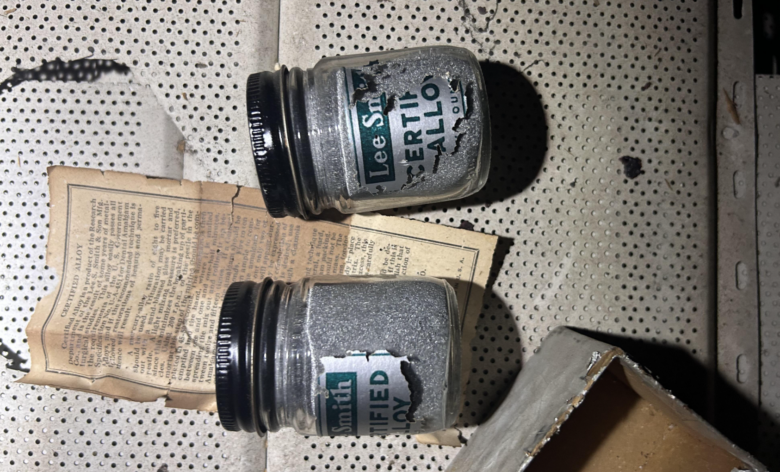
Mercury-laced teething powder
Parents rubbed it directly onto infant gums well into the 20th century, marketed as a gentle way to ease teething pain. The mercury caused a condition called acrodynia, or “pink disease,” in a subset of exposed infants, symptoms severe enough that it took decades of documented cases before manufacturers finally pulled the ingredient.

The bottom line
None of these products launched with any intent to cause harm. Each one simply arrived years before the science caught up, and by the time it did, the damage had already reached an entire generation.
Ask us! What questions do you have about content, strategy, pop culture, lifestyle, wellness, history or more? We may use your question in an upcoming article!
Related:
- Historical “discoveries” that turned out to be elaborate hoaxes
- Some of the most surprising record deals in music history
Like MediaFeed’s content? Be sure to follow us.
This article was syndicated by MediaFeed.co.