Archaeological finds that they still can’t fully explain
Science has a genuinely ironic streak running through certain discoveries. A researcher stands before something that could rewrite an entire chapter of human history, studies it for years with every tool available, and the honest answer in the end is still a shrug.
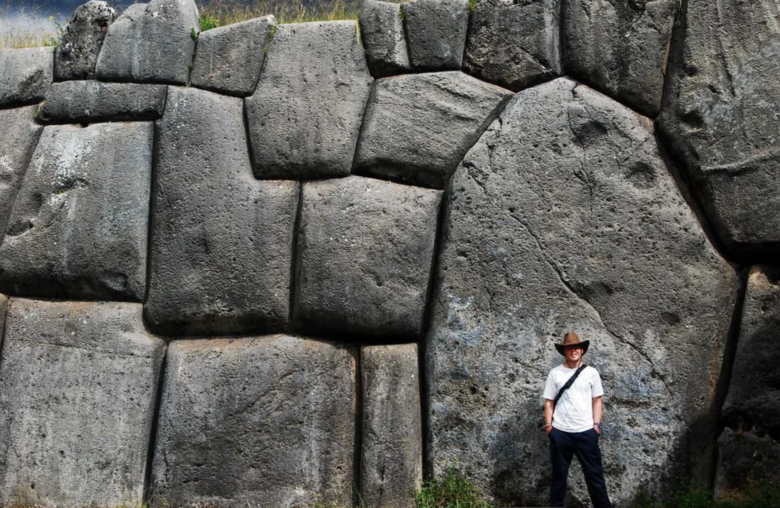
Sacsayhuamán’s stones weigh over 100 tons apiece, and nobody left a manual behind
No wheel. No rope. No written record of the method, anywhere. The walls near Cusco fit together so precisely that entire sections survived earthquakes that flattened everything built around them, with no mortar involved at any point. Here’s the detail that actually bothers archaeologists most, though: the stones aren’t even uniform in shape. That suggests Inca workers were improvising the design as they went, adjusting on the fly rather than following a fixed blueprint. Improvising with a hundred-ton block is not a casual decision.
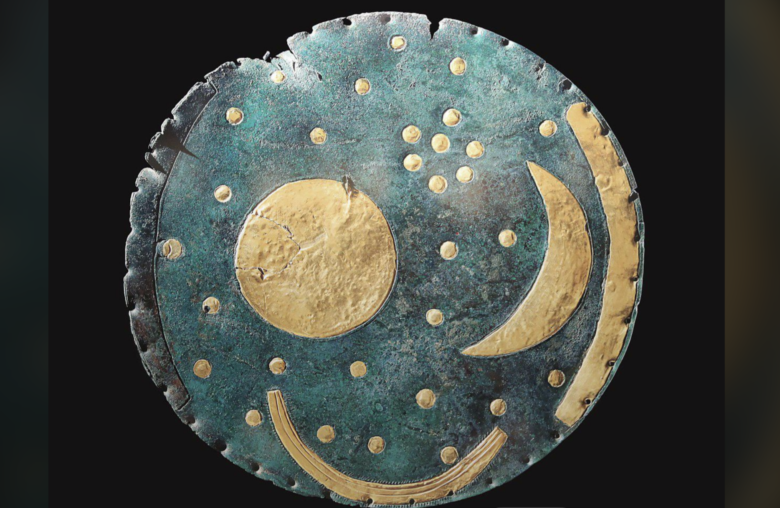
The Nebra Sky Disc
Bronze, buried for 3,600 years, unearthed in 1999. One arc on its surface has been called a solar boat, a rainbow, and possibly a comet, and nobody’s settled which.
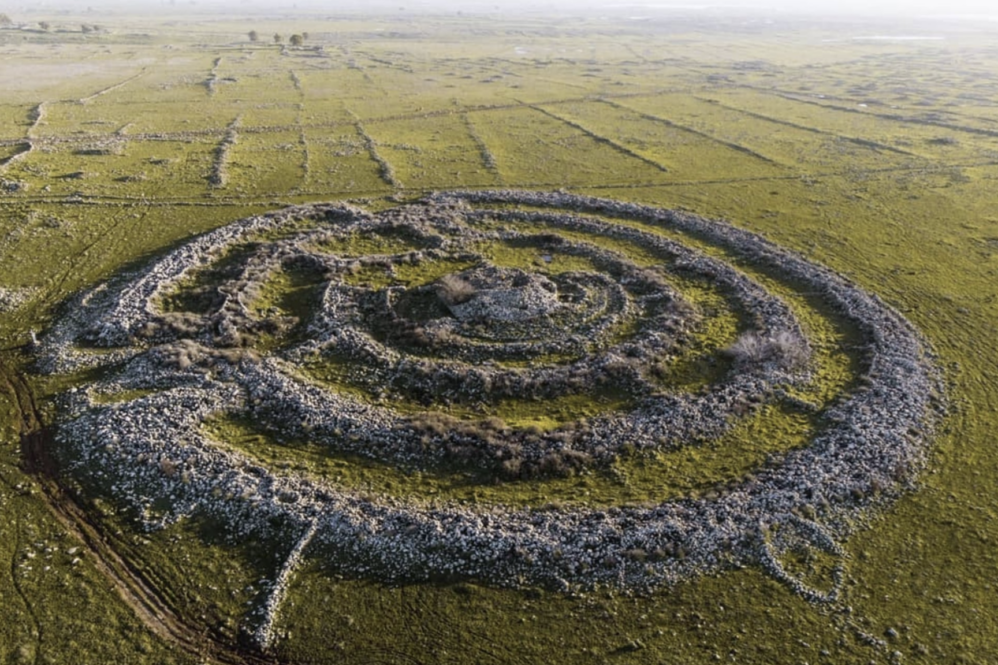
The ground itself moved out from under Rujm el-Hiri, and it took satellites to prove it
For decades, this Golan Heights stone circle was called Israel’s Stonehenge, with its gates supposedly aligned with the summer solstice sunrise when it was built around 3000 BCE. A 2025 study using satellite geomagnetic data found something nobody expected: the entire landscape has rotated counterclockwise and shifted tens of meters over the site’s lifetime, meaning whatever the gates once pointed at, they almost certainly don’t now. The astronomy theory may never have been wrong. The ground just stopped agreeing.
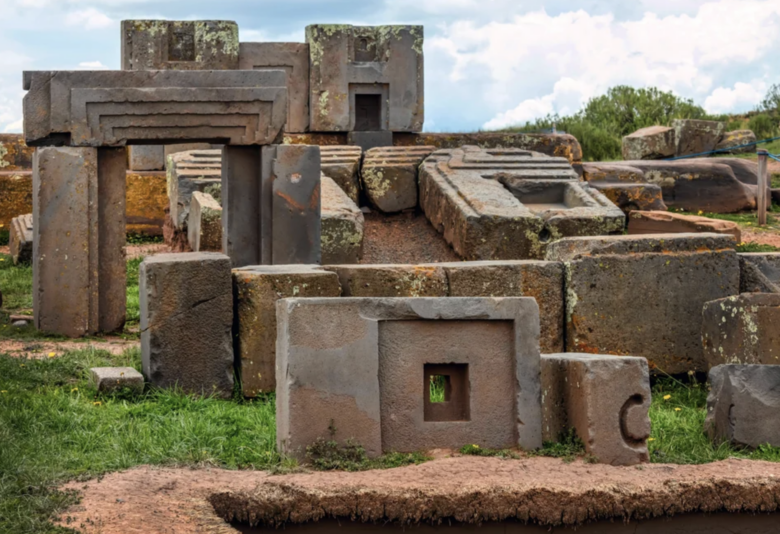
A civilization with zero machines left joints that look machine-cut
Puma Punku sits nearly 12,800 feet up in the Bolivian Andes. Stone blocks weighing up to 131 tons interlock with H-shaped joints so tight mortar was never necessary. The precision itself remains unexplained, and so does the transport question, since the source quarries sit miles away at an altitude where hauling anything heavy becomes its own separate nightmare.
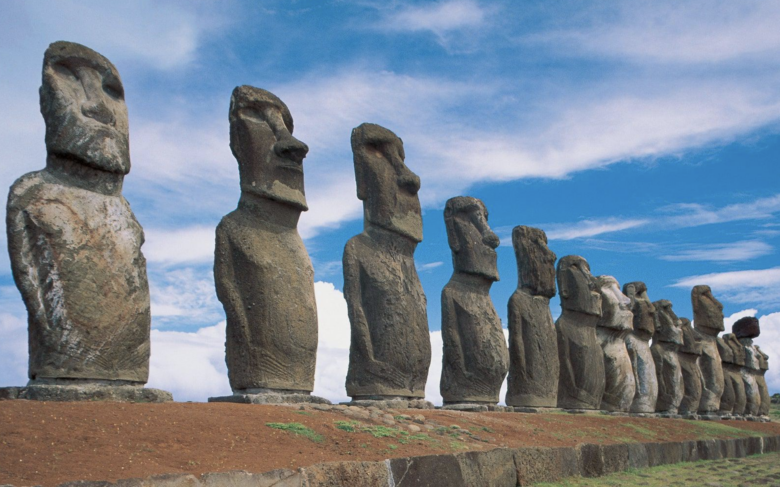
How does an 86-ton statue cross eight miles with no wheels and no draft animals anywhere on the island?
Two camps looked at Easter Island’s moai and reached completely opposite conclusions. One side argues for ramps and levers, straightforward physics, nothing exotic about it. The other insists on a rocking step-by-step “walk,” tilting the statue forward the way someone might walk a refrigerator across a kitchen floor. Draw your own conclusion about which sounds more plausible for moving something the weight of a school bus across volcanic terrain sometime between 1250 and 1500 CE.

The bottom line
Every mystery above got studied by someone whose entire career is built around solving exactly this kind of puzzle, with real tools and real funding behind them. The irony isn’t that the questions are hard. It’s that the harder the research goes, the more the ground moves before anyone can finish answering it.
Ask us! What questions do you have about content, strategy, pop culture, lifestyle, wellness, history or more? We may use your question in an upcoming article!
Related:
- Historical “discoveries” that turned out to be elaborate hoaxes
- Some of the most surprising record deals in music history
Like MediaFeed’s content? Be sure to follow us.
This article was syndicated by MediaFeed.co.