Weird historical facts about everyday life that schools never taught us
Ordinary daily life across history rarely survives in the tidy version taught in a classroom. The real texture of how people got through a day, whether that day involved a Nazi bombing raid or a train yard during the Great Depression, tends to be stranger and more resourceful than any textbook summary ever captures.
/ Reddit Forum / Reddit
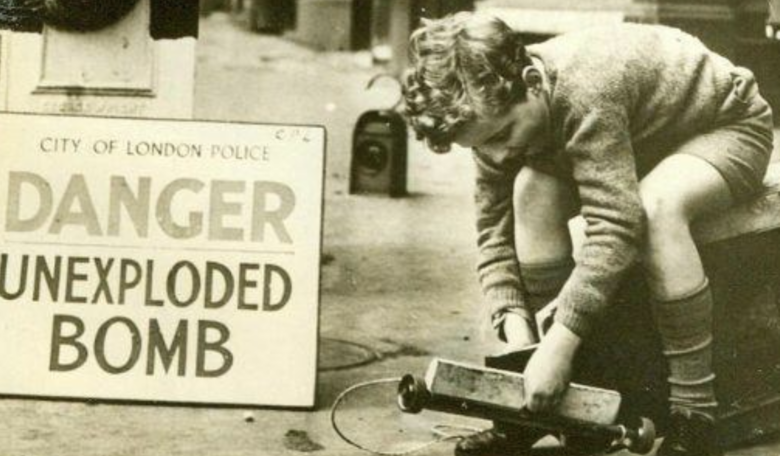
Bombed-out rubble became a playground within hours of the last bomb falling
Historians studying wartime Britain found this wasn’t an isolated reaction. Children in London and Liverpool persistently played among bomb ruins throughout the Blitz, treating rubble as scrap and craters as playgrounds. Where adults saw destruction, kids saw raw material for a game, a documented pattern rather than a scattered handful of odd anecdotes.
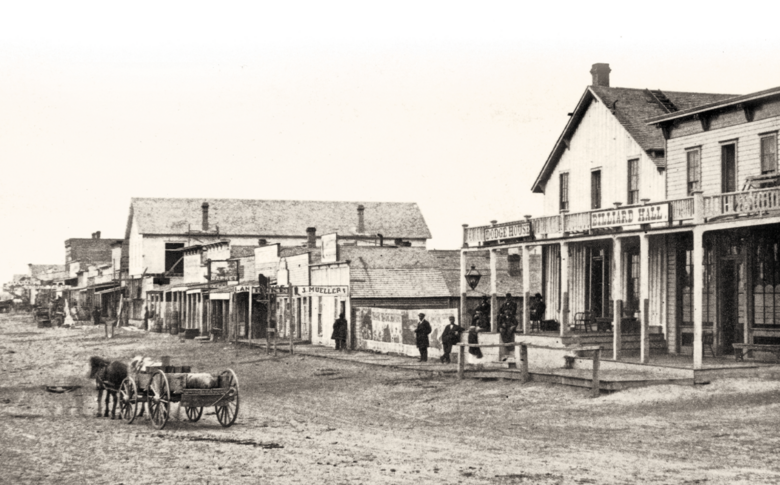
Dodge City, 1878
The town’s very first ordinance, passed the year the city government formed, banned carrying firearms within city limits outright. Wichita went further in 1873, posting signs telling arriving visitors to check their revolvers at police headquarters in exchange for a claim ticket. The famous shootout at the O.K. Corral happened because the Clanton gang refused to comply with Tombstone’s own version of that exact law.
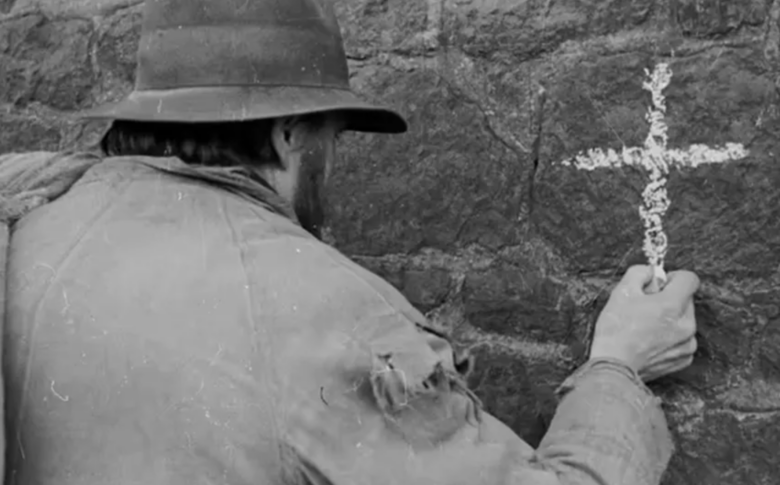
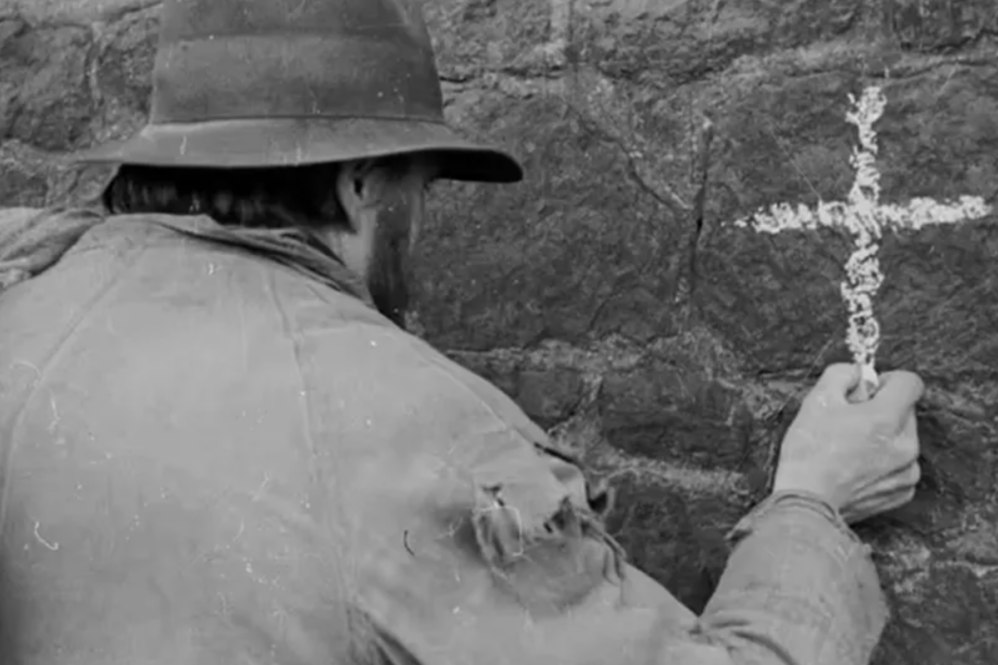
A circle with an X meant food. A triangle with hands meant trouble.
Half a million transient workers rode the rails during the Great Depression, and they built an entire pictographic language to warn and help each other along the way. None of it was ever written down officially, just chalked or scratched onto fences most homeowners never even noticed.
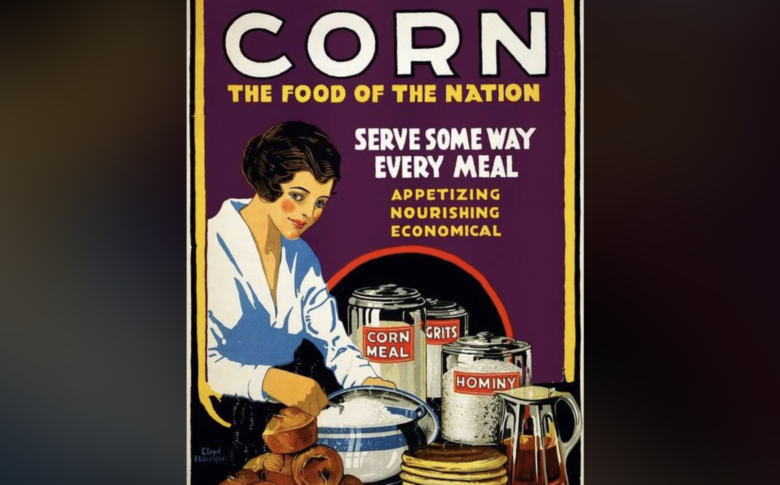
Was a rationing campaign with no law behind it ever going to work?
Better than expected, apparently. The U.S. Food Administration’s World War I “meatless Mondays” and “wheatless Wednesdays” ran on pure public pressure, no coupons, no legal penalty, just a request to free up supplies for troops overseas. Compliance ran high enough that the model got reused in later wartime campaigns.
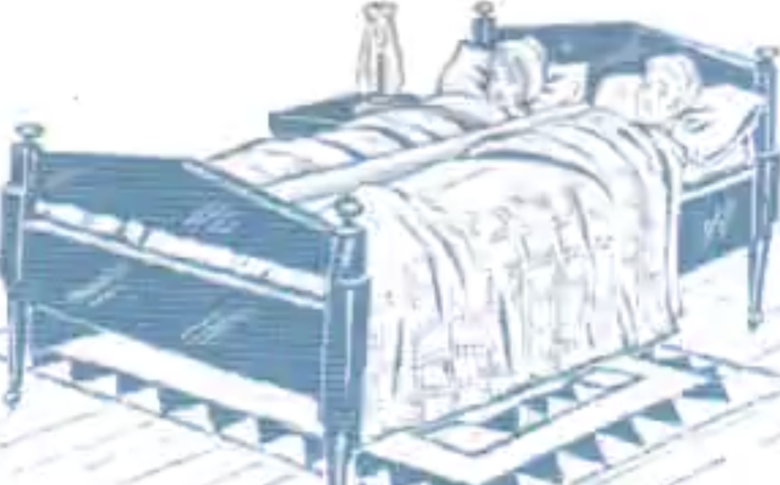
Bundling
Colonial New England courting couples sometimes shared a bed overnight, fully clothed, separated by a wooden board and often sewn into their own bedding to keep things that way. The practice solved a genuine problem in homes with limited heated space and long travel distances between family farms, and it survived in rural parts of the region well into the 1700s before shifting norms finally ended it.

The bottom line
None of this made it into a standard timeline of dates and battles, which is exactly why it tends to surprise people who assume they already know a given era. The actual daily texture of history rarely matches the summary version, in America or anywhere else.
Ask us! What questions do you have about content, strategy, pop culture, lifestyle, wellness, history or more? We may use your question in an upcoming article!
Related:
- Historical “discoveries” that turned out to be elaborate hoaxes
- Some of the most surprising record deals in music history
Like MediaFeed’s content? Be sure to follow us.
This article was syndicated by MediaFeed.co.