10 common cleaning habits that could actually lower your home’s value
There’s an old saying about using something that eventually costs you the ability to use it at all. It applies here in a very literal sense. Habits that feel thorough in the moment are quietly working against the exact surfaces they’re supposed to protect.
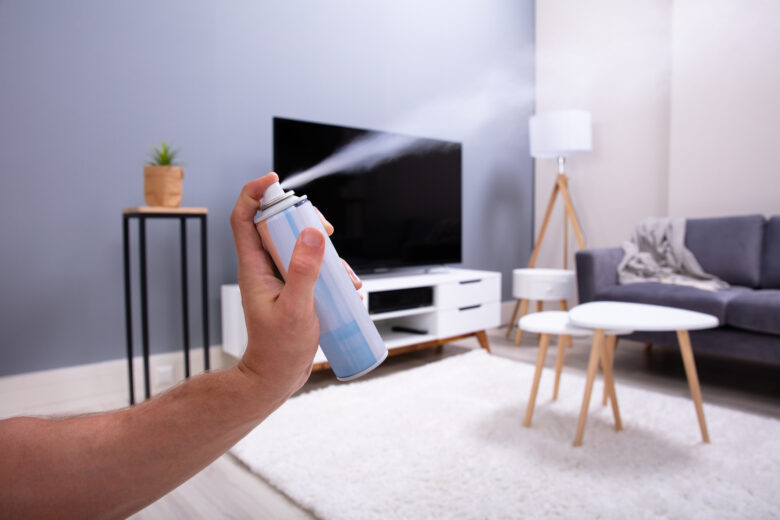
Air freshener over a smell instead of tracking the smell down
One of the most common pre-showing mistakes, and it backfires in a specific way. Buyers who notice the masking react worse than they would to the original smell, since it reads as concealment rather than an actual fix.
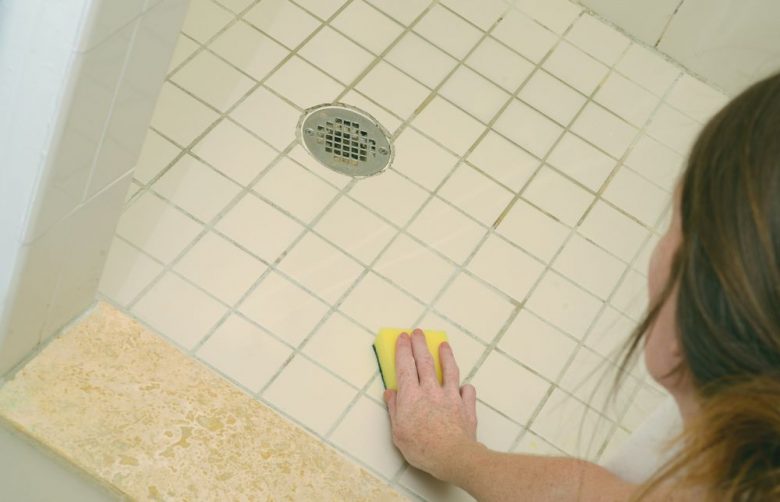
What actually happens to grout that never gets sealed?
It cracks. Then it starts falling out in pieces, turning a five-minute wipe-down into a full chisel-and-regrout project that costs real money. Sealing once a year is a fraction of that cost, and almost nobody does it on schedule.

Bleach fixes the stain today and quietly wrecks the grout for years afterward
Every wash strips a bit more structural integrity out of the material underneath, invisibly, with nothing to show for it in the moment. Eventually that weakened grout starts letting moisture through in ways it never used to, and what shows up next isn’t a stain anymore. It’s mold, and mold is a different, much more expensive conversation with a buyer entirely.
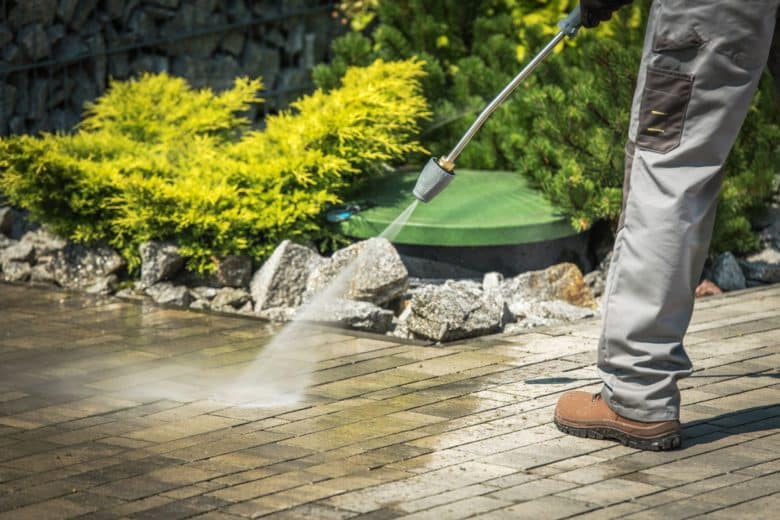
Pressure washing siding at full blast
Grime comes off fast. So does the coating meant to protect the material underneath; on the wrong setting, and with homeowners running consumer-grade equipment without adjusting for their specific siding, you risk forcing water behind the panels where nobody will see the damage until much later.

A refrigerator running on dirty coils works harder, forever, for no reason anyone chose on purpose
More energy, more strain, worse efficiency, and it never stops until someone actually cleans it. Even buyers unbothered personally by a grease-caked oven interior will still read the visible neglect as a signal about everything else in the house they can’t see.
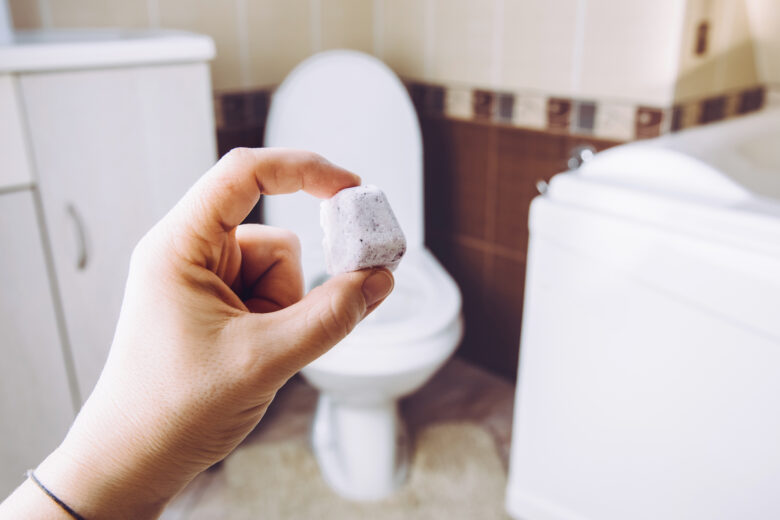
Trying a viral cleaning hack on a surface it was never tested on
Social media trends move faster than the chemistry behind them ever does. The wrong combination can permanently weaken, bleach, or etch a surface, and this kind of damage rarely reverses, no matter how carefully it’s treated afterward.
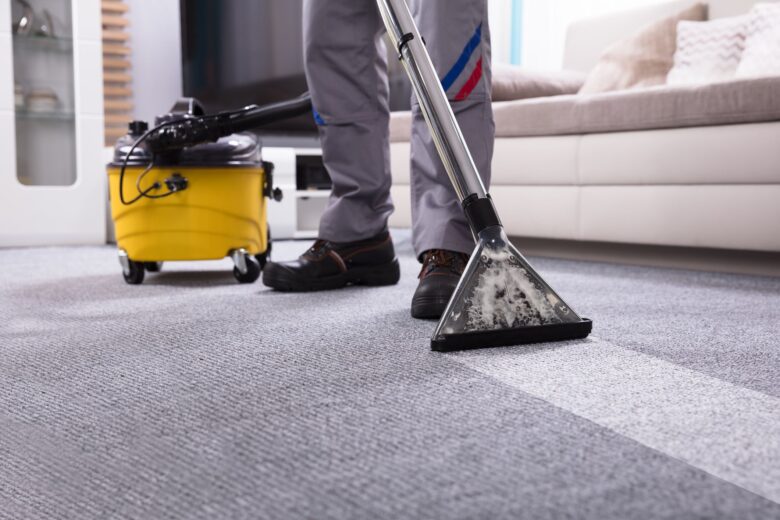
A carpet stain, left to set before anyone finally deals with it
Waiting means stronger products and harder scrubbing once the cleaning actually happens, and both raise the odds of permanent fiber damage that a fresh stain never would have risked. Buyers already lean toward hardwood as a baseline preference anyway, so a visibly worn carpet just compounds a disadvantage that was already sitting there.

A spotless counter next to a faucet nobody’s fixed in months
Appraisers notice both halves of that picture, not just the clean one. Even minor, unaddressed damage reads as neglect, no matter how clean the rest of the room looks.
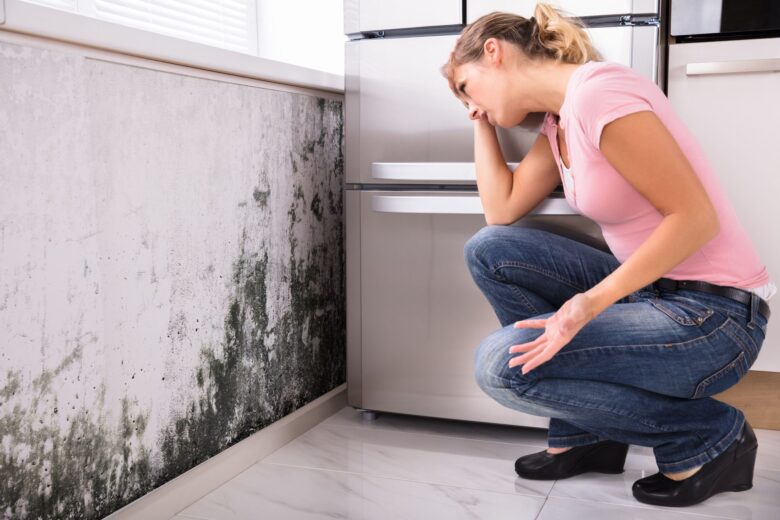
Wiping mold off the surface without ever touching what’s actually feeding it
Treating a symptom instead of a source rarely holds. It comes back, usually within weeks, and by the time it does, it’s spread past where the original patch ever reached in the first place.
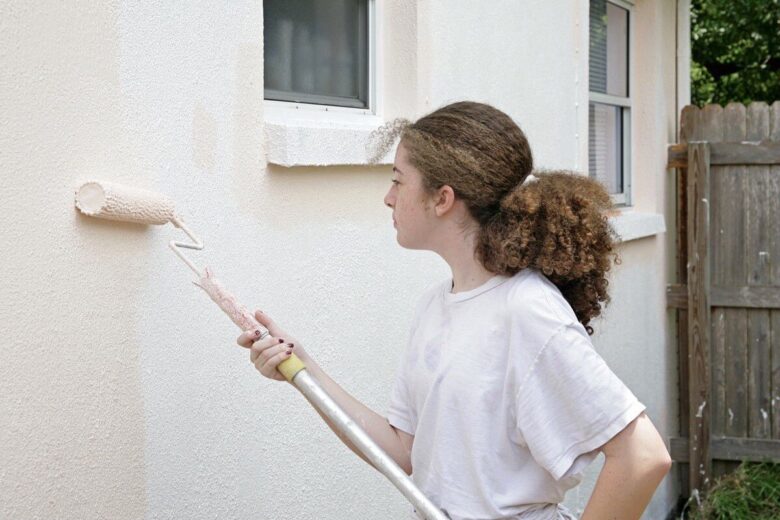
A fresh coat of paint over a stain nobody actually cleaned first
Trained eyes catch this almost instantly during a walkthrough, no exceptions. Appraisers factor peeling or patchy paint directly into their number, and a rushed touch-up job has never once fooled anyone doing this professionally for a living.
The bottom line
Each of these habitual practices trades a short-term win for a longer-term cost. Use something carelessly enough, for long enough, and eventually it stops being an asset.
Ask us! What questions do you have about content, strategy, pop culture, lifestyle, wellness, history or more? We may use your question in an upcoming article!
Related:
Like MediaFeed’s content? Be sure to follow us.
This article was syndicated by MediaFeed.co.