
Everyday items in your kitchen that your pet’s vet despises
Something happens to a pet, and there’s no shared blame to spread around. No claiming it wasn’t foreseeable. Full responsibility for another creature’s wellbeing means actually knowing what’s dangerous in a space that feels completely ordinary.
Vets see the same preventable poisonings on repeat.
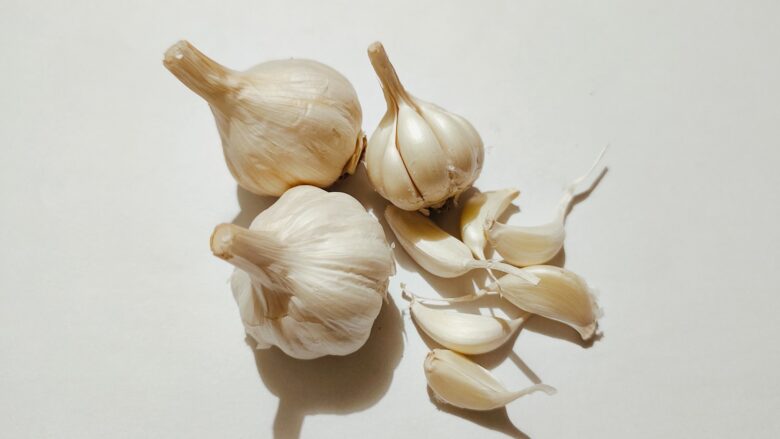
Onions and garlic
Oxidative hemolysis. That’s the mechanism, and it’s slow enough to fool an owner into thinking nothing happened at first. Symptoms (lethargy, pale gums, a climbing heart rate) can take several days to show up, and once they do, they can drag on for one to three weeks afterward.
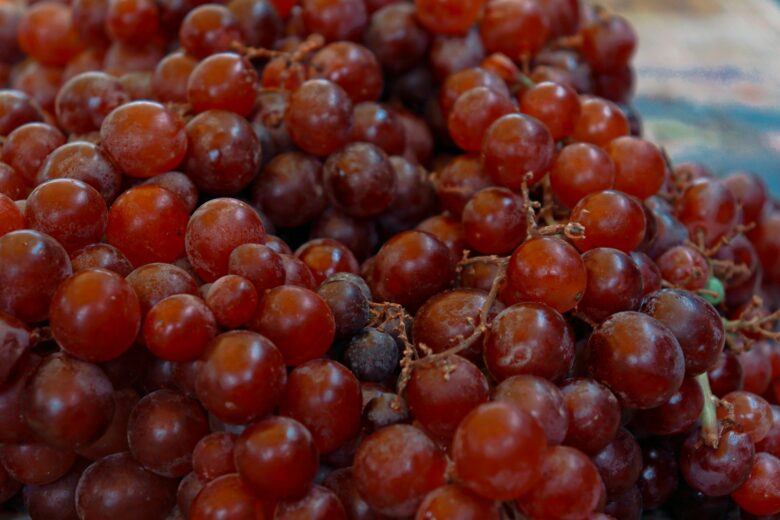
Two or three raisins can shut down a dog’s kidneys
Researchers studying the fruit directly still can’t pin down the exact toxic compound at work. That gap in the science is genuinely acknowledged, not glossed over, and it’s exactly why every vet treats grapes and raisins as an absolute no regardless of the dog’s size, the amount eaten, or how fine the animal seems an hour later.
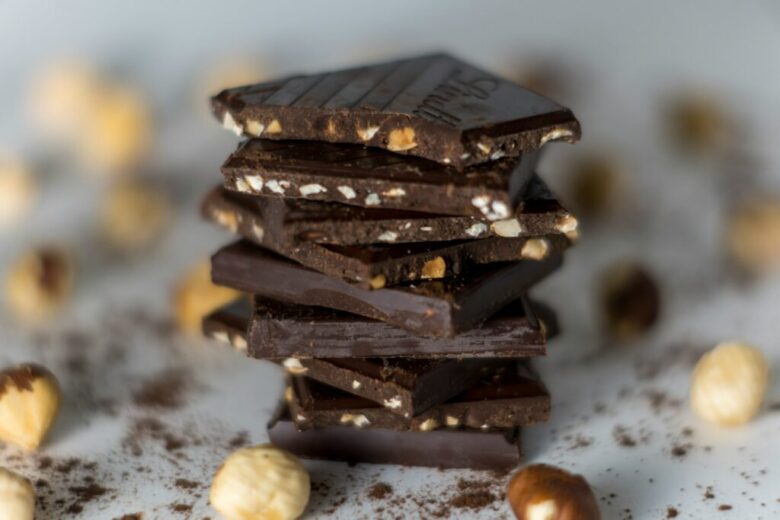
Chocolate
Theobromine, and a dog’s liver simply can’t clear it the way a person’s can. One cocoa-laden biscuit is enough for a small dog. Darker chocolate moves that threshold even lower.
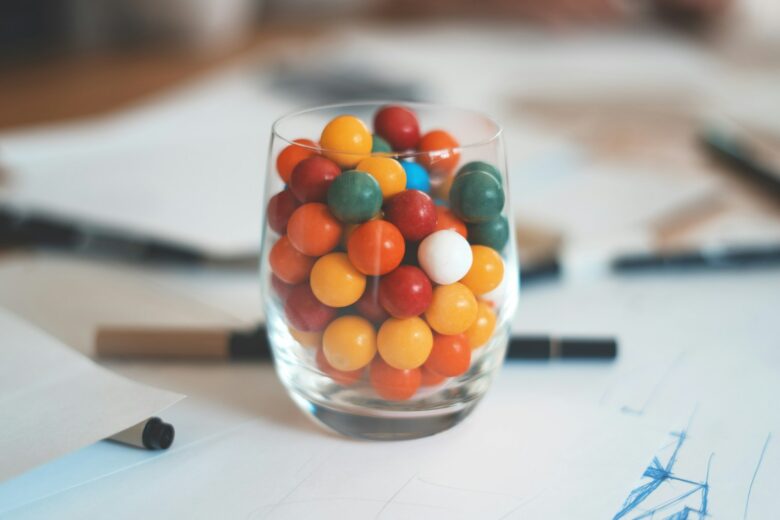
A single stick of gum left on a counter is a genuine 911 call for a dog
Xylitol triggers an insulin spike sharp enough to cause hypoglycemia within thirty minutes, and it’s hiding in more products than most people expect: gum, certain peanut butters, a long list of baked goods nobody reads labels on. Severe cases don’t stop at low blood sugar either. They progress straight to liver failure, and by the time an owner notices something’s wrong, the window for easy treatment may already be closing.
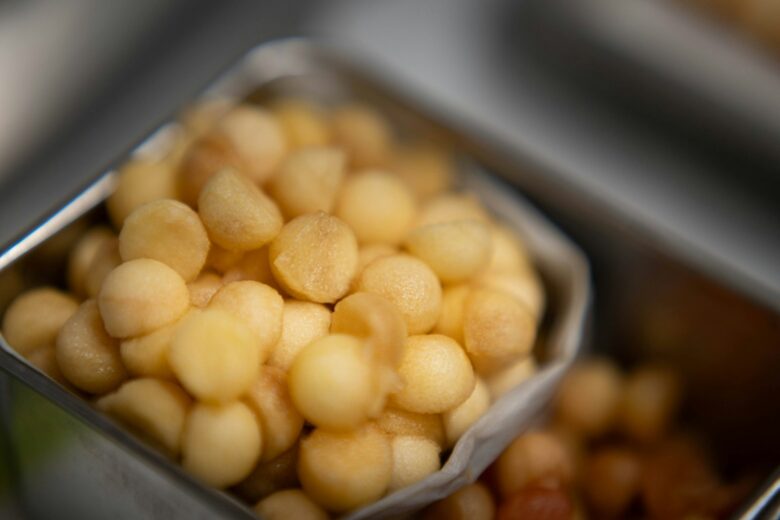
Macadamia nuts
A handful causes weakness, tremors, and fever within twelve hours. The exact toxin is still unidentified. The symptoms aren’t in question, whatever’s causing them.
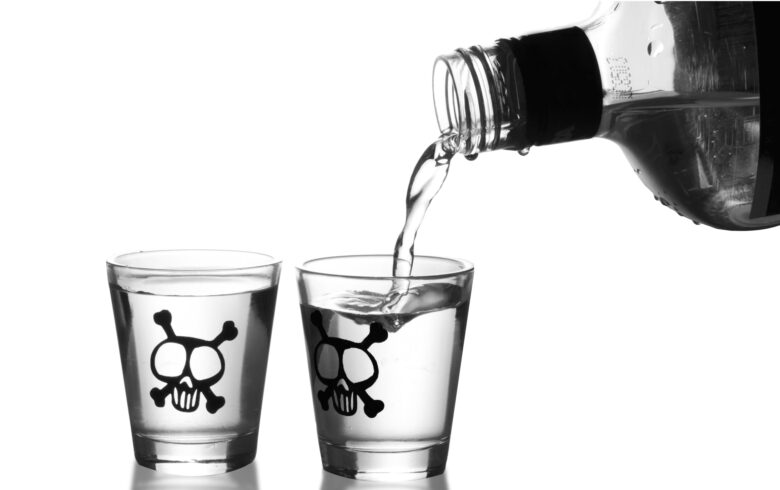
Why does a ten-pound dog react so much harder to alcohol than a ten-year-old child would?
Size alone doesn’t explain the gap. A dog’s central nervous system responds far more severely to even a small amount, and an unattended glass of wine or beer left on a counter carries real, documented risk, not the mild upset stomach a lot of owners assume is the worst-case outcome.
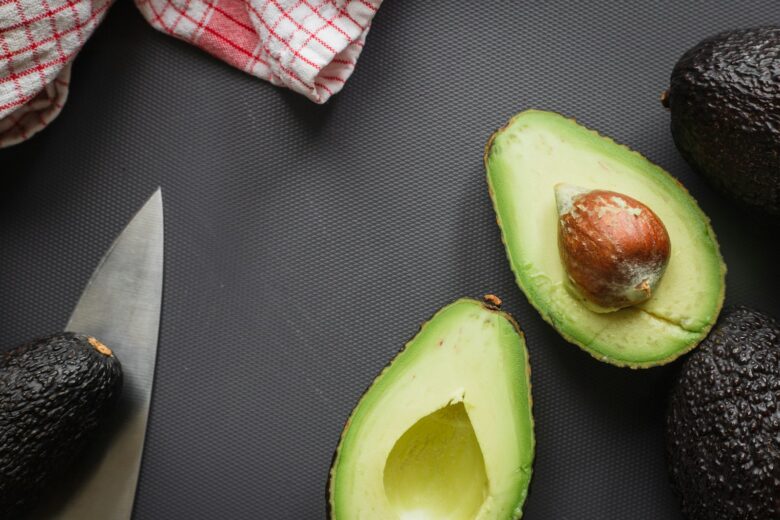
Avocado
Persin, the toxin running through the fruit and the plant itself, hits birds hardest by a wide margin. Dogs and cats face an entirely separate threat from the same avocado sitting on the same cutting board: the pit, a plain mechanical choking and blockage hazard that has nothing to do with any toxin at all.

The bottom line
None of this looks dangerous sitting on a counter, which is the entire problem. Vets keep repeating the same list every single year to owners who never once suspected their own kitchen.
Ask us! What questions do you have about content, strategy, pop culture, lifestyle, wellness, history or more? We may use your question in an upcoming article!
Related:
Like MediaFeed’s content? Be sure to follow us.
This article was syndicated by MediaFeed.co.