Odd natural phenomena that scientists only recently figured out
Science has talked humanity down from centuries of anxious guessing about the natural world, and it’s done a genuinely remarkable job. A storm isn’t an angry god anymore. A comet isn’t an omen. Most of what once triggered real panic now has a tidy, testable explanation.
That progress has a ceiling, though. A handful of the strangest phenomena on Earth stayed technically unexplained well into the satellite era, not from lack of looking, but because the right equipment simply hadn’t shown up in the right place yet.
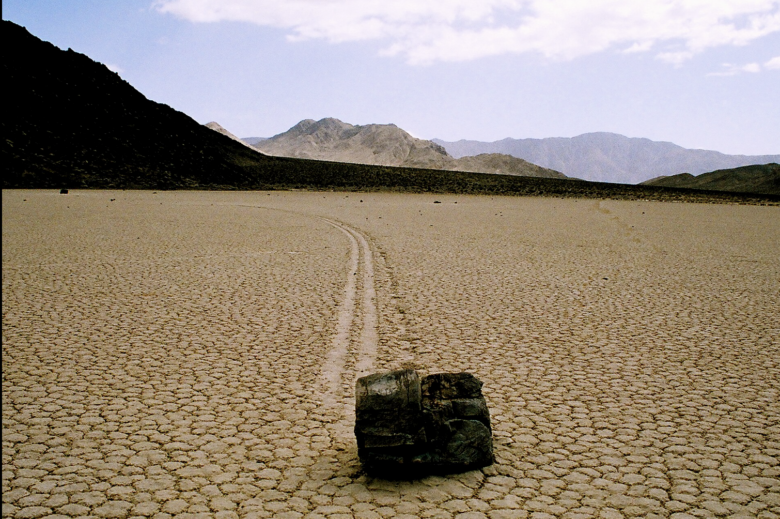
Rocks that crawl across a dry lakebed on their own
Death Valley’s Racetrack Playa has hosted this mystery since the early 1900s: boulders weighing hundreds of pounds, leaving long trails, with nobody ever seeing one actually move. Wind. Magnetic fields. Pranksters. All floated as theories over the decades. Researchers finally strapped GPS units to the rocks in 2011 and waited. Three years later, time-lapse footage caught the real cause: thin sheets of floating ice, cracked by light wind, gently shoving rocks across a few inches of meltwater.
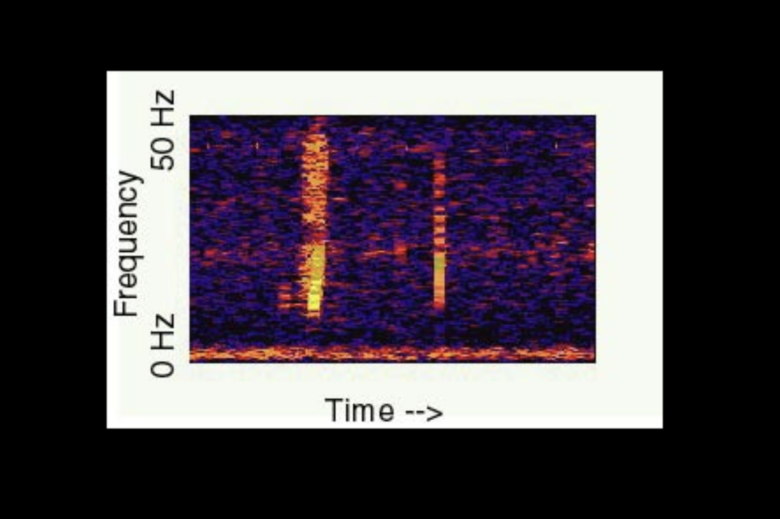
An ocean sound loud enough to register 3,000 miles apart
The year was 1997. Hydrophones spanning the Pacific picked up something enormous and completely unidentifiable. Giant sea creature theories ran wild for years. NOAA finally traced it in 2005 to an icequake, the sound of a massive Antarctic iceberg cracking away from its glacier.
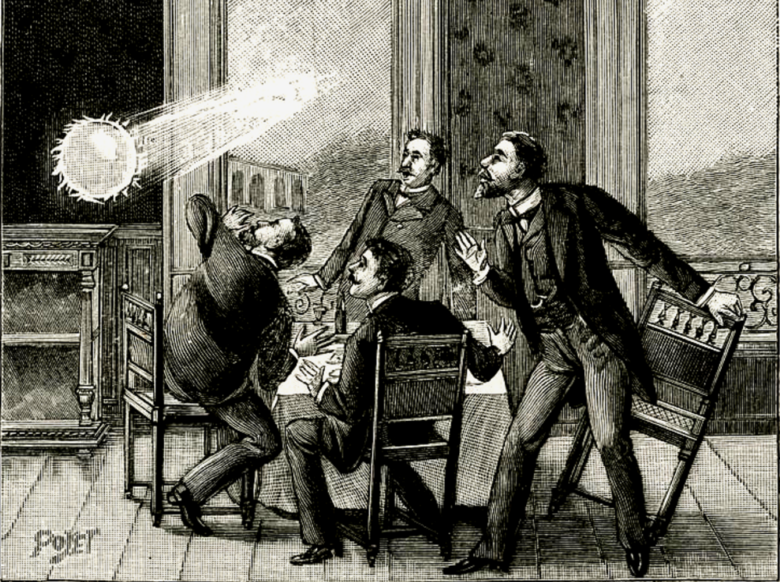
A glowing orb that’s been reported for centuries and photographed almost never
Ball lightning had no confirmed scientific measurement behind it until 2012, despite reports going back hundreds of years. Researchers in China happened to have spectrometers running during a storm when a strike produced a glowing sphere nearby. The resulting spectrum showed silicon, iron, and calcium, elements found in soil, supporting a theory that the strike had vaporized a patch of dirt and set it briefly alight.
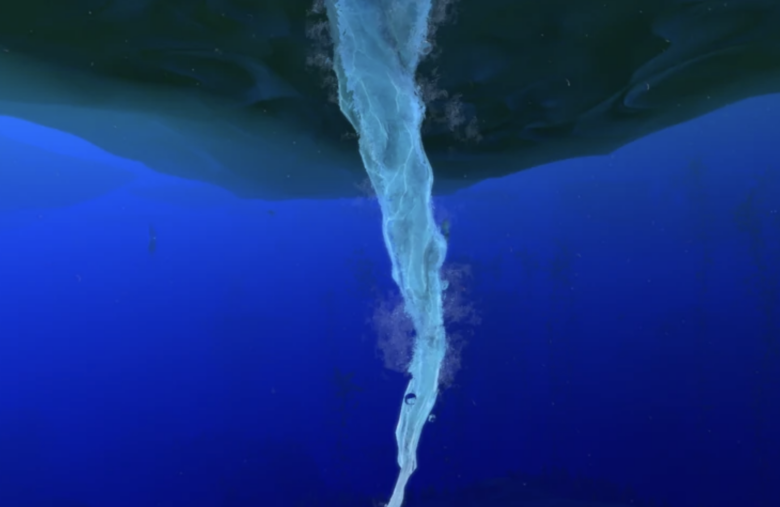
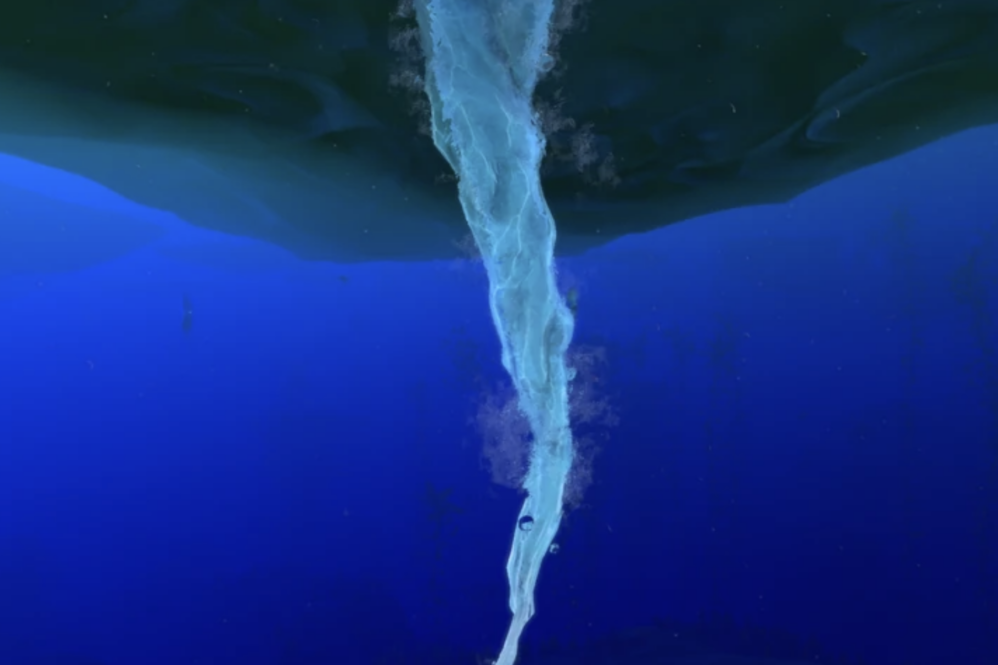
An underwater ice formation that freezes everything it touches
Scientists suspected this process happened for years. Nobody had actually filmed it until a BBC crew caught it in 2011. Extremely cold, salty brine sinks out of forming sea ice and grows an icy sheath around itself on the way down, and wherever it reaches the sea floor, it freezes anything caught in its path, sea urchins and starfish included.
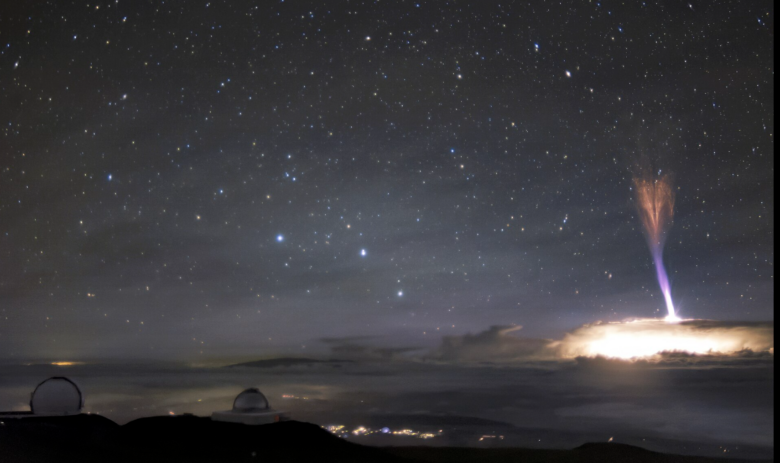
Red flashes above thunderstorms that pilots reported for decades
Fatigue. Optical illusion. That’s what most reports of high-altitude red flashes above storm clouds got dismissed as, largely because ground-based cameras simply couldn’t reach that high. Confirmation only arrived once low-light video equipment sensitive enough to catch the brief flashes finally existed, revealing an entire class of electrical activity happening above storms that conventional lightning research had never been positioned to see at all.

The bottom line
Every phenomenon here existed decades before science actually caught up to it. Not because the natural world was unknowable, just because catching it required the right camera, in the right place, running at exactly the wrong hour of exactly the wrong kind of weather.
Ask us! What questions do you have about content, strategy, pop culture, lifestyle, wellness, history or more? We may use your question in an upcoming article!
Related:
- Historical “discoveries” that turned out to be elaborate hoaxes
- Some of the most surprising record deals in music history
Like MediaFeed’s content? Be sure to follow us.
This article was syndicated by MediaFeed.co.