Only true Gen Xers can identify all 12 of these discontinued grocery items
Frequent grocery shopping has a specific frustration nobody really talks about. It’s not the prices, or the lines, or the cart with the wheel that pulls left. It’s loving one particular thing, buying it on the same trip every week without thinking twice, and then one day reaching for the spot on the shelf and finding it gone.
That loss does something strange to the brain. A small piece of satisfaction, the exact flavor or texture or shape of a specific product, gets stuck somewhere in memory with nowhere left to go, and it genuinely hurts more than losing something that mattered less should. The routine breaks too. A trip that used to have a fixed shape suddenly doesn’t, and there’s no real substitute for whatever used to fill that slot.
Twelve products below did exactly that to an entire generation.
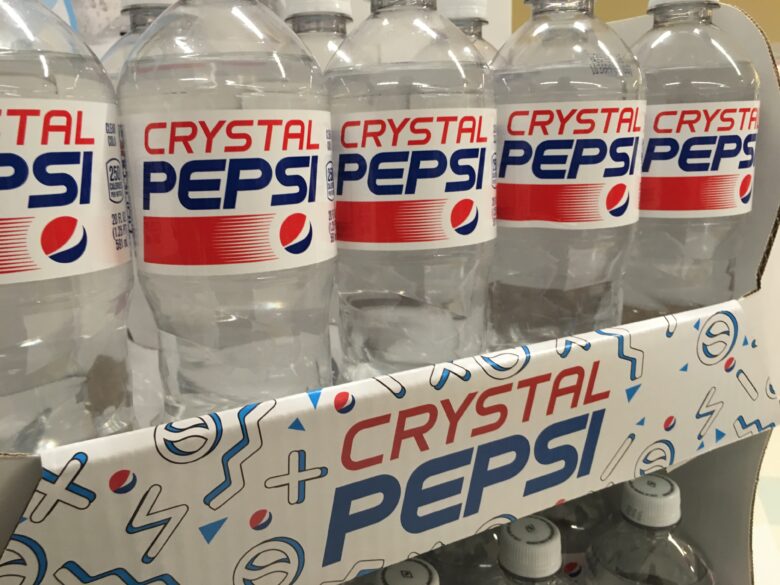
Crystal Pepsi
Clear. Caffeine-free. Launched in 1992 riding a “purity” trend that had nothing to do with taste. It tasted like regular Pepsi anyway, and that mismatch between what the eyes expected and what the tongue got confused enough shoppers that PepsiCo pulled it within two years.
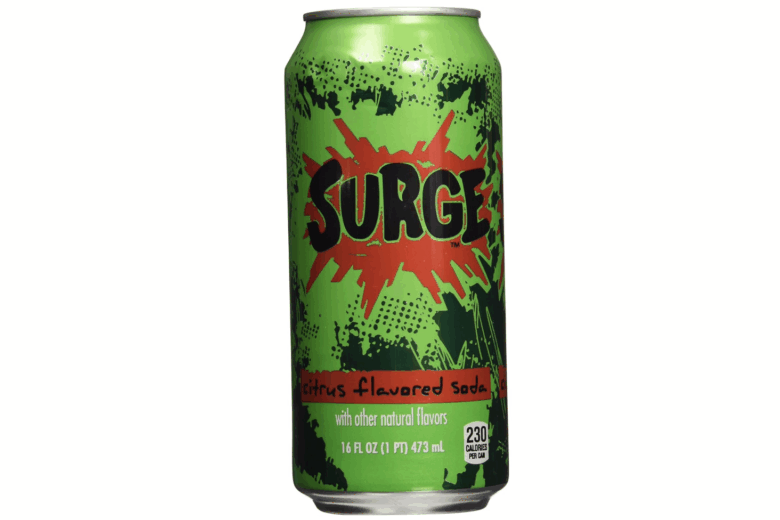
Surge was built to kill Mountain Dew. Never did.
Coca-Cola launched Surge in 1996 with citrus flavor and marketing loud enough to match the decade. Mountain Dew is still on shelves. Surge isn’t gone by the early 2000s.
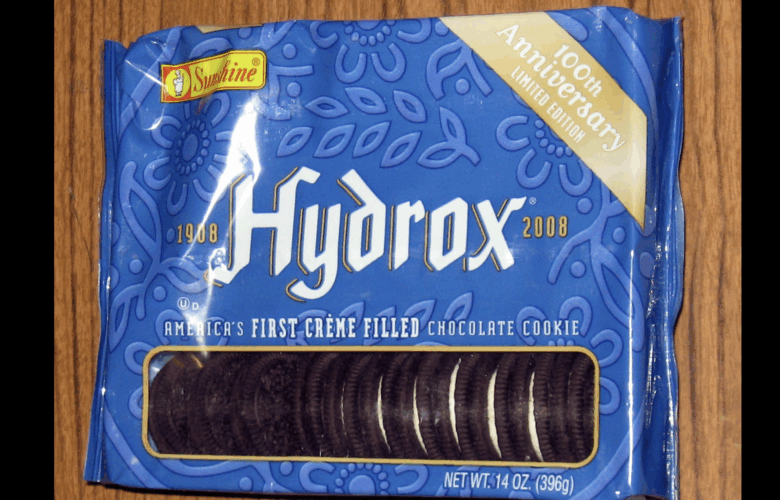
Hydrox came first. Oreo got the credit anyway.
1908 is Hydrox’s actual birth year, four years before Oreo existed. History remembers it backward anyway. Keebler bought the company that made it, and production stopped in 1999.
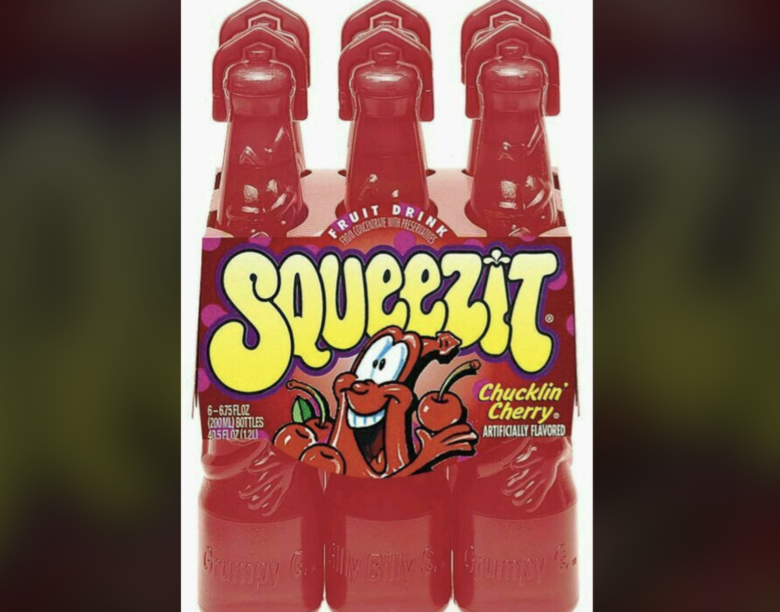
Squeeze It
A juice bottle you squeezed and aimed instead of drank through a straw. That’s the entire innovation. The format disappeared from lunch coolers by the early 2000s and almost nobody noticed at the time.
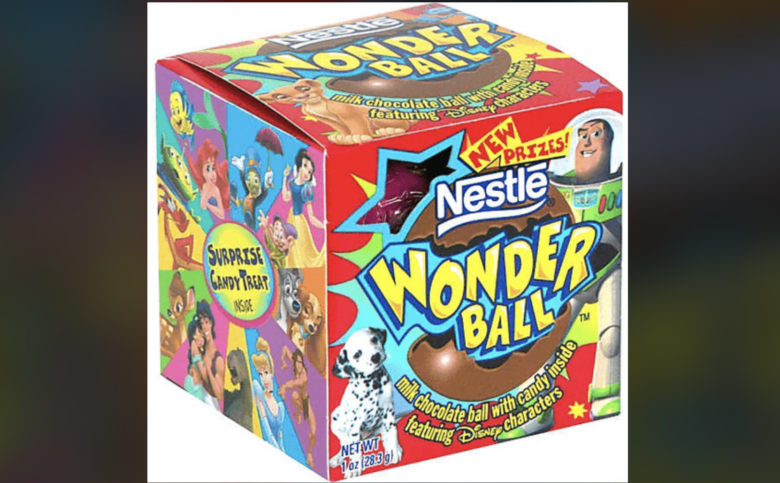
“Oh I wonder, wonder what’s in a Wonder Ball?”
A choking hazard, especially for small children. The toy-inside-chocolate design came off shelves in the mid-90s once that became clear, replaced by a candy-filled version nobody under ten seemed to care about the difference on.
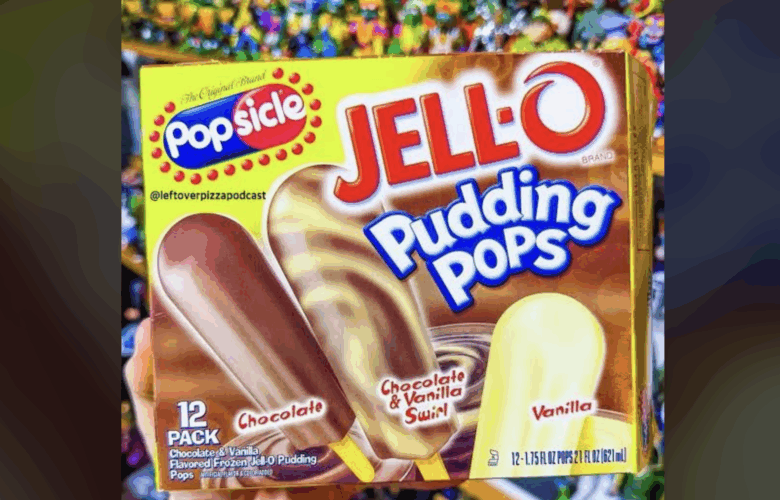
Jell-O Pudding Pops didn’t fail commercially
They failed logistically. General Foods had a hit through the 1980s and no frozen-foods manufacturing capacity to match the demand. Licensing it to Popsicle should have solved that. It didn’t, and the replacement never tasted the same to anyone who remembered the Cosby-era originals.
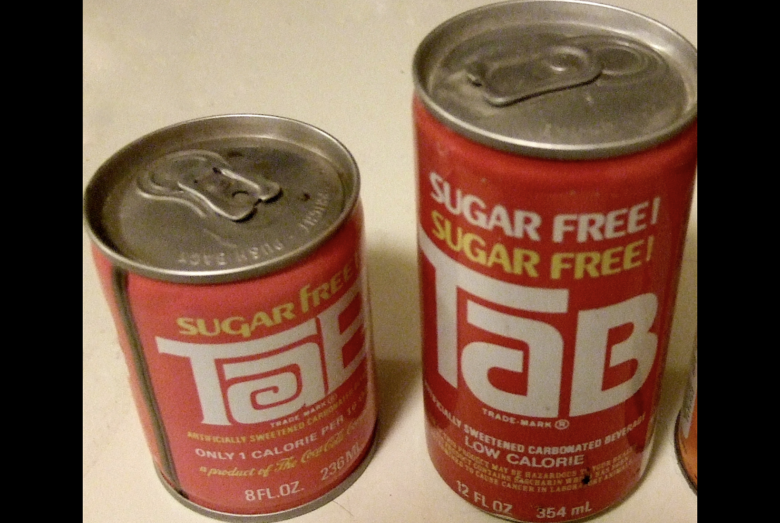
Tab lasted fifty-seven years
Launched in 1963, Coca-Cola’s original diet soda outlived nearly every diet cola that tried to replace it. Coca-Cola finally discontinued it in 2020.
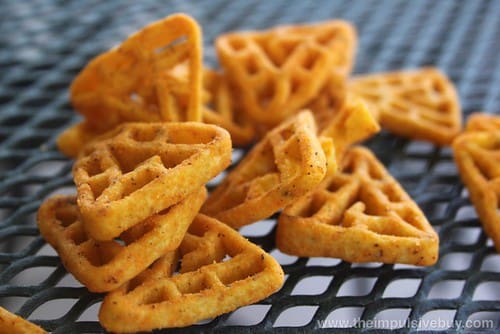
Doritos 3D’s tried a comeback in 2021
Discontinued again by 2023. Nostalgia bought it two years, not permanence.
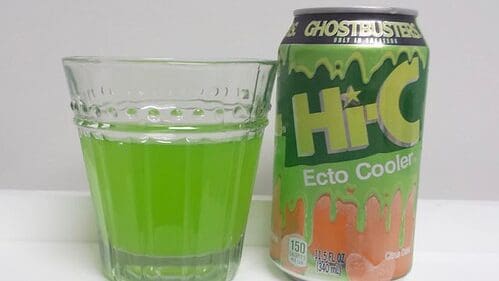
Ecto Cooler
Named for a 1989 movie sequel nobody rewatches. Outlasted the film’s relevance by over a decade regardless, surviving until 2001 on cult demand alone.
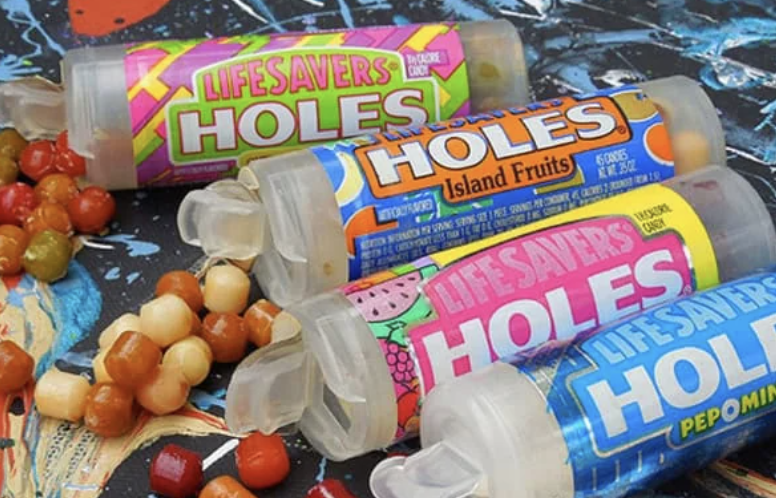
Life Savers Holes
Candy shaped like the hole punched out of a regular Life Saver. Selling the shape of an absence turned out to be exactly as hard as it sounds. Gone not long after launch.
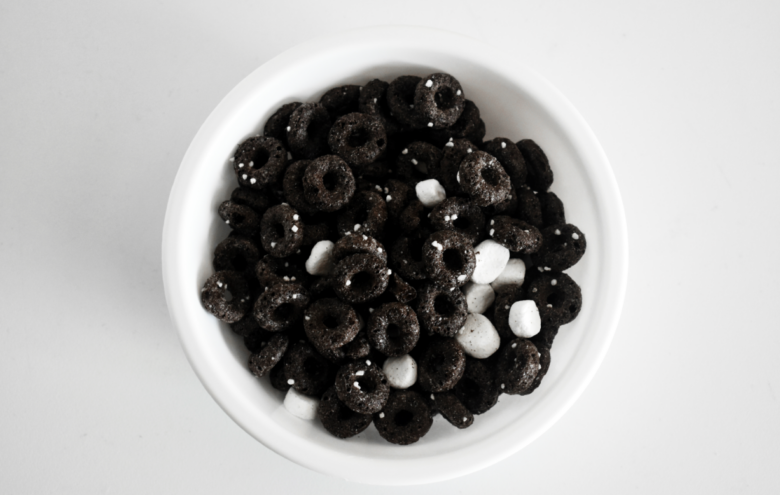
Oreo O’s: discontinued in America, alive in South Korea
Nabisco pulled Oreo O’s from U.S. shelves in 2007, not over sales but a licensing standoff between Kraft and Post that neither company would resolve. It survived years later through South Korean licensing before eventually creeping back into limited domestic releases, a genuinely odd round trip for a cereal built entirely around one American cookie.
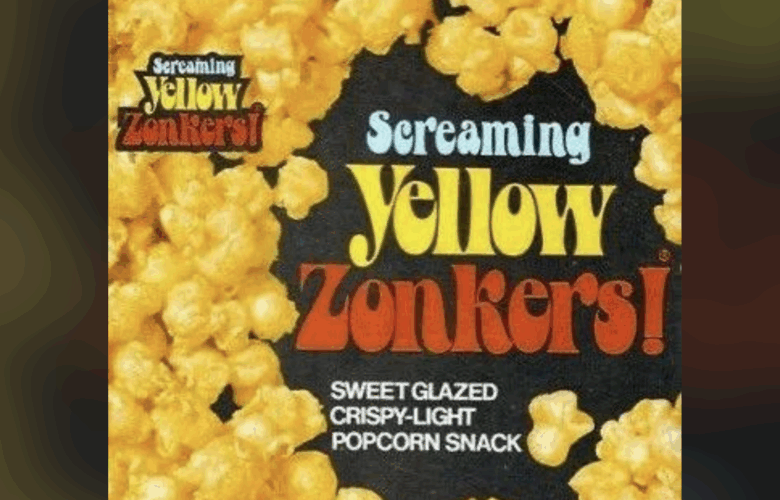
Screaming Yellow Zonkers never once tried to blend in
Candy-coated popcorn in packaging as loud as its name, sold nationally from 1968 until ConAgra discontinued it after acquiring the brand in 2007. A short-lived 2012 Walgreens-exclusive revival didn’t stick either.
The bottom line
Twelve items. Twelve moments of walking down an aisle and finding a gap instead. Production costs and reformulations did the actual damage. The specific sting of that gap never really goes away.
Ask us! What questions do you have about content, strategy, pop culture, lifestyle, wellness, history or more? We may use your question in an upcoming article!
Related:
- Gadgets Boomers & Gen X grew up with that are nearly obsolete
- 9 best phones you can’t buy in the US (2026)
Like MediaFeed’s content? Be sure to follow us.
This article was syndicated by MediaFeed.co.