Subtle body language cues your dog uses to apologize
Dogs are fluent in emotion, at least the ones people already recognize. A relaxed grin, a guilty slink after the trash gets raided, teeth bared in fear or frustration; all familiar territory for anyone who lives with one.
Apology gets less attention, and it deserves more. Researchers are careful to point out this isn’t remorse in the human sense. What’s actually happening is closer to an appeasement signal, a dog’s built-in way of saying the conflict is over and the relationship is more important than whatever just went wrong.
Here’s what that signal tends to look like in practice.
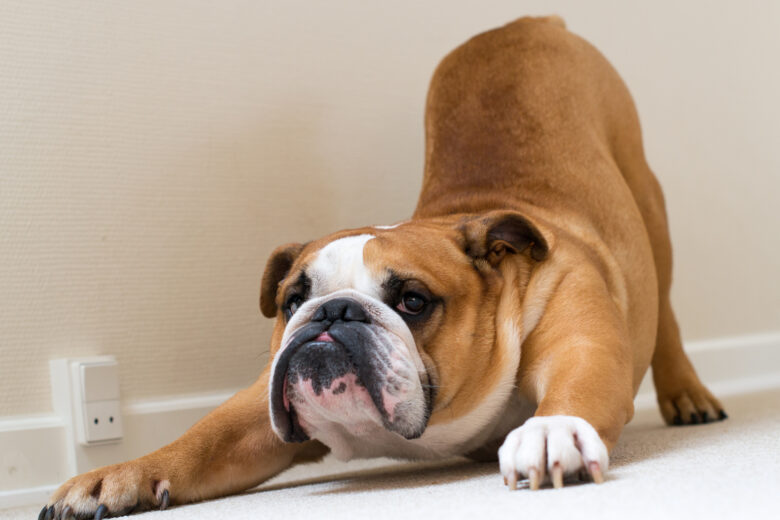
The lowered head and body
Dropping the head and shoulders makes a dog physically smaller and less threatening, a direct echo of what researchers call the apology bow, the same posture a subordinate wolf uses to signal deference to a higher-ranking one. It’s often the first cue to appear, arriving before anything else on this list.
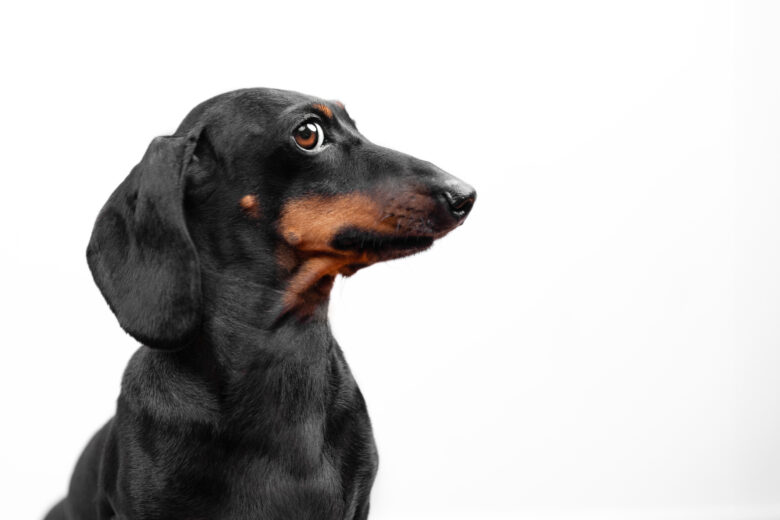
Avoiding eye contact
Sustained eye contact reads as a challenge in dog communication. Looking away, or dipping the head to break contact entirely, is a dog’s way of signaling it isn’t contesting anything.
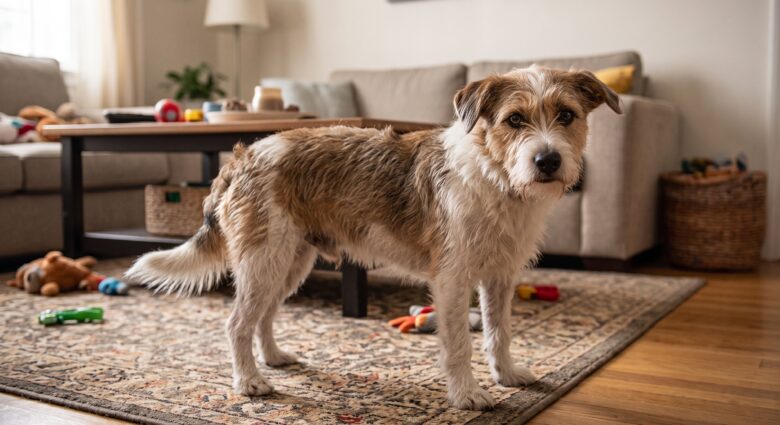
A slow, low tail wag
Not the full-body wag of excitement. This one sits low, moves slowly, and often pairs with a stiffer, more submissive posture, the physical opposite of a happy greeting.
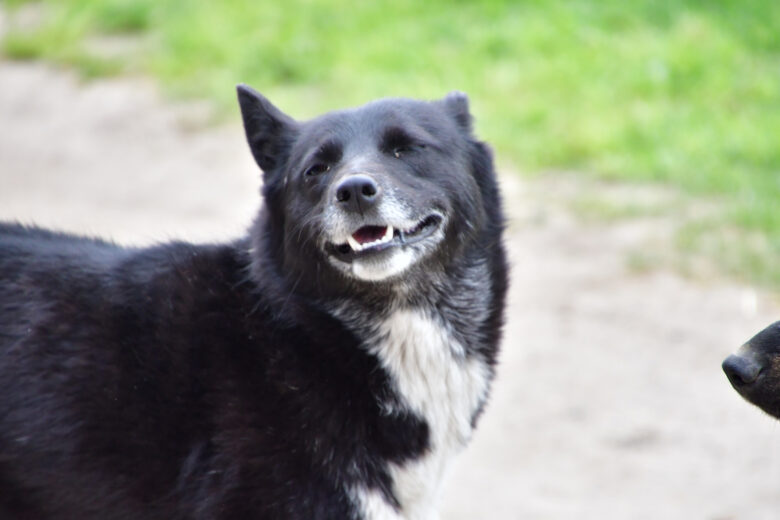
Ears pinned back
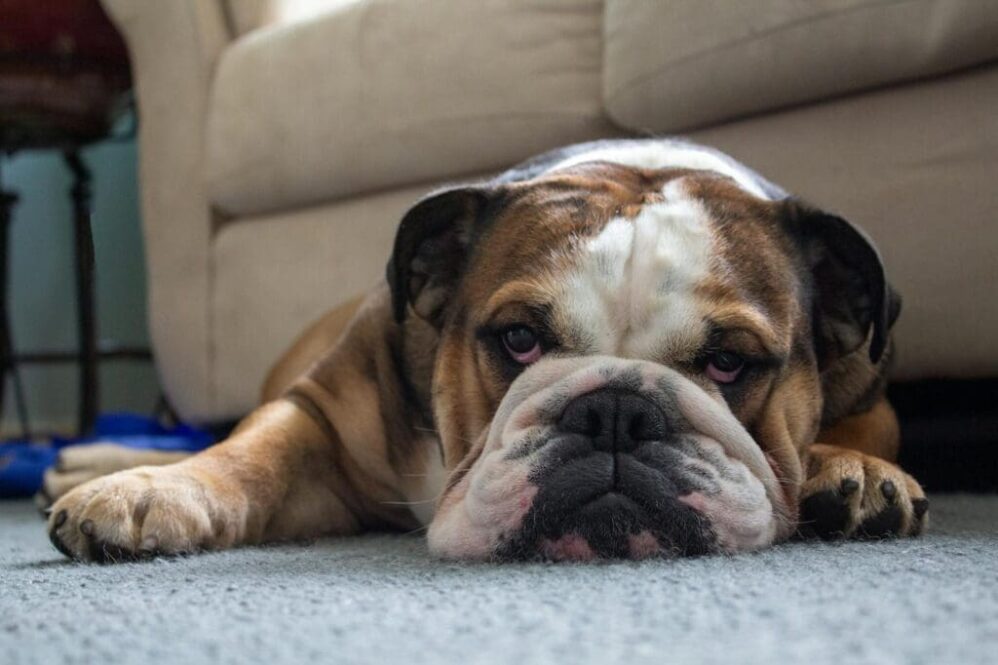
Flattened ears tend to show up alongside the lowered head and avoided eye contact, part of the same package of signals rather than a standalone cue. Ears back usually means the rest of the list is coming too.

An appeasement lick
Licking hands or a face isn’t only affection. In tense moments, it functions as a peace offering, a behavior borrowed from how puppies greet adult dogs in a pack.
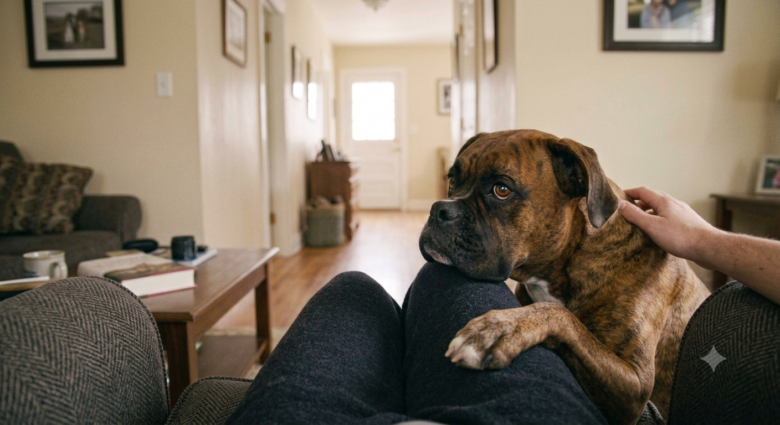
A gentle paw raise or nudge
Some dogs reach out physically rather than shrinking away, offering a soft paw touch as an appeasement gesture meant to invite reconnection rather than signal retreat.
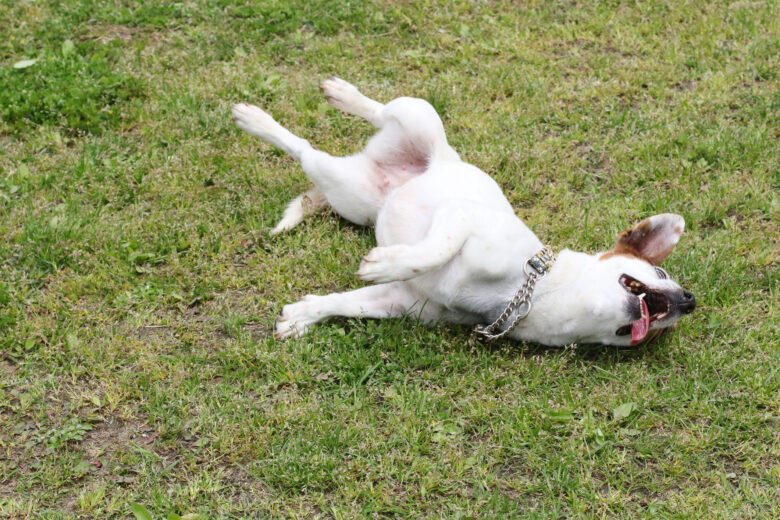
Rolling over to show the belly
The most vulnerable posture a dog can offer. Exposing the belly signals ultimate trust and total non-aggression, often the final step once the rest of the appeasement sequence hasn’t been enough to ease the tension.
What researchers say
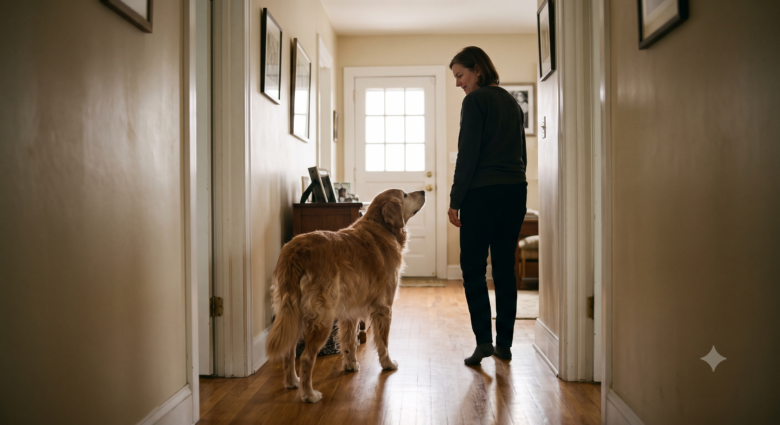
Here’s the part worth sitting with. Psychologist Alexandra Horowitz’s research, later summarized in Scientific American, found that dogs display these submissive cues in response to an owner’s disapproval, not in response to their own sense of having done something wrong. A dog that never got caught chewing a shoe can show the exact same posture as one that did, as long as the owner looks upset. The signal isn’t confessing to anything specific. It’s reading the room and offering to end the conflict.
The bottom line
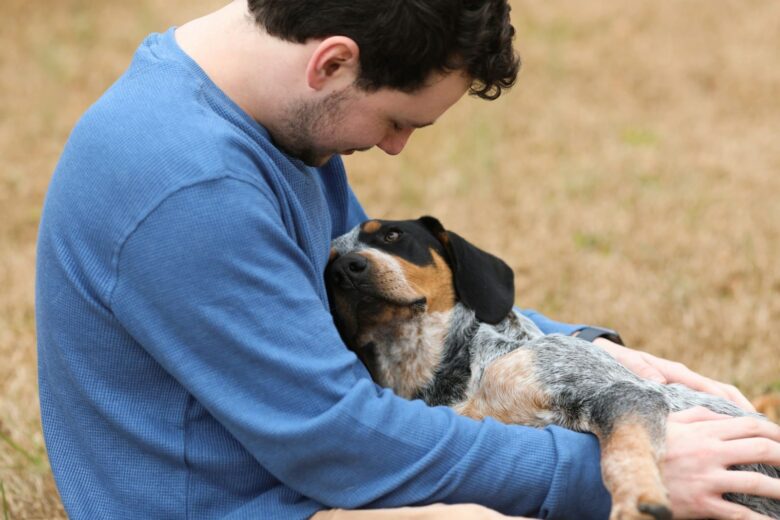
Call it an apology or call it appeasement, the effect lands the same way either time: a dog noticing something is off and doing everything in its power to fix it. That’s worth a treat regardless of what the science calls it.
Ask us! What questions do you have about content, strategy, pop culture, lifestyle, wellness, history or more? We may use your question in an upcoming article!
Related:
Like MediaFeed’s content? Be sure to follow us.
This article was syndicated by MediaFeed.co.