
10 of the overpriced items sitting on grocery store shelves right now
Convenience has a price tag, and grocery stores have gotten remarkably good at hiding exactly how steep that markup actually is. A handful of everyday items carry margins that would raise eyebrows if the actual math made it onto the shelf label.
Here is a list of items that market research flags as overpriced.
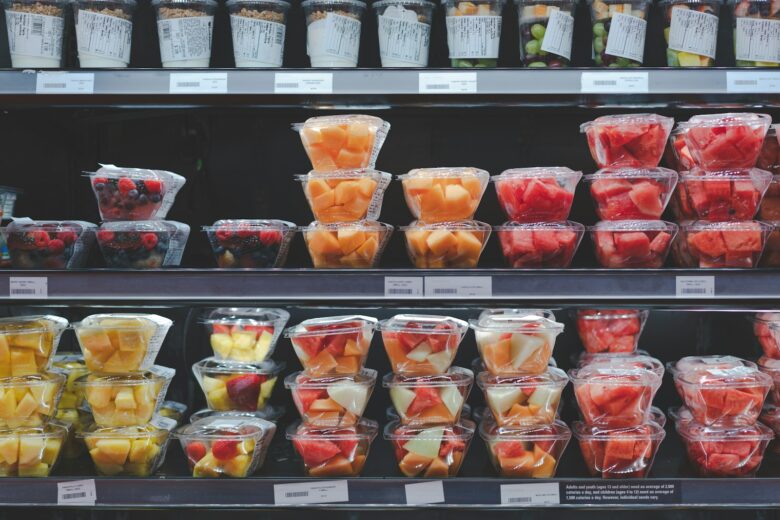
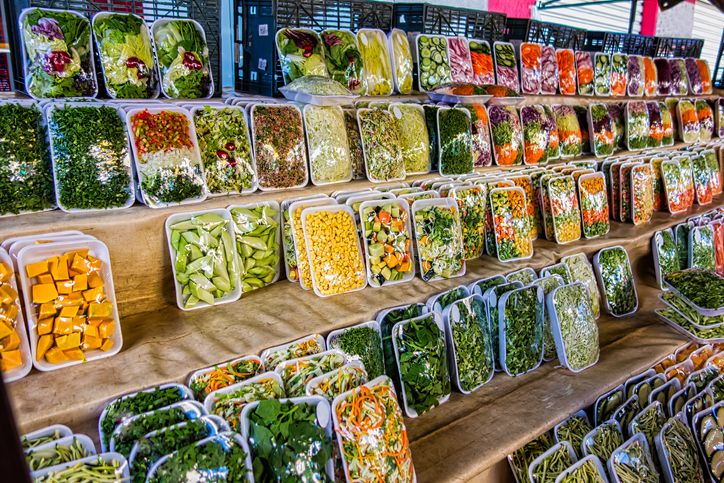
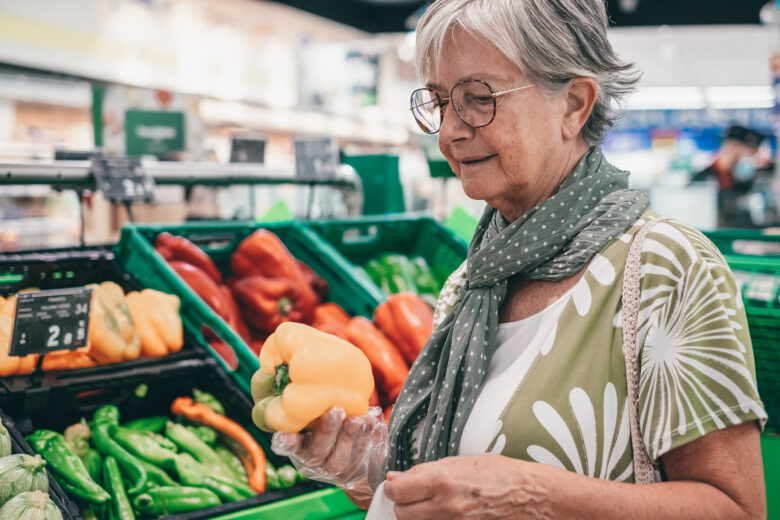
Pre-cut fruit and vegetables
What does washed and chopped actually cost extra? Roughly 40 percent over the same produce bought whole, according to Finale Inventory’s retail analysis. Shorter shelf life on top of that markup, which makes the convenience add up faster than it looks.
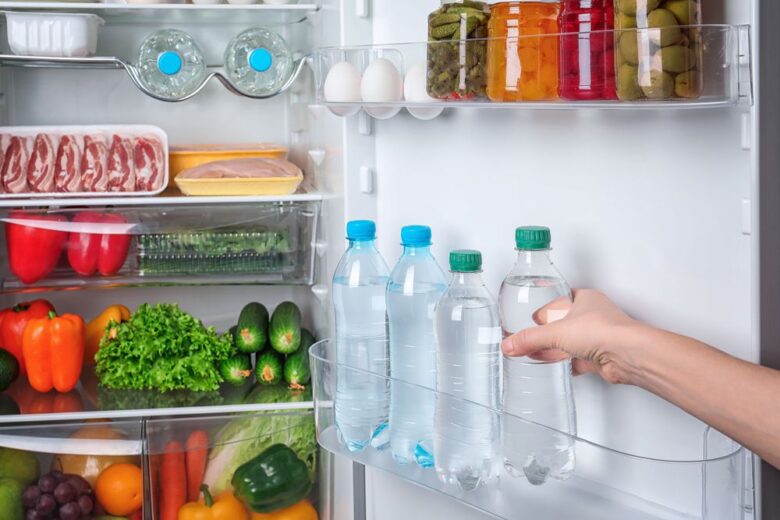
Bottled water
4,000 percent. That’s the reported markup in some areas, compared to tap water, which is already perfectly safe straight from the faucet. A reusable bottle and a basic filter pay for themselves within a few weeks.
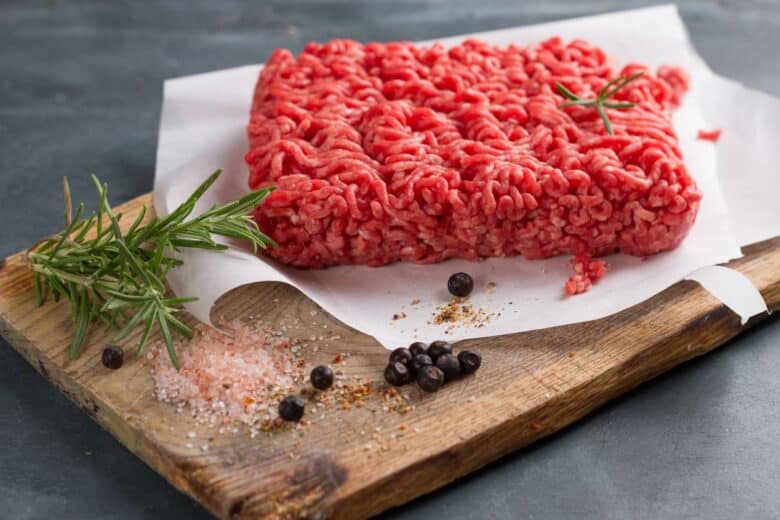
Ground beef
$5.55 to $6.75 a pound. A 21.8 percent jump in twelve months, the steepest increase of any grocery staple tracked by the Bureau of Labor Statistics heading into 2026.
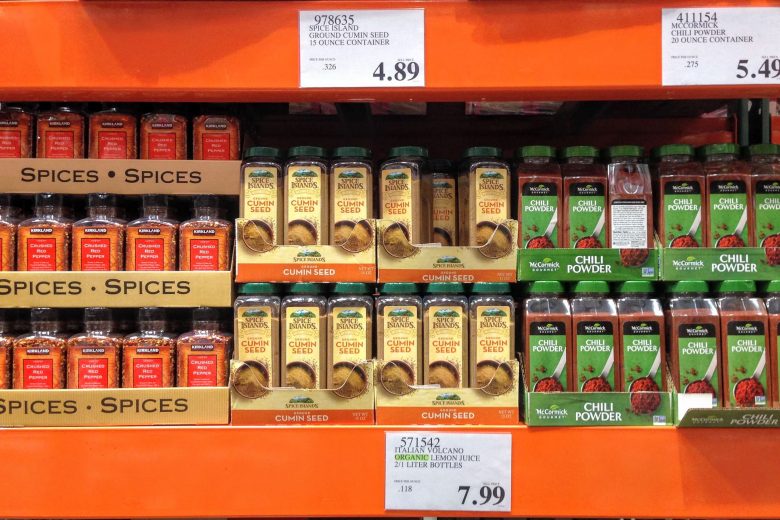
Branded spices
A jar of cinnamon costs several dollars more purely for the label. Not the flavor inside. Bulk bins and international grocery stores routinely sell identical spices for a fraction of the name-brand price, same jar of spice, different sticker.
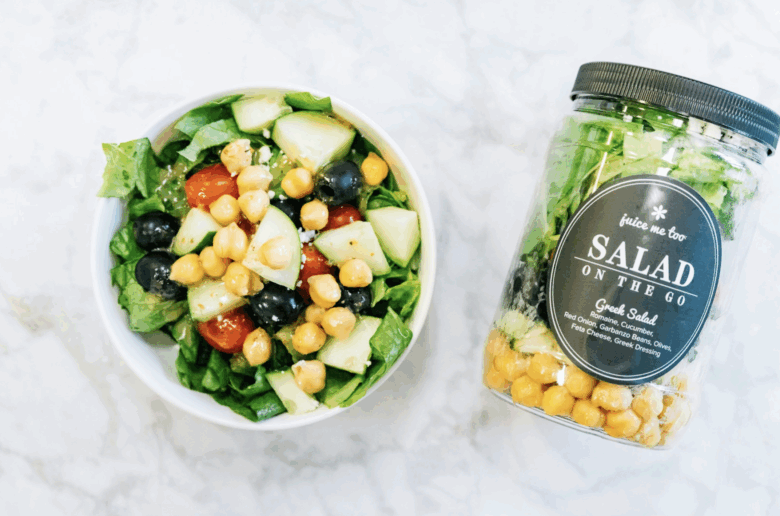
Pre-packaged salad kits
Small amount of greens, tiny packets of dressing, steep price attached to both. Buy a head of lettuce and a bottle of dressing separately instead and it yields several times more salad for roughly the same total.
Organic produce and packaged goods
Nearly 20 percent markup across the board, and a more than $52 billion industry now, per USDA figures, even though plenty of shoppers still can’t clearly explain what separates “organic” from “natural” on the label.
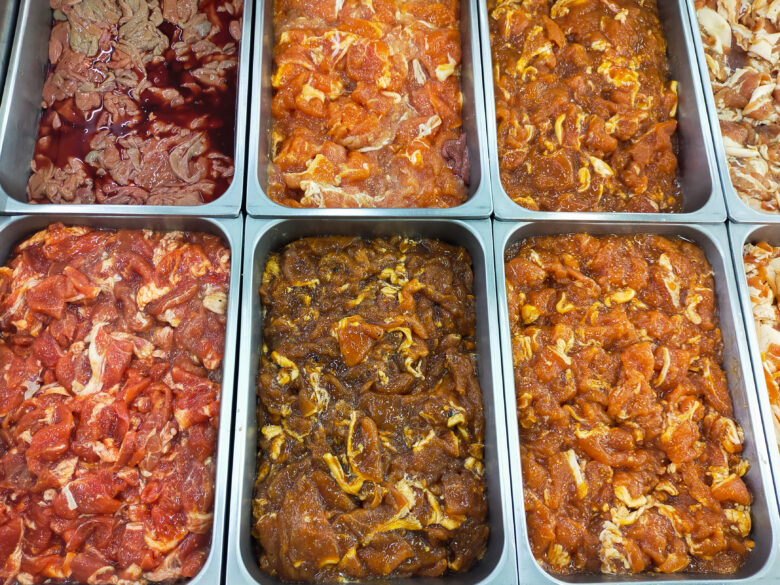
Pre-marinated meats
Saves a few minutes of prep. Costs considerably more per pound than marinating the same cut at home, which takes maybe ten minutes longer and costs roughly a third as much.
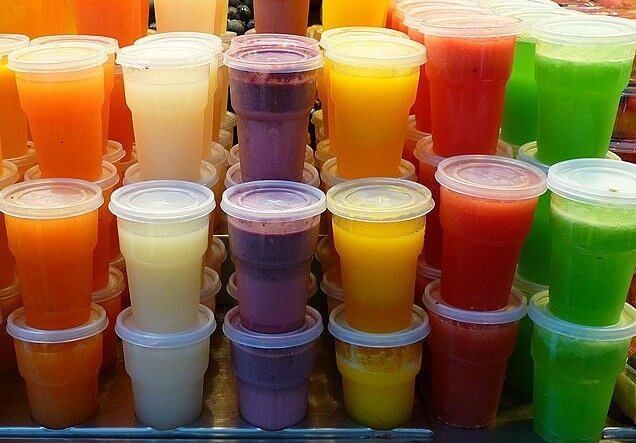
Bottled smoothies
Priced at a premium for something replicable with frozen fruit and yogurt in under five minutes. Frequently carries more added sugar than the “healthy” label suggests, too, a detail easy to miss scanning the fridge case quickly.
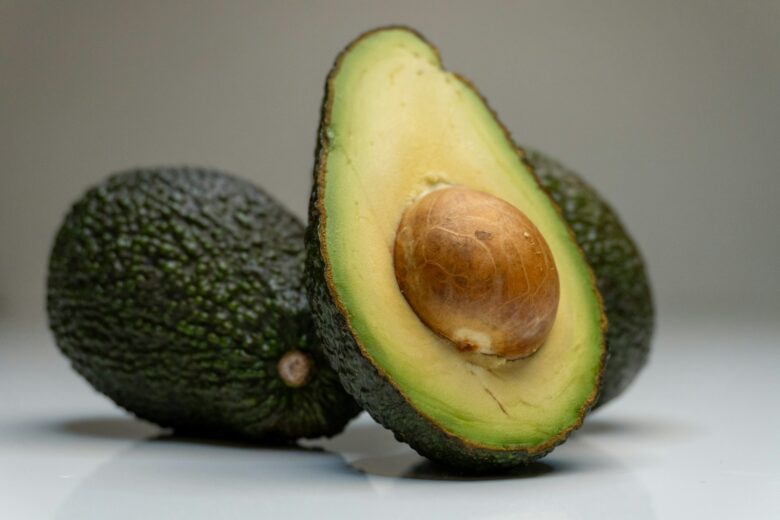
Avocados
Once reliably cheap. Not anymore. Unpredictable weather, rising demand, and labor shortages throughout the supply chain have turned an affordable staple into something closer to an occasional indulgence for plenty of households.

Bagged ice
Water, frozen, sold at a markup that dwarfs making it at home. Genuinely one of the highest-margin items in the entire store, and most shoppers never stop to actually run the numbers.
The bottom line
None of these items are scams exactly, since the convenience is genuinely real in every case. The gap between what that convenience costs and what it’s actually worth, though, has quietly gotten wide enough to notice.
Ask us! What questions do you have about content, strategy, pop culture, lifestyle, wellness, history or more? We may use your question in an upcoming article!
Related:
Like MediaFeed’s content? Be sure to follow us.
This article was syndicated by MediaFeed.co.