Reader question: Which sugar substitutes are healthiest?
“Sugar substitutes. What do you recommend?” A reader asked exactly that, and it’s a question a lot of people are quietly turning over in the grocery aisle without ever fully resolving it.
A quick disclaimer first: we’re not doctors, and we’re not registered dietitians. General information only. Anyone managing diabetes, pregnancy, or another condition where sweeteners actually matter should run this by their own physician before switching anything.
With that out of the way, here’s what the research currently says.
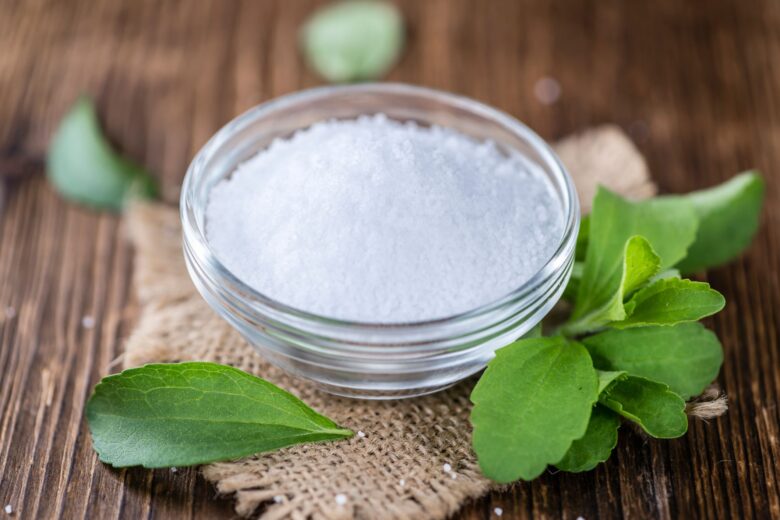
Stevia
Hundreds of years of use in South America, longer than any modern sweetener on this list, originally to help manage blood sugar. Zero calories. Minimal glucose impact. A meta-analysis in Diabetes & Metabolic Syndrome found real benefits for blood sugar and HbA1c control. The bitter aftertaste, though, turns plenty of people off before they even finish the first cup.

Monk fruit
FDA-approved. Centuries of traditional use behind it. Very few reported side effects, and that combination alone explains a lot about why it’s become the go-to pairing in sugar-free products lately. Zero calories, zero effect on glucose or insulin, less aftertaste than stevia for most people.
Allulose
Technically a sugar. Doesn’t metabolize like one, though. Most of it just passes through and gets excreted, nearly calorie-free despite tasting and browning almost exactly like the real thing. Here’s the surprising part: it can reduce the blood sugar spike from other carbs eaten alongside it, by an average of 10 percent. A sweetener that actively helps rather than just avoiding harm.
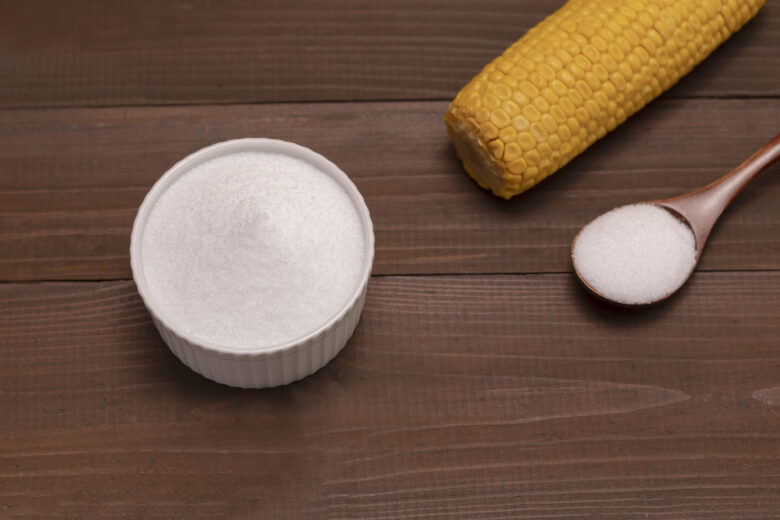
Erythritol
Widely used. Generally well tolerated in small amounts. Recent research complicates that picture, though. A study in Nature Medicine tied high intake to increased risk of blood clots and artery hardening, both linked to cardiovascular disease. The guidance now: stay under 10 grams a day, well below what some processed foods actually use.
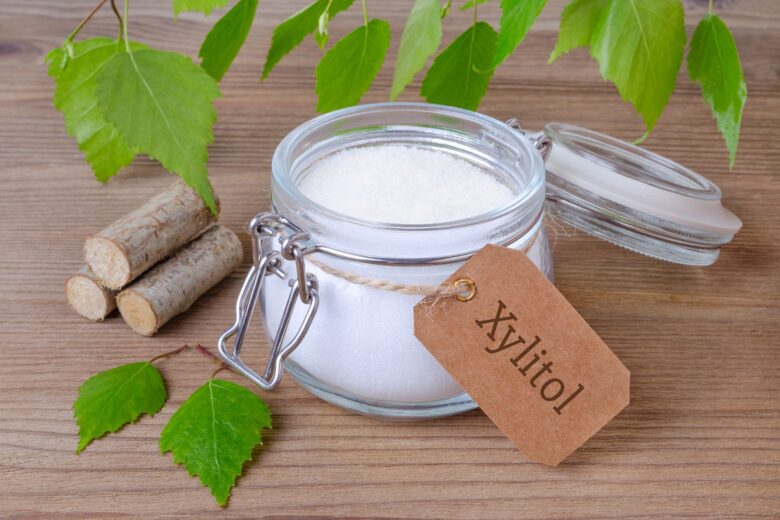
Xylitol
Genuine dental benefits here. Consistent use, roughly 5 to 10 grams spread across a few doses daily, can cut cavities by 30 to 80 percent, per the American Academy of Pediatric Dentistry. But a European Heart Journal study found cardiovascular risks similar to erythritol’s. And it’s genuinely toxic to dogs. Keep it far away from pets, no exceptions.
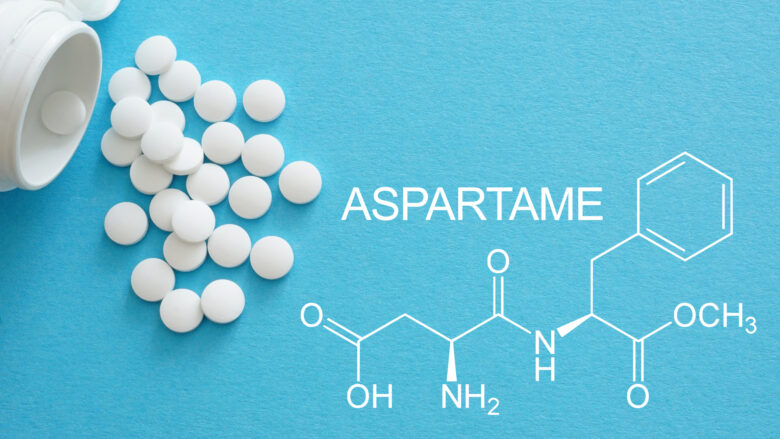
Aspartame and sucralose
The most common artificial sweeteners. Generally recognized as safe in limited amounts by regulators. Getting more complicated lately, though. In 2023, the International Agency for Research on Cancer classified aspartame as “possibly carcinogenic to humans”, the same category as aloe vera extract, worth context rather than panic. Separately, WHO’s 2023 guidance found that non-sugar sweeteners as a whole don’t actually help with long-term weight control.
The bottom line
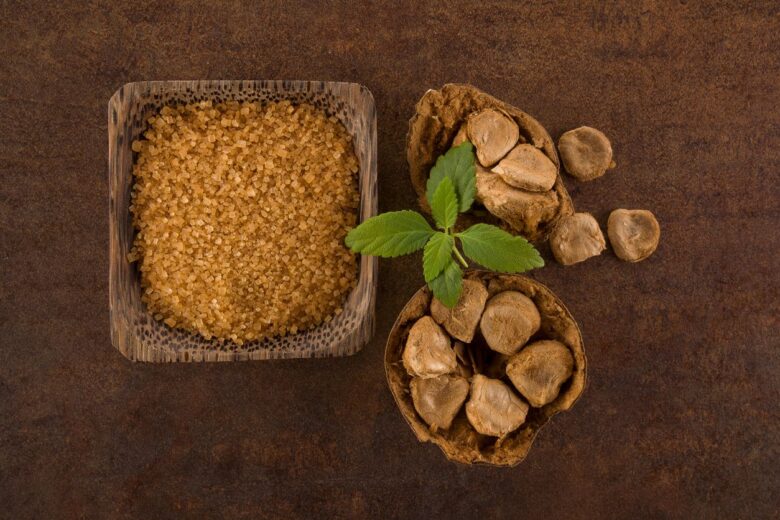
Stevia, monk fruit, and allulose come out ahead on the current research: low or zero glycemic impact, minimal side effects at normal intake. Erythritol and xylitol both carry real caveats worth taking seriously. General information, not a prescription. Anyone with specific health concerns should still run their own choice past a doctor.
Ask us! What questions do you have about content, strategy, pop culture, lifestyle, wellness, history or more? We may use your question in an upcoming article!
Related:
- 10 healthier fast food orders that are actually worth trying
- 20 foods we stock up on before they disappear
Like MediaFeed’s content? Be sure to follow us.
This article was syndicated by MediaFeed.co.