Odd Victorian habits that sound made up today
There’s a considerable distance between us and the Victorians, at least on the surface. Dig into a book like Judith Flanders’ Inside the Victorian Home, though, and that distance starts to look smaller than expected. The Victorians normalized an entire set of domestic oddities most people today have never heard of, alongside genuinely strict social codes. An exposed ankle, for instance, was scandalous enough in mixed company that entire fashion choices were built around hiding it.
Here are some of the strangest habits that were completely ordinary at the time.
Photographing the dead
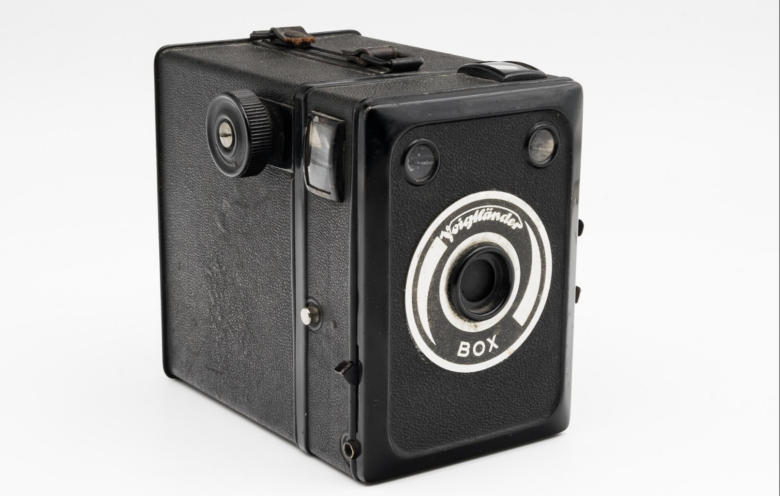
New. Expensive. That’s what photography still was in the mid-1800s, and for plenty of families, a photograph taken after death was the only image they’d ever have of a lost loved one. These post-mortem portraits often posed the deceased as though sleeping, sometimes propped upright alongside living relatives in the same frame.
Wearing jewelry made from a dead relative’s hair
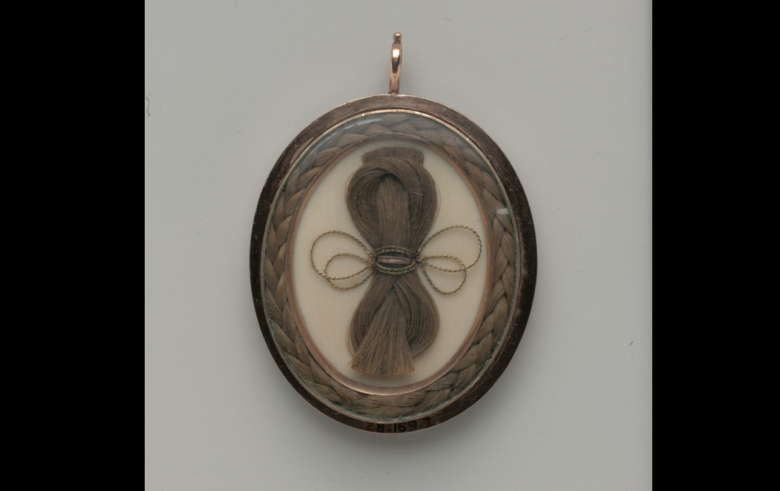
Hair was seen as carrying something of the person’s essence, imperishable in a way flesh wasn’t. As a result, mourning jewelry made from a loved one’s hair became a genuine daily accessory. Queen Victoria herself wore a locket containing both a photograph of Prince Albert and a lock of his hair, for the rest of her life.
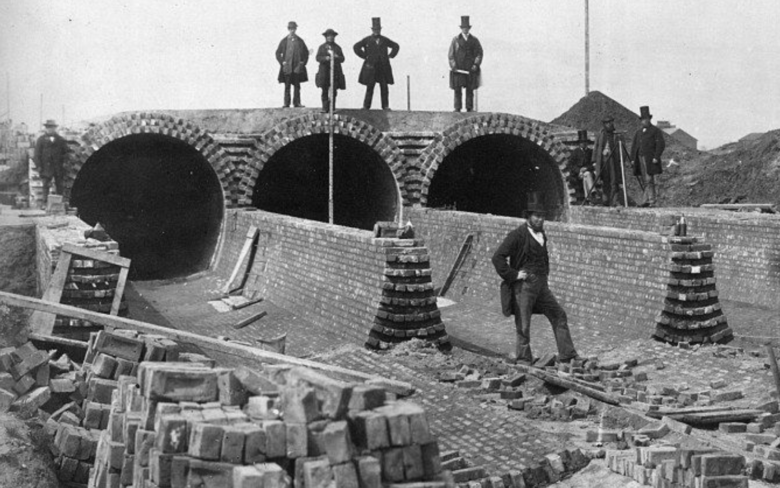
Scavenging the sewers for lost valuables
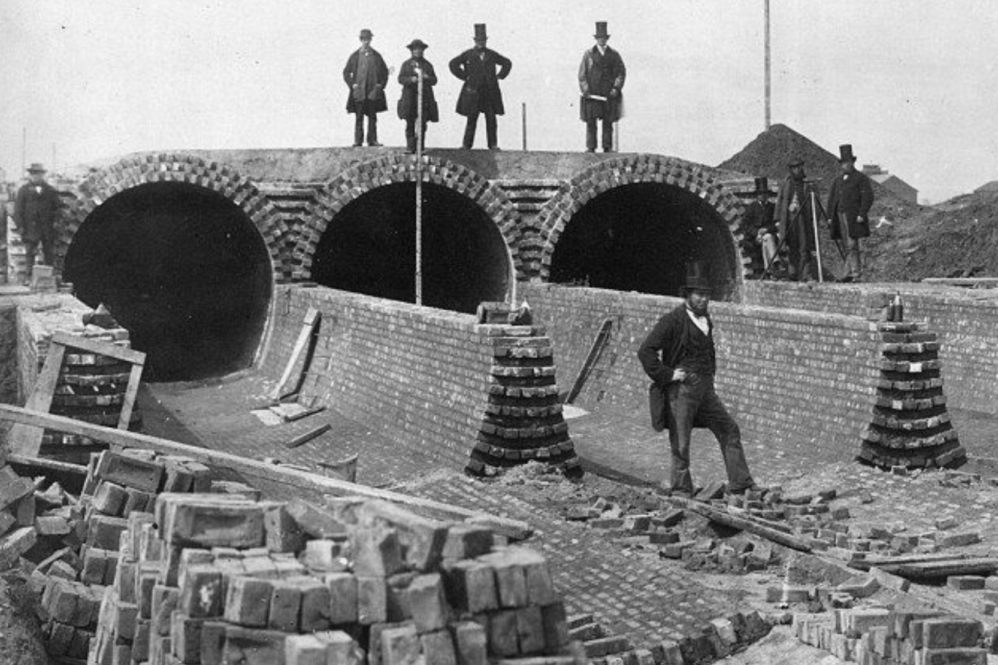
Men known as “toshers” made a living wading through London’s sewer system, searching for lost coins, jewelry, and anything else worth scavenging. Genuinely dangerous. Disease-ridden. One tosher could earn roughly six shillings a day, putting them among the better-paid members of London’s working class.
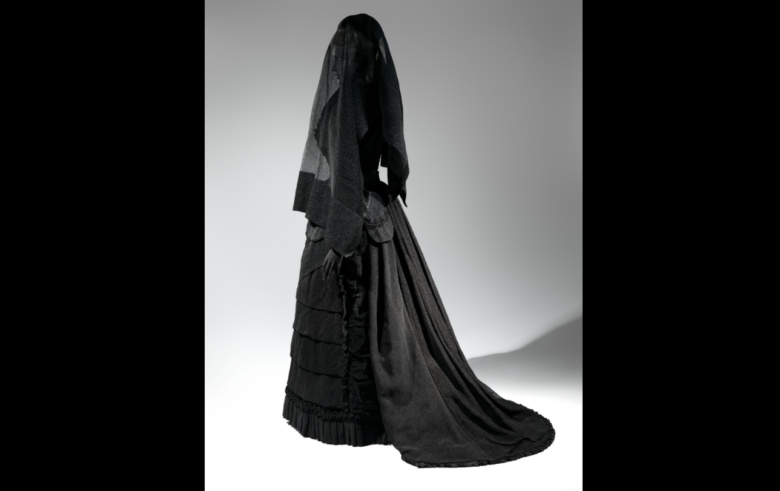
Mourning veils dyed with arsenic
Deep mourning required heavy, dark crepe fabric, dyed a shade so intense it sometimes contained actual arsenic. Physicians eventually spoke out publicly. Women wearing these veils, sometimes six to eight feet long, began developing breathing problems and skin burns from prolonged exposure to the dye itself.
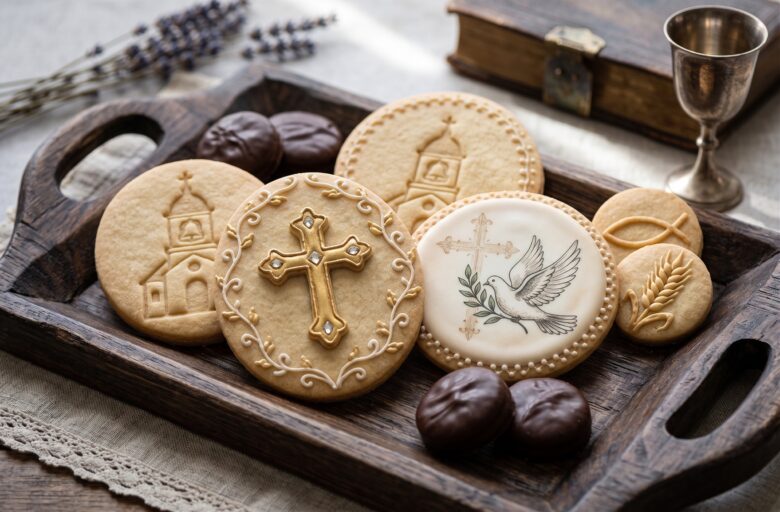
Placing biscuits on a corpse’s chest
Drawing on older sin-eating traditions, funerary biscuits got placed directly on a deceased person’s chest. Believed to absorb something of their spirit before being handed out to mourners as keepsakes. Bakeries eventually caught on, began marketing these cookies commercially, wrapped in packaging printed with mourning poems.
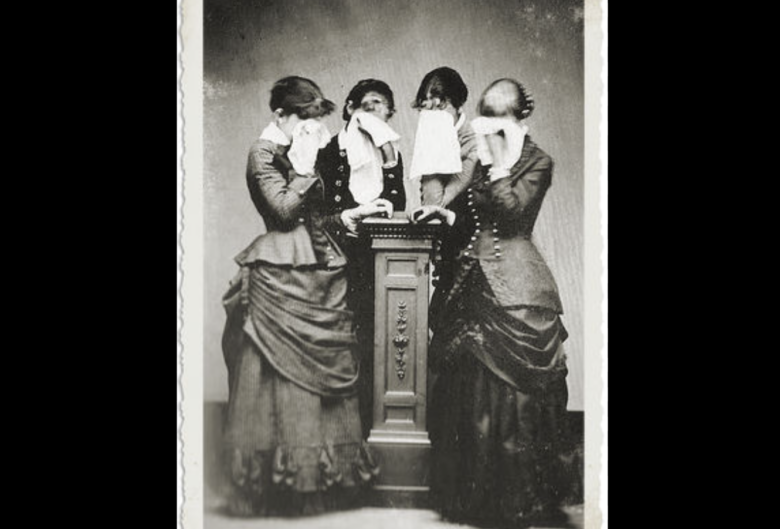
Hiring professional mourners
Families who could afford it hired strangers, known as “mutes,” to stand outside the home of the deceased looking appropriately somber. Their presence functioned as a status symbol, a public signal that the person who’d died was important enough to warrant visible, paid grief.
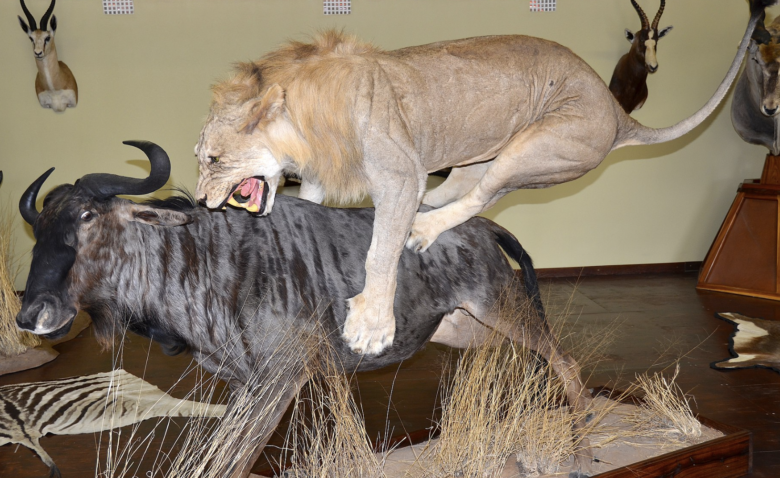
Turning dead animals into taxidermy tableaux
Dead kittens seated at a schoolroom desk. Rabbits playing croquet. Taxidermist Walter Potter built an entire reputation on elaborate scenes like these: stuffed animals posed doing human activities. His tiny museum in Bramber, Sussex, delighted visitors for nearly 150 years, including Queen Victoria. Nobody’s entirely sure why this became so fashionable among the Victorian upper class. Only that it genuinely did.
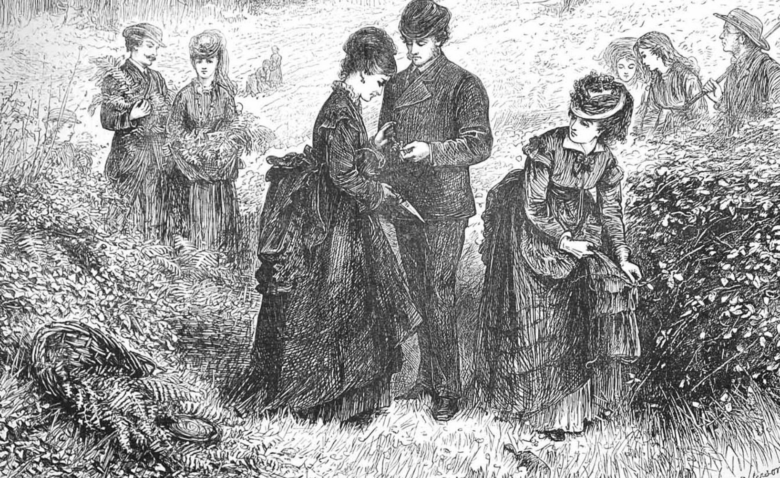
Collecting ferns to the point of obsession
Pteridomania, the era’s actual term for it, gripped the country hard enough that every autumn from the 1850s onward, Victorians swarmed into the woods to collect specimens, spending real fortunes on elaborate glass display cases. Some risked genuine physical danger climbing dangerous cliffs to find rare ones. All for a plant most people today wouldn’t look at twice.
The bottom line
None of these habits felt strange to the people living through them. Death, beauty, and status all collided constantly in the Victorian era, and what reads today as gothic horror was, at the time, just an ordinary Tuesday.
Ask us! What questions do you have about content, strategy, pop culture, lifestyle, wellness, history or more? We may use your question in an upcoming article!
Related:
- Cocaine, opium & child labor: The secrets of Victorian life
- The Victorian-era parenting practices that were even worse than the 1950s
Like MediaFeed’s content? Be sure to follow us.
This article was syndicated by MediaFeed.co.