Features in old cars that made complete sense at the time
Look at a car from fifty or eighty years ago and half its controls read as genuinely bizarre now. A crank on the front bumper, a switch bolted to the floor; none of it was strange back then. Every piece solved a real problem with the exact technology available at the time.
Here are some common old car features that existed to solve questions that modern engineers no longer even have to ask.
Running boards
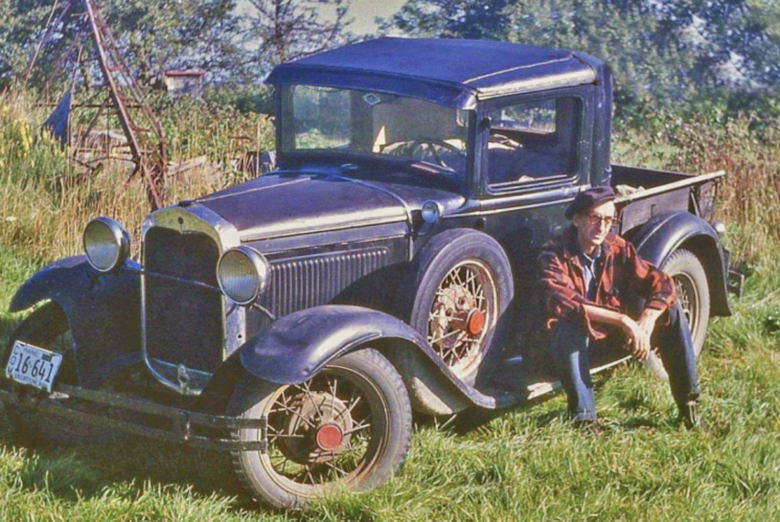
That ledge running along the side of early cars wasn’t decoration. Cars sat considerably higher off the ground back then, styled after horse-drawn carriages, and running boards functioned as an actual step for getting in and out. They also doubled as storage shelves for petrol cans and spare tires, useful right up until lower car bodies made the feature unnecessary.
Suicide doors
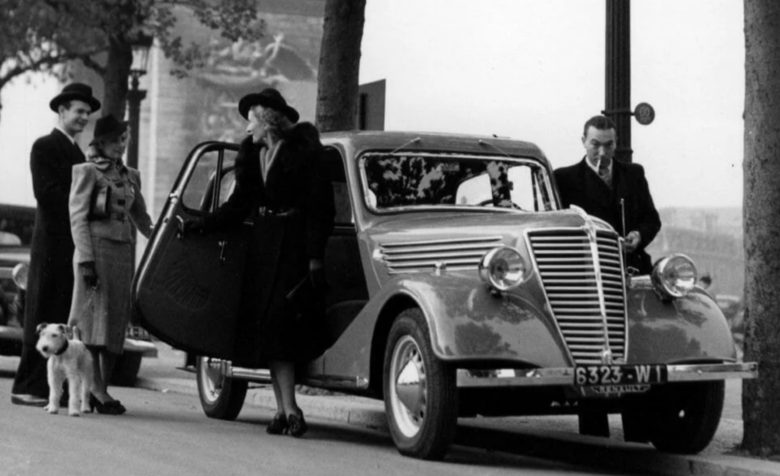
Rear-hinged doors, opening backward relative to how nearly every car opens today, existed on cars like the 1961 Lincoln Continental specifically because they made entry and exit easier, especially in chauffeur-driven situations. The design fell out of favor because of safety concerns: a rear-hinged door could swing open into traffic if it wasn’t latched properly, or worse, at speed.
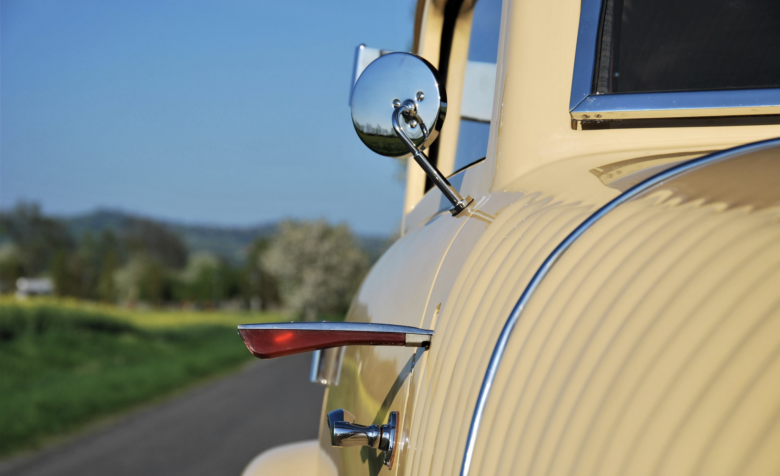
Trafficators
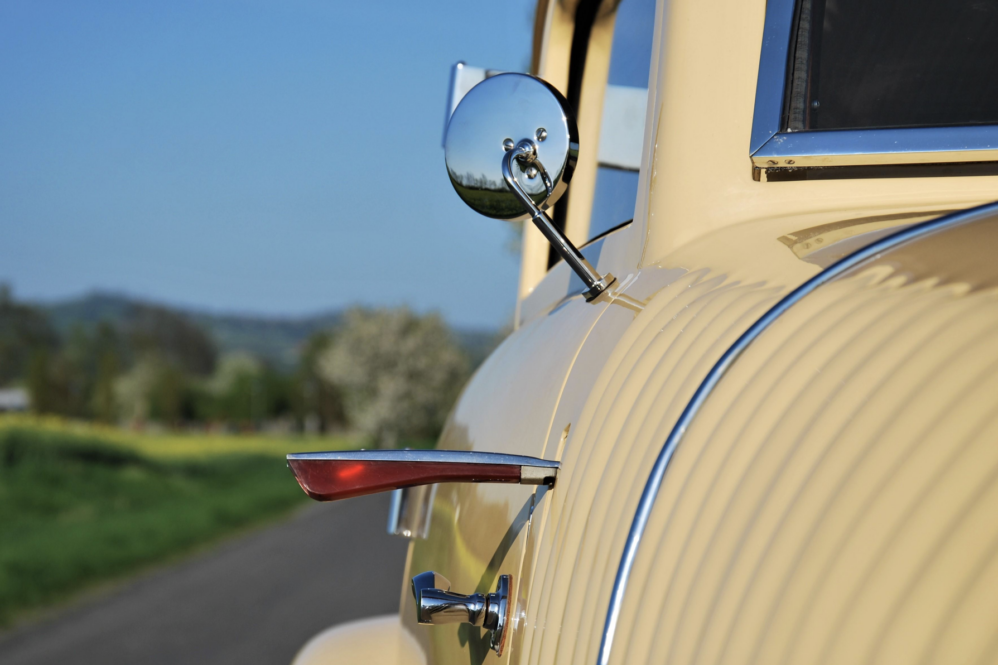
Small mechanical arms that popped out from the side of the car to signal a turn, common on British cars through the 1920s and beyond, before flashing turn signals existed at all. They jammed constantly, froze in winter, and could injure pedestrians when they popped out unexpectedly at head or arm height. Still, for the era, it beat sticking an arm out the window and hoping the driver behind noticed.
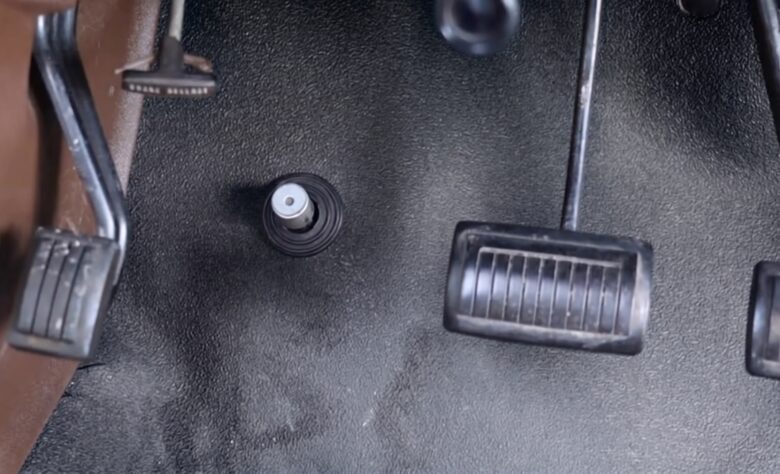
Floor-mounted starter buttons
Starting some early ’60s cars meant pressing the clutch with one foot while stepping on a separate starter button with the other, all while working the accelerator. Genuinely required real coordination, and collectors today still demonstrate it as a party trick, half novelty, half genuine engineering artifact of an era before the key-turn ignition consolidated everything into one motion.
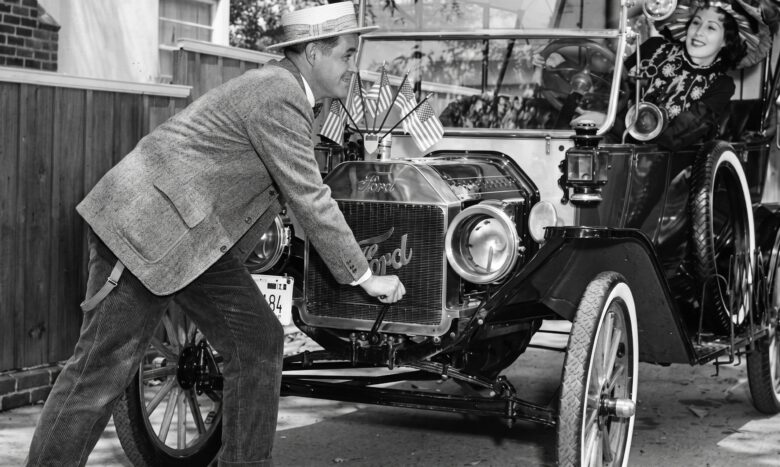
The hand-crank starter
Before electric starters existed, starting a car meant physically rotating a crank at the front of the vehicle, real physical exertion, occasional injuries when the engine kicked back unexpectedly. The push-button starter that replaced it wasn’t a luxury upgrade. It was a genuine safety improvement nobody thought twice about once it arrived.
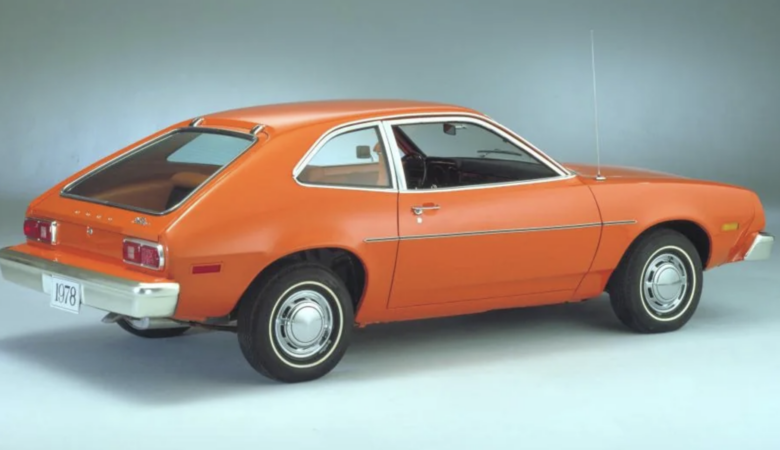
A single side mirror
Most cars through the 1960s came standard with only a driver’s side mirror. The passenger side mirror was an optional extra, a cost-cutting decision that seems almost unthinkable by modern safety standards, where blind spot monitoring and wide-angle glass are basically assumed on any new car sold today.
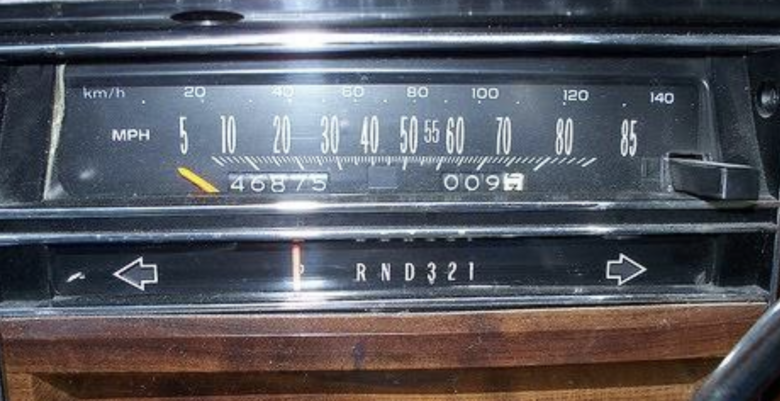
The 85 mph speedometer
Federal law capped speeds at 55 mph through the 1970s, aimed at fuel conservation and safety after the oil crisis, and yet cars still shipped with speedometers reading up to 85 mph. Nobody was expected to actually reach that number legally. It was simply the standard gauge design manufacturers already had on hand, repurposed rather than redesigned for a speed limit nobody thought would last forever.

The bottom line
None of these features were poorly engineered. They were engineered for a completely different set of assumptions about materials, safety standards, and what a driver was reasonably expected to handle manually. Technology just moved past every single one of them, one generation at a time.
Ask us! What questions do you have about content, strategy, pop culture, lifestyle, wellness, history or more? We may use your question in an upcoming article!
Related:
Like MediaFeed’s content? Be sure to follow us.
This article was syndicated by MediaFeed.co.