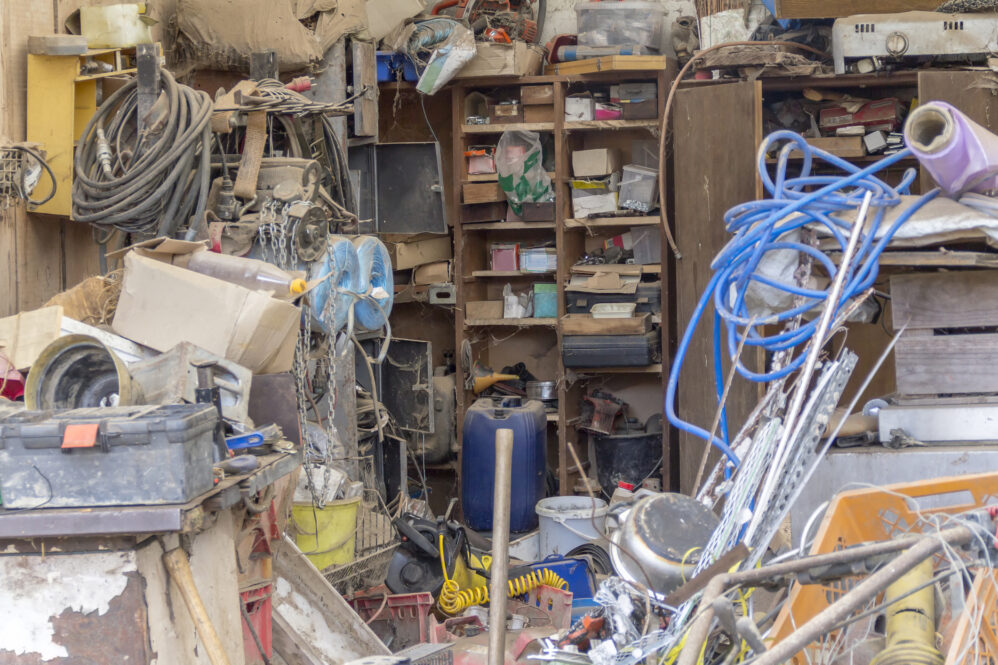
10 things your garage is crying out for you to throw away
A garage has a way of becoming the one room nobody actually audits, which somehow gives us permission to dump in there whatever items we don’t know where else to put. Things go in for temporary storage and just stay there, until the space stops functioning as a garage and starts functioning as a very inconvenient museum.
Here are 10 things in your garage you should throw away, ASAP.

Half-empty paint cans
Two years or sometimes less than that. That’s how fast latex paint can spoil once temperature swings and air exposure get involved. A sour smell. A chunky texture nobody wants near a wall. Unless the cans have been stored somewhere climate-controlled, a laundry room shelf, a utility closet, most garage-stored paint is dead weight long before anyone remembers it’s there.
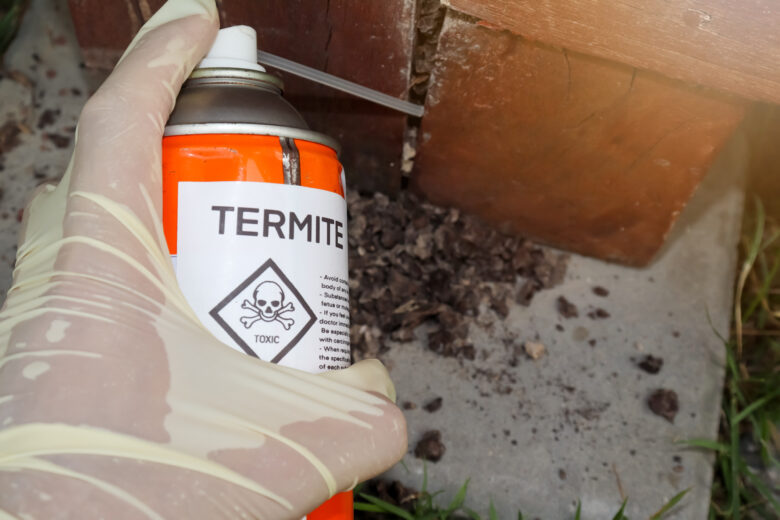
Expired pesticides
Flammable solvents don’t stay stable forever. Sitting in a hot garage for years, they genuinely become unstable. Fire risk on one end. Off-gassing on the other. Neither’s worth the shelf space it’s taking up.
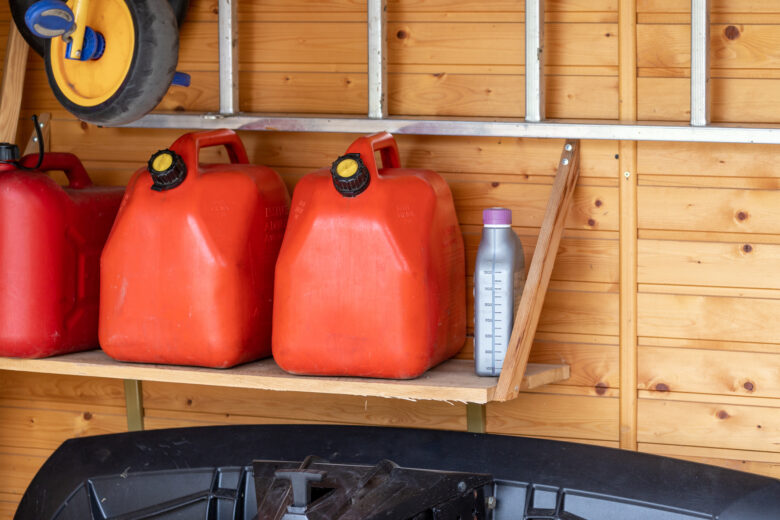
Old motor oil and gasoline
One oil change’s worth. That’s all it takes for used motor oil to contaminate millions of gallons of water, per EPA estimates, if it ends up somewhere it shouldn’t. That half-full jug in the corner isn’t harmless clutter. It’s hazardous waste, and it needs a real drop-off point, not a spot in the regular trash.

Dead batteries
Household batteries. Lithium-ion packs. Old AAs from a drawer nobody’s opened in years. None of it belongs in regular trash, ever. The EPA warns against tossing any battery type into normal waste, and several states have banned it outright. Fire risk on one side, contamination on the other. Worth the extra five minutes it takes to do it right.

Cardboard boxes
Fine for a move. Terrible for long-term garage storage. Humidity turns cardboard into a magnet for mildew, mold, silverfish, cockroaches, and rodents looking for something to chew through or nest inside. Most people don’t notice until they finally open one years later.

Rusted hardware and broken tools
A drawer of mismatched screws. A tool with a cracked handle. Neither gets fixed. Both just sit there, occupying space, waiting for a repair project that statistically isn’t coming, according to organizers who see this exact pattern play out in nearly every garage they walk into.
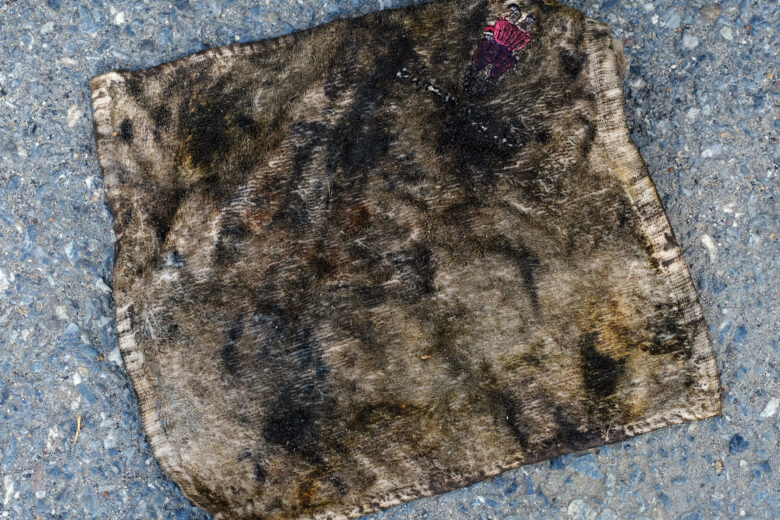
Oil-soaked rags
This one sounds fake, but it’s genuinely not. Rags soaked in linseed oil, tung oil, wood stain, or motor oil can spontaneously combust, with no spark or ignition source required. The oil oxidizes as it dries, generates heat, and if that heat gets trapped in a balled-up rag, it builds until it ignites on its own. The National Fire Protection Association estimates roughly 14,000 fires a year start this exact way, and garages are the single most common location.

Non-functioning string lights
Eight tangled bundles of Christmas lights. Half don’t light up anymore. Taking up shelf space for a problem that cheap, reliable LED replacements already solved years ago. LEDs use up to 90 percent less energy than old incandescent strands, so nobody needs to test bulb by bulb every December just to save a string that costs more to run than to replace.

Expired fire extinguishers
Pressure gauges fade over time. Chemical propellant loses effectiveness. Past its rated lifespan, typically 10 to 12 years for a residential unit, a fire extinguisher isn’t backup safety equipment anymore. It’s a false sense of security sitting quietly on a shelf, and it can’t just go in the trash either, since pressurized cylinders pose a real risk during compaction. Most local fire departments or hazardous waste facilities will take expired units off your hands instead.
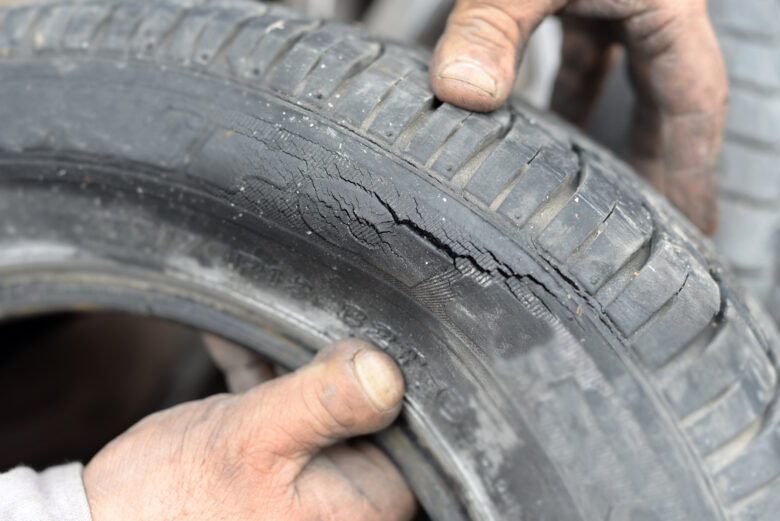
Old tires
Not regular trash. Not bulk pickup either. Nearly every US state bans whole tires from landfills outright, since trapped methane gas makes them buoyant enough to rise back up through the layers and tear through containment systems. A stack in the corner isn’t backup inventory. It’s just floor space going to waste, indefinitely.

The bottom line
None of this clutter accumulated on purpose. It built up one “I might need this someday” decision at a time, and most of those somedays never actually arrive.
Ask us! What questions do you have about content, strategy, pop culture, lifestyle, wellness, history or more? We may use your question in an upcoming article!
Related:
Like MediaFeed’s content? Be sure to follow us.
This article was syndicated by MediaFeed.co.