Ancient discoveries that changed the history books
A farmer’s shovel hits stone. A shepherd chases a lost goat into the wrong cave. History rarely announces itself. Yet some of the biggest rewrites on record started with exactly this kind of accident.
Each discovery below did roughly the same thing. It took an assumption historians had trusted for generations and quietly dismantled it.
The Rosetta Stone
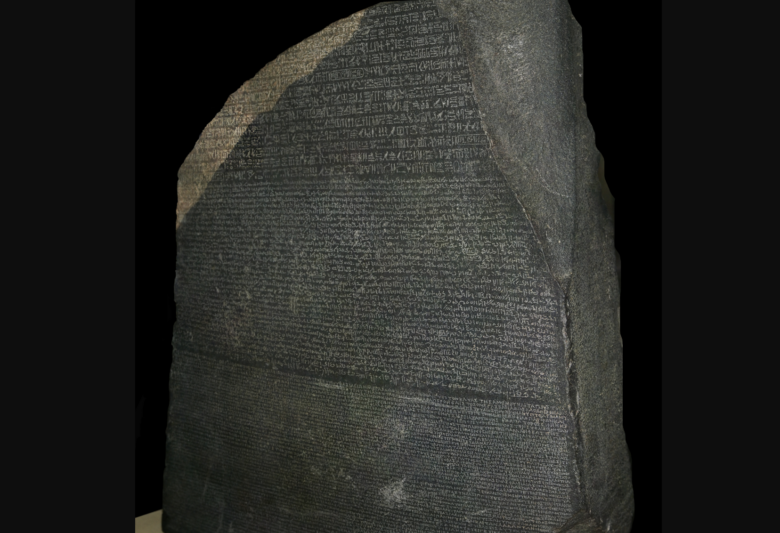
Egyptian hieroglyphics sat unreadable for roughly 1,400 years. A dead language. Nobody alive could translate it. French soldiers near Rosetta stumbled onto a broken slab in 1799, carved with one royal decree in three scripts at once: hieroglyphics, Demotic, and ancient Greek. Everyone could read the Greek part. Jean-François Champollion spent over twenty years working from there before cracking the full code in 1822, and an entire civilization’s written record came back online almost overnight.
Göbekli Tepe
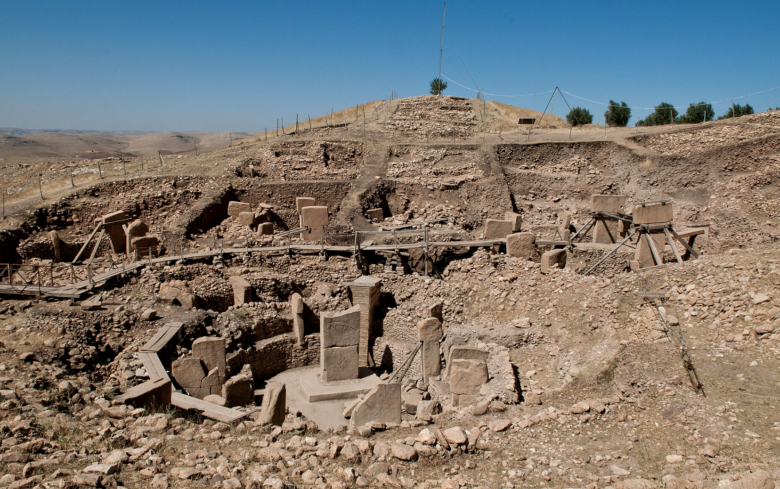
The assumed order went: farming first, settlements second, temples last, once people had the surplus food and spare time for ceremonial building. Massive carved stone pillars in southeastern Turkey completely wrecked that timeline. UNESCO’s own listing dates the site’s monumental structures to between 9,600 and 8,200 BCE, erected by hunter-gatherers in the Pre-Pottery Neolithic age, six thousand years older than Stonehenge, before agriculture even existed in the region. The old chronology didn’t survive contact with this site. Not even close.
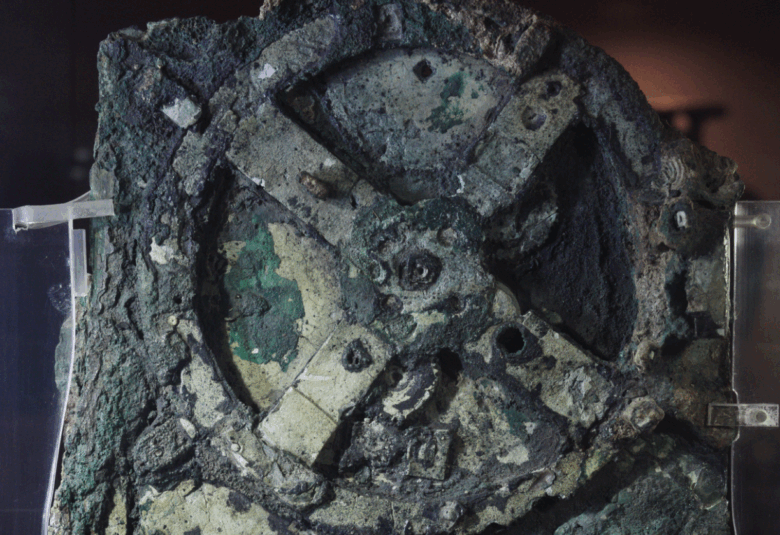
The Antikythera Mechanism
Pulled from a Greek shipwreck in 1901, sitting mostly ignored among the other salvage for a year, an unremarkable bronze lump nobody thought much of. Then in 1902, an archaeologist examining the piece noticed a gear wheel embedded in the corrosion, and researchers realized what it actually was: a mechanical computer, precise enough to track eclipses and planetary movement. Nothing built for another thousand years came close. Ancient Greek engineering had been badly underestimated throughout.
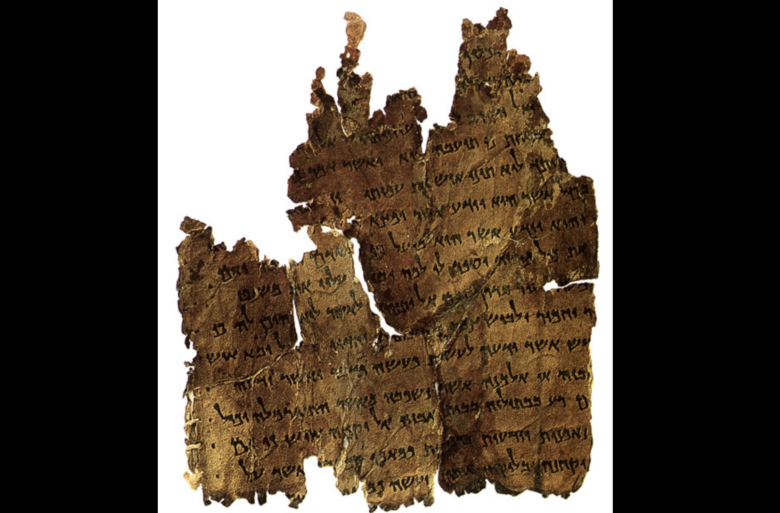
The Dead Sea Scrolls
A Bedouin shepherd went looking for a stray goat in the 1940s. Found manuscripts instead, tucked inside a cave near the Dead Sea, material that would occupy biblical scholars for the rest of the century. The scrolls opened a direct window into Second Temple Judaism and the earliest roots of Christianity. Nothing else had survived anywhere. A lost goat still shapes seminary curricula today.
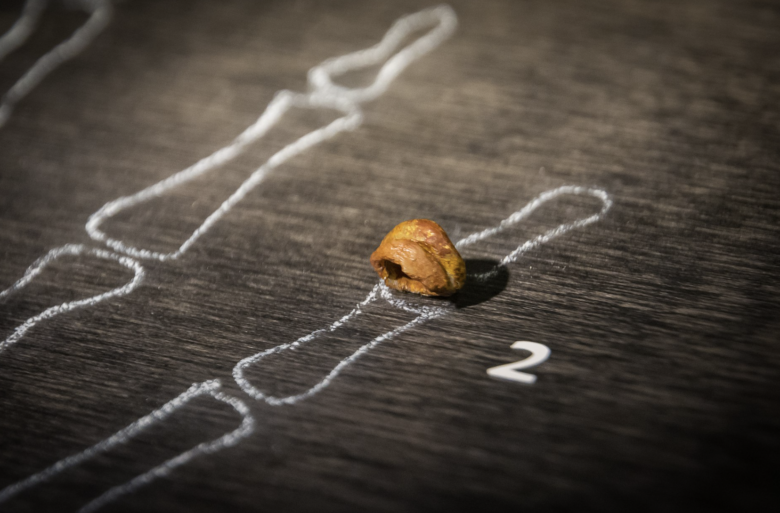
The Denisovan finger bone
Neanderthal DNA or modern human DNA. Those were the two expected outcomes when researchers analyzed a tiny bone fragment from Siberia’s Denisova Cave, excavated in 2008 and sequenced by 2010. Got neither. The genome sequencing, published in Nature, revealed an entirely unknown branch of the human family tree, one that contributed 4 to 6 percent of its genetic material to present-day Melanesian populations. Ancient humans interbred with far more distant cousins than anyone assumed. All from one small bone.
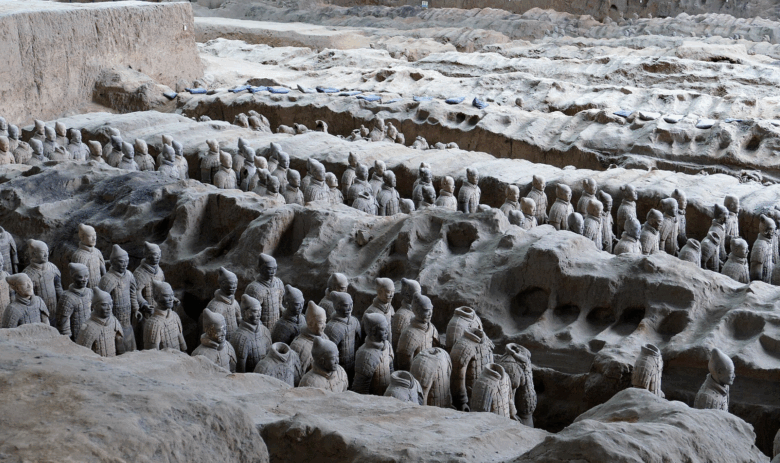
The Terracotta Army
Farmers digging a well in China. 1974. A well, nothing more ambitious than that. What they hit instead was an army: thousands of life-sized clay soldiers, each uniquely crafted with distinct expressions, standing guard over the tomb of China’s first emperor. The scale alone forced a serious reconsideration of how organized, and how ambitious, the Qin dynasty actually was.
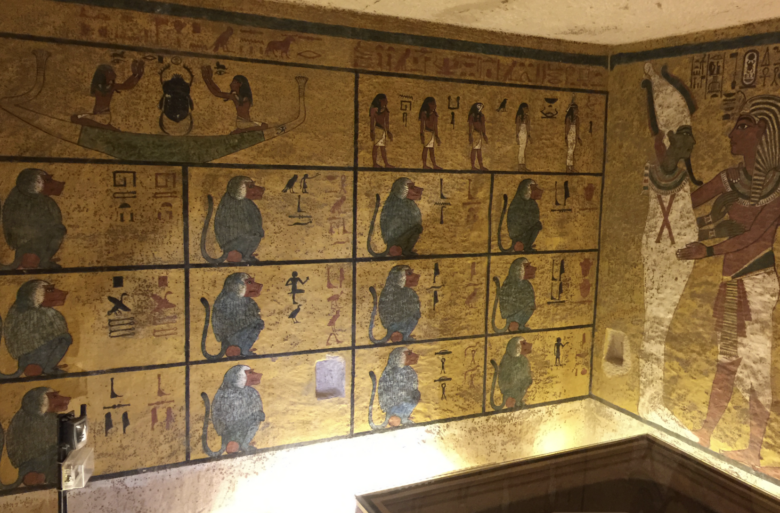
Tutankhamun’s tomb
Most Egyptian royal tombs got looted within a generation or two. Not this one. Howard Carter broke through in 1922 and found the richest intact royal burial ever discovered in Egypt, essentially untouched for over three thousand years. The density of preserved artifacts gave archaeologists something they’d never had before, an unfiltered, complete look at royal Egyptian life and burial ritual, all in a single place.
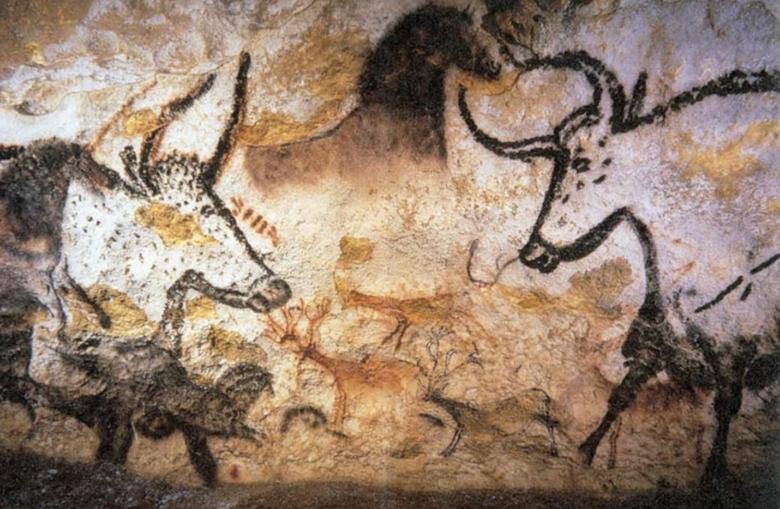
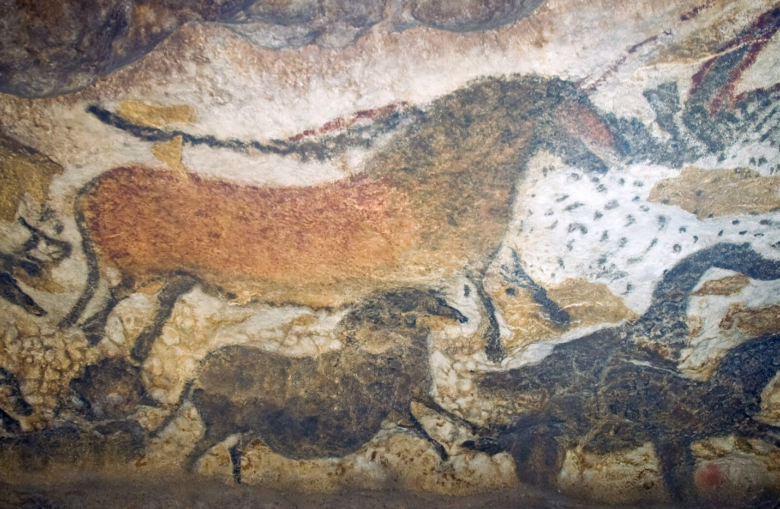
The Lascaux cave paintings
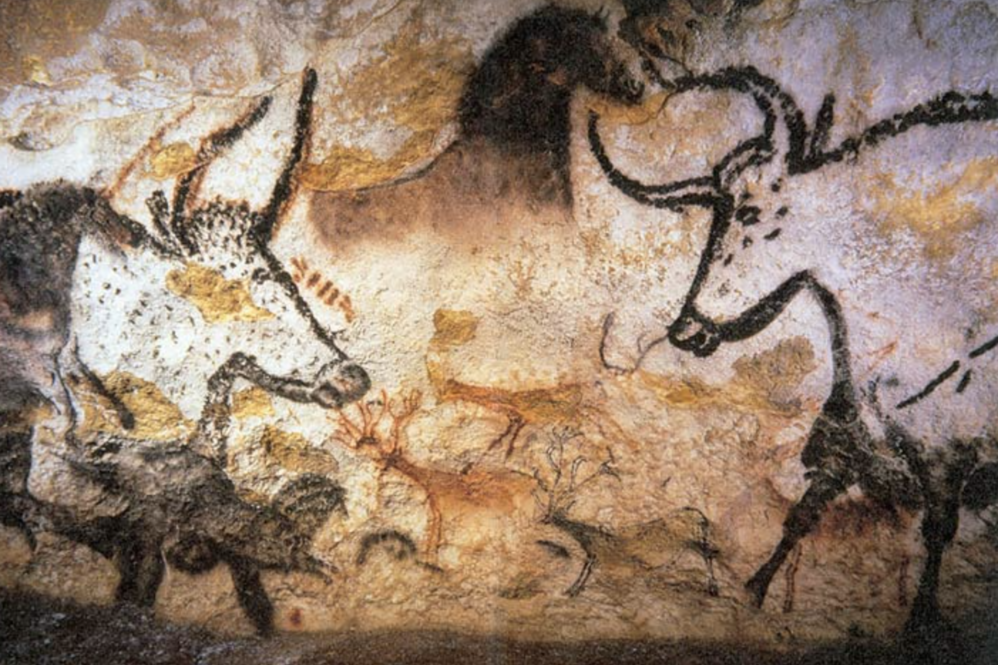
Four teenagers. A dog. A hole in the ground near Montignac, France, in 1940. What they found inside changed how historians thought about the Paleolithic mind entirely. Paintings more than 17,000 years old, depicting animals with a level of skill nobody expected from that era. Assumptions about when complex human creative thought actually began got pushed back considerably.
The bottom line
Same arc, every time. A settled assumption walks in, and something a farmer or a shepherd or a teenager tripped over quietly takes it apart. History isn’t finished being written. It’s just waiting on the next shovel.
Ask us! What questions do you have about content, strategy, pop culture, lifestyle, wellness, history or more? We may use your question in an upcoming article!
Related:
- Historical “discoveries” that turned out to be elaborate hoaxes
- Some of the most surprising record deals in music history
Like MediaFeed’s content? Be sure to follow us.
This article was syndicated by MediaFeed.co.