
The worst advice Boomers were told
Every generation absorbs a set of rules before they’re old enough to question any of them. Boomers got theirs delivered with total confidence, by parents who’d survived the Depression and a world war and weren’t exactly in the mood for debate.
The same handful of rules keep resurfacing whenever writers dig into this generational gap. Rules that shaped how an entire generation handled money, family, and each other.

Spare the rod, spoil the child
Not just tolerated. Treated as the entire theory of good parenting, full stop. Obedience through fear rather than actual understanding, and parents genuinely believed this method instilled respect. Questioning it barely registered as an option worth considering.
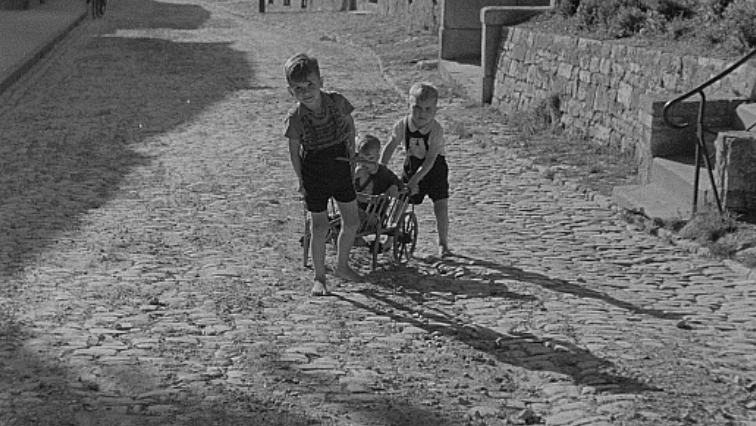
Boys don’t cry
Vulnerability read as weakness. Especially for young men. Emotional repression got mistaken for strength across an entire generation, and the cost showed up later, in men who struggled to name a basic feeling well into their fifties and sixties.

Never discuss money
Salary. Rent. What something cost. All of it stayed private, treated as impolite regardless of context. Boomers were heavily discouraged from talking about finances at all, a habit that’s made it harder to pass down basic financial literacy ever since.

A woman’s place is in the home
Gender roles arrived pre-assigned. Rarely questioned. Men earned; women stayed home and raised the kids; and the ideal man was defined almost entirely by the size of his paycheck. Took decades to loosen that framework’s grip.

Never question authority
Obedience was the default. Silence, the expectation. That combination created real problems, particularly for girls raised to defer automatically, because when speaking up is discouraged categorically, mistreatment can go unchecked for years without anyone saying a word.

What happens at home stays at home
Family struggles, shameful. Something to hide, not address. That silence disrupted the image families wanted to project, making it feel less like a reasonable response and more like a betrayal of the household itself.

If you can’t pay cash, you can’t afford it
Frugality, treated as the only acceptable financial philosophy. Credit avoided almost entirely. Admirable in one sense, honestly, since it kept plenty of families debt-free. It also meant missed opportunities to build wealth through real estate or stocks, the kind that required borrowing to even access in the first place.

The bottom line
None of these rules came from cruelty. Most came from parents doing their honest best with whatever their own upbringing had handed them. What’s changed isn’t the intent behind the advice. It’s the slow, overdue recognition of what all that silence and obedience actually cost.
Ask us! What questions do you have about content, strategy, pop culture, lifestyle, wellness, history or more? We may use your question in an upcoming article!
Related:
- 15 Things Boomers Still Miss About the Way Life Used to Be
- 7 everyday baby boomer habits that are illegal today
Like MediaFeed’s content? Be sure to follow us.
This article was syndicated by MediaFeed.co.