10 historical facts your high school history teacher definitely skipped over
Textbooks have a limited number of pages. A school year has a limited number of weeks. Somewhere in that math, entire chapters of American history quietly fell off the syllabus.
The reasons behind the omissions turn out to be less about space and more about choice.
The Tulsa Race Massacre
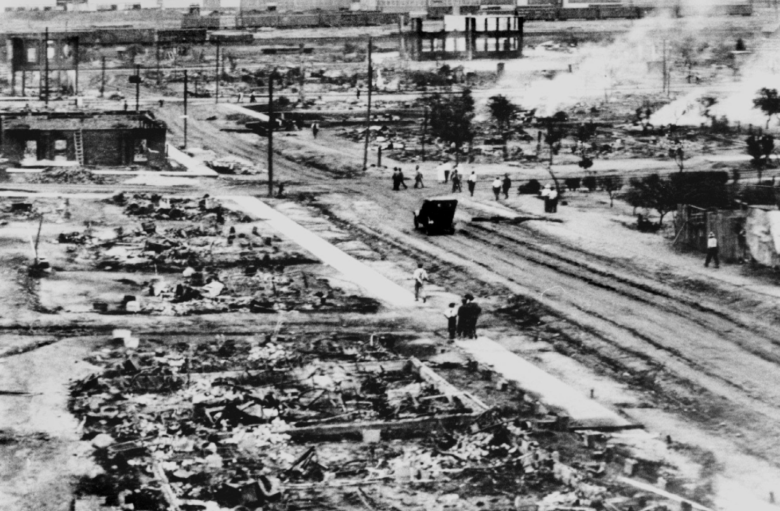
A white mob destroyed the Greenwood District, Black Wall Street, over two days in 1921. Somewhere between 100 and 300 were dead. Roughly 10,000 were left homeless. Plenty of Oklahomans, including the state’s own education leaders, didn’t learn this happened until adulthood.
The Tuskegee syphilis study
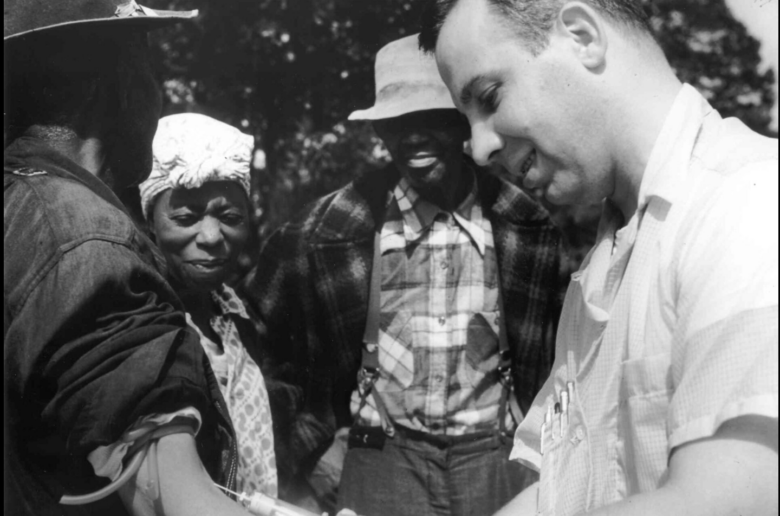
1932. The US Public Health Service enrolls 600 Black men in Alabama. Tells them they’re being treated for “bad blood.” Actually withholds treatment entirely, just to watch what untreated syphilis does. Ran for forty years. Even after penicillin became a known cure in 1947.
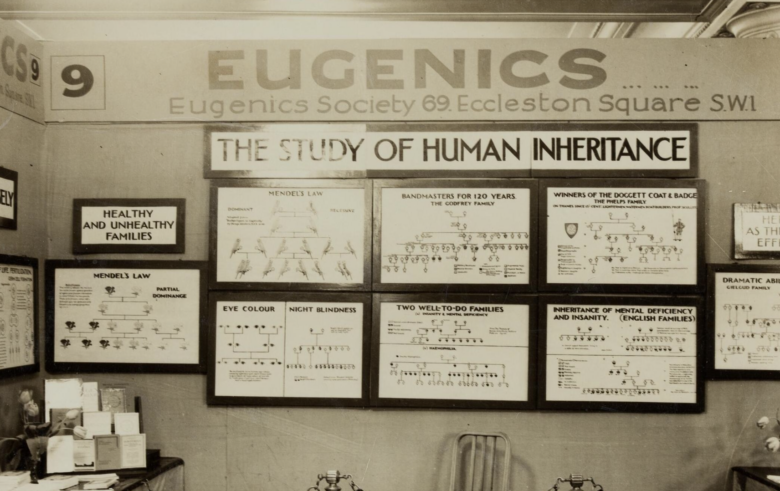
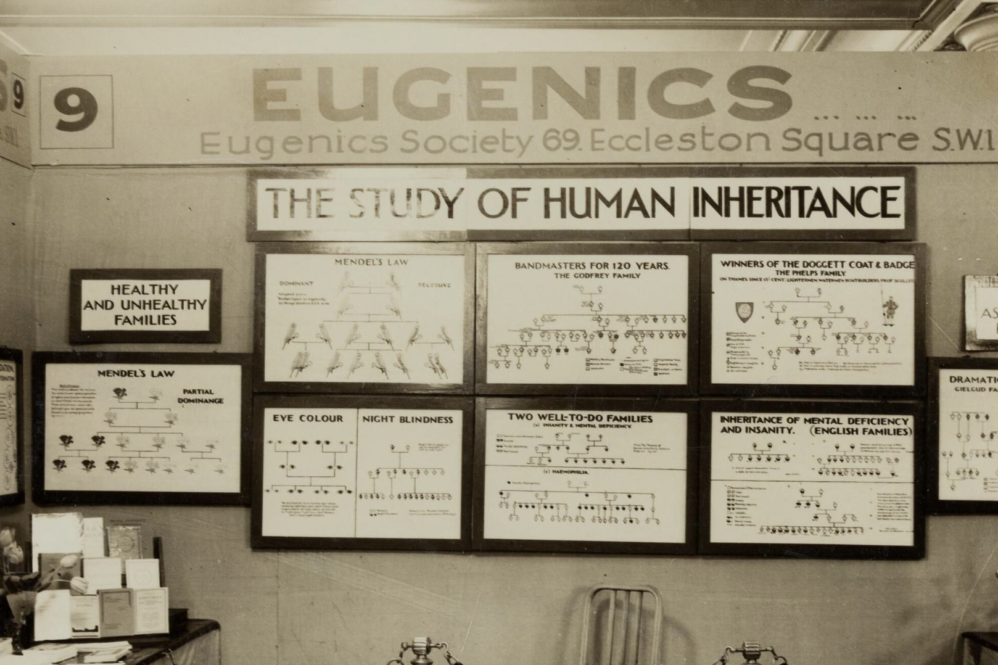
The eugenics movement’s role in American law
Fell out of favor after World War II, eventually. Before that? Justified forced sterilizations, immigration restrictions, racial violence for decades. Not fringe. Actual policy, shaping how the country ran.
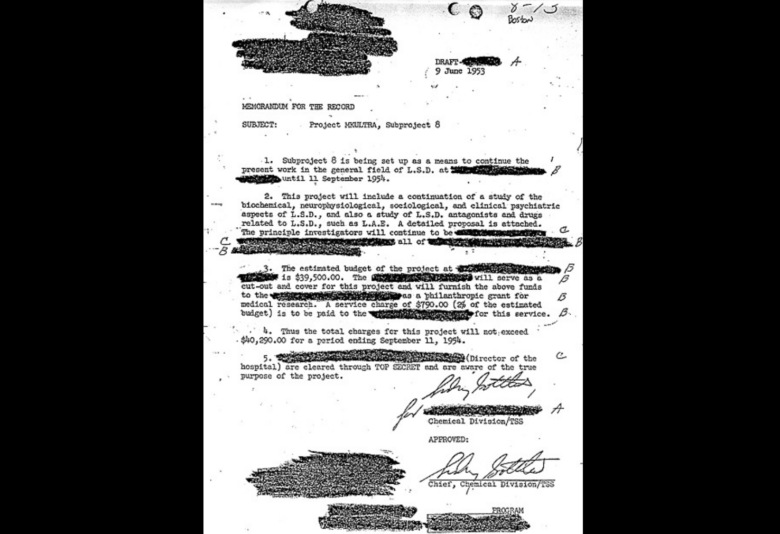
Project MKUltra
CIA mind-control experiments, 1950s into the 1960s. Hypnosis. Forced drug addiction. Chemical-induced amnesia on people who never agreed to any of it. Grew out of an earlier program called Project Artichoke. Classified for decades after.
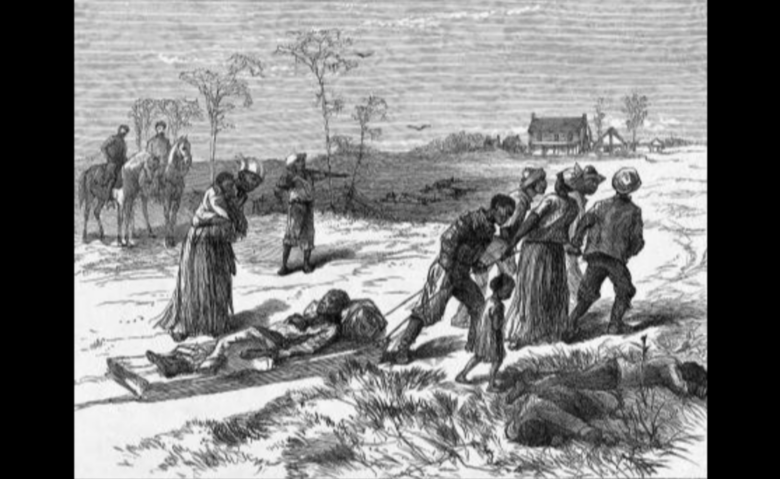
The Colfax Massacre of 1873
A white militia killed as many as 150 Black men in Colfax, Louisiana, one of Reconstruction’s bloodiest single episodes. Historians have called it the bloodiest instance of racial carnage of the entire era, one that helped cripple federal civil rights enforcement for the following century. Gets a sentence, maybe, in most textbooks.
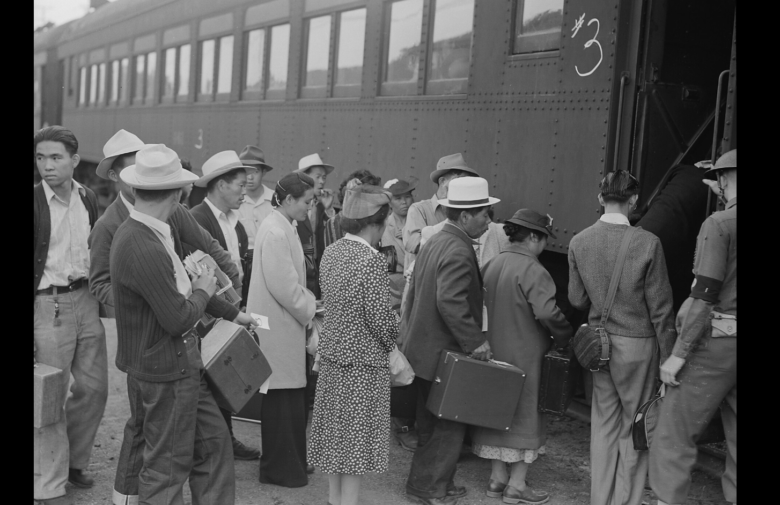
Japanese American internment
Roughly 120,000 people, most of them US citizens, forcibly removed from their homes under Executive Order 9066 during World War II. Held in camps. The National Archives holds the full record of it, and Congress didn’t formally apologize or authorize reparations until 1988. Decades after the camps closed.
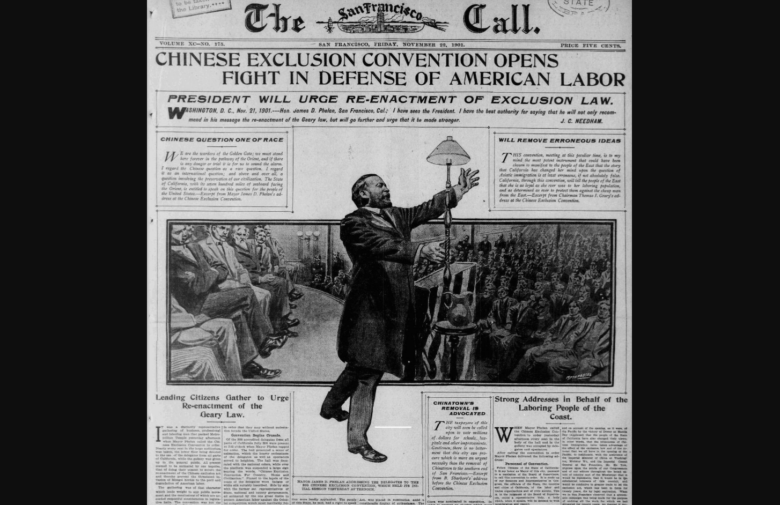
The Chinese Exclusion Act
1882. Explicitly barred Chinese laborers from immigrating. First major federal law restricting immigration by nationality, full stop. Stayed on the books until repealed in 1943, over sixty years after it passed.
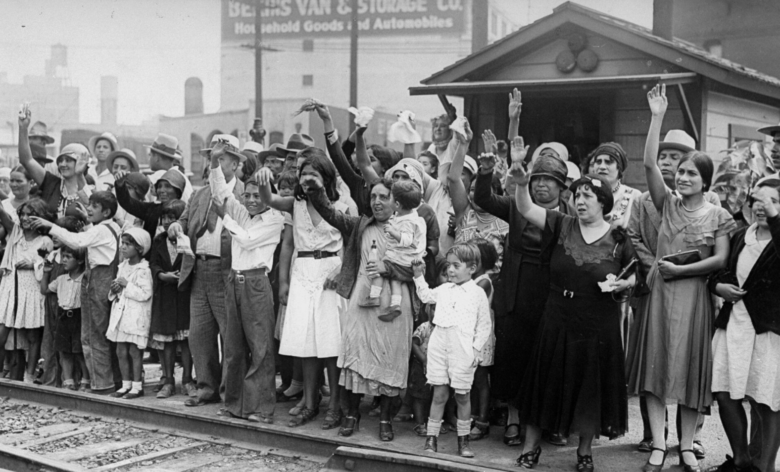
Mexican Repatriation
1930s. An estimated 500,000 to 2 million people of Mexican and Filipino descent deported or pressured out, roughly 60 percent of them US-born citizens. Depression-era anti-immigrant sentiment doing the driving. Rarely shows up next to the Dust Bowl narratives it happened alongside.
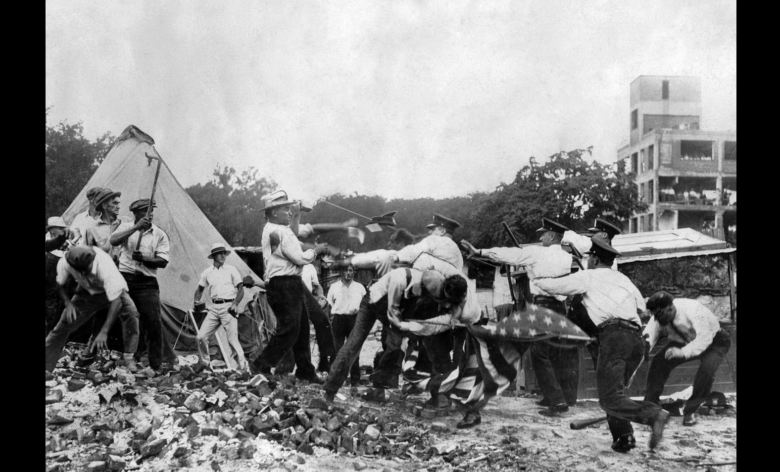
The Bonus Army’s violent dispersal
1932. Nearly 20,000 World War I veterans camp in Washington, D.C., demanding bonuses they were promised. The Army, under General Douglas MacArthur, disperses the camp with bayonets and tear gas. Shocked the public far more than most textbooks ever let on.
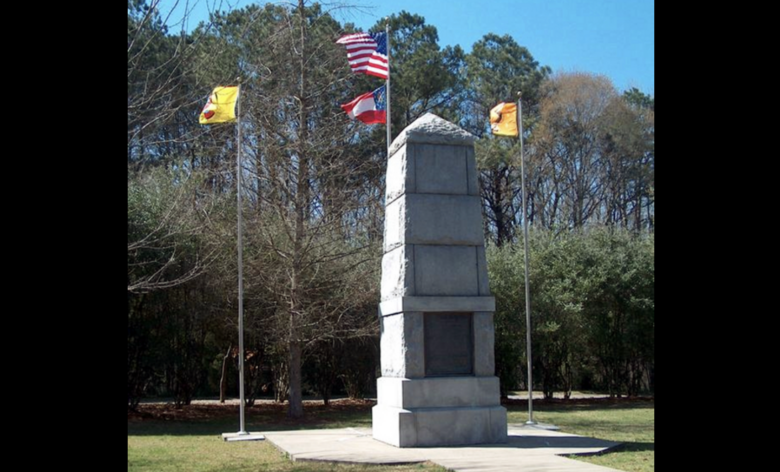
The full scope of the Trail of Tears
Usually gets a paragraph. Maybe two. What that paragraph skips: more than 16,000 Cherokee alone were forced from their homes in 1838 and 1839, with hundreds dying just on the march. And it wasn’t only the Cherokee. The Choctaw, Creek, Chickasaw, and Seminole endured the same forced removal across the same era.
The bottom line
None of these were secret, not really. Sitting in archives, court records, and survivor testimony the whole time. What was missing was the classroom time to actually teach them, and that gap shaped how an entire generation understood its own country.
Ask us! What questions do you have about content, strategy, pop culture, lifestyle, wellness, history or more? We may use your question in an upcoming article!
Related:
- Historical “discoveries” that turned out to be elaborate hoaxes
- Some of the most surprising record deals in music history
Like MediaFeed’s content? Be sure to follow us.
This article was syndicated by MediaFeed.co.