10 popular foods from our childhood that would probably be banned today
Plenty of snacks that filled school lunches and pantry shelves for decades contain additives other countries banned years back. The US has just been slower to catch up.
Consumer advocacy groups and the FDA have been revisiting several of these ingredients lately, and the pattern holds across the board. Banned in Europe or Canada. Still on American shelves for decades after. Ten childhood staples that fit that exact pattern.
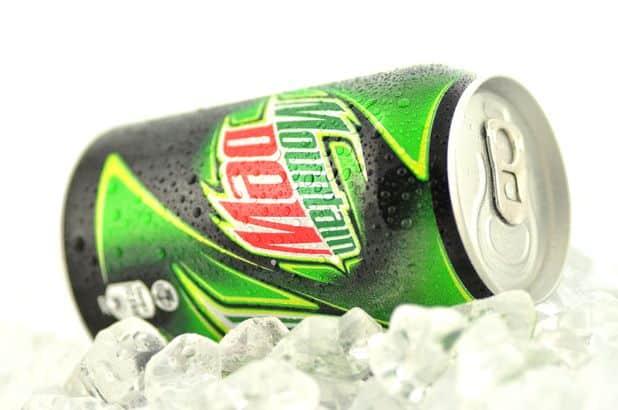
Mountain Dew and other BVO-laced sodas
Brominated vegetable oil kept the citrus flavoring from separating. Cosmetic fix. Real health cost attached to it. The FDA has since proposed banning the additive entirely, decades after the EU and Japan had already done it.
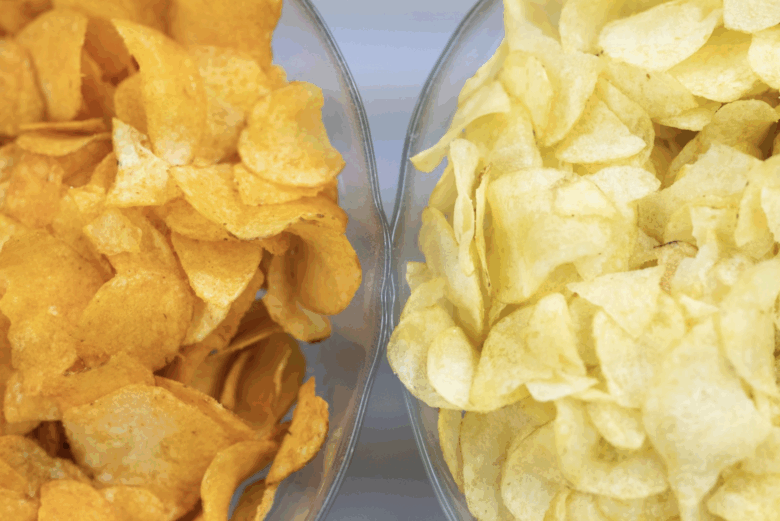
Wow chips and Olestra-based snacks
Procter & Gamble’s fat substitute allowed potato chips to claim they were guilt-free. Came with a warning label, though, about abdominal cramping and digestive distress that most kids eating Lay’s WOW chips in the ’90s never actually stopped to read.
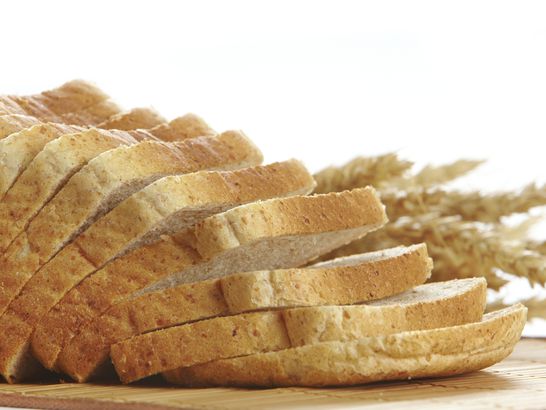
Bread made with potassium bromate
Helped dough rise faster and higher. Also linked to cancer in lab animals. Illegal in China, the EU, Japan, and Canada. Still legal here.
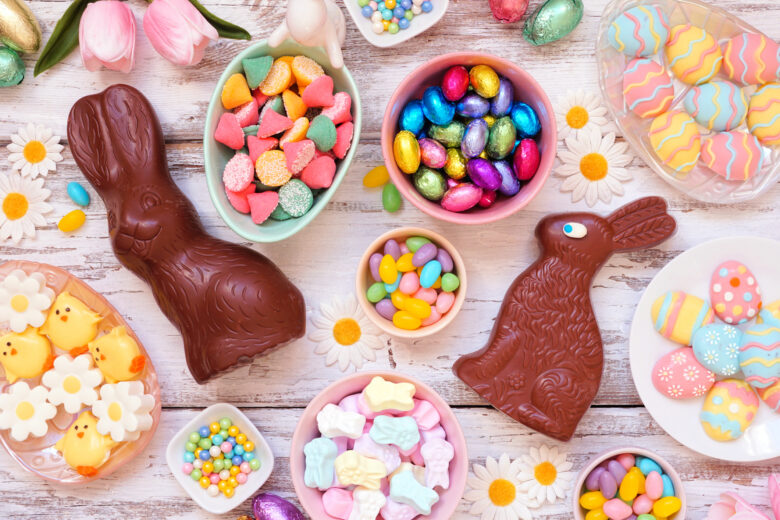
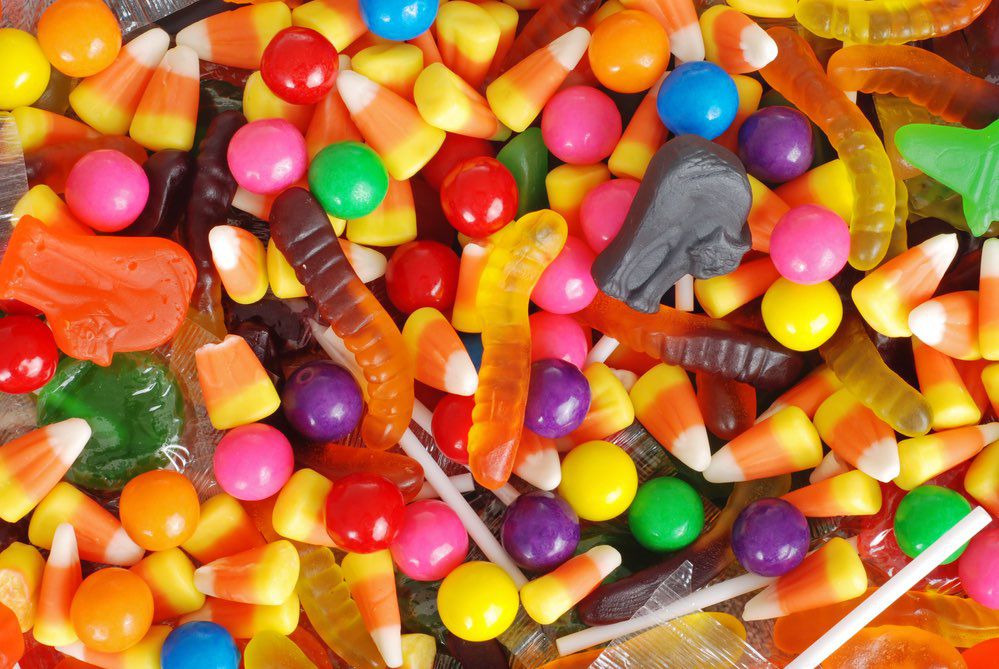
Red Dye No. 2 candies (pre-1976)
Bright red candy and cereal, everywhere, until the FDA banned the dye in 1976 over a possible cancer link. A rare case of an American regulator acting before public pressure forced the issue, rather than after.
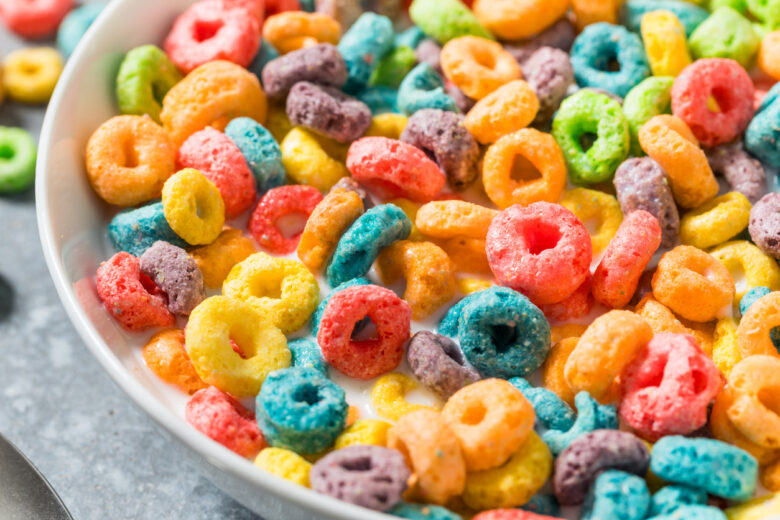
Cereal with BHA and BHT preservatives
Kept cereal boxes shelf-stable for months at a time. Still legal domestically. Banned in parts of the European Union and Japan over potential cancer-causing properties. Same chemicals. Different rulebook.

Jell-O and gelatin desserts with artificial dyes
Bright. Wobbly. Built almost entirely on synthetic food coloring, the kind that requires warning labels in parts of Europe about possible effects on children’s behavior.
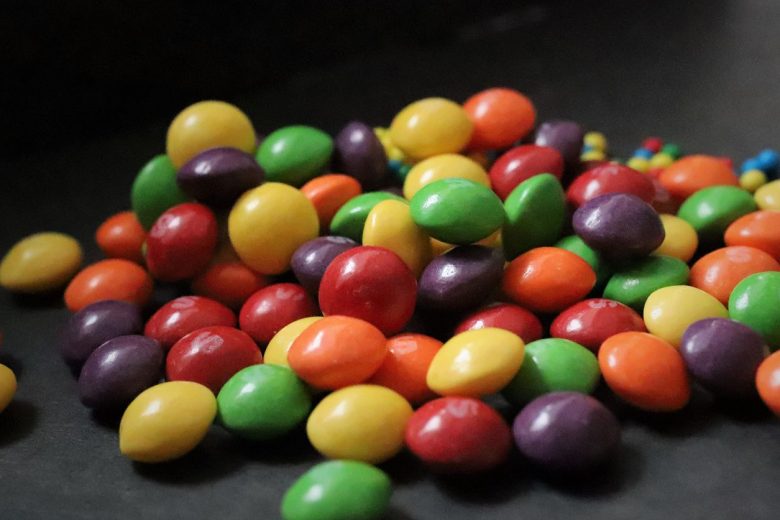
Skittles and other candy with titanium dioxide
Keeps the candy coating looking uniformly bright. Enough scrutiny attached to it now that some manufacturers have reformulated their overseas versions to use plant-based colors instead. American version, meanwhile, stays exactly the same.
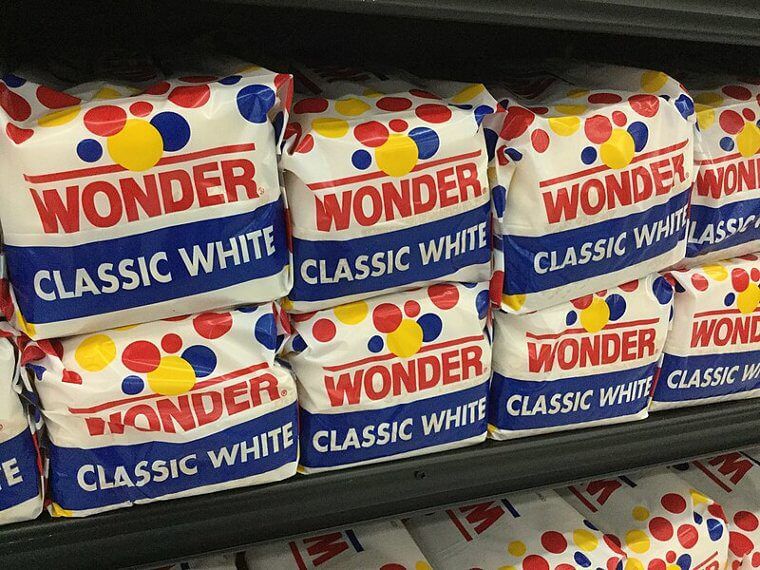
Wonder Bread and other bleached white breads
Chlorine dioxide gas bleached the flour white and soft. Cosmetic process. Banned in several countries that consider the resulting compounds an unnecessary risk for something as basic as sandwich bread.
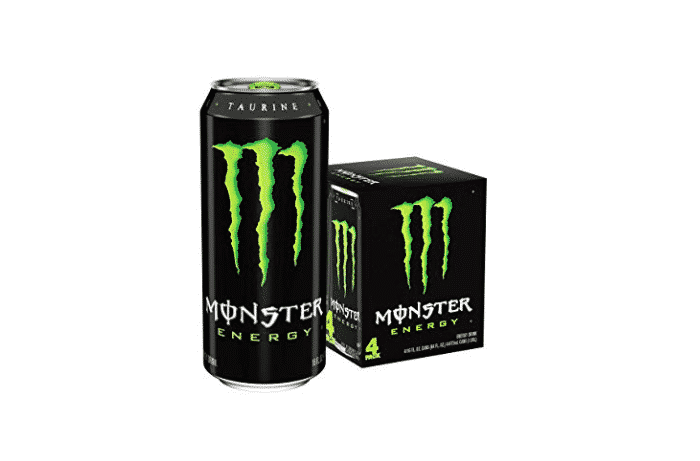
AMP and citrus energy drinks with BVO
Not just soda. Energy drinks used the same trick. Some brands only made BVO-free versions after sustained consumer pressure, not because anyone proactively reformulated ahead of the backlash.

Trix with its original neon color palette
General Mills pulled the artificial dyes in 2016. Consumer demand, supposedly. Reversed course not long after, once complaints rolled in about taste and appearance. Turns out people wanted the neon back. Genuinely wanted it.
The bottom line
None of these foods were hidden. Sat right there on shelves, in plain packaging, with an ingredient list anyone could read if they felt like it. What’s changed isn’t the recipe. It’s how much scrutiny that same ingredient list actually gets now, decades after other countries already ran the numbers and made their call.
Ask us! What questions do you have about content, strategy, pop culture, lifestyle, wellness, history or more? We may use your question in an upcoming article!
Related:
- 15 Things Boomers Still Miss About the Way Life Used to Be
- 7 everyday baby boomer habits that are illegal today
Like MediaFeed’s content? Be sure to follow us.
This article was syndicated by MediaFeed.co.