International fast food chains that Americans love when they travel
American fast food dominates globally. Everyone knows that part. Less obvious: traffic runs the other way too. A handful of international chains built real followings among American travelers. Several did well enough to eventually open here.
Food writers tracking this keep noticing one pattern above everything else. Fried chicken chains succeed in the US more reliably than almost anything else. A craving that crosses borders without much friction, apparently. Nobody’s quite sure why chicken specifically.
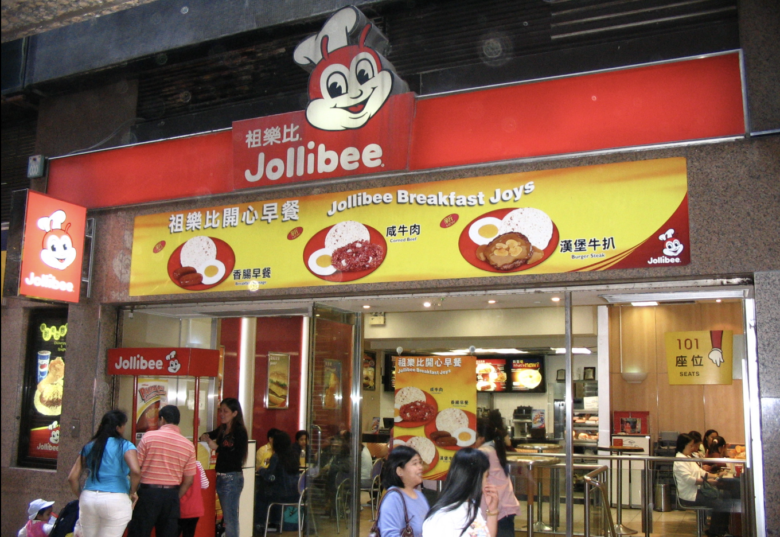
Jollibee (Philippines)
Chickenjoy fried chicken. Sweet spaghetti. A bee mascot, grinning; somehow it works. The Philippines’ biggest fast-food chain built its whole identity on that combination. American locations expanded fast. 72 US spots already. Hundreds more planned before the decade’s out.
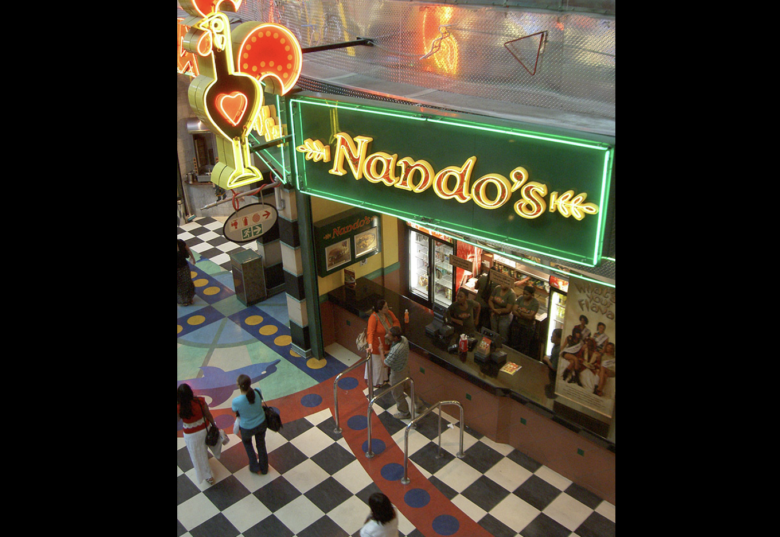
Nando’s (South Africa)
Peri-peri chicken. Portuguese-influenced marinade. One Johannesburg restaurant turned into roughly 1,200 locations worldwide. First US spot: Washington, D.C.’s Chinatown, 2008. Americans embraced it fast. Most had no idea it was South African. Or Portuguese. Or really where it came from at all.
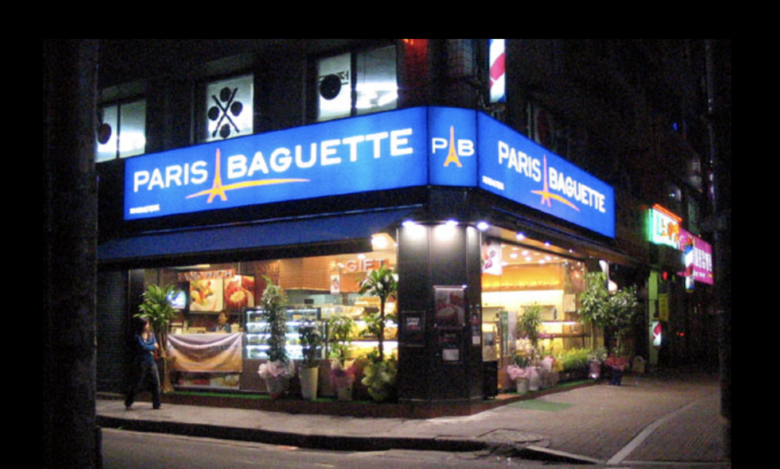
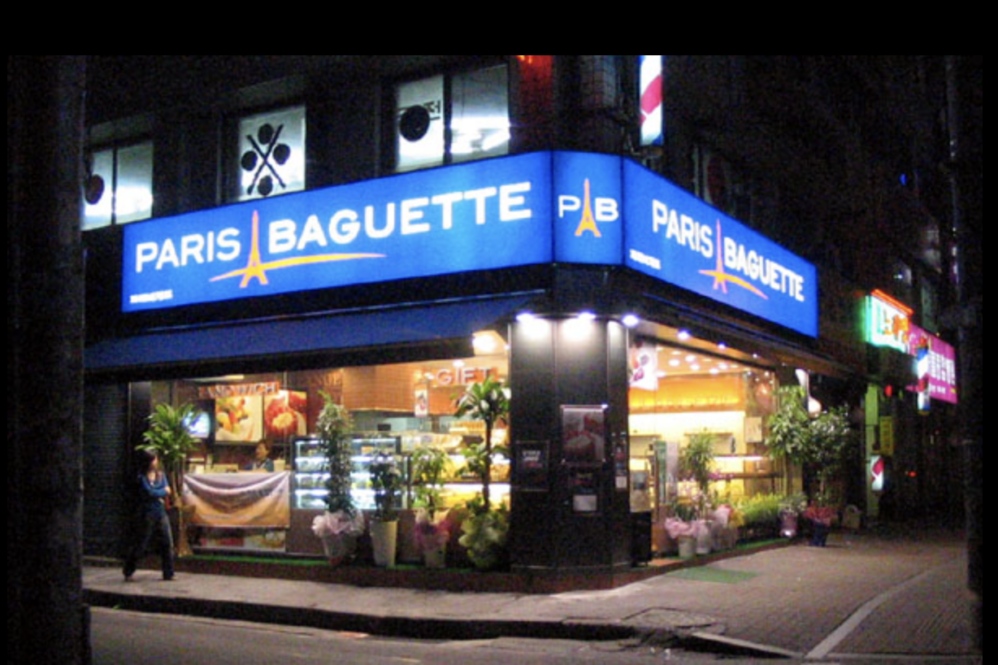
Paris Baguette (South Korea)
Name sounds French. Isn’t. Seoul-founded bakery chain. Entered the US through Los Angeles’ Koreatown in 2005. Two decades later: over 250 US locations. Goal of 1,000 by 2030. Ambitious. Maybe not unreasonable given where the trajectory’s headed.
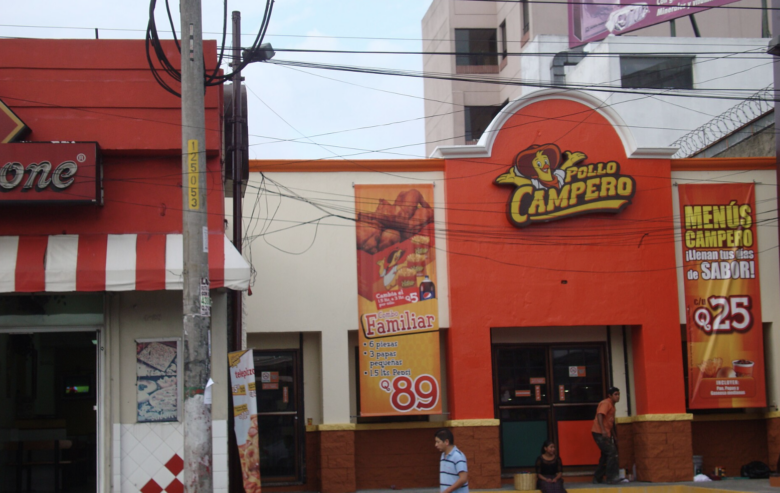
Pollo Campero (Guatemala)
For plenty of Guatemalan and Central American travelers, this isn’t novelty. It’s closer to a taste of home. The fried chicken recipe built loyalty long before any US expansion came up.
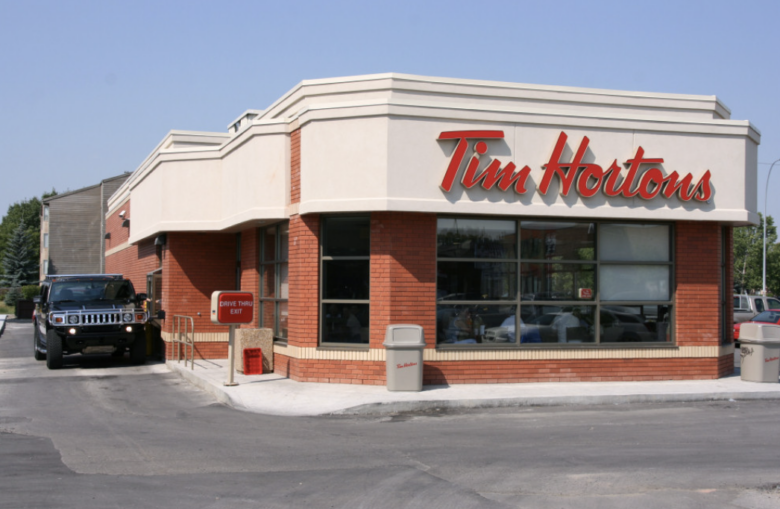
Tim Hortons (Canada)
Coffee and donuts. An entire national identity, built on exactly that. American travelers crossing the border figure it out almost instantly. Burger King’s parent company bought the chain years back. That only sped things up. Didn’t water down the Canadian character underneath it one bit.
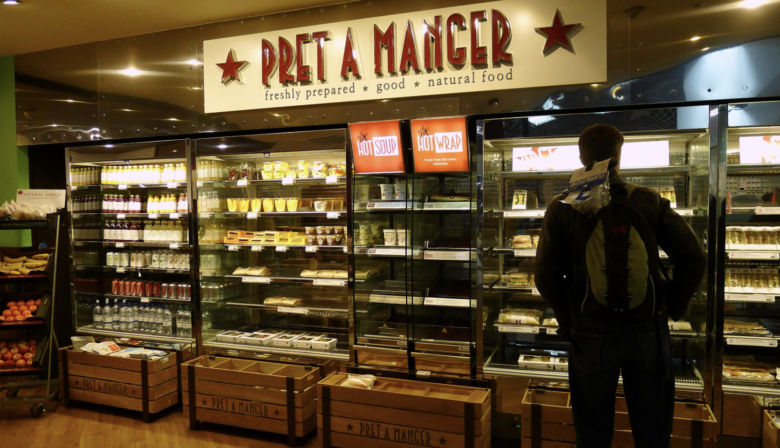
Pret a Manger (United Kingdom)
Fresh, prepackaged sandwiches. A genuinely fast line. Became a London lunch staple long before Americans caught on. US expansion followed the same fast-casual formula that built the reputation overseas in the first place.
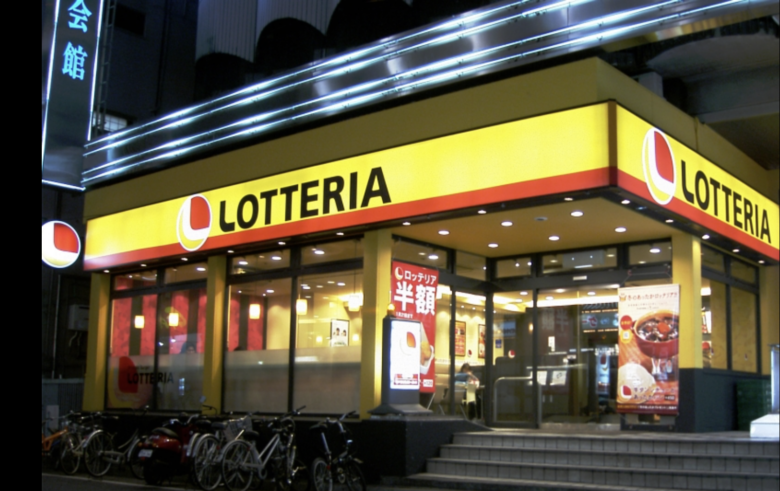
Lotteria (Japan and South Korea)
A joint Japanese-Korean chain. Bulgogi burgers. Shrimp burgers. Stuff most American fast food never attempts. First US location: Fullerton, California, August 2025. Late arrival. Gave travelers who’d already tried it overseas a real reason to go hunting for it here.

The bottom line
None of these chains needed America to survive. They already had loyal followings somewhere else, long before US expansion came up at all. What actually changed is simpler than it sounds. People tried the real thing overseas. Most of them didn’t feel like waiting around for a US location to show up.
Ask us! What questions do you have about content, strategy, pop culture, lifestyle, wellness, history or more? We may use your question in an upcoming article!
Related:
Like MediaFeed’s content? Be sure to follow us.
This article was syndicated by MediaFeed.co.