International chain stores that Americans love when they travel
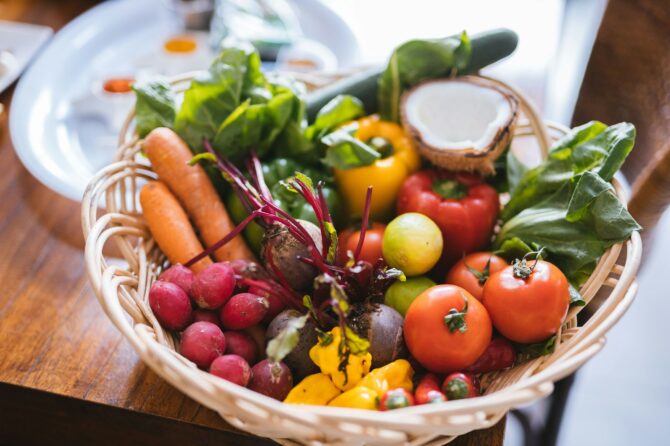
Grocery store tourism is a real thing now. Not the ironic kind either. Travelers build entire itinerary stops around stores that have nothing to do with landmarks or souvenirs, just genuine curiosity about how other countries actually shop.
Travel writers have been tracking this closely, and the same pattern keeps showing up across continents. American visitors gravitate toward the same handful of chains. Organization, value, or just the novelty of an aisle that looks nothing like home.
Aldi (international locations)
Americans who shop Aldi at home get genuinely surprised abroad. It feels entirely different. The German stores carry a broader product range and a different layout than the streamlined US version. The first American location opened in Iowa, of all places, back in 1976.
Mercadona (Spain)
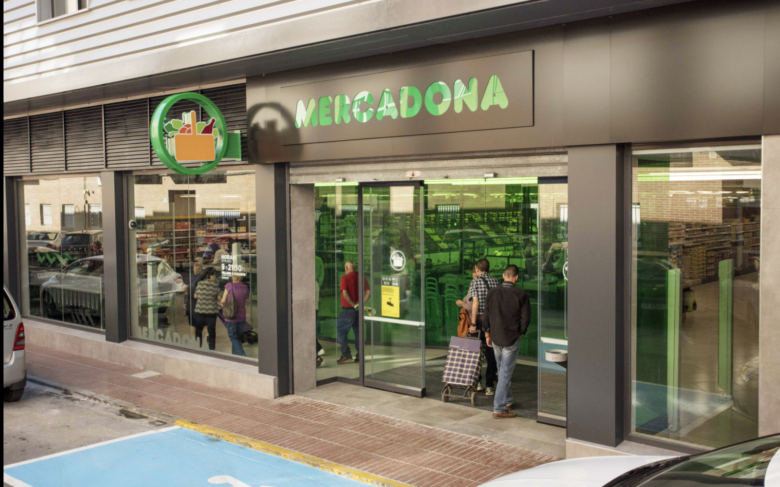
Spanish grocery stores draw a specific reaction from American travelers, and Mercadona sits right at the center of it. Fresh seafood counters. Quality cured meats. Wine that rivals premium bottles back home, at prices that shock first-timers every single visit.
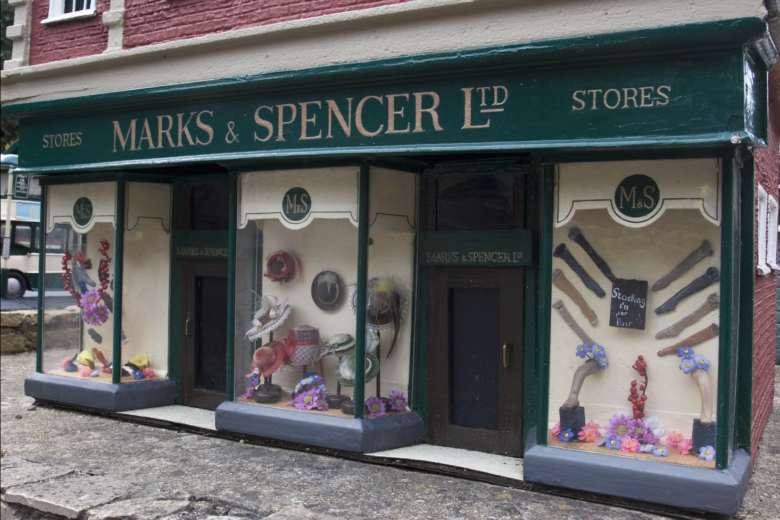
Marks & Spencer (UK)
British supermarkets lean hard into ready meals and seasonal launches. M&S built a cult following among American tourists specifically for its surprisingly high-quality prepared food section. The kind that makes an airport layover detour feel worth it.
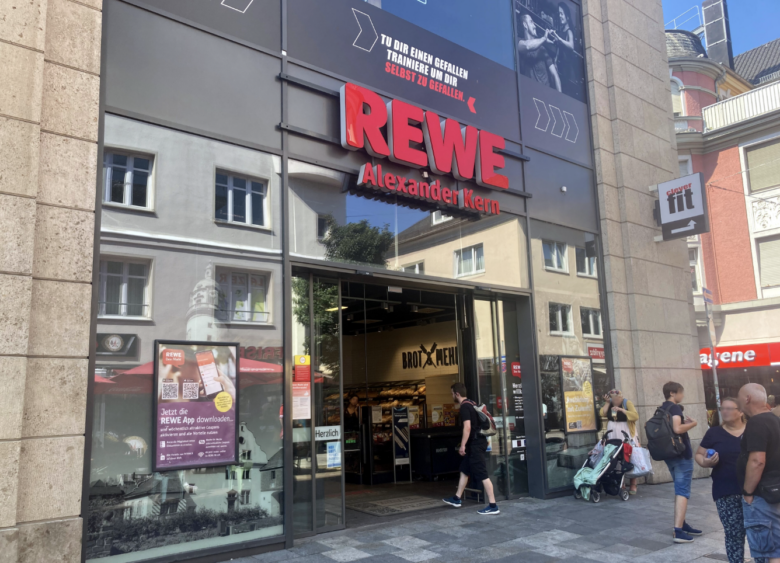
Rewe and Edeka (Germany)
German grocery stores have developed a real reputation online at this point. Filmed constantly. Travelers from more chaotic retail cultures describe it as hyper-organized and strangely satisfying, rules and all. Somehow that’s the appeal.
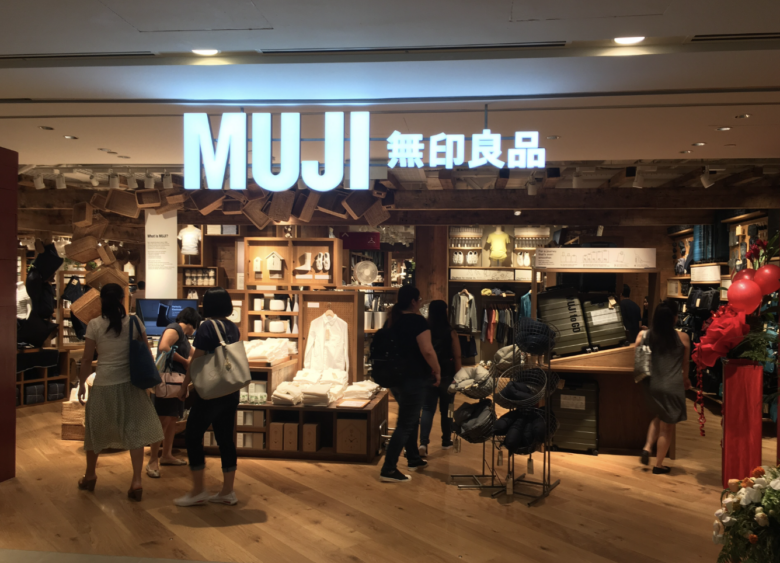
Muji (Japan)
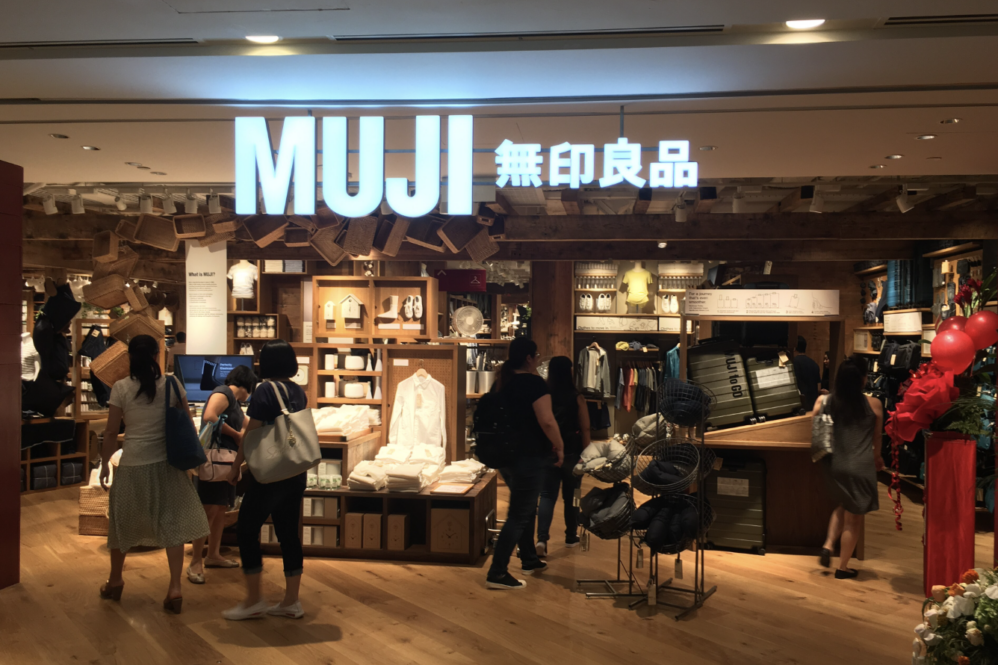
Clean lines. Neutral tones. A genuine sense of calm that’s turned Muji into one of the most talked-about stops for American tourists in Japan. The broader selection and exclusive items available there go well past what limited US locations even carry.
Daiso (Japan)
Japan’s famous 100-yen shop. Turns a simple errand into actual entertainment. Kitchen gadgets, stationery, cosmetics, gardening tools, all priced so low that browsing feels like discovery rather than a chore. Nobody goes in for just one thing.
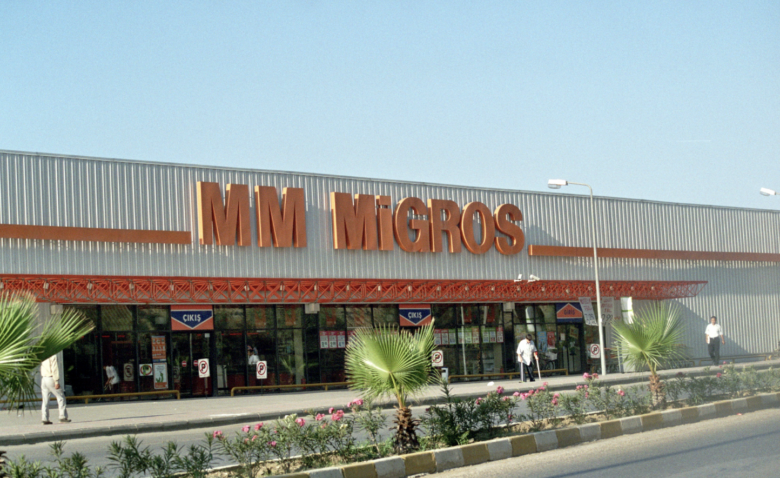
Migros (Switzerland and Turkey)
Part supermarket. Part department store. Part bank, somehow, all under one roof across multiple floors. Visitors to its Turkish locations specifically note the friendly staff and low tourist-area prices. A genuine rarity in areas otherwise built entirely around markup.
The bottom line
None of these chains were built with tourists in mind. That’s exactly the appeal, honestly. A grocery store shows how people actually live somewhere. No ticket required. No reservation. Just an aisle, and a real sense of what a place values enough to stock on its shelves.
Ask us! What questions do you have about content, strategy, pop culture, lifestyle, wellness, history or more? We may use your question in an upcoming article!
Related:
Like MediaFeed’s content? Be sure to follow us.
This article was syndicated by MediaFeed.co.