9 Ways Snake Robots Aid Earthquake Rescue Missions
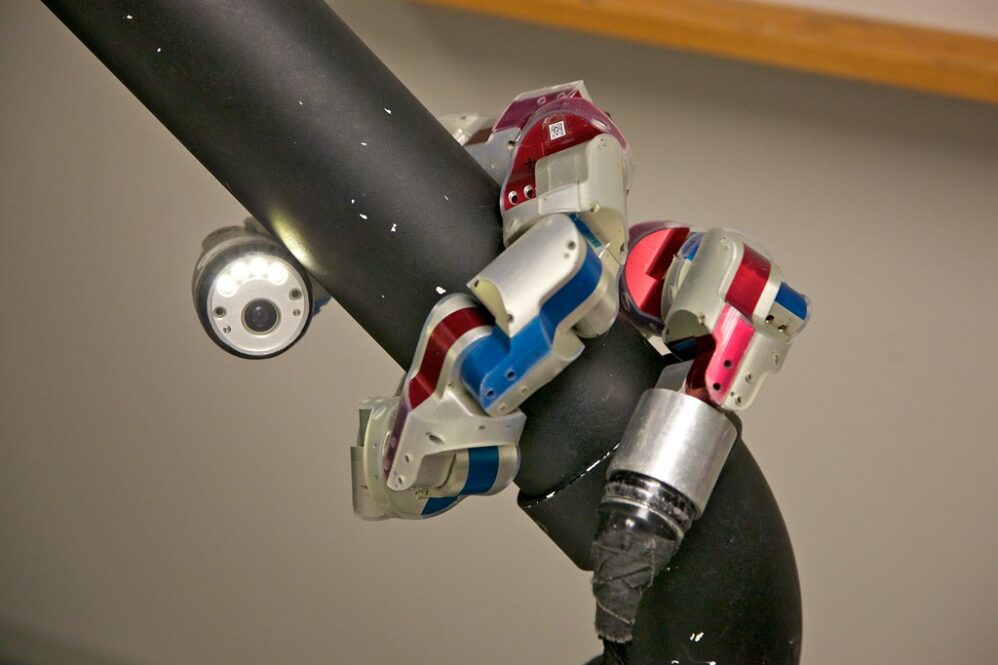
In the aftermath of natural disasters, search-and-rescue missions face the daunting task of locating survivors amid the rubble. Traditional methods like trained dogs and thermal imaging cameras have been invaluable, but technological advancements are adding new tools to the arsenal. One such innovation is the snake robot, a flexible, modular device designed to navigate confined and hazardous spaces.
These snakebots have demonstrated their potential in real disaster responses, including deployments following earthquakes in Venezuela. Their ability to reach places humans and machinery cannot makes them an essential part of modern rescue efforts. Here are 9 ways snake robots are transforming the search for survivors.
9. Navigating Tight Spaces
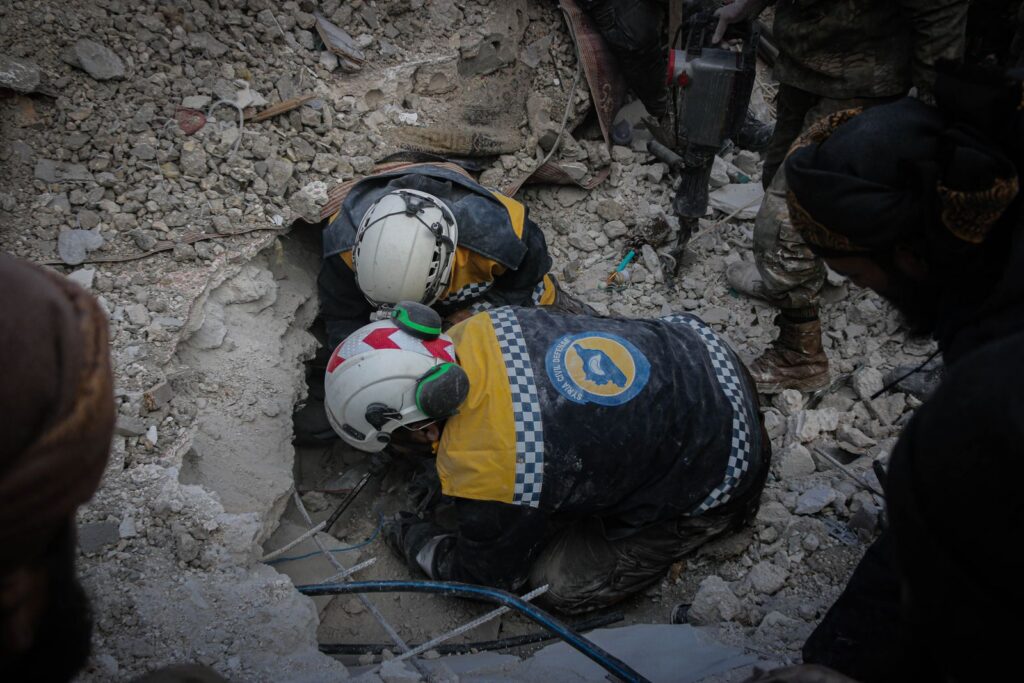
Snake robots excel at moving through narrow gaps in collapsed structures.
This capability allows them to extend the reach of rescue teams, providing visual access to areas that are otherwise inaccessible.
8. Modular Design
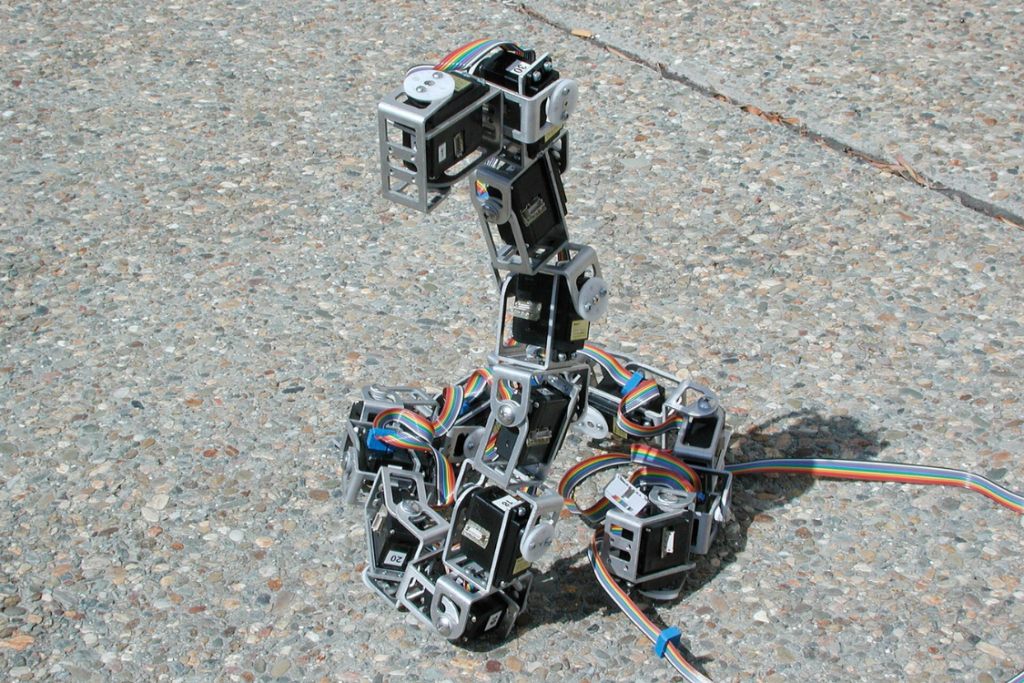
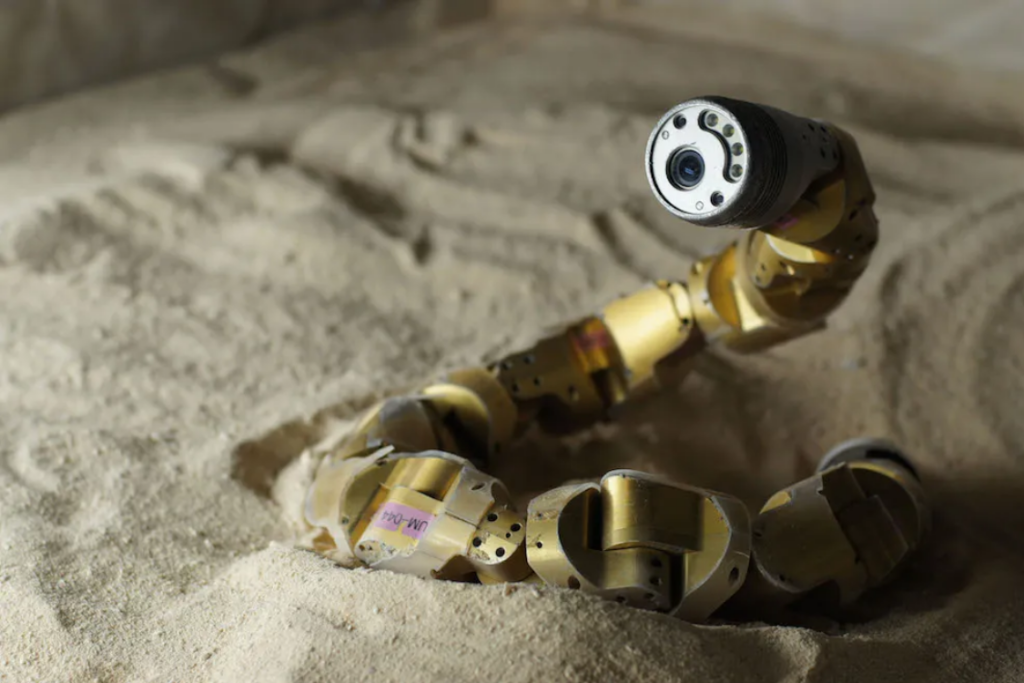
Each snakebot consists of a series of connected joint modules.
This design enables the robot to bend into three-dimensional shapes and use different movement patterns for rubble, stairs, pipes, and other challenging terrain.
7. Autonomous Coordination
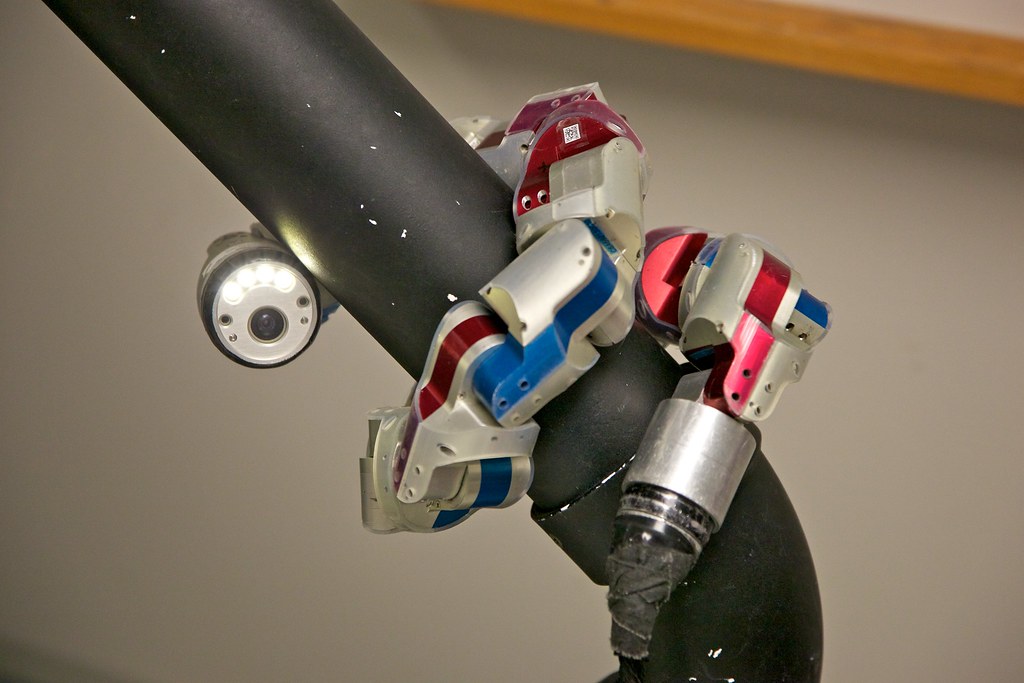
Equipped with sophisticated algorithms, these robots’ software can autonomously coordinate their movements.
This feature ensures that the snakebots can efficiently navigate complex terrains while being directed remotely by operators.
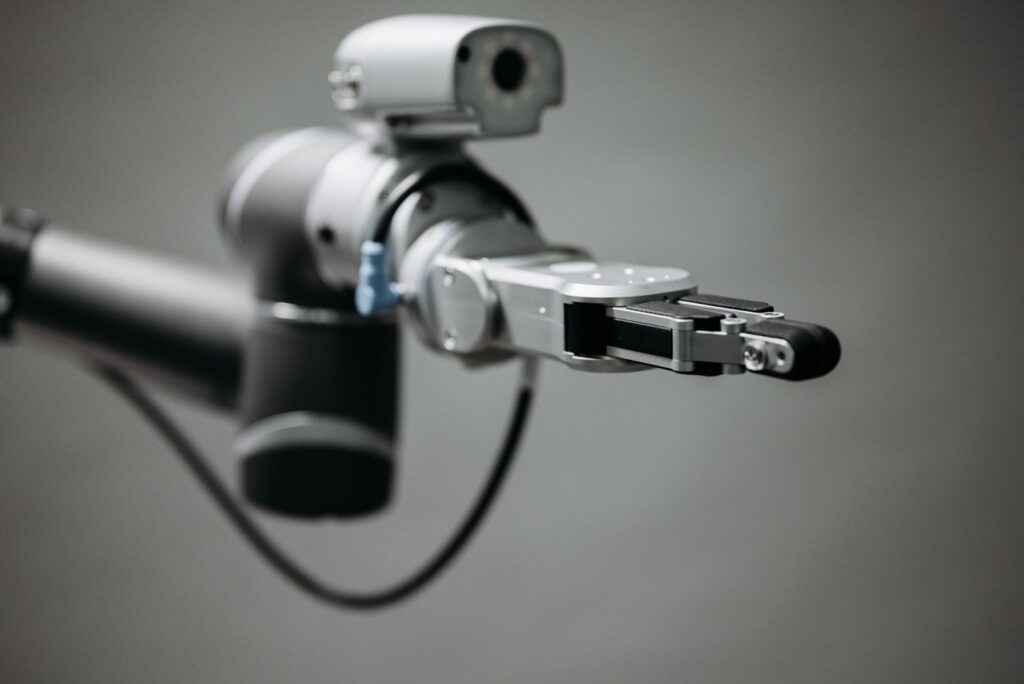
6. Video Surveillance
Snake robots are equipped with head-mounted cameras and lights that transmit live video to rescue teams.
This capability allows rescuers to assess situations in real-time, aiding in the decision-making process.
5. Rapid Deployment
Snake robots can be quickly prepared and deployed in disaster zones.
Their compact design and ease of transport make them ideal for urgent rescue operations.
4. International Collaboration
The deployment of snake robots often involves collaboration between different countries.
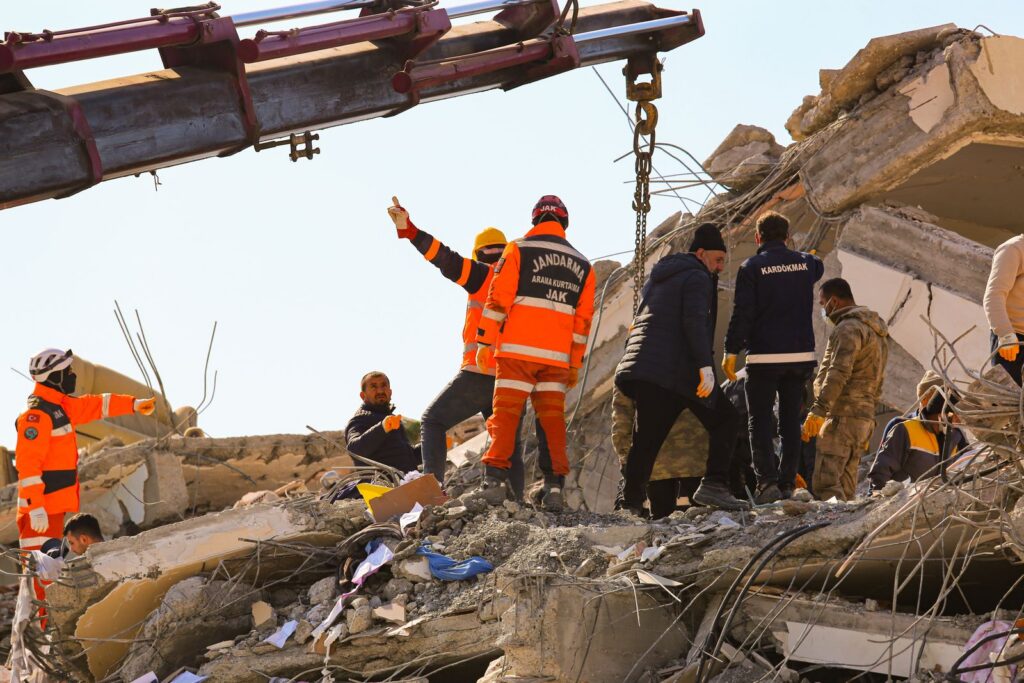
In Venezuela, Carnegie Mellon researchers worked alongside international and local search-and-rescue personnel. Such partnerships enhance the effectiveness of rescue missions by pooling resources and expertise.

3. Overcoming Challenges
Despite logistical challenges, snake robots can reach disaster zones efficiently.
From securing flights to navigating government restrictions, the teams behind these robots demonstrate resilience and determination.

2. Emotional Impact
The presence of snake robots provides hope to families of missing persons.
Even when searches do not yield survivors, the effort and technology bring comfort to those waiting for news.

1. Future Potential
As technology advances, the potential applications for snake robots continue to grow.
From archaeological explorations to underwater missions, these robots are set to revolutionize various fields beyond search and rescue.
Read More:
- 10 Inventions That Have Been Lost to Time
- 10 Things Every Family in Pompeii Owned
- 10 Unforgettable Moments from Hurricane Katrina’s Impact
Ask us! What questions do you have about content, strategy, pop culture, lifestyle, wellness, history or more? We may use your question in an upcoming article!
Like MediaFeed’s content? Be sure to follow us.
This article originally appeared on Resourcebuzz and was syndicated by MediaFeed.co.