
9 Surprising Ways You Can Eat More and Still Lose Weight
In the world of dieting, the focus often lies on eating less to lose weight. However, recent research from the University of Bristol turns this notion on its head by demonstrating how people can consume more food and still shed pounds. This intriguing study dives into the choices people make when their diet consists solely of unprocessed foods.
By analyzing a previous nutrition trial, researchers uncovered fascinating insights about how our bodies prioritize nutrients over calories. This new perspective challenges traditional beliefs about appetite and fullness.
Here are 9 reasons why embracing whole foods can lead to eating more while losing weight:
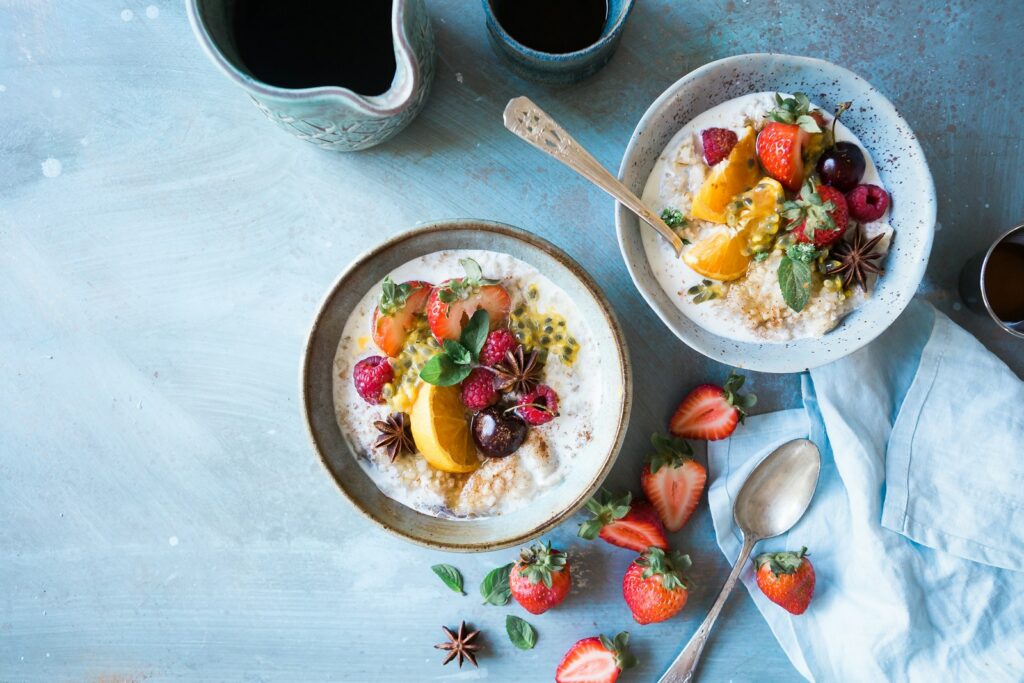
9. The Power of Nutritional Intelligence
People naturally gravitate towards nutrient-rich foods when given the choice.
This innate preference helps individuals consume more food by weight while taking in fewer calories, as their bodies prioritize meeting micronutrient needs over calorie intake.
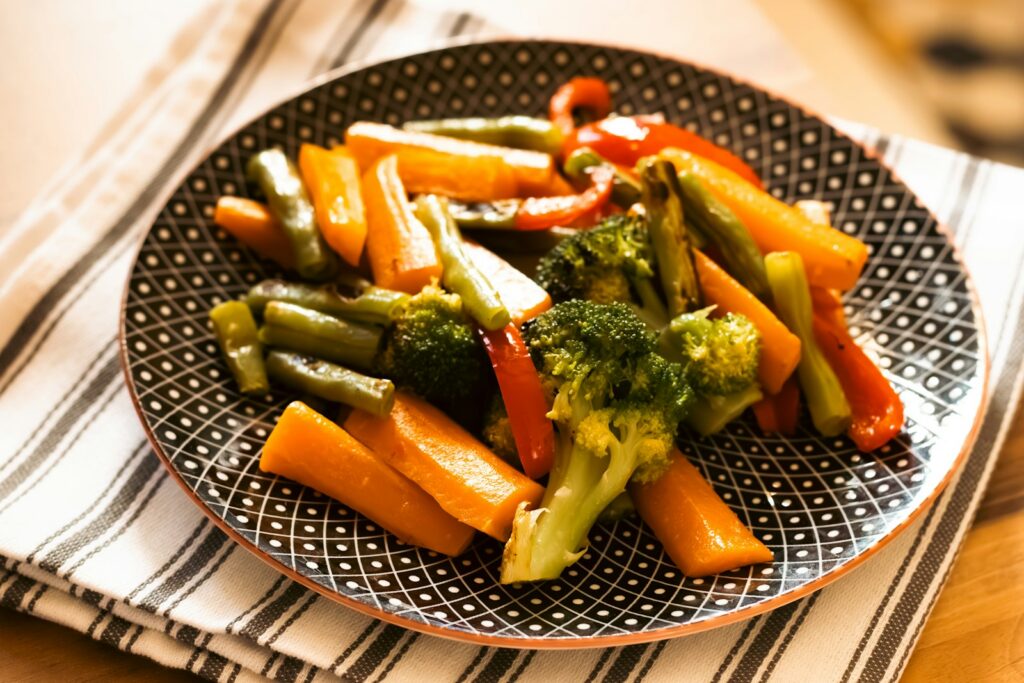
8. Unprocessed Foods Encourage Vegetable Consumption
Participants in the study loaded their plates with vegetables, often exceeding 500 grams per meal.
This substantial intake of low-calorie, nutrient-dense foods led to a natural reduction in overall calorie consumption.
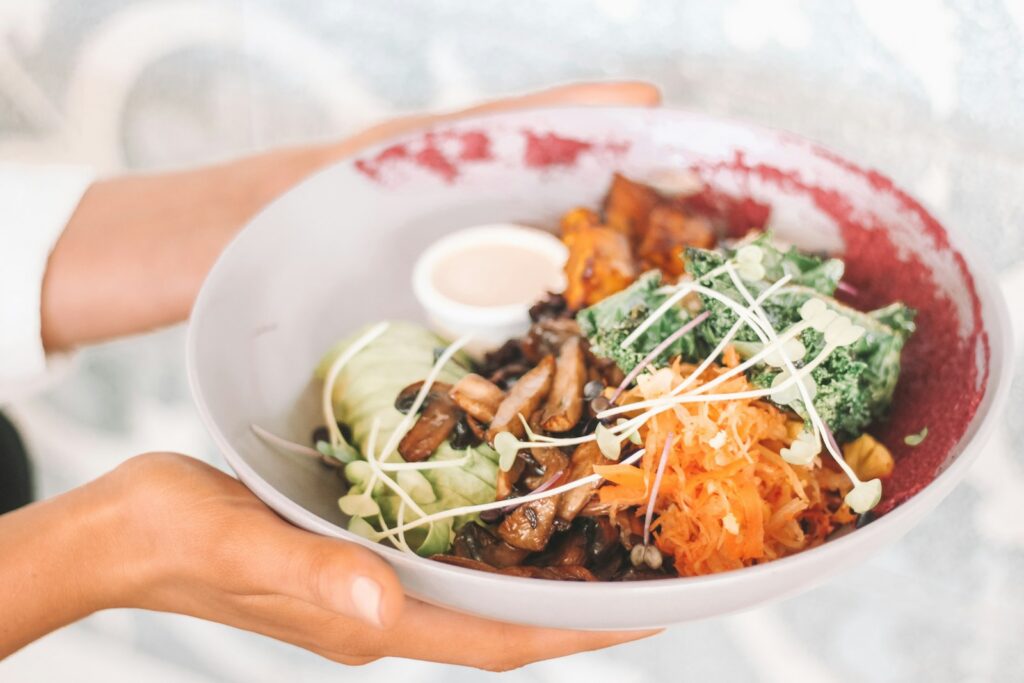
7. Whole Foods and the Micronutrient Balance
Whole foods create a natural balance between calorie intake and nutrient needs.
This balance helps the body avoid deficiencies while maintaining a lower energy intake, supporting weight loss.
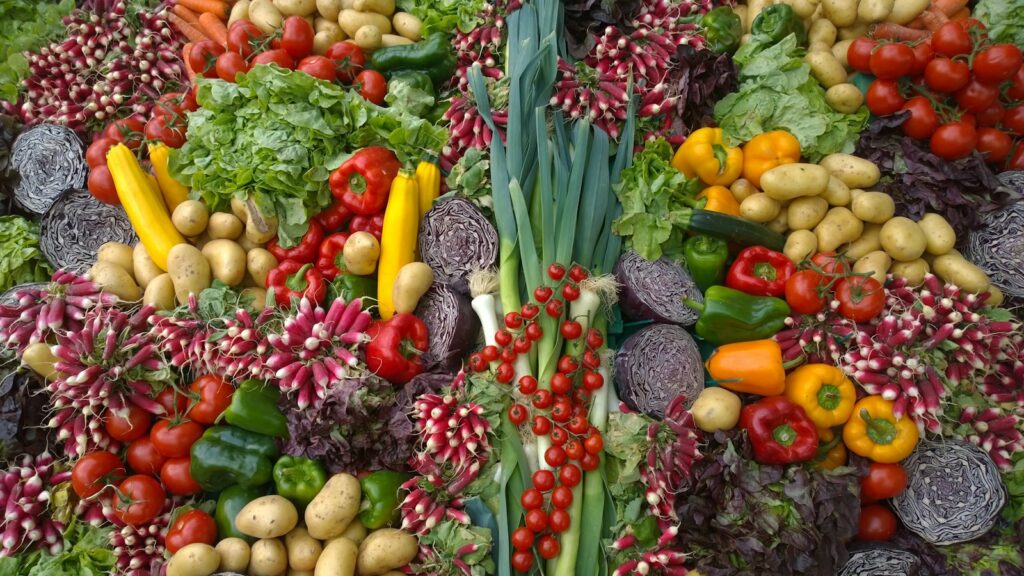
6. The Role of Fiber in Fullness
Whole foods are naturally high in fiber, contributing to a feeling of fullness.
This satiety helps regulate appetite without the need for portion control, making it easier to eat less overall.
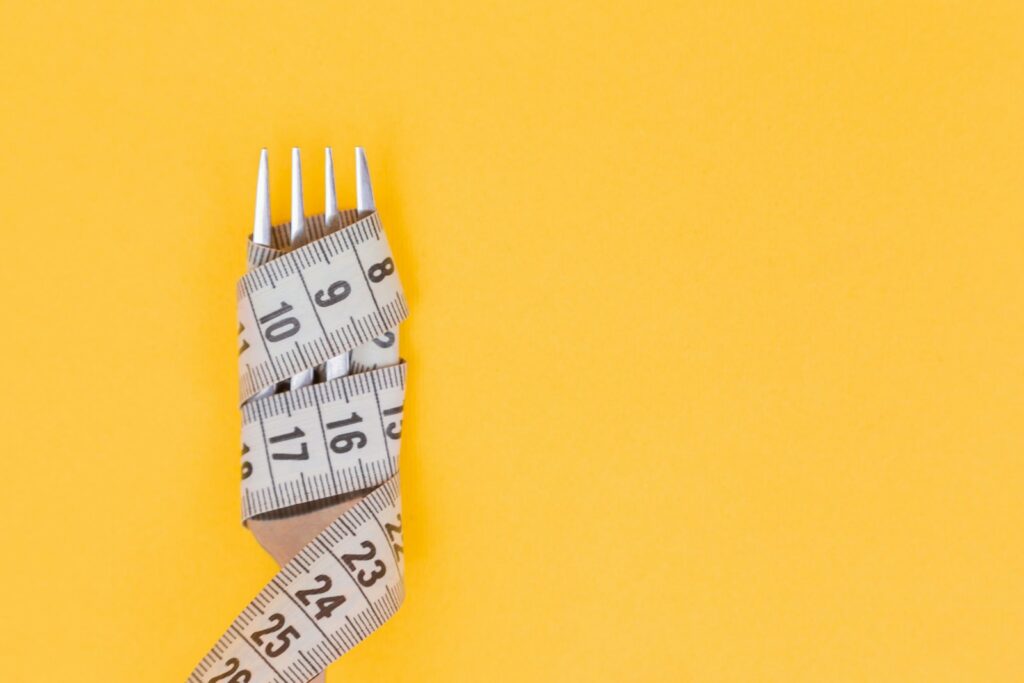
5. The Disappearing Act of Calorie Counting
When eating unprocessed foods, calorie counting becomes less relevant.
Focusing on nutrient density rather than calorie restriction allows for a more natural approach to eating.
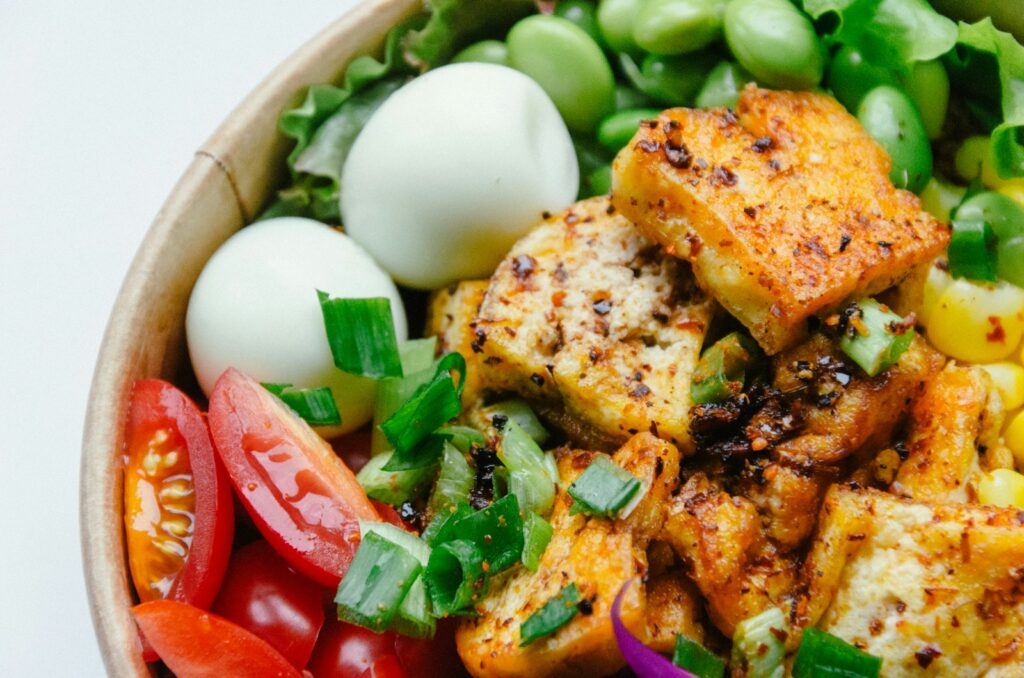
4. The Energy-Nutrient Trade-Off
With whole foods, the body must choose between energy-rich and nutrient-rich options.
This decision-making process naturally leads to healthier choices that support weight management.

3. Processed Foods and Appetite Regulation
Ultra-processed foods can disrupt the body’s natural appetite regulation.
These foods often combine calories and nutrients in a way that diminishes the incentive to choose healthier, lower-calorie options.
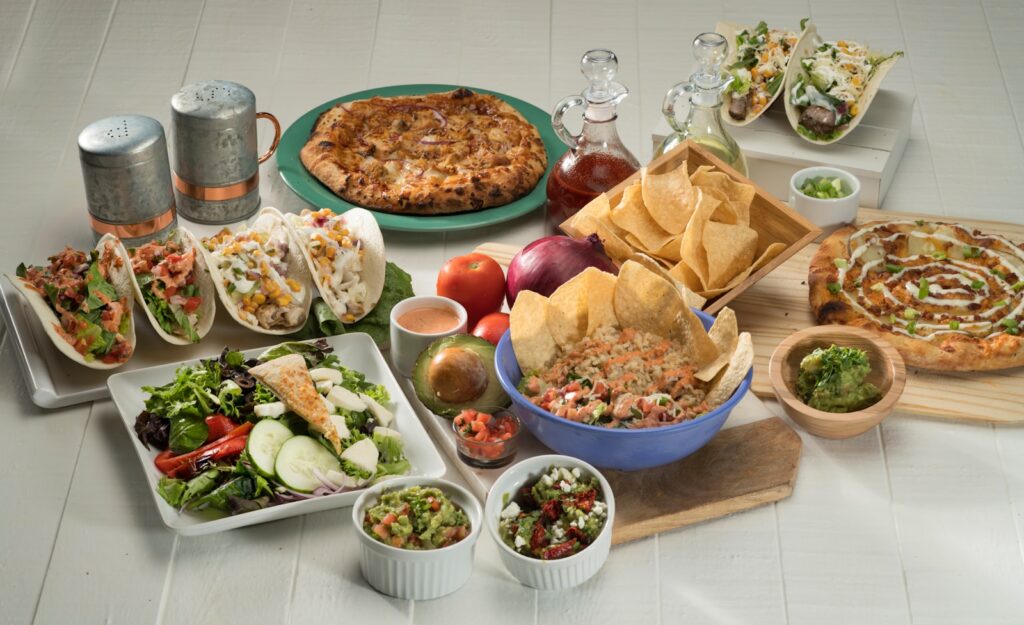
2. The Micronutrient Deleveraging Effect
The body’s natural drive to meet micronutrient needs influences food choices.
This internal mechanism helps prioritize nutrient-rich foods, even if they are lower in calories.

1. Embracing Whole Foods for Natural Weight Loss
Focusing on unprocessed foods can naturally regulate appetite and support weight loss.
By allowing the body to prioritize nutrients over calories, individuals can eat more and still achieve their weight loss goals.
Read More:
- The Most Extreme Diets Ever—and Why They’re a Terrible Idea
- 15 Fitness Fads That Aren’t Delivering Real Results
- 10 Colon Cancer Warning Signs Young Adults Should Never Ignore
Ask us! What questions do you have about content, strategy, pop culture, lifestyle, wellness, history or more? We may use your question in an upcoming article!
Like MediaFeed’s content? Be sure to follow us.
This article originally appeared on Resourcebuzz and was syndicated by MediaFeed.co.