The dark side of the Roaring 1920s: daily struggles our great-grandparents never talked about
The Roaring Twenties get remembered for jazz clubs, flappers, and a booming stock market. What rarely makes it into the nostalgic version is who actually got left out of that boom, and what it cost some Americans just to get through the decade.
Historians and archival researchers have been filling in that gap for years now, from Smithsonian-affiliated accounts of who the decade actually left behind to contemporary medical records documenting the human cost of Prohibition enforcement. The six stories below, pulled from that record, cover the parts of the decade that don’t usually make it into the highlight reel.

Prohibition’s poisoned alcohol
The federal government, in an attempt to stop bootleggers from repurposing industrial alcohol into something drinkable, ordered manufacturers to add lethal poisons to it. New York’s chief medical examiner Charles Norris publicly condemned the policy, and the week of Christmas 1926 alone saw close to a hundred deaths from drinking contaminated industrial alcohol, with hundreds more dying in the years that followed.

Farmers who never saw the boom
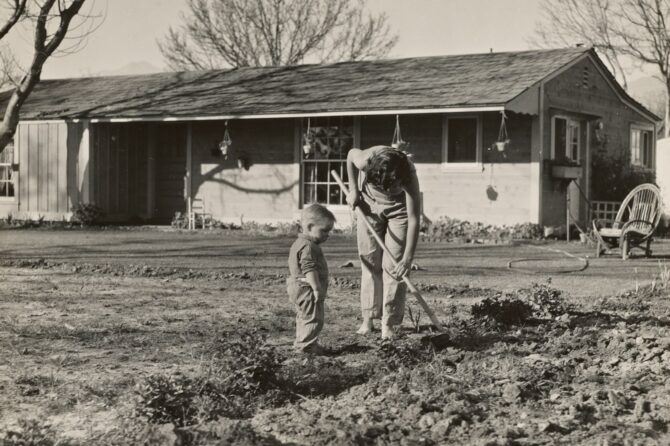
While the wealthy and middle class prospered, farmers spent most of the decade in a slump that never let up. One Smithsonian curator has described the era for rural America as roaring like a fire that was burning people out rather than lifting them up.
The Klan’s resurgence and the Tulsa Race Massacre
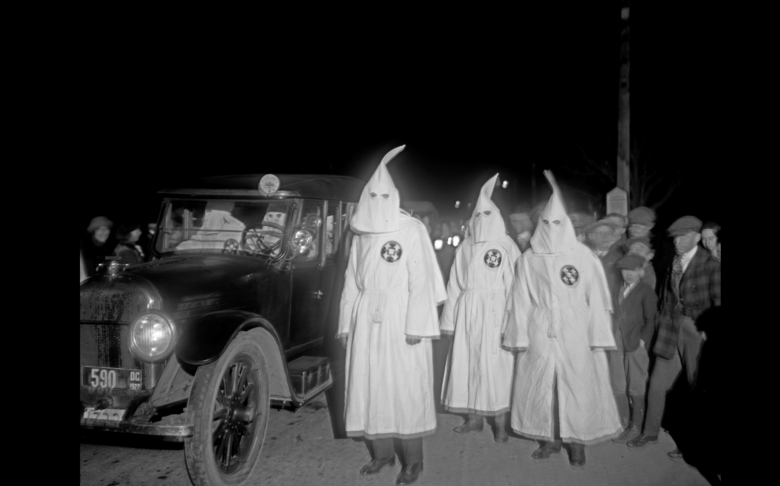
The reinvigorated Ku Klux Klan spent much of the decade enforcing Prohibition in rural areas on top of acting on anti-immigrant hostility, and in 1921, white residents of Tulsa, Oklahoma murdered several hundred of their Black neighbors in one of the deadliest acts of racial violence in American history.
The 1924 immigration quotas
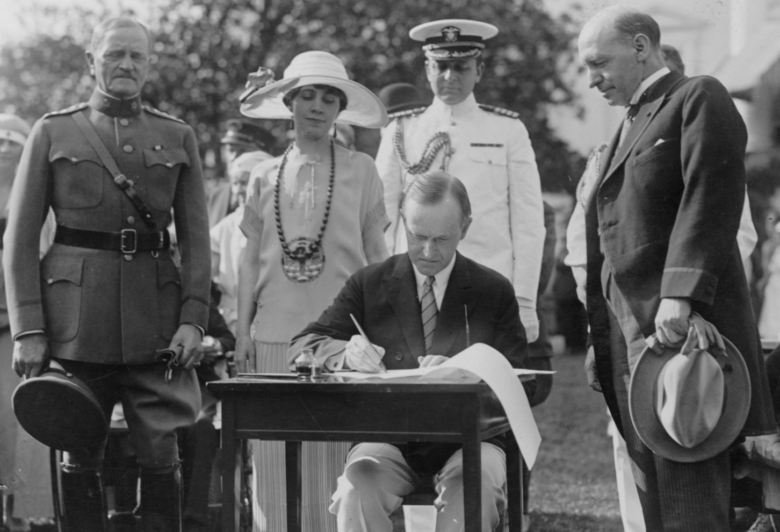
Just as the decade’s prosperity was building, national origin quotas passed in 1924 slammed the door on immigration from large parts of the world, cutting off a path that generations of families had relied on to reach the United States.

No safety net if you lost your job
Unemployment insurance was debated in Congress throughout the decade but never became law. Organized labor itself resisted it, and it took the scale of the Great Depression for the idea to gain real traction, meaning anyone who lost their job in the 1920s had essentially nowhere to turn.
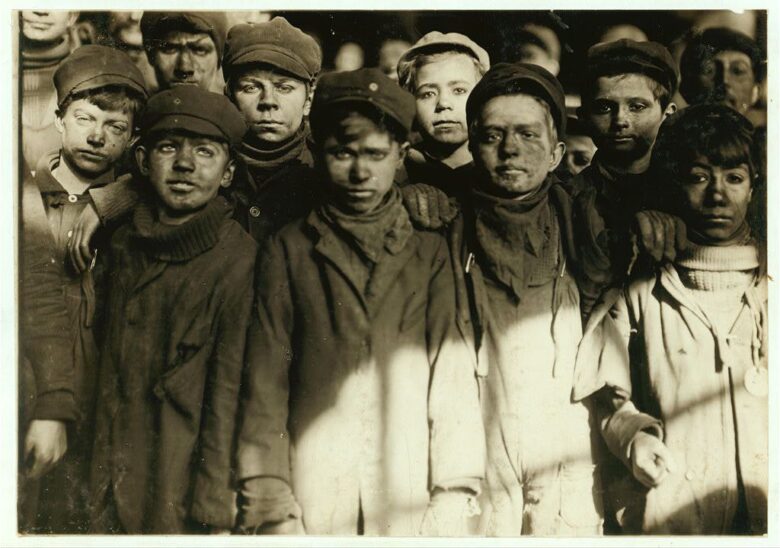
Child labor that never fully went away
A constitutional amendment aimed at restricting child labor passed Congress in 1924, but most states refused to ratify it, blocked by a conservative political climate and opposition from farm and church groups wary of expanded federal power. Abusive forms of child labor persisted well into the following decade as a result.

The bottom line
None of this erases the genuine energy of the decade, the music, the technology, the optimism that was real for plenty of people. But it wasn’t real for everyone, and the parts of the story that get left off the highlight reel are usually the ones that explain the most about what actually came next.
Ask us! What questions do you have about content, strategy, pop culture, lifestyle, wellness, history or more? We may use your question in an upcoming article!
Related:
- Historical “discoveries” that turned out to be elaborate hoaxes
- Some of the most surprising record deals in music history
Like MediaFeed’s content? Be sure to follow us.
This article was syndicated by MediaFeed.co.