
8 dangerous design flaws from classic cars that would never be allowed today
Classic cars get remembered for the curves, the chrome, the personality. What tends to get left out is how many of them were, by any modern measure, genuinely dangerous to sit inside.
Automotive historians and safety researchers have been documenting this gap for decades now, and the record is pretty consistent. Federal crash standards, NHTSA interpretation letters, and even internal manufacturer memos from cases like the Ford Pinto lawsuits lay out exactly which design choices got phased out, and why it took lawsuits or public scandal to force most of them. Here are eight that defined an era and would never clear a regulator’s desk now.

No seatbelts
Before 1968, they simply weren’t required equipment. Even after the federal mandate kicked in, actual usage stayed shockingly low; the CDC reported just 11 percent of people wearing seat belts as late as 1981. The hardware existed. Nobody was using it. That gap alone probably cost more lives than any single design flaw on this list.

Steering columns that refused to collapse
Picture a rigid steel column aimed straight at the driver’s chest, no give, no absorption, nothing. Even a moderate front-end hit turned it into a weapon. Collapsible columns only became mandatory under Federal Motor Vehicle Safety Standard 203, effective for cars built after January 1968. Before that, it was just steel meeting sternum.

Dashboards with essentially zero padding
Stamped metal, thin veneer on top, and that’s it. One owner of a 1966 Impala described the factory setup about as bluntly as you can: rigid column pointed at your chest, lightly padded metal dash jutting out over the top like a guillotine. His words, not an exaggeration for effect.
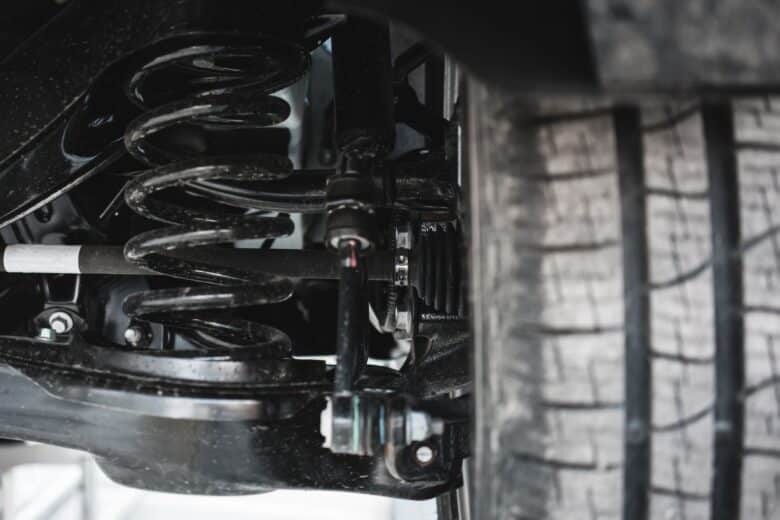
Swing-axle rear suspension
The Chevrolet Corvair is the textbook case here. Its early swing-axle setup could let the rear wheels tuck under mid-corner, and Ralph Nader’s 1965 book turned the car’s handling problems into a full-blown national controversy that reshaped how the entire industry thought about safety, whether Detroit wanted that reckoning or not.
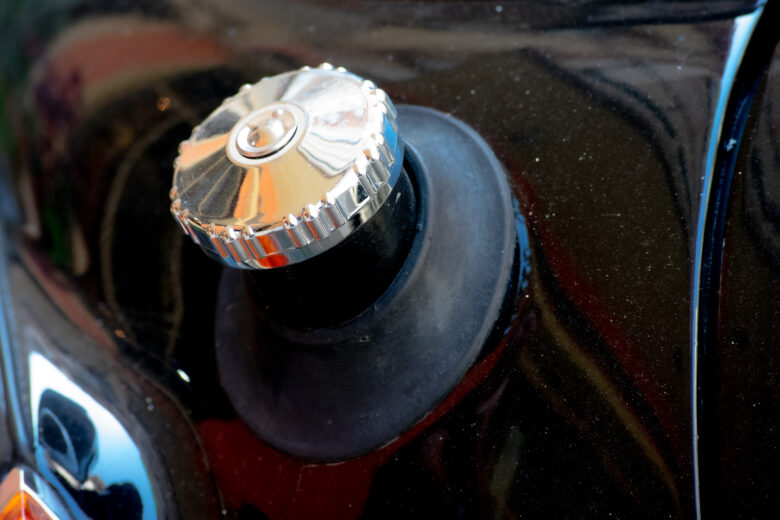
Fuel tanks parked exactly where they’d rupture
The Pinto’s tank sat behind the rear axle with maybe nine inches of crush space. Bolts from the differential could puncture it in a rear collision at speeds as low as 20 mph. Internal Ford documents later confirmed the company had run the numbers and decided paying out lawsuits was cheaper than fixing the tank. That’s not speculation. That’s what the memo said.
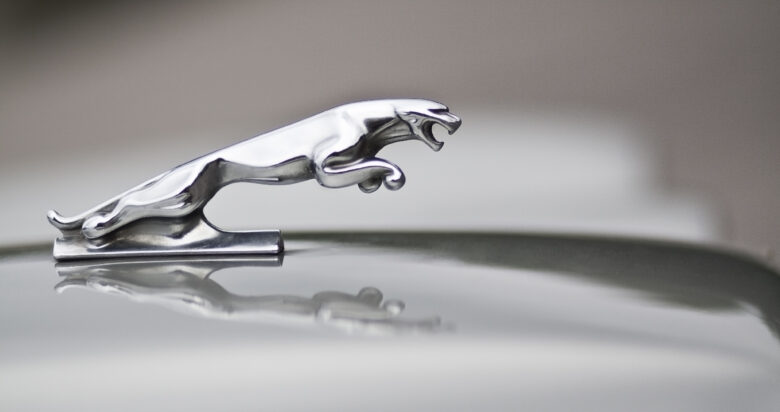
Hood ornaments that didn’t give an inch
A rigid chrome sculpture standing upright on the hood looked sharp right up until it met a pedestrian at speed. Automakers eventually redesigned or eliminated them, embedding badges into the grille or engineering them to collapse on contact, once pedestrian safety research finally caught up with decades of styling choices.

Bumpers built to look good
Chrome-plated steel bars, mostly decorative, barely functional in a real collision. It took until Federal Motor Vehicle Safety Standard 215 arrived in the early 1970s for regulators to require bumpers that could take a 5 mph hit without transferring that force straight into the car’s frame, and by extension, into whoever was sitting behind the wheel.
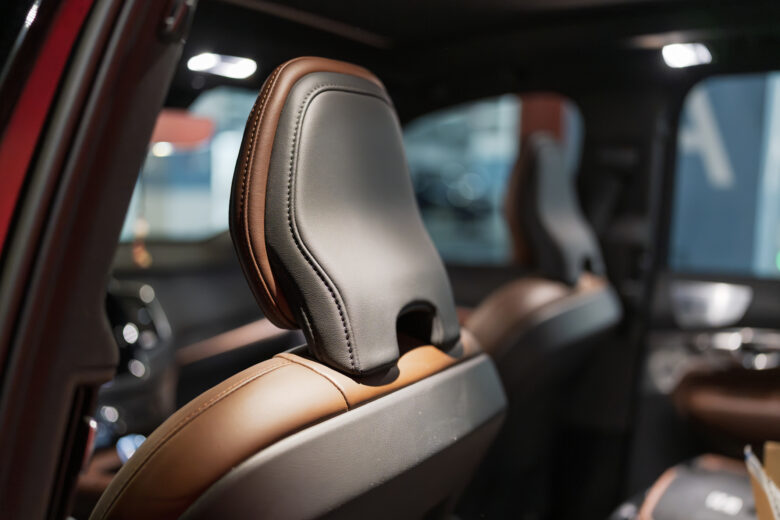
No head restraints at all
Rear-end collision, unsupported neck, nothing to catch the whiplash. Head restraints joined the growing wave of mandatory safety equipment that followed the seat belt fight, arriving well before usage rates themselves finally started climbing out of that dismal single-digit territory of the late 1970s. Before that, your neck was on its own.

The bottom line
Every flaw on this list made it into mass production, some for years, before regulation caught up. It took a bestselling book, a genuine corporate scandal, and more than a few lawsuits to force changes that are now just assumed, quietly, without anyone thinking twice about them.
Ask us! What questions do you have about content, strategy, pop culture, lifestyle, wellness, history or more? We may use your question in an upcoming article!
Related:
Like MediaFeed’s content? Be sure to follow us.
This article was syndicated by MediaFeed.co.