11 Ways Competition Fuels Child Development
Competition is often seen as a driving force in the world of sports and academics, but its roots run much deeper, especially in child development. From playground races to classroom challenges, competitive activities are woven into the fabric of childhood experience. These interactions are not merely about winning or losing; when kept healthy and age-appropriate, they can help shape a child’s cognitive and emotional growth.
Historically, competition has been a cornerstone of human progress, fostering personal ambitions and collective achievements. In children, this natural inclination to compare, contrast, and compete is evident from a young age, driving them to explore and understand the world around them. Here are 11 ways healthy competition contributes to child development.
11. Early Sensory Preferences
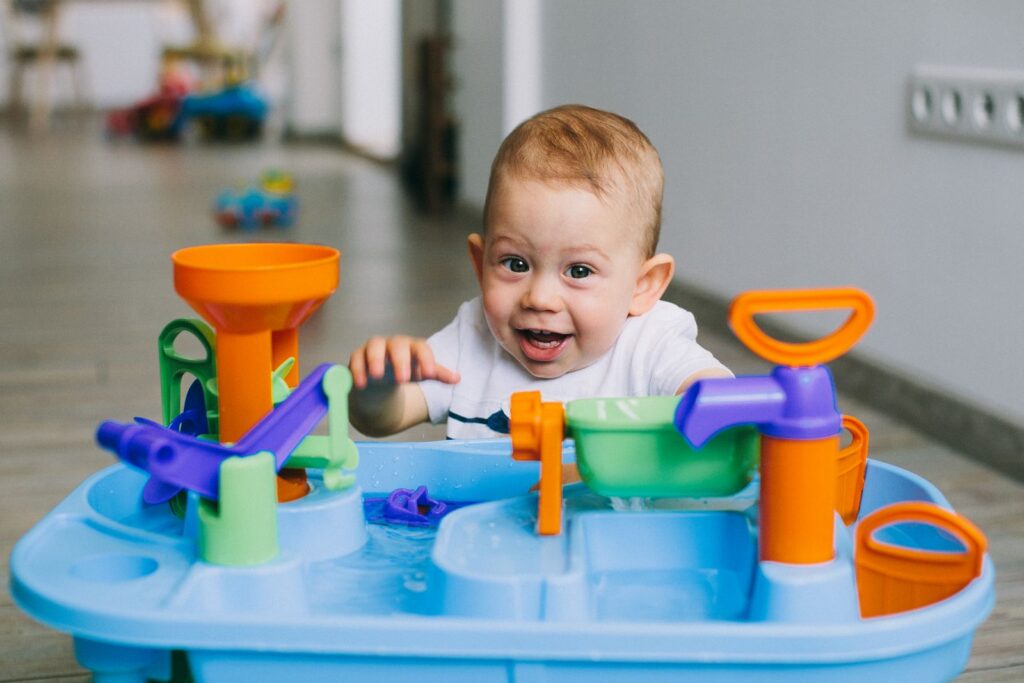
From birth, infants show preferences for certain stimuli, like familiar voices.
This early form of competition for attention is foundational, as it helps infants differentiate and prioritize sensory input, which is crucial for survival and development.
10. Playground Rivalries
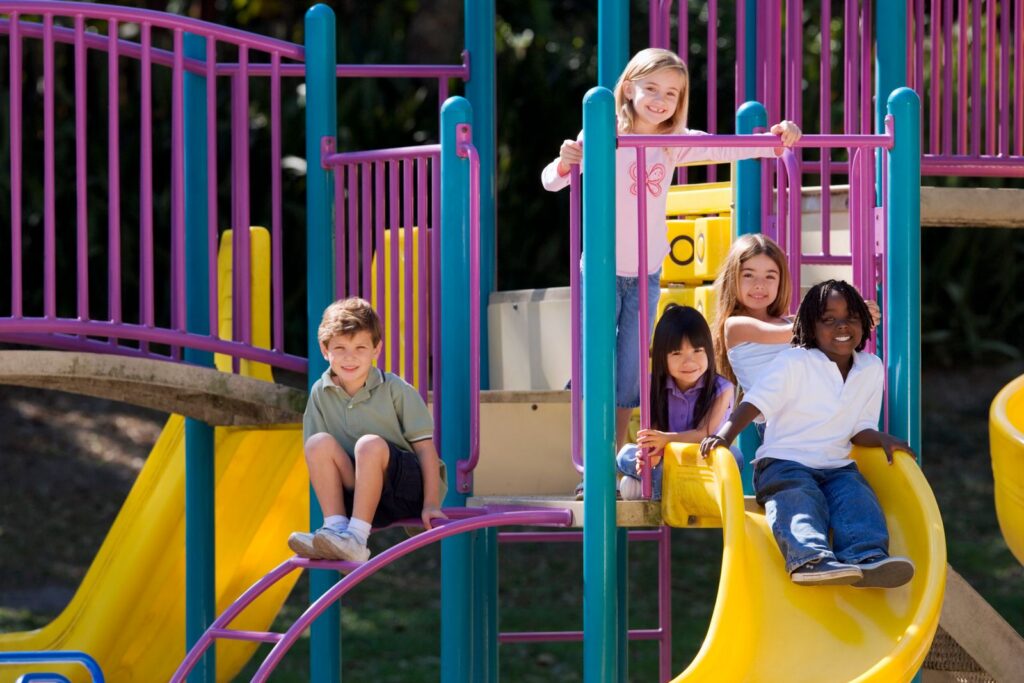
Children often engage in races and games, each vying to be the leader.
These playful competitions help develop perseverance and resilience, teaching kids to cope with both success and failure in a social context.
9. Mistakes as Learning Opportunities
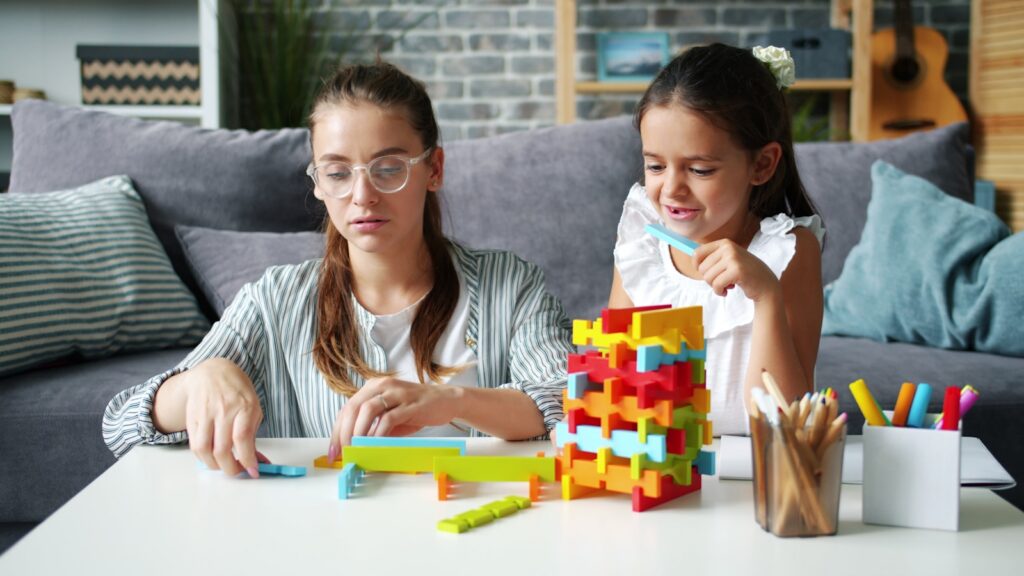
In competitive settings, mistakes are inevitable.
These errors provide valuable lessons, encouraging children to refine their skills and strategies, and fostering a growth mindset.
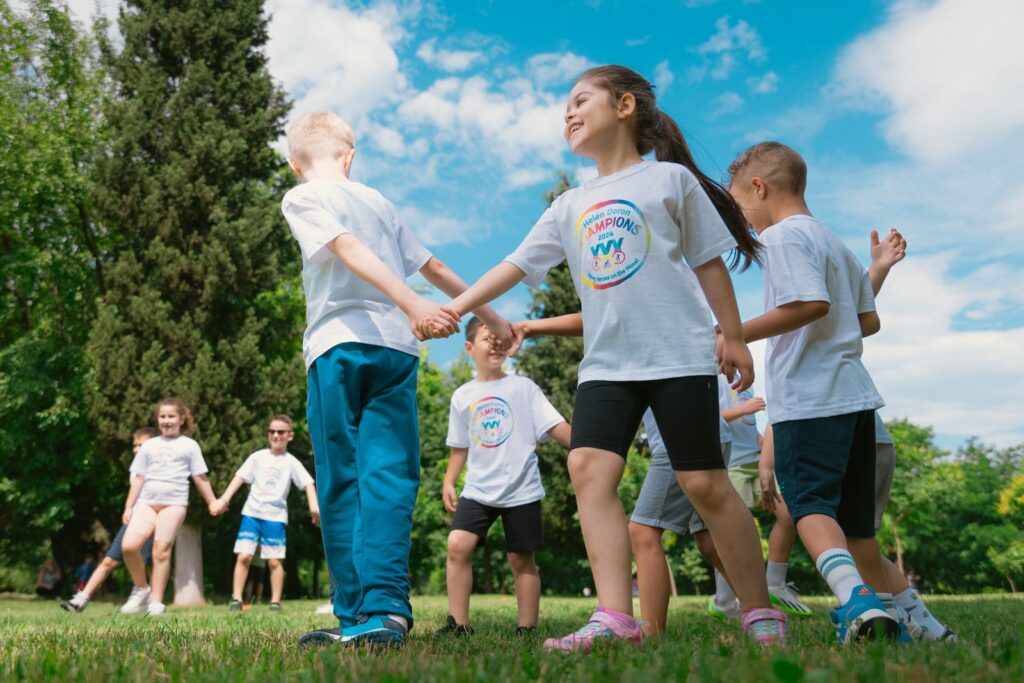
8. Development of Social Skills
Through competition, children learn essential social skills.
They gain insights into cooperation, conflict resolution, and the dynamics of fair play, which are crucial for their social development.

7. Building Emotional Insight
Competitive play helps children understand their own emotions.
They learn to manage feelings like disappointment and joy, developing emotional intelligence that aids in their overall maturity.
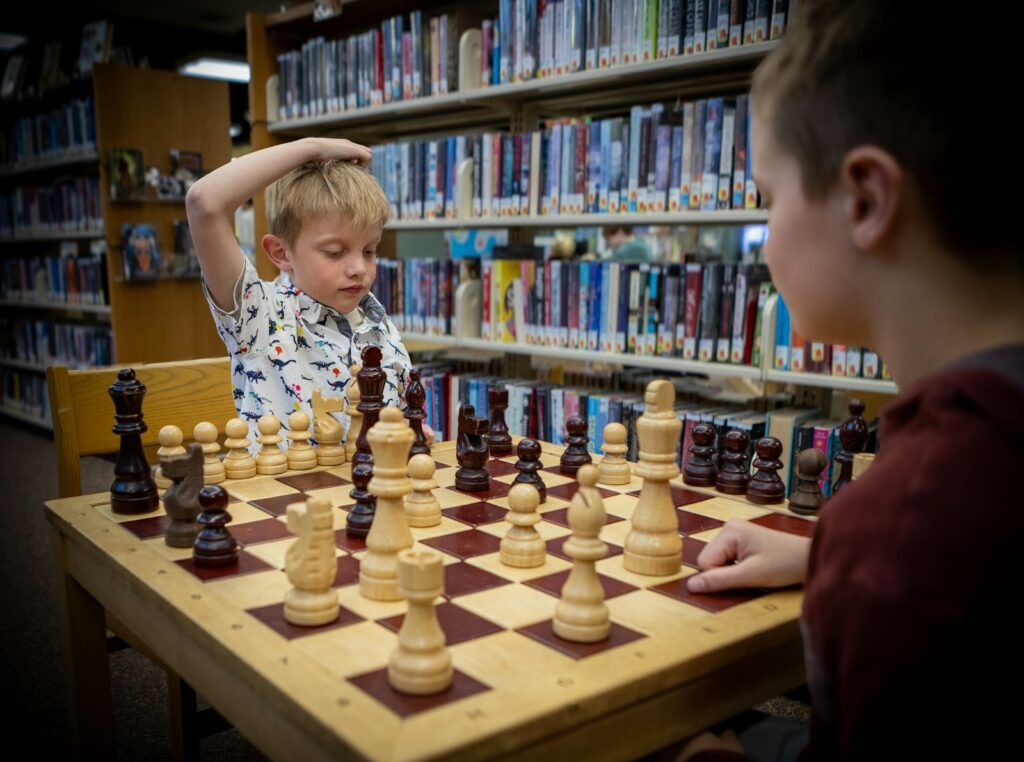
6. Enhancing Cognitive Skills
Competition promotes critical thinking and problem-solving.
Children learn to strategize and adapt, honing their cognitive skills in a dynamic and engaging way.
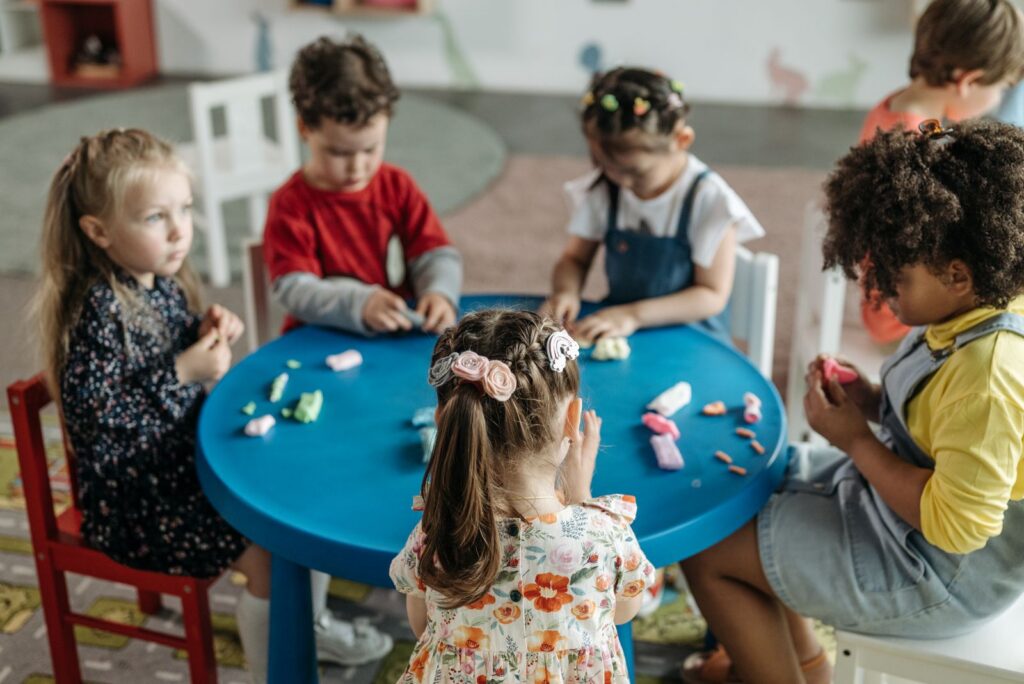
5. Encouraging Creativity
Competitions often require creative thinking.
As children invent new ways to tackle challenges, they enhance their creativity and innovation skills.
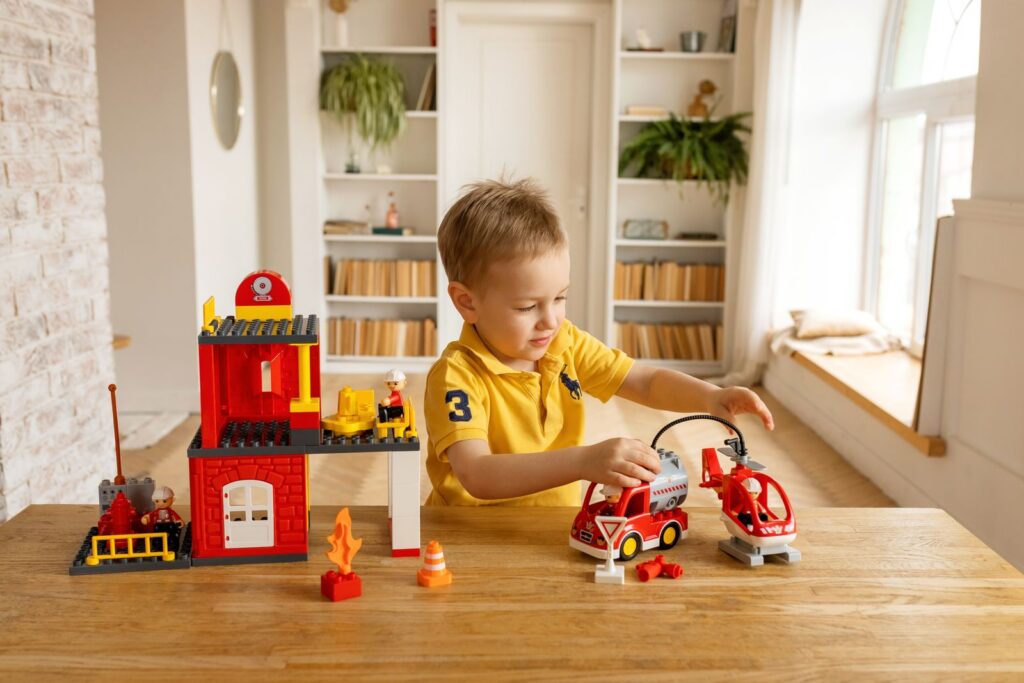
4. Fostering Independence and Agency
Through self-directed play, children learn to make their own decisions.
This autonomy strengthens their sense of agency, empowering them to navigate challenges independently.
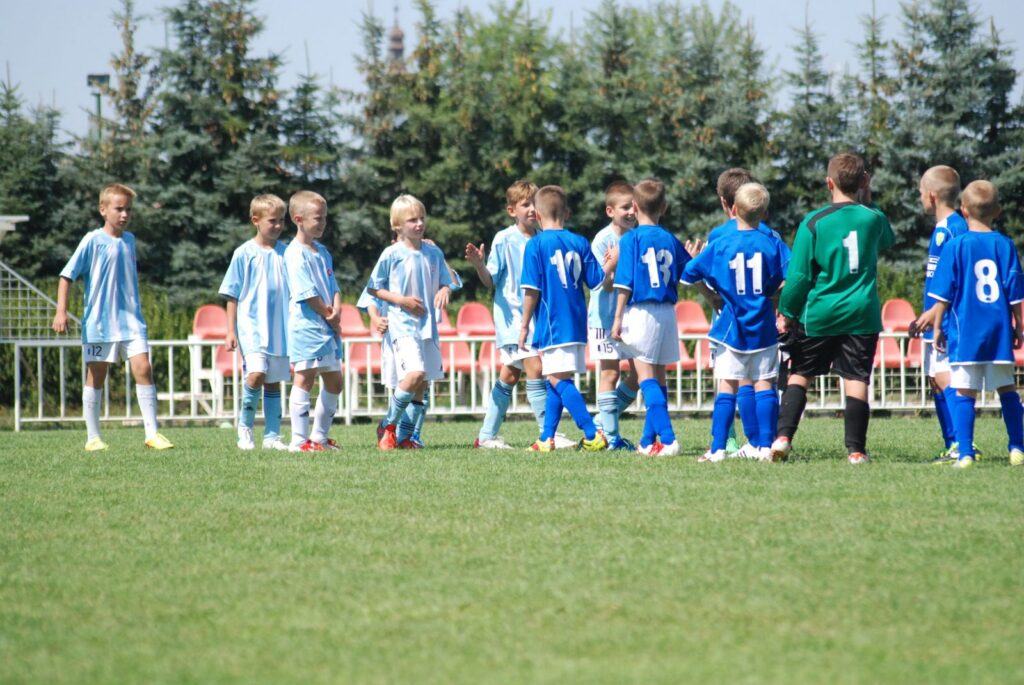
3. Developing Moral Understanding
Play and competition contribute to a child’s moral development.
They learn about fairness, reciprocity, and shared intentions, which are foundational to ethical behavior.

2. Strengthening Executive Functions
Competition enhances executive functions like self-control and attention.
These skills are crucial for academic success and personal growth, as they support better decision-making and focus.

1. Building Resilience and Perseverance
Perhaps most importantly, competition teaches resilience.
Children learn to persist through challenges, developing the perseverance necessary for lifelong success and adaptability.
Read More:
- 10 Ways Constant Screens Are Affecting Children’s Basic Skills
- 11 Ways to Help Children Thrive Through Divorce and Build Resilience
- 9 Insights on Compliments, Confidence, and Kids
Ask us! What questions do you have about content, strategy, pop culture, lifestyle, wellness, history or more? We may use your question in an upcoming article!
Like MediaFeed’s content? Be sure to follow us.
This article originally appeared on Resourcebuzz and was syndicated by MediaFeed.co.