Facts about everyday things you probably wish you didn’t know
Some knowledge is better left undiscovered, at least until after the next grocery run. Six ordinary objects below turned up in real studies carrying far more bacteria than anyone expected, and none of them look remotely suspicious sitting in plain view.
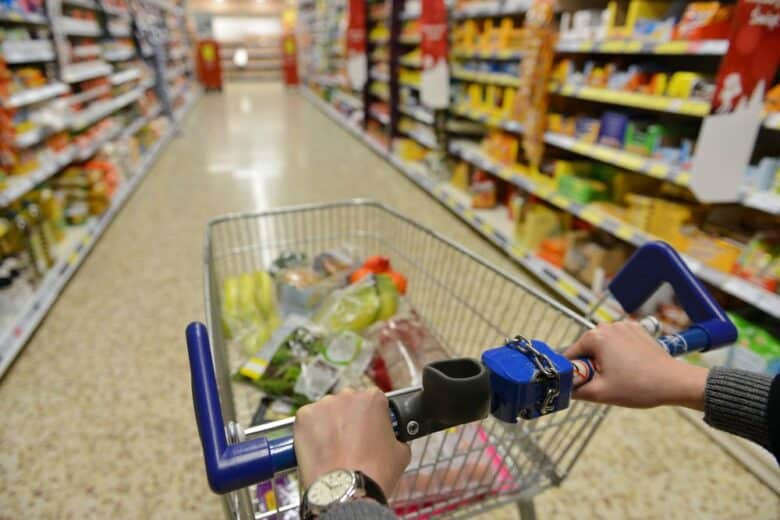
A grocery cart handle can hold 361 times the bacteria of a bathroom doorknob
That’s the finding from a study of carts at traditional grocery stores, which averaged over 73,000 bacterial colonies per square inch. Nearly 75 percent of what researchers found on the handles were Gram-negative rods, a category in which over 90 percent of species can harm humans and most resist common antibiotics.

The lemon slice on your glass
Researchers ordered drinks at 21 restaurants and swabbed the lemon wedges that arrived. Of 76 wedges collected, 70 percent carried microbes capable of causing illness, most likely from staff handling the fruit or from contact with raw food in the kitchen.
Hotel remotes
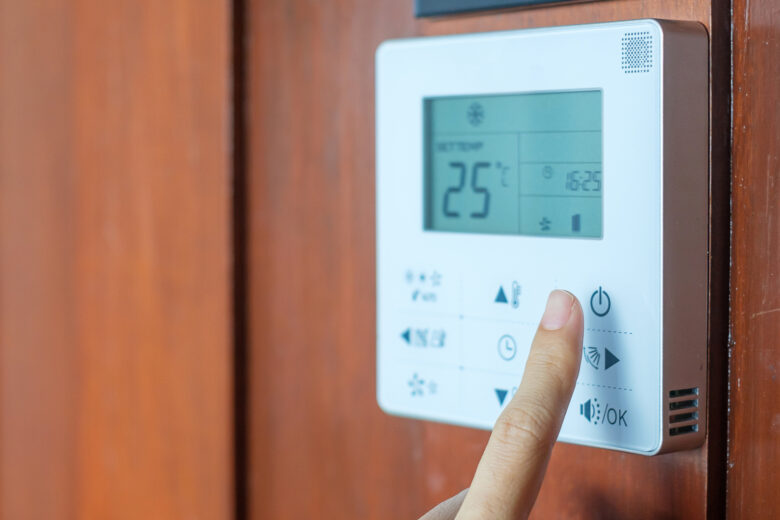
Studies suggest TV remotes are often dirtier than toilet seats, as every guest handles them and they are rarely sanitized between guests. Researchers have found E. coli, enterococcus, and Staph aureus on them; in some cases, including MRSA.
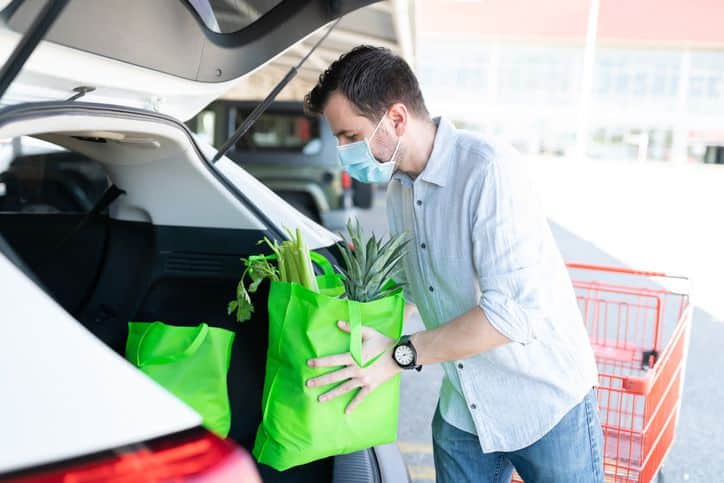
Reusable grocery bags travel with more than groceries
A 2018 study in the Journal of Environmental Health found reusable bags are highly likely to be contaminated and just as likely to pass pathogens to store employees and other shoppers, particularly at checkout conveyors and food scanners. Most people never wash them.
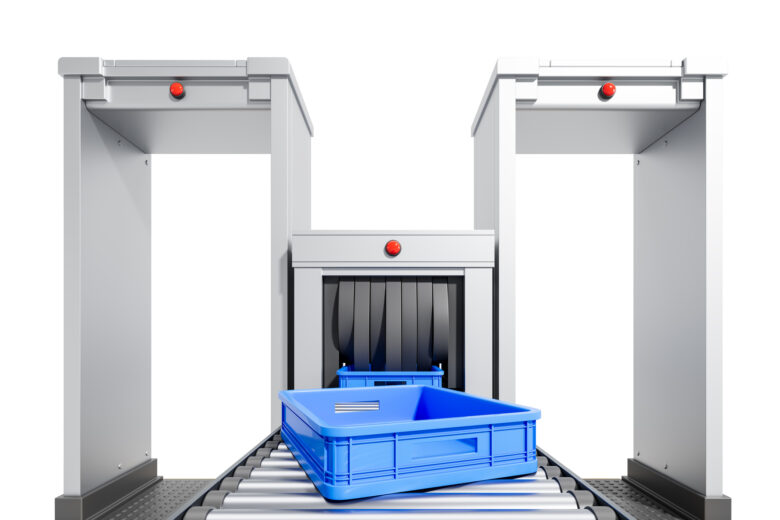
Airport security trays are handled by hundreds of people a day and almost never wiped down
Research on the trays has found high levels of bacteria, including E. coli, which is why hand sanitizer immediately after security beats waiting until lunch.
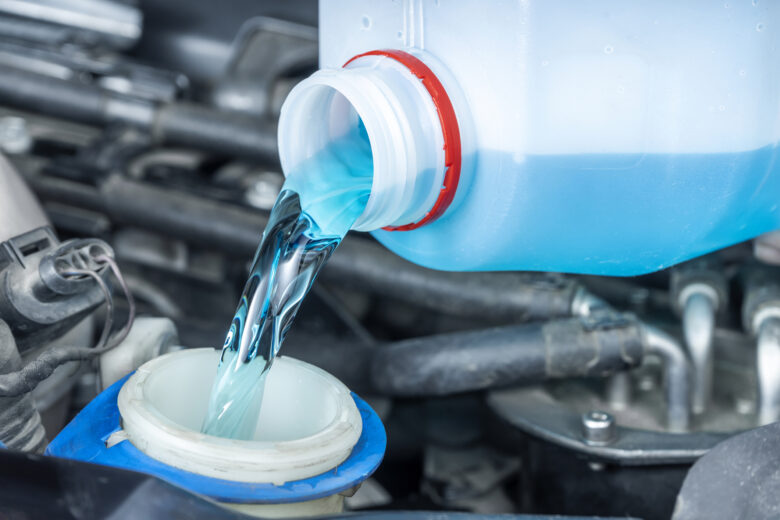
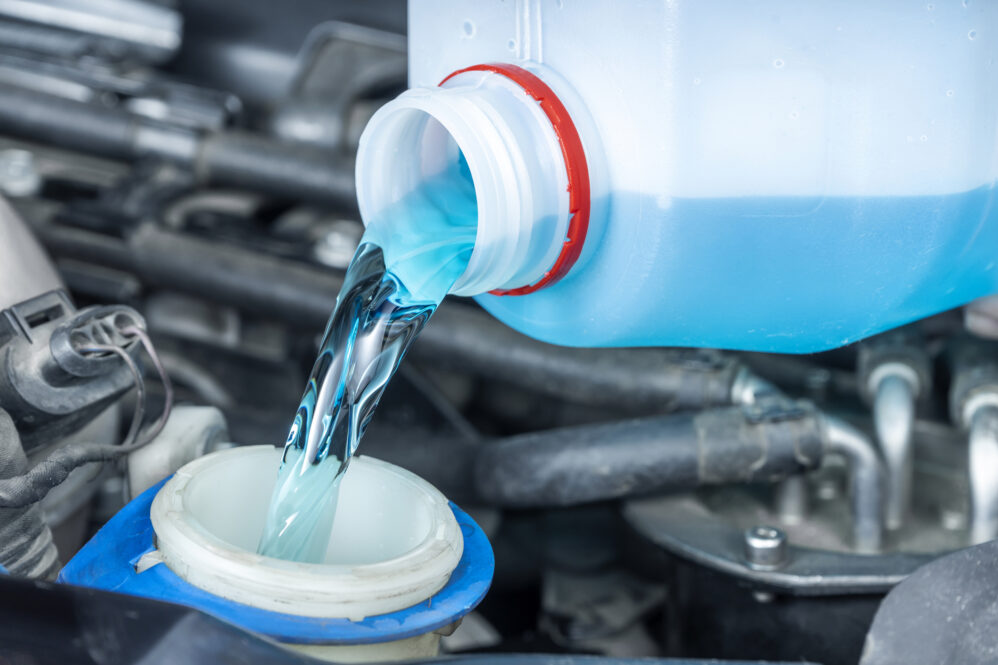
A car’s windshield washer fluid can grow something serious
Arizona State researchers sampling washer fluid reservoirs found high levels of Legionella, the bacteria behind a severe form of pneumonia. The concern: vapor from tainted fluid can drift into a car’s air vents. Switching to a solution containing methanol reportedly helps, since it kills bacteria on its own.

The bottom line
None of this means avoiding grocery stores, hotels, or restaurants for good. It just means the germiest surfaces are almost never the ones that look dirty, and a quick wipe or a handwash costs a lot less than finding out the hard way.
Ask us! What questions do you have about content, strategy, pop culture, lifestyle, wellness, history or more? We may use your question in an upcoming article!
Related:
- Historical “discoveries” that turned out to be elaborate hoaxes
- Some of the most surprising record deals in music history
Like MediaFeed’s content? Be sure to follow us.
This article was syndicated by MediaFeed.co.