The Strange History of How We Got Play-Doh
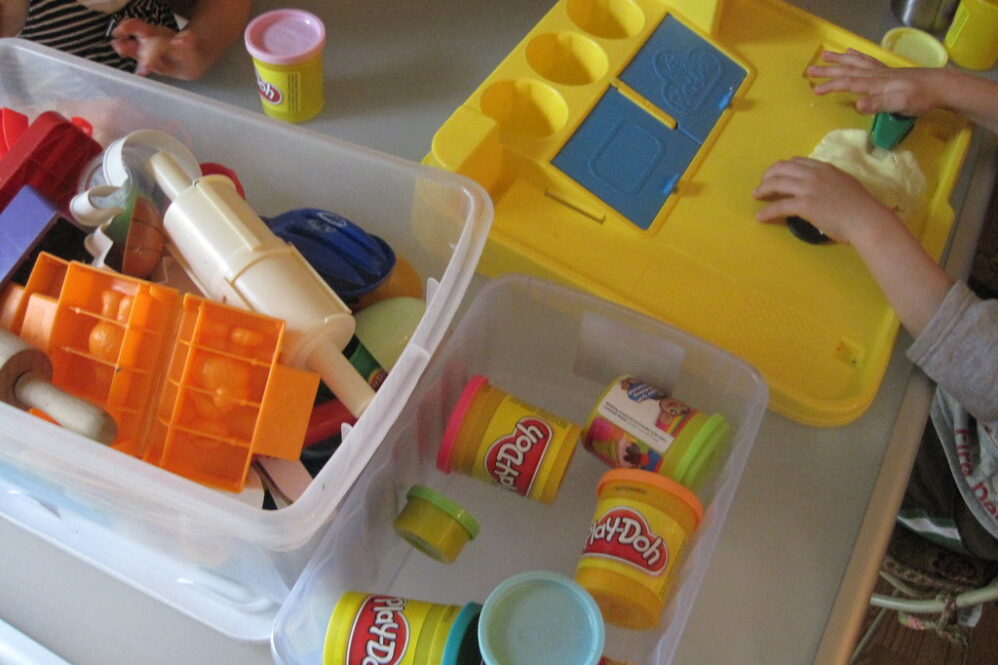
Play-Doh is a staple in children’s playrooms around the world, but its origins are far from what you’d expect. Initially created as a wallpaper cleaner, Play-Doh’s transformation into a cherished toy is a story of innovation and adaptation. Let’s explore how this iconic product evolved over the decades.
From its creation by a soap company on the brink of bankruptcy to its colorful presence in classrooms and homes, Play-Doh’s journey is truly unique. Here are 9 surprising facts about how Play-Doh went from cleaning walls to sparking creativity in children everywhere.
9. Born Out of Necessity
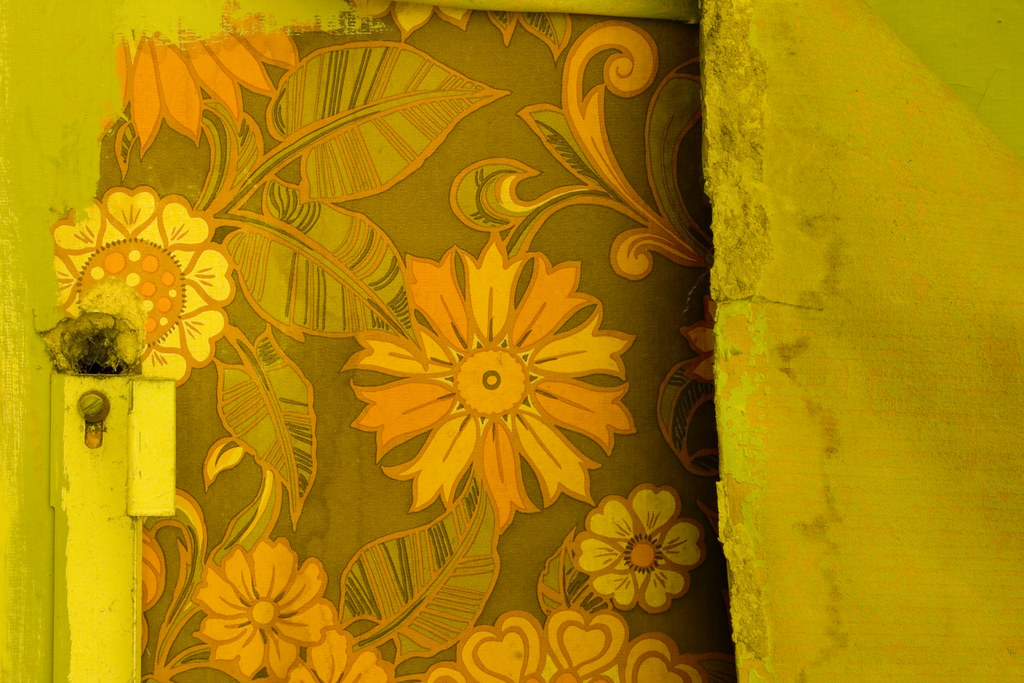
In the 1930s, most American homes were heated by coal or wood, leaving black soot on wallpaper. This created a demand for an effective cleaning solution.
Soap maker Cleo McVicker and his brother Noah developed a simple putty to address this need, leading to the creation of a product that would eventually become Play-Doh.

8. A Schoolteacher’s Discovery
In the early 1950s, Kay Zufall, a nursery schoolteacher, stumbled upon an article suggesting wallpaper cleaner as a modeling clay alternative.
She introduced it to her students, who loved it for its ease of use and minimal mess, sparking the idea to rebrand it as a toy.
7. The Pivot to Play-Doh
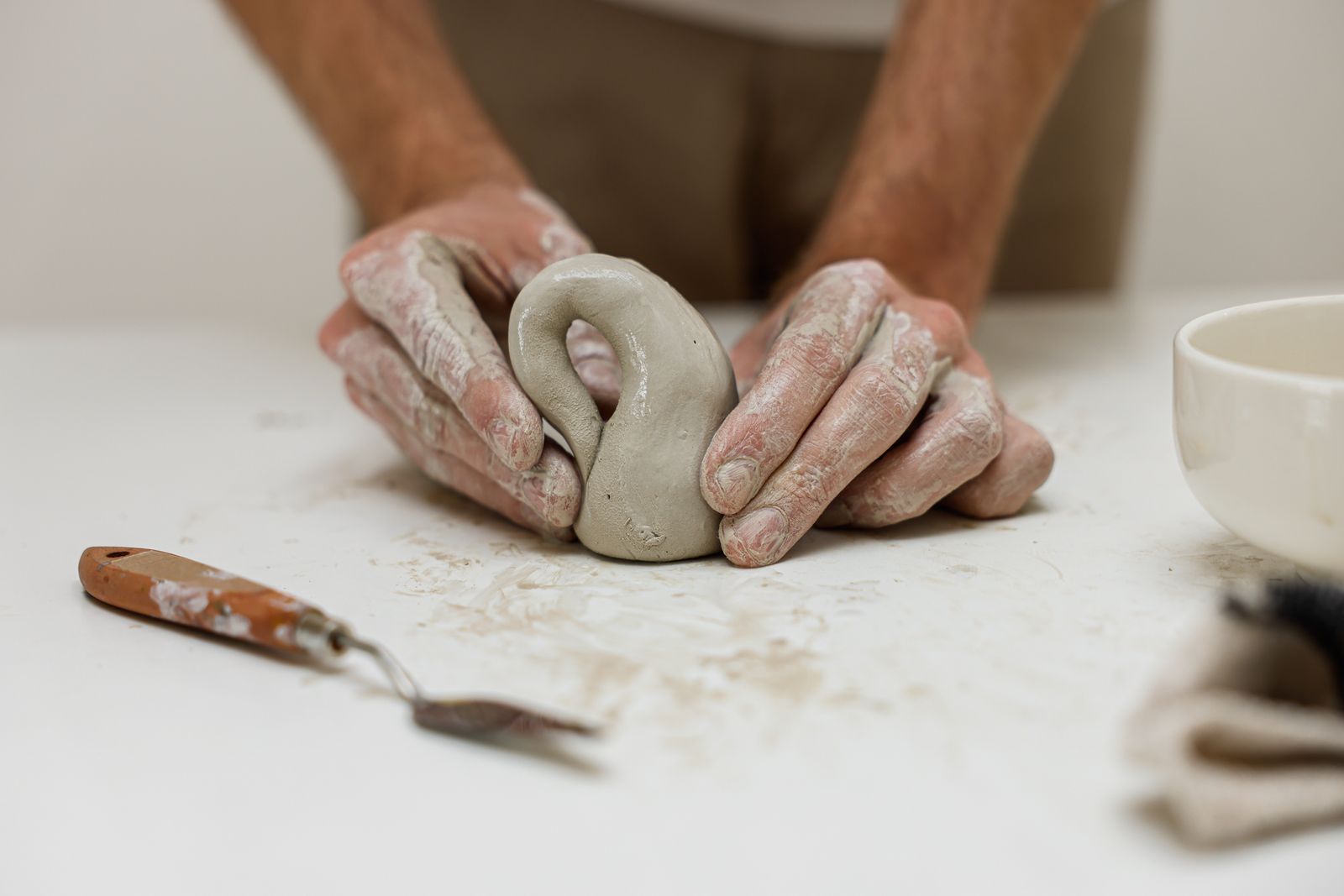
Realizing the potential, Joe McVicker, Noah’s nephew, reformulated the cleaner into a modeling compound suitable for children.
This marked the birth of Play-Doh, initially sold in a simple white color before later expanding into a variety of colors for retail.
6. A Television Boost
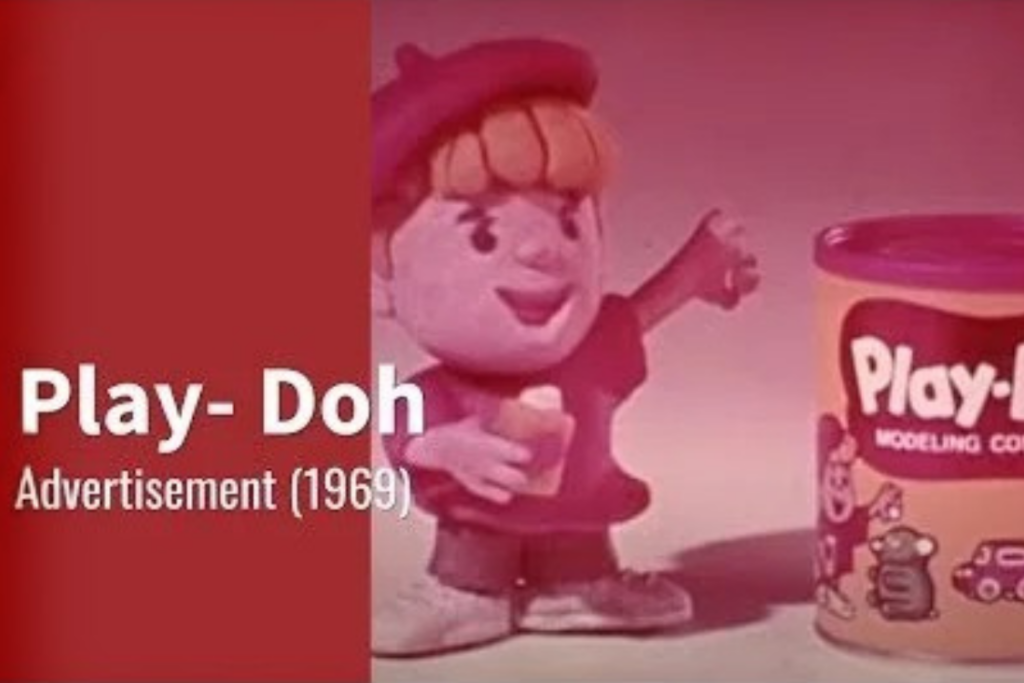
Play-Doh’s popularity soared after being featured on the children’s television show Captain Kangaroo.
This exposure led to a surge in demand, solidifying its status as a must-have toy in the 1950s and beyond.
5. Expanding the Product Line
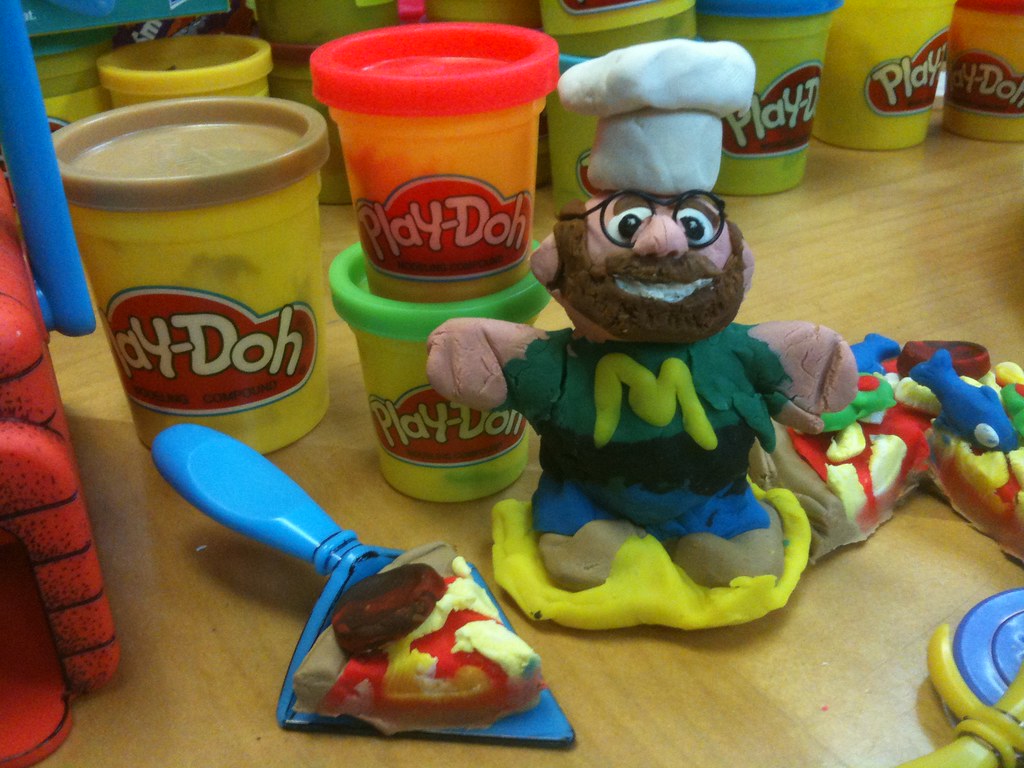
To capitalize on its success, the company marketed Play-Doh through Rainbow Crafts, introducing toy sets like the Play-Doh Fun Factory.
These sets allowed children to mold and shape Play-Doh in new and exciting ways, further enhancing its appeal.
4. A Global Phenomenon
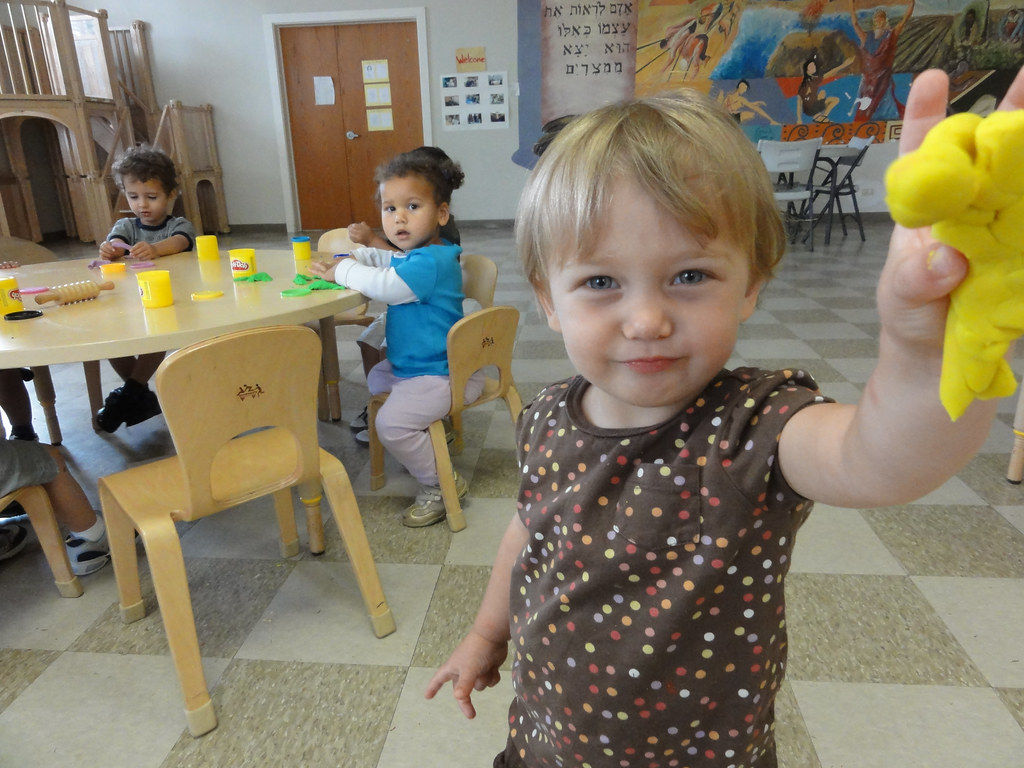
By the mid-1960s, just a decade after its rebranding, Play-Doh was selling over a million cans annually.
Its success was not limited to the United States, as it quickly became a beloved toy worldwide, crossing cultural and linguistic barriers.
3. The Role of Innovation
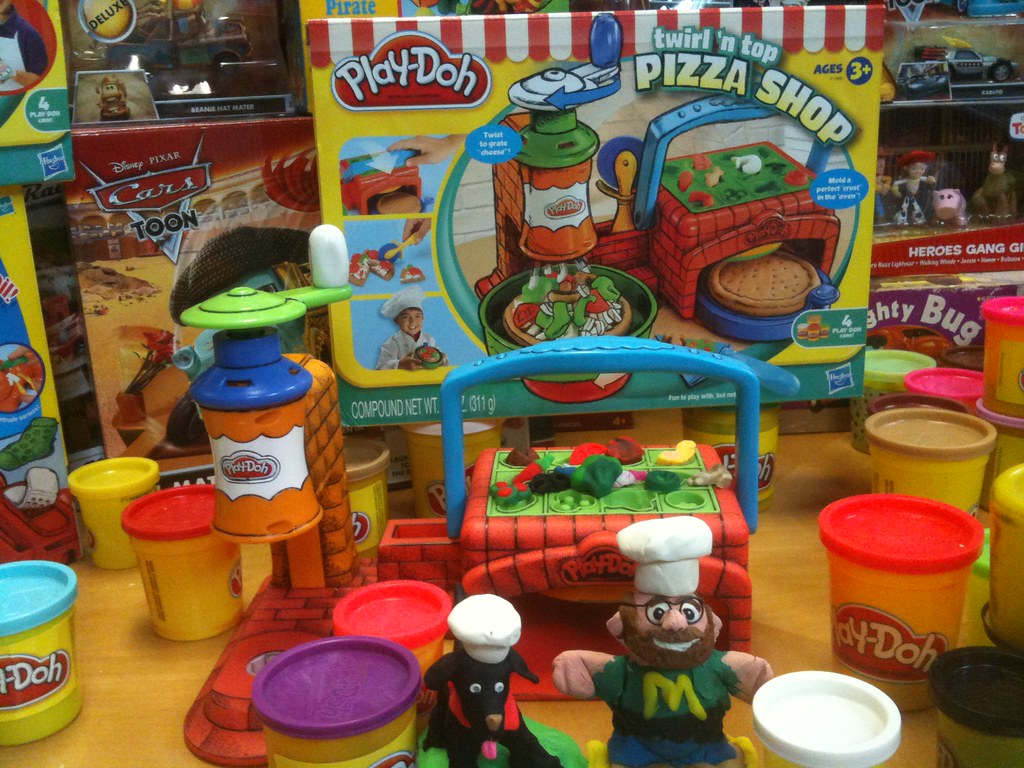
Continuous innovation kept Play-Doh relevant, with new colors and themed sets regularly introduced to the market.
This adaptability ensured that Play-Doh remained a favorite among children and parents alike for generations.
2. A Cultural Icon
Play-Doh’s impact extends beyond play, becoming an integral part of pop culture and nostalgia.
Its distinctive smell and texture evoke memories for millions, cementing its place as a cultural icon.
1. A Legacy of Creativity
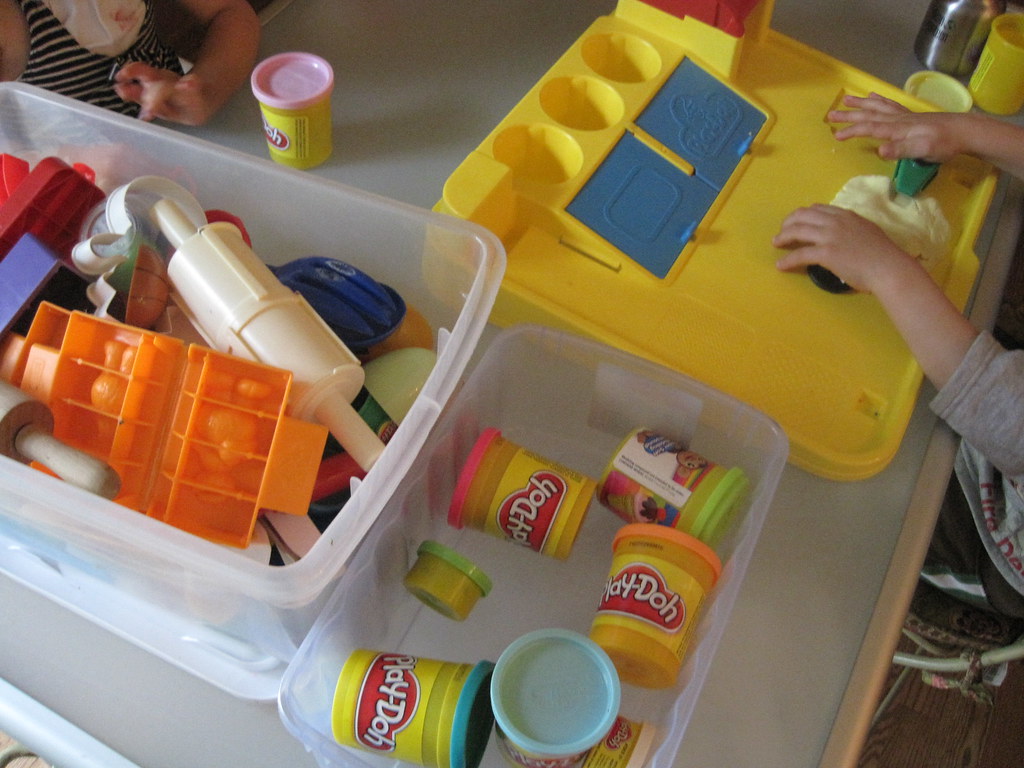
By some estimates, more than three billion cans of Play-Doh have been sold, inspiring creativity in countless children worldwide.
Its legacy is one of imagination and fun, proving that even the most unlikely products can become timeless treasures.
Read More:
- 10 Toys Parents Couldn’t Wait to Get Rid Of
- 17 Childhood Toys That Would Never Be Allowed Today
- 10 Saturday Morning Cartoon Traditions Kids Miss Today
Ask us! What questions do you have about content, strategy, pop culture, lifestyle, wellness, history or more? We may use your question in an upcoming article!
Like MediaFeed’s content? Be sure to follow us.
This article originally appeared on Resourcebuzz and was syndicated by MediaFeed.co.