10 Hidden Household Hazards for Curious Cats
Cats are natural explorers. They’ll squeeze into tight spaces, investigate new smells, and bat at just about anything that catches their attention. While that curiosity is part of their charm, it can also get them into trouble around the house.
Many everyday items seem harmless to people but can pose real risks to feline companions. Here are 10 hidden household hazards every cat owner should know about.
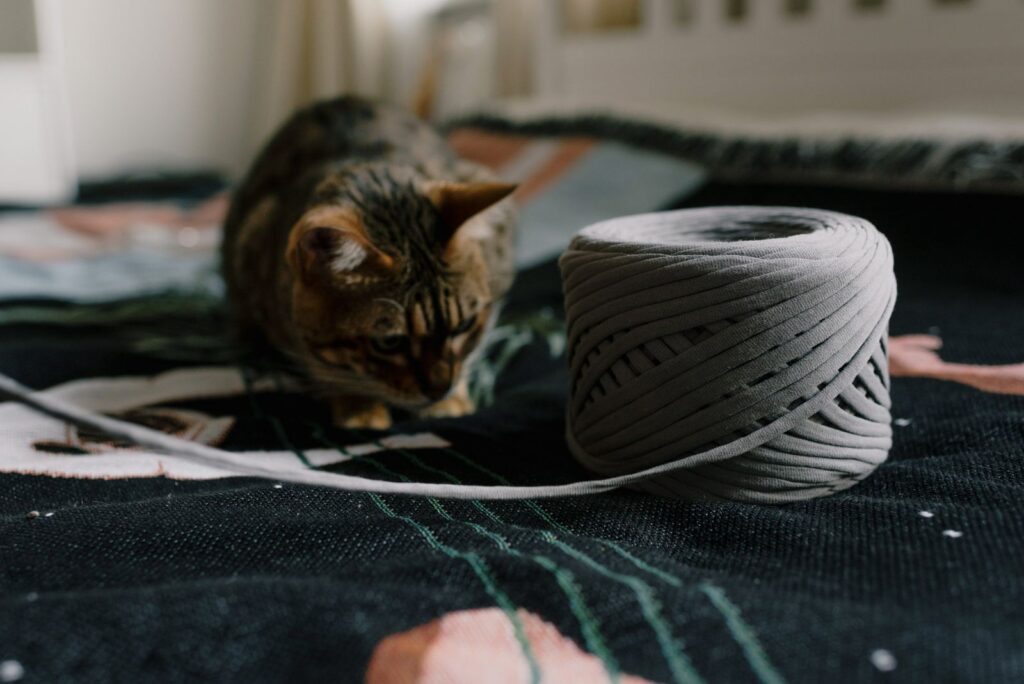
10. String, Ribbon, and Thread
Many cats can’t resist batting at string or curling up with ribbon.
Unfortunately, swallowing these items can cause serious intestinal injuries or blockages that may require emergency surgery. After playtime, it’s best to put strings, yarn, and ribbon safely out of reach.

9. Lilies
Lilies are among the most dangerous flowers for cats.
Even small amounts of pollen, leaves, petals, or vase water from true lilies and daylilies can cause severe kidney damage. If you share your home with a cat, veterinarians recommend avoiding these lilies entirely.

8. Essential Oils
Some essential oils can be harmful to cats, especially in concentrated forms.
Cats process certain compounds differently than people, making oils such as tea tree, eucalyptus, cinnamon, clove, peppermint, wintergreen, and pine potentially dangerous if ingested, applied to the skin, or inhaled in concentrated amounts. Always ask your veterinarian before using essential oils around pets.

7. Human Medications
Pain relievers, antidepressants, ADHD medications, and many other prescription or over-the-counter drugs can be toxic to cats.
Never assume a medication that’s safe for humans is safe for pets. Keep all medicines securely stored and contact your veterinarian immediately if your cat swallows one.

6. Tilt Windows
Partially opened tilt windows can create a surprisingly dangerous trap.
Cats may try to squeeze through the opening and become stuck, leading to serious injuries. If you use tilt-style windows, be sure they’re fitted with cat-safe guards or kept fully closed when your pet is nearby.
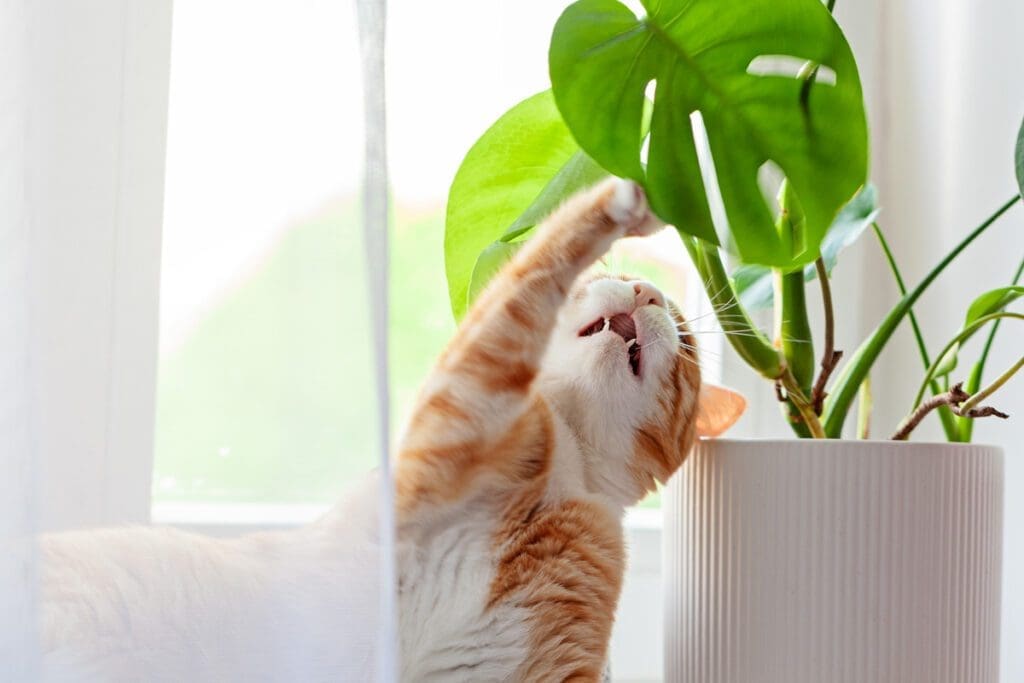
5. Toxic Houseplants
Not every dangerous plant comes from the flower shop.
Common houseplants such as pothos, philodendron, dieffenbachia, and sago palm can cause illness if chewed. Before bringing home a new plant, make sure it’s safe for cats.
4. Household Cleaners
Cleaning products can expose cats to irritating or toxic substances through spills, fumes, or residue on their paws and fur.
Store cleaners securely, follow label directions, ventilate the area when needed, and allow freshly cleaned surfaces to dry completely before letting your cat explore.
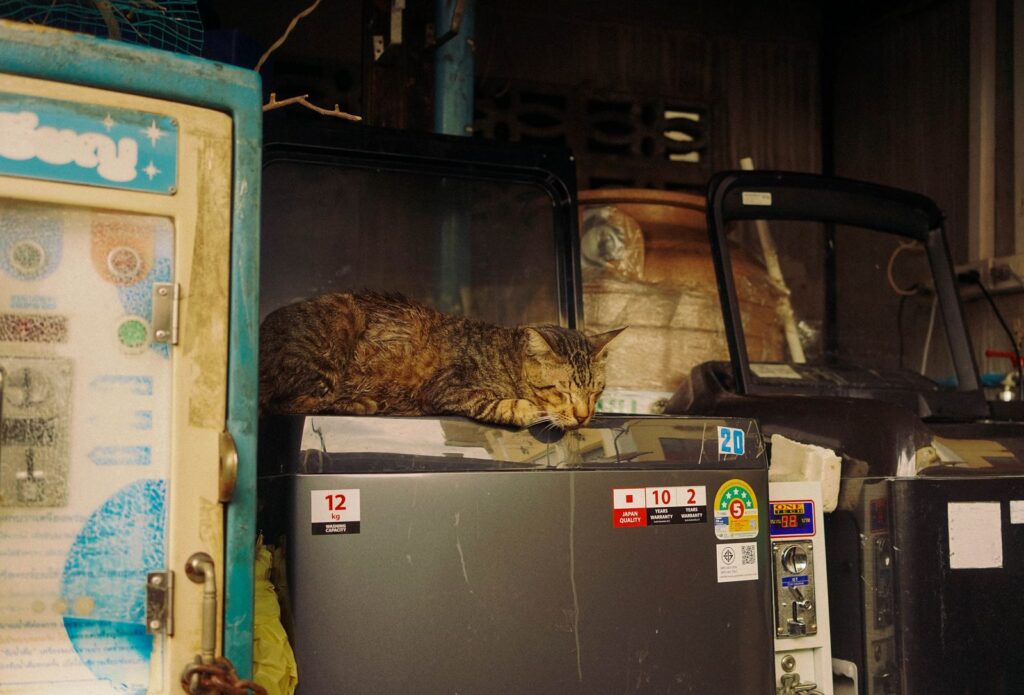
3. Open Clothes Dryers and Washing Machines
Warm, enclosed spaces can be irresistible hiding spots.
Always check the washer and dryer before closing the door or starting a cycle, especially if your cat likes to sneak into quiet places for a nap.
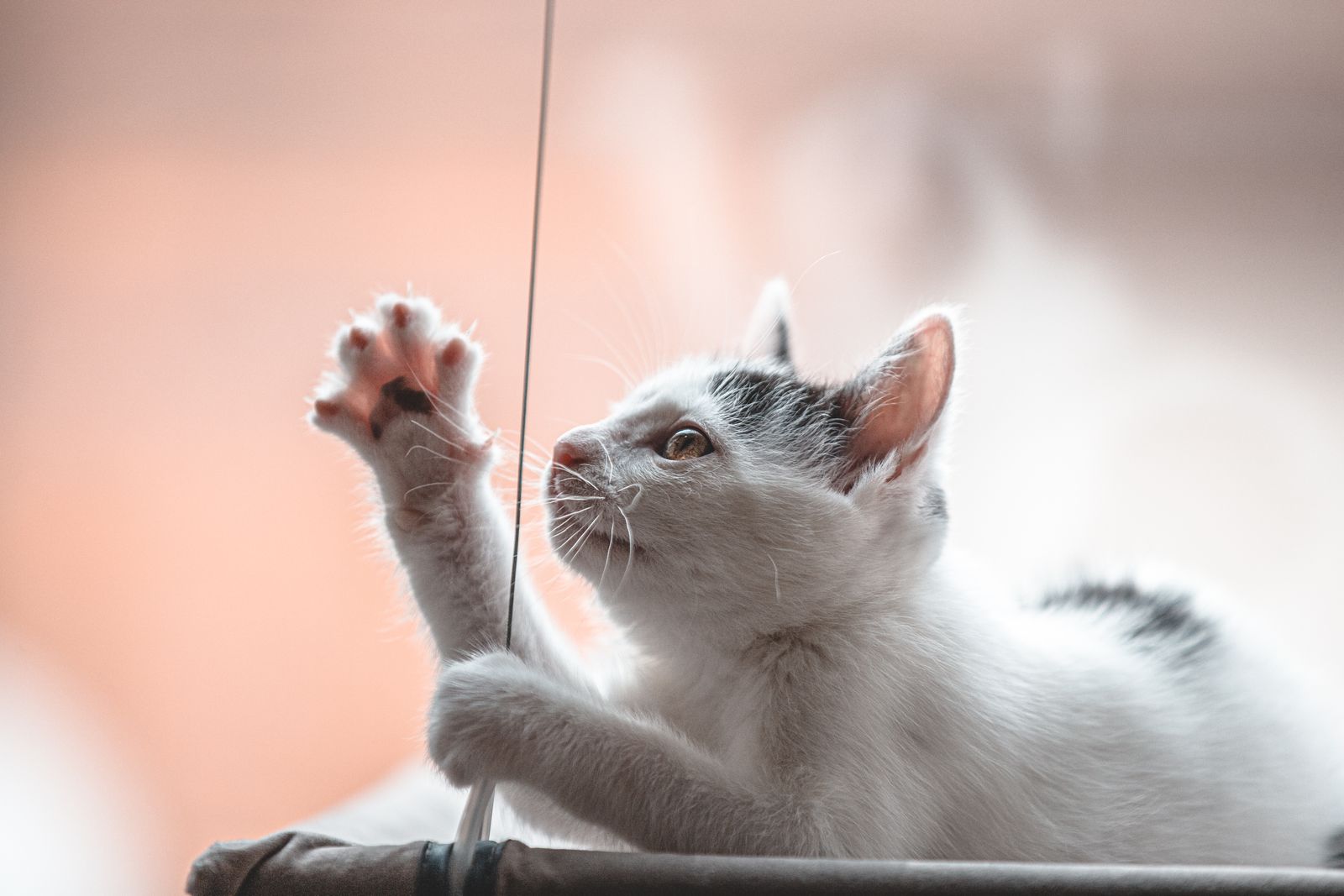
2. Dental Floss, Hair Ties, and Rubber Bands
Small stretchy items are surprisingly tempting toys.
If swallowed, they can become lodged in the digestive tract and create life-threatening intestinal injuries. Keeping these everyday objects tucked away is one of the easiest ways to protect an inquisitive cat.
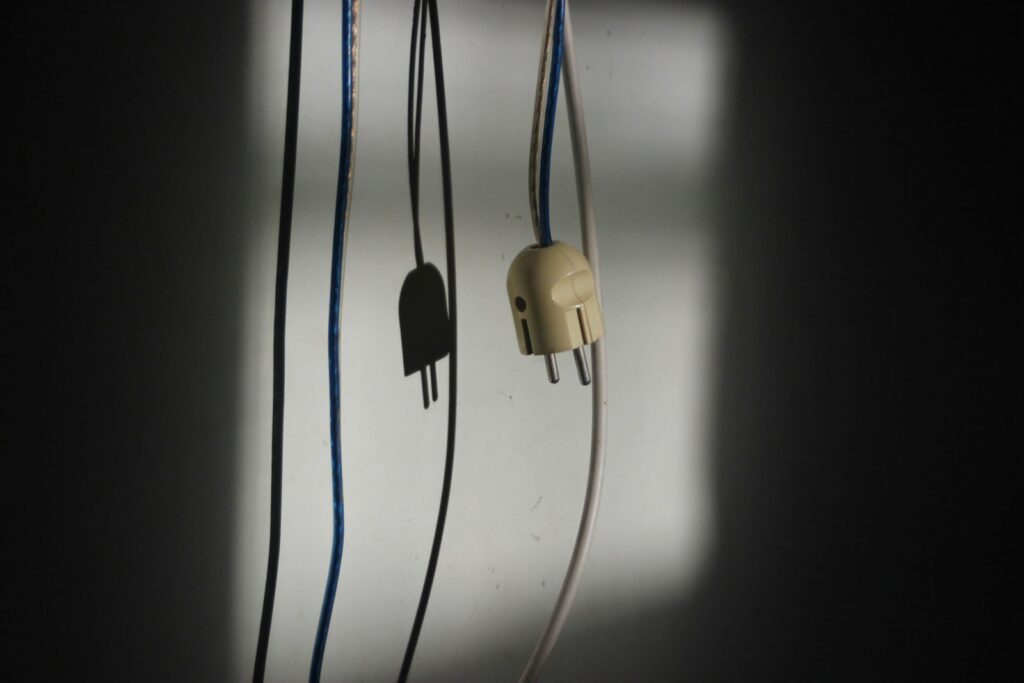
1. Dangling Electrical Cords
To a playful kitten, or even an adult cat, a hanging electrical cord can look like the perfect toy.
Chewing electrical cords can lead to burns, electric shock, or serious injury. Cord covers, cable organizers, and keeping wires out of reach can help make your home much safer for curious felines.
Read More:
- 9 Places You Should Never Put Your Cat’s Litter Box, According to Vets
- 10 Pros and Cons of Allowing Your Cat on the Counter
- 10 Ways to Keep Your Senior Cat Healthy and Thriving
Ask us! What questions do you have about content, strategy, pop culture, lifestyle, wellness, history or more? We may use your question in an upcoming article!
Like MediaFeed’s content? Be sure to follow us.
This article originally appeared on Resourcebuzz and was syndicated by MediaFeed.co.