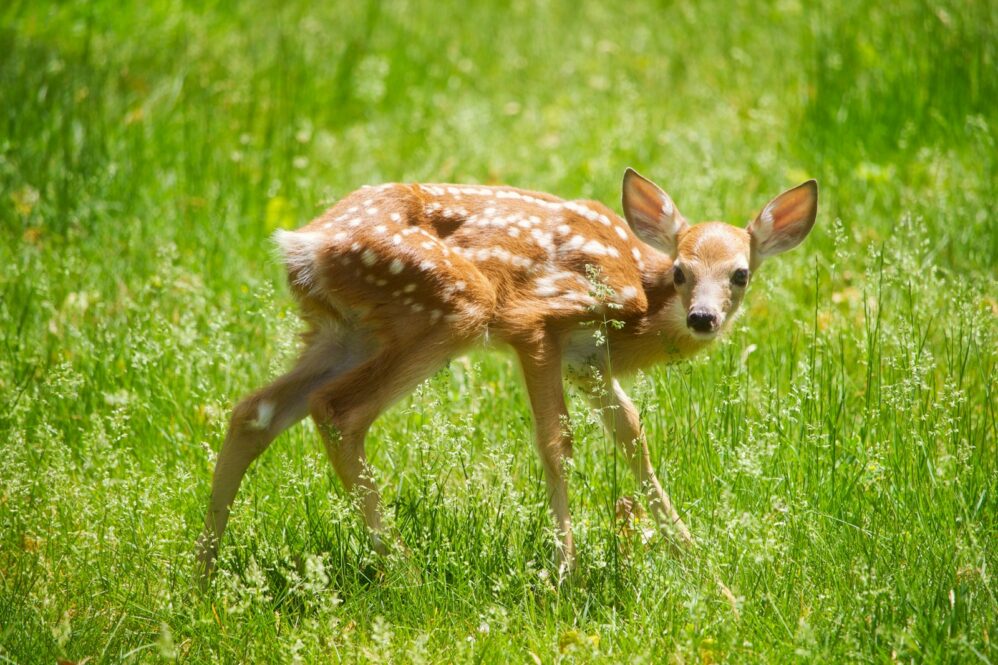
9 Ways Animals See Humans as Super-Predators
Humans have long been described by researchers as the ultimate super-predators due to their unmatched ability to hunt, trap, and fish. This perception has profound effects on wildlife behavior across various landscapes. However, recent research from the Centre for Ecological Sciences at the Indian Institute of Science suggests that animals do not uniformly respond to all types of human presence.
While lethal threats from humans such as hunting and fishing lead to predictable fear responses, non-lethal human activities elicit more varied reactions. This nuanced understanding of animal behavior helps us grasp the complex dynamics between humans and wildlife.
Here are 9 fascinating ways animals react to humans as super-predators:
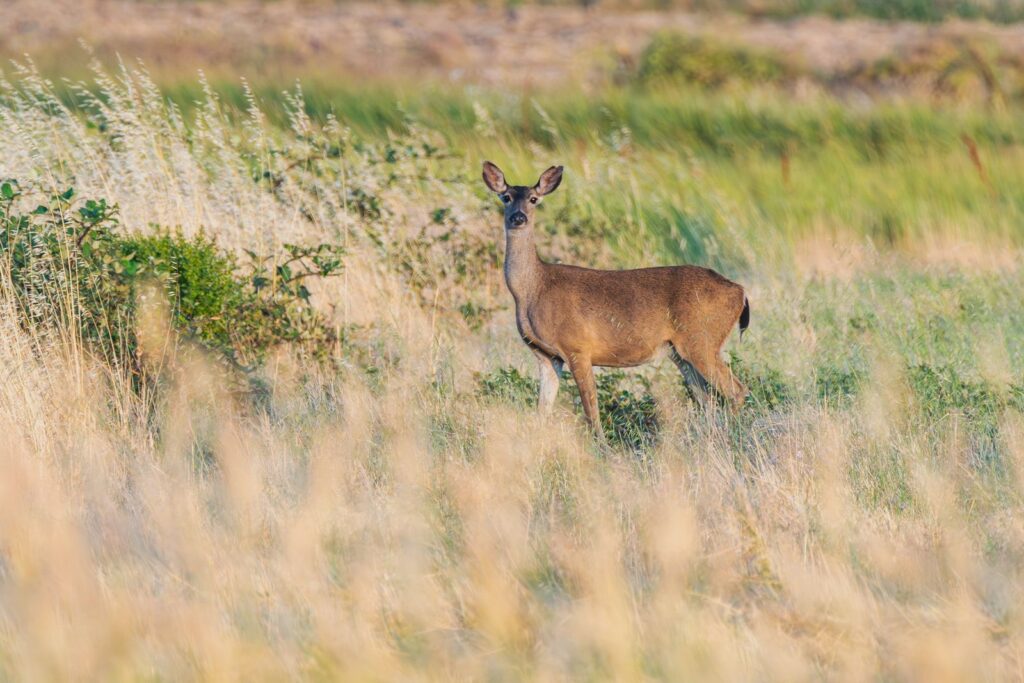
9. Heightened Vigilance in Lethal Zones
When humans pose a direct lethal threat, animals tend to become more vigilant.
This increased alertness comes at a cost, as it reduces the time available for foraging and other essential activities. Such behaviors can lead to significant impacts on fitness, including survival and reproduction.

8. Roads as Unexpected Refuges
Surprisingly, roads and human settlements can sometimes serve as perceived safe havens for certain prey species.
This phenomenon occurs because predators tend to avoid areas with high human activity, inadvertently creating safer zones for prey.
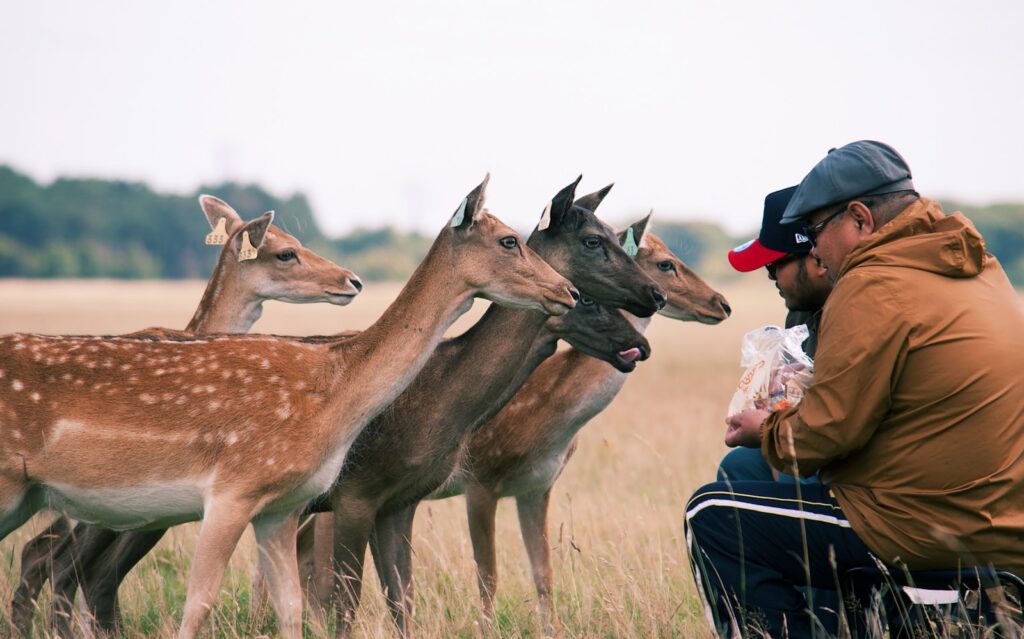
7. Variable Reactions to Non-Lethal Humans
Animals exhibit a range of responses to non-lethal human activities, such as tourism and research.
While some species show minimal changes in behavior, others may become more cautious or alter their movement patterns in unpredictable ways.
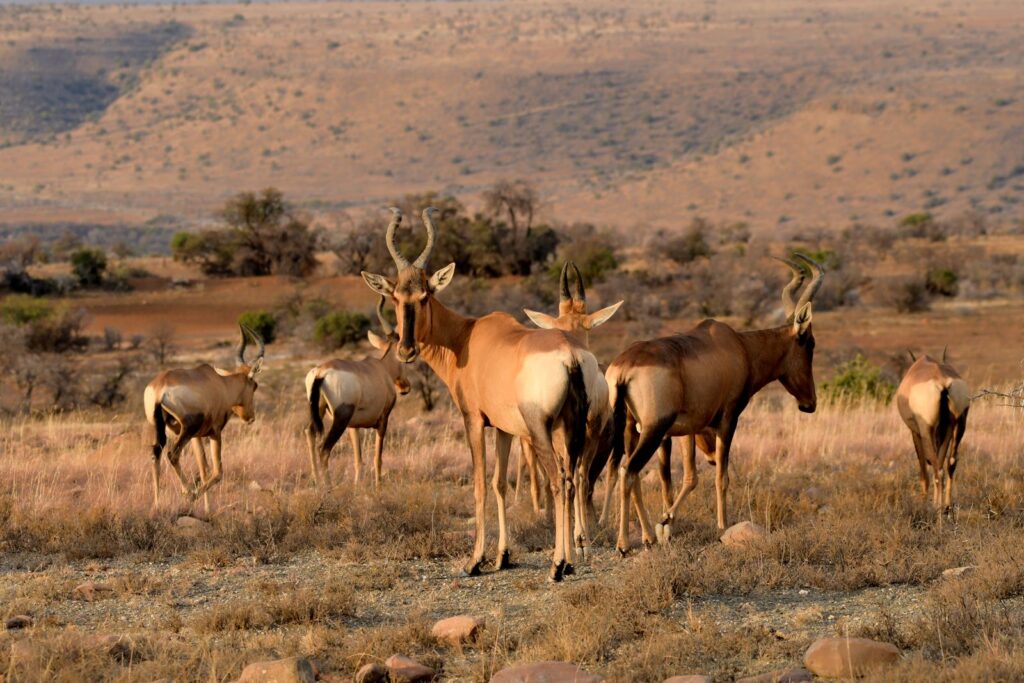
6. Grazing Near Open Vegetation
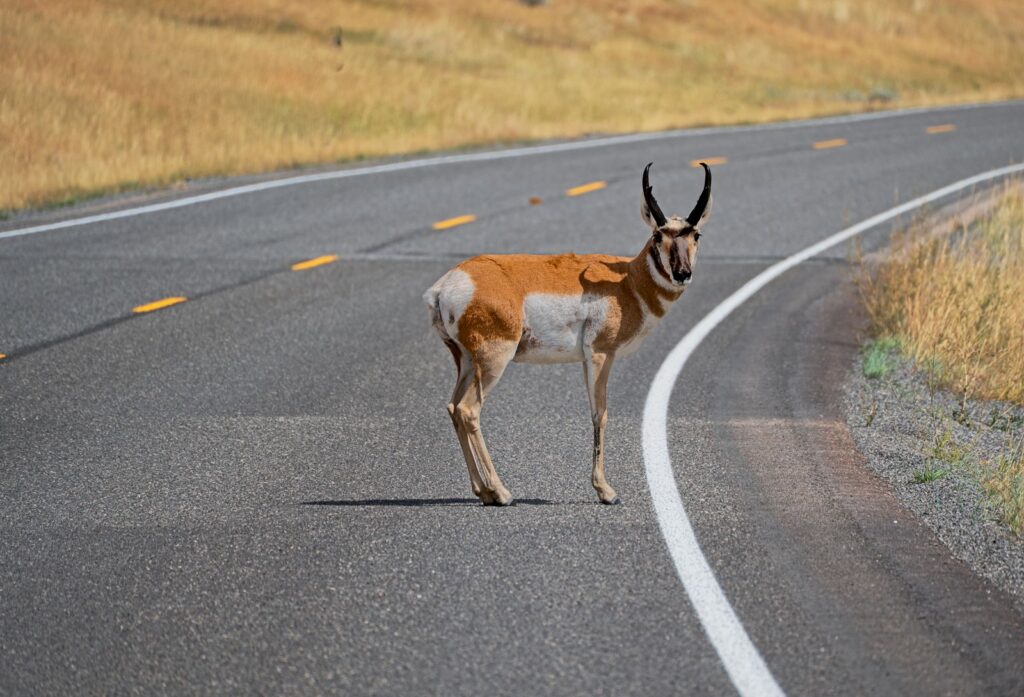
Open vegetation near roads can attract smaller animals looking for grazing opportunities.
However, these areas also pose risks, such as the danger of being struck by vehicles, highlighting the complex trade-offs animals must navigate.
5. Adjusting to Risk Levels
Animals adapt their behavior based on the severity and predictability of human threats.
When threats are frequent and intense, animals remain cautious. Conversely, predictable or limited threats allow them to relax and resume normal activities.
4. Influence on Ecosystem Dynamics
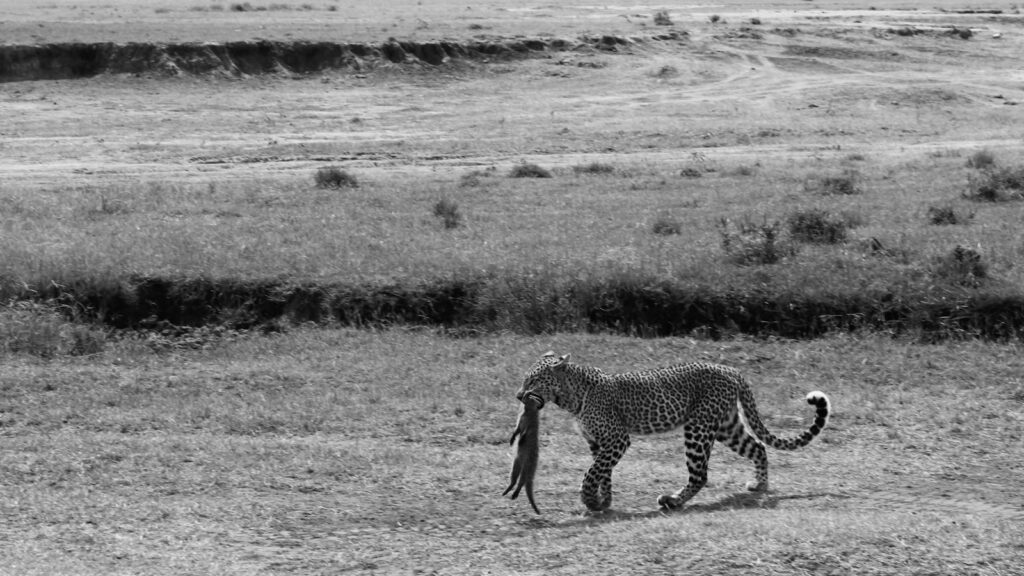
Changes in animal behavior due to human presence can ripple through entire ecosystems.
These changes can alter grazing patterns, predator-prey relationships, and overall ecological stability, showcasing the far-reaching impact of human activity.
3. Behavioral Costs of Fear
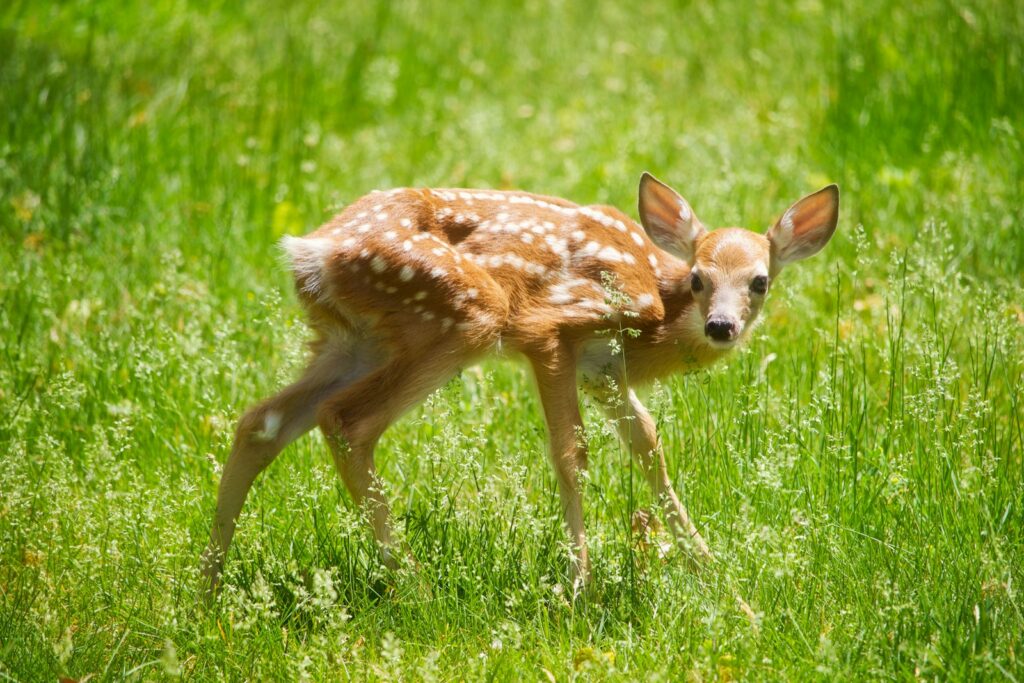
The fear of humans forces animals to make difficult trade-offs between vigilance and essential activities like feeding.
Such behavioral adjustments can incur significant costs, affecting an animal’s energy budget and access to crucial resources.

2. Implications for Wildlife Management
The insights into animal responses to human threats have potential applications in managing human-wildlife conflicts.
Wildlife management strategies such as culling should vary by species, landscape, and human activity. Both lethal and non-lethal methods can have different ecological effects.

1. The Need for Predictive Research
There is a growing need for predictive frameworks that link animal behavior to ecological and evolutionary contexts.
Understanding species traits, past human exposure, and landscape structures will be crucial in predicting how wildlife will respond to human activities in the future.
Read More:
- 10 Ways a Pet Can Know You Better Than Most People Do
- 10 Little Moments When a Rescue Pet Realizes They’re Finally Home
- 9 Places You Should Never Put Your Cat’s Litter Box, According to Vets
Ask us! What questions do you have about content, strategy, pop culture, lifestyle, wellness, history or more? We may use your question in an upcoming article!
Like MediaFeed’s content? Be sure to follow us.
This article originally appeared on Resourcebuzz and was syndicated by MediaFeed.co.