
9 Ways Losing Just 80 Minutes of Sleep Can Affect Your Weight
Many of us underestimate the power of a good night’s sleep, often sacrificing those precious hours for work, entertainment, or other commitments. However, recent research from Columbia University suggests that even a modest reduction in sleep can have significant implications for our health, particularly in terms of weight gain.
The study found that adults who reduced their sleep by just 80 minutes each night for six weeks gained an average of one pound. This finding sheds light on the often-overlooked role of sleep in weight management and overall health.
Here are 9 surprising ways that losing just 80 minutes of sleep can impact your weight and health:

9. Modest Weight Gain Over Six Weeks
Even a small reduction in sleep can lead to noticeable weight gain.
The study revealed that participants who slept 80 minutes less each night gained about one pound over six weeks. This may seem minor, but it highlights how chronic sleep loss can contribute to gradual weight gain over time.

8. Increased Inactivity
Less sleep often results in more sedentary behavior.
Participants in the study became less active, with sedentary time increasing by 17 minutes per day. This reduction in physical activity can contribute to weight gain and other health issues.

7. Impact on Appetite Regulation
Sleep loss can affect hormones that regulate appetite.
The study measured fasting levels of hormones involved in appetite regulation. Disruption in these hormones can lead to increased hunger and overeating, further contributing to weight gain.

6. Risk of Heart Disease
Chronic sleep loss is linked to an increased risk of heart disease.
As obesity is a major risk factor for heart disease, the weight gain associated with sleep loss can elevate the risk of developing heart-related conditions.
5. Elevated Risk of Type 2 Diabetes
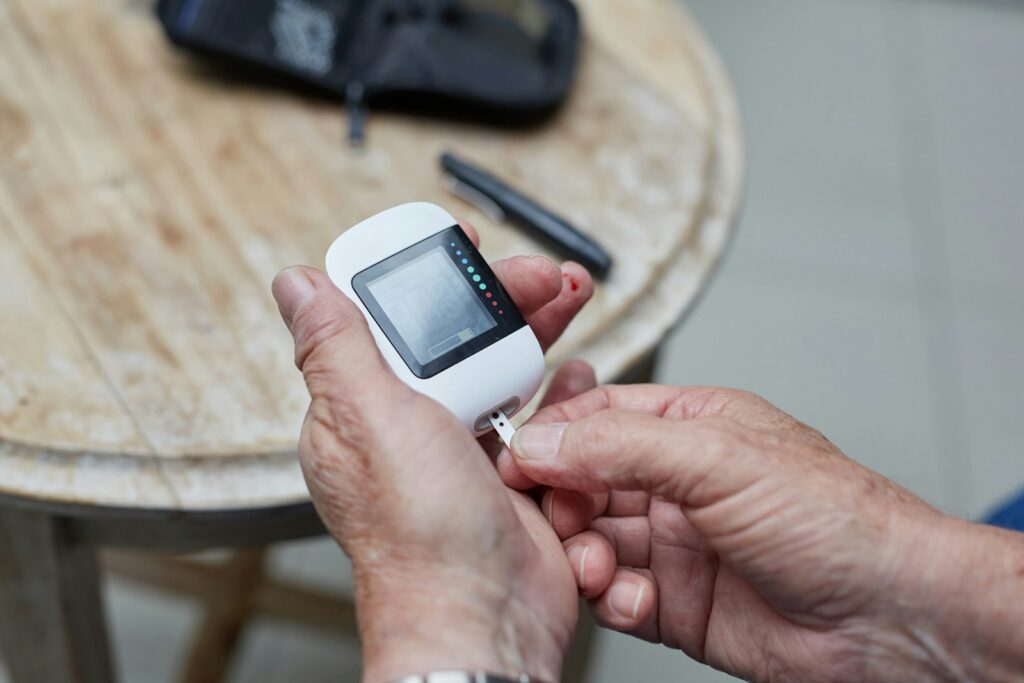
Insufficient sleep can increase insulin resistance.
Participants with reduced sleep showed greater insulin resistance, a key risk factor for type 2 diabetes. This effect was particularly notable in postmenopausal women.
4. Influx of Inflammatory Cells
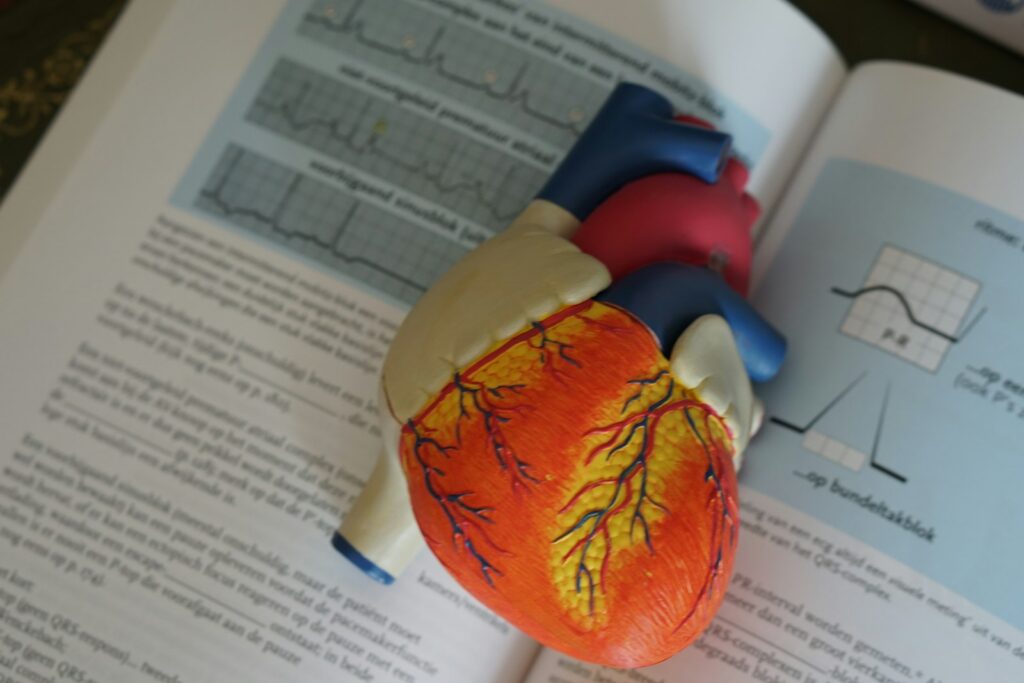
Sleep deprivation can lead to inflammation in the heart.
Researchers observed an influx of inflammatory cells in the heart among participants with sleep restrictions, indicating potential long-term cardiovascular risks.

3. Long-Term Health Implications
Chronic sleep loss can have lasting health effects.
While the immediate weight gain from sleep loss may seem minor, the long-term implications include higher risks of obesity-related conditions like heart disease and diabetes.

2. Real-Life Relevance
The study reflects common sleep patterns in adults.
By focusing on chronic, mild sleep loss, the research provides insights into the real-life challenges faced by many adults, rather than extreme sleep deprivation scenarios.

1. Importance of Adequate Sleep
Getting enough sleep is crucial for maintaining a healthy weight.
The findings underscore the importance of prioritizing sleep as part of a holistic approach to health, alongside diet and exercise, to prevent weight gain and reduce the risk of chronic diseases.
Read More:
- 10 Things to Know About Biphasic Sleep
- 10 Daytime Habits to Improve Your Sleep and Reduce Stress
- 10 Reasons Not to Feel Guilty for Sleeping In on the Weekends
Ask us! What questions do you have about content, strategy, pop culture, lifestyle, wellness, history or more? We may use your question in an upcoming article!
Like MediaFeed’s content? Be sure to follow us.
This article originally appeared on Resourcebuzz and was syndicated by MediaFeed.co.