
9 Ways Perfectionism Can Stifle Creativity in Children
Perfectionism often sneaks into the lives of young creatives, subtly altering their approach to art and innovation. While the pursuit of excellence may seem beneficial, it can, in fact, quash the very creativity it seeks to enhance. Children, in particular, are susceptible to the pressures of perfectionism, as they strive to meet the expectations of parents, teachers, and peers.
Understanding how perfectionism takes root and impacts creativity is crucial for fostering an environment where children can thrive creatively. Here are 9 ways perfectionism can stifle creativity in children and what can be done to counteract these effects.

9. Fear of Failure
Perfectionism often breeds a debilitating fear of failure in children.
When children are afraid to fail, they avoid taking risks necessary for creative exploration. This fear can lead to a reluctance to try new things, stifling their ability to innovate and learn from mistakes.

8. Pressure to Achieve
Children often feel immense pressure to meet high expectations set by themselves or others.
This pressure can lead to anxiety and a focus on outcomes rather than the creative process. When achievement is prioritized over exploration, creativity tends to suffer.

7. Mimicking Perfectionist Behaviors
Children often model behaviors they observe in influential adults around them.
When parents or teachers exhibit perfectionist tendencies, children may adopt these traits, believing they are necessary for success. This can hinder their willingness to experiment and take creative risks.

6. Conditional Approval
Receiving approval only when achieving high standards can impact a child’s self-worth.
When children learn that love and acceptance are contingent on success, they may focus more on meeting expectations than exploring their creative impulses.

5. Anxiety Over Mistakes
Perfectionism can cause children to view mistakes as catastrophic rather than learning opportunities.
This mindset can prevent them from experimenting and taking the necessary steps to develop new skills and ideas, ultimately limiting their creative growth.

4. Overemphasis on Outcomes
Focusing solely on results can detract from the creative process.
When children are taught to value outcomes over effort, they may miss the joy of creation and the learning that comes from trial and error.
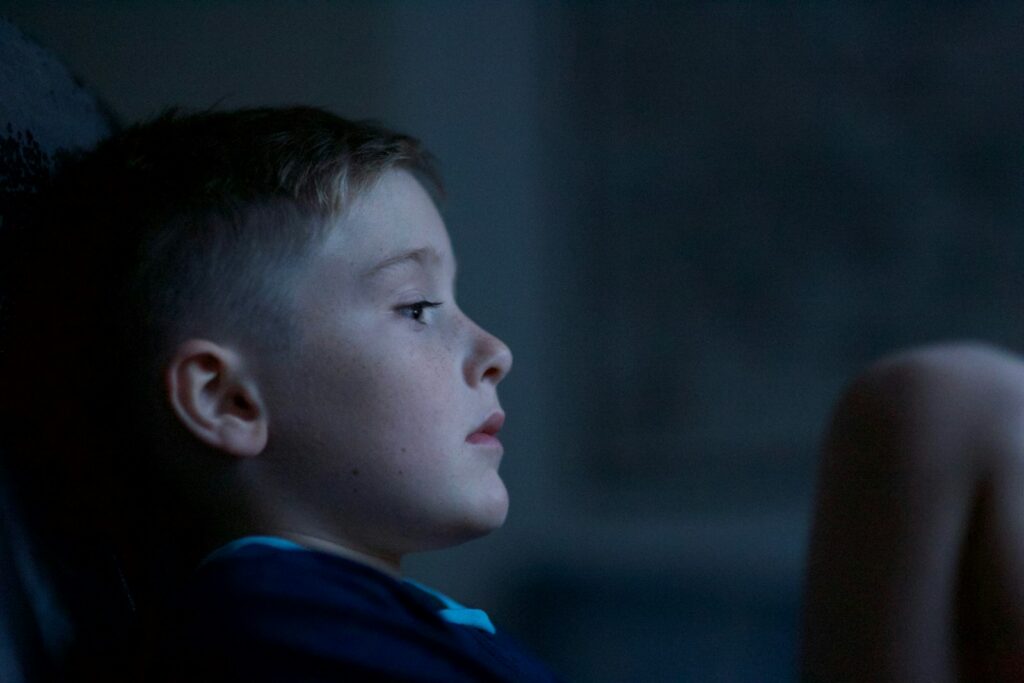
3. Fear of Criticism
Criticism can be particularly daunting for children striving for perfection.
The fear of negative feedback can inhibit their willingness to share their work, depriving them of valuable input that could enhance their creative development.
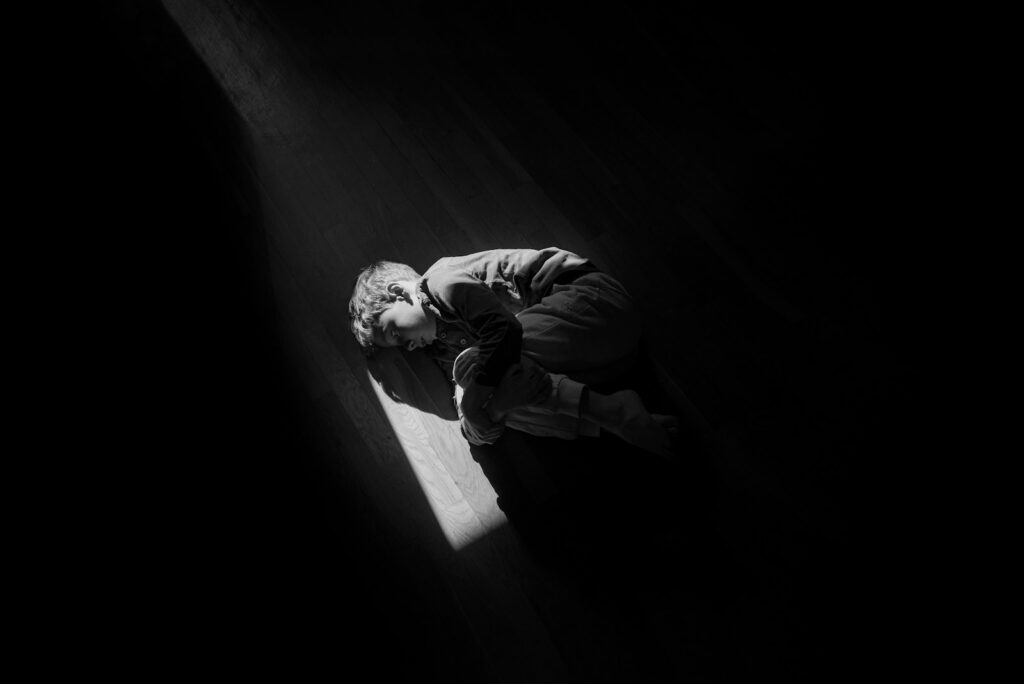
2. Lack of Self-Compassion
Perfectionism often leads to harsh self-criticism.
Without self-compassion, children may struggle to recover from setbacks, hindering their creative resilience and ability to bounce back from failures.

1. Inhibition of Imagination
Ultimately, perfectionism can stifle a child’s imagination.
When children are overly focused on meeting perfect standards, they may lose the freedom to let their imagination run wild, which is crucial for creative innovation.
Read More:
- 10 Reasons Parents Shouldn’t Pretend to be Perfect
- 10 Ways Writing Poetry Leads to Personal Growth
- The Most Misunderstood Trait of Every Zodiac Sign
Ask us! What questions do you have about content, strategy, pop culture, lifestyle, wellness, history or more? We may use your question in an upcoming article!
Like MediaFeed’s content? Be sure to follow us.
This article originally appeared on Resourcebuzz and was syndicated by MediaFeed.co.