
9 Ways to Support a Boy Who Isn’t Into Sports
In a world where athletic prowess can carry social status, raising a boy who doesn’t fit the sporty mold can be daunting. Boys who don’t enjoy sports may feel marginalized in environments that celebrate physicality and competitiveness. Yet, there are many ways to nurture their unique talents and boost their confidence.
Understanding and supporting your son’s interests beyond sports can help him thrive in a society that often places a high value on athletic ability. Here are nine ways to support a boy who isn’t into sports.

9. Recognize Signs of Discomfort
Some boys may exhibit signs of distress related to sports activities.
Look for patterns such as frequent complaints of illness on gym days or a tendency to avoid physical activities. Recognizing these signs can help you address any underlying issues.

8. Encourage Alternative Activities
Schools can offer a range of activities beyond traditional sports.
Consider advocating for programs like fencing or boomerang throwing, which cater to different skill sets and interests, providing a more inclusive environment for all students.

7. Promote Non-Physical Competitions
Not all competition needs to be athletic.
Encourage participation in activities like chess or music where your son can excel without the pressure of physical performance, allowing him to shine in areas that align with his interests.

6. Create a Supportive Home Environment
Your home should be a place where your son feels valued for who he is.
Discuss and celebrate achievements in areas like academics or the arts, ensuring he knows that his worth isn’t tied to sports performance.

5. Facilitate Open Communication
Keep the lines of communication open with your son.
Discuss his feelings about sports and ensure he feels comfortable expressing his preferences, helping him to navigate any pressures he may encounter.

4. Highlight Diverse Role Models
Introduce your son to role models who excel in non-sporting fields.
Discuss figures known for their intellect, creativity, or diplomacy to show that success comes in many forms and isn’t limited to athletic achievements.
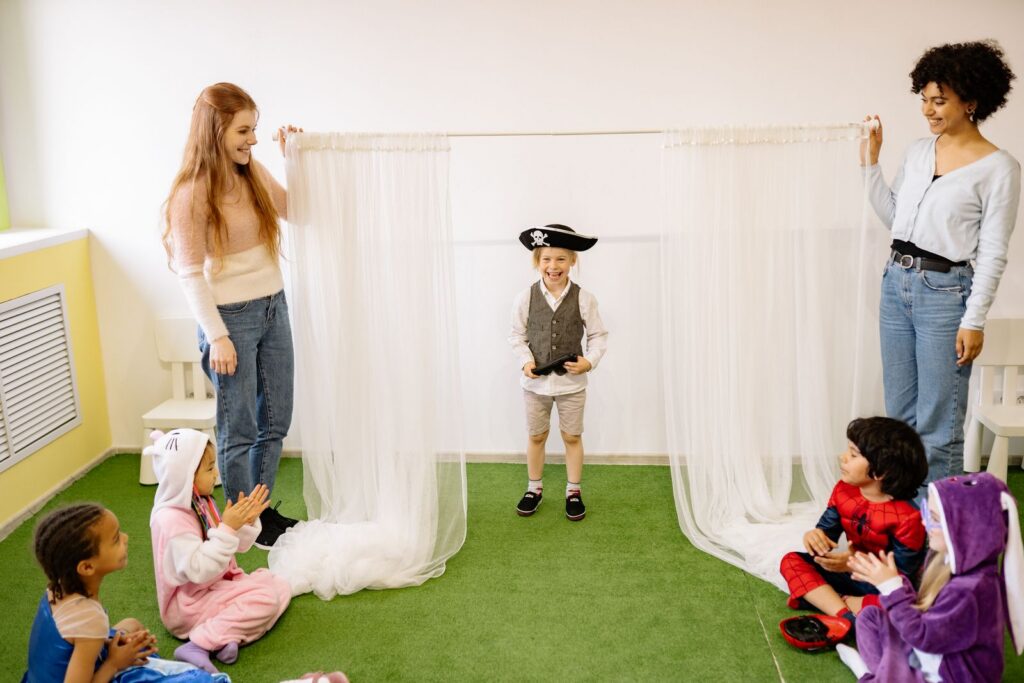
3. Advocate for Inclusive School Programs
Work with schools to create inclusive programs that cater to a variety of interests.
Encourage the integration of alternative activities that allow all students to participate and enjoy their school experience, regardless of athletic ability.

2. Encourage Exploration of Interests
Support your son in discovering activities he truly enjoys.
Whether it’s hiking, biking, or playing an instrument, encouraging him to pursue his passions will help him develop confidence and a sense of identity.

1. Foster Self-Esteem and Confidence
Help your son build a strong sense of self-worth.
Encourage him to value his intellect, creativity, and other non-physical talents, reinforcing that his contributions are valuable and appreciated.
Read More:
- 10 Things ’80s Kids Thought Adulthood Would Be Like
- 10 Tips for Raising Emotionally Healthy Kids in the Digital Age
- 13 Essential Tips for Navigating Your First Month of College
Ask us! What questions do you have about content, strategy, pop culture, lifestyle, wellness, history or more? We may use your question in an upcoming article!
Like MediaFeed’s content? Be sure to follow us.
This article originally appeared on Resourcebuzz and was syndicated by MediaFeed.co.