
10 Effective Ways to Cool Down a Room Without Using AC
Summer can be a challenging season, especially if you don’t have air conditioning to rely on. Fortunately, there are numerous ways to cool down your living space without the need for AC. By making small adjustments and using some clever tricks, you can maintain a comfortable environment indoors.
Whether you’re trying to save on energy costs or simply don’t have the option to install air conditioning, these methods can help you beat the heat. Here are 10 effective ways to cool down a room without using AC.
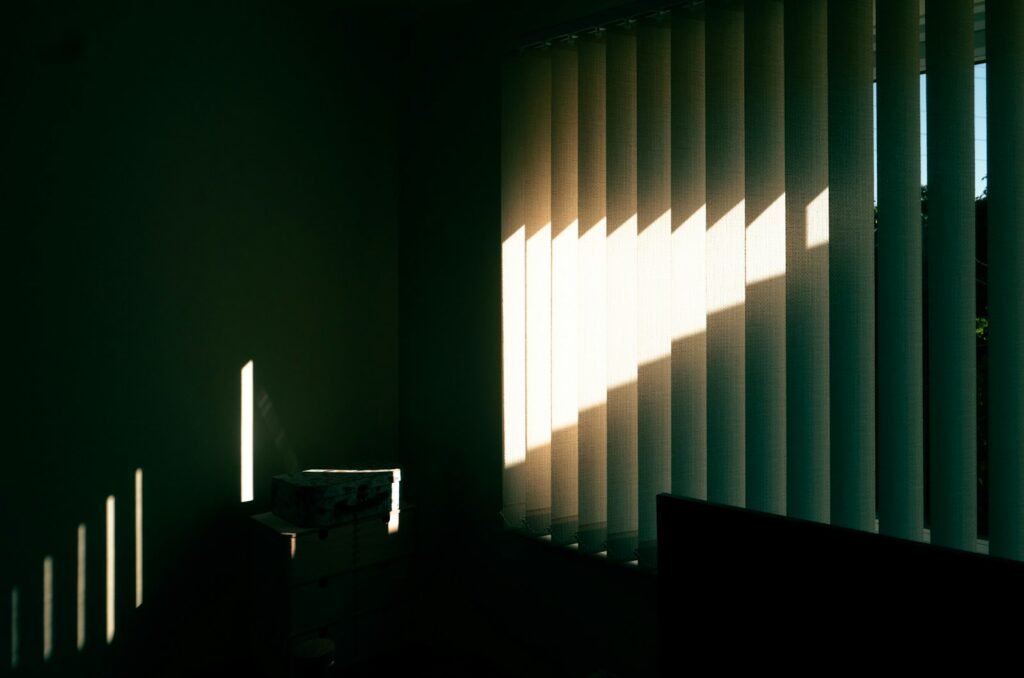
10. Keep Your Window Blinds Closed
Sunlight streaming through windows can quickly raise the temperature of any room. Keeping your blinds closed is a simple yet effective way to prevent this.
By closing blinds when you’re not at home, you can significantly reduce solar heat gain. This small change can make a big difference, especially during the hottest parts of the day.

9. Use Blackout Curtains
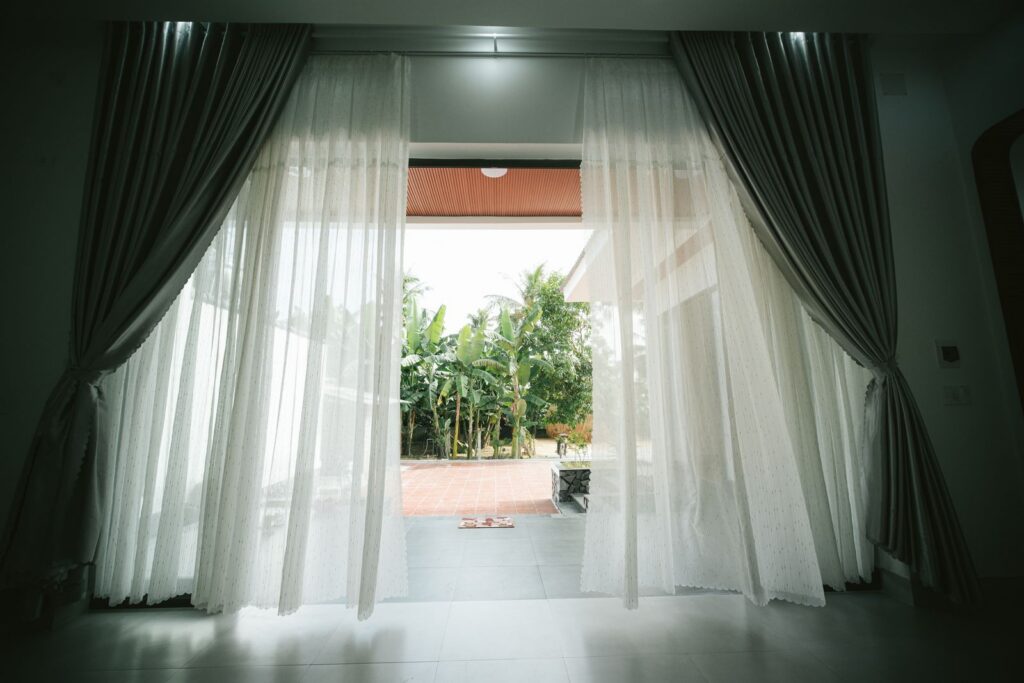
Blackout curtains, especially those with thermal backing, are not only great for blocking light but also for keeping heat out. Their multiple layers help maintain a cooler room temperature.
Opt for curtains with a thermal layer to enhance their effectiveness. This investment can help you stay cool throughout the summer months.
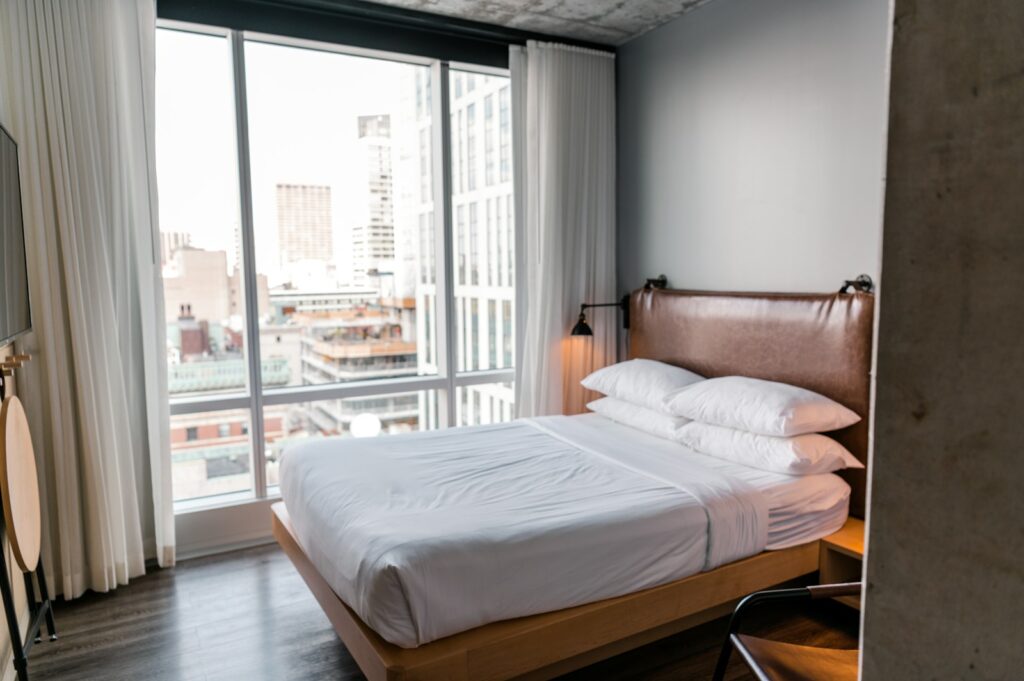
8. Switch to Cooling Bedding
As temperatures rise, it’s crucial to switch out heavy bedding for lighter, cooling alternatives. This can prevent uncomfortable, sweaty nights.
Choose breathable materials like cotton percale or linen, which have moisture-wicking properties. Avoid synthetic fabrics that can trap heat.

7. Minimize Heat Sources
Reducing the use of appliances that generate heat can help keep your space cooler. This includes avoiding the oven and opting for quick meals.
Consider using outdoor grills for cooking and air-drying your laundry outside to prevent additional heat indoors.

6. Apply Window Film
Window films are an excellent addition to blinds and curtains for reducing heat. They allow light in while blocking excessive warmth.
Choose from a range of films, from DIY options to those requiring professional installation, to suit your needs and budget.

5. Invest in a Dehumidifier
High humidity can make a room feel hotter than it is. A dehumidifier helps by removing excess moisture from the air.
This appliance is useful year-round, especially in damp or musty areas, and can greatly enhance your comfort during the summer.
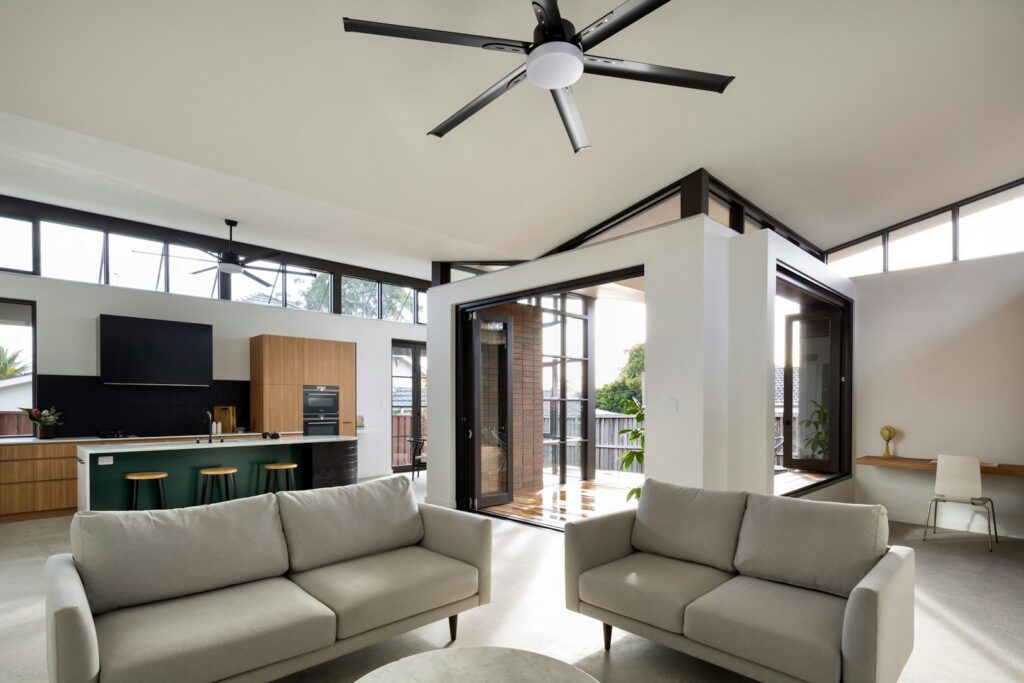
4. Utilize Fans Wisely
Fans are versatile tools for cooling a room. Ceiling fans, in particular, are effective when set to rotate counterclockwise.
Use box fans to expel hot air during the day and draw in cooler air at night, enhancing airflow and comfort.
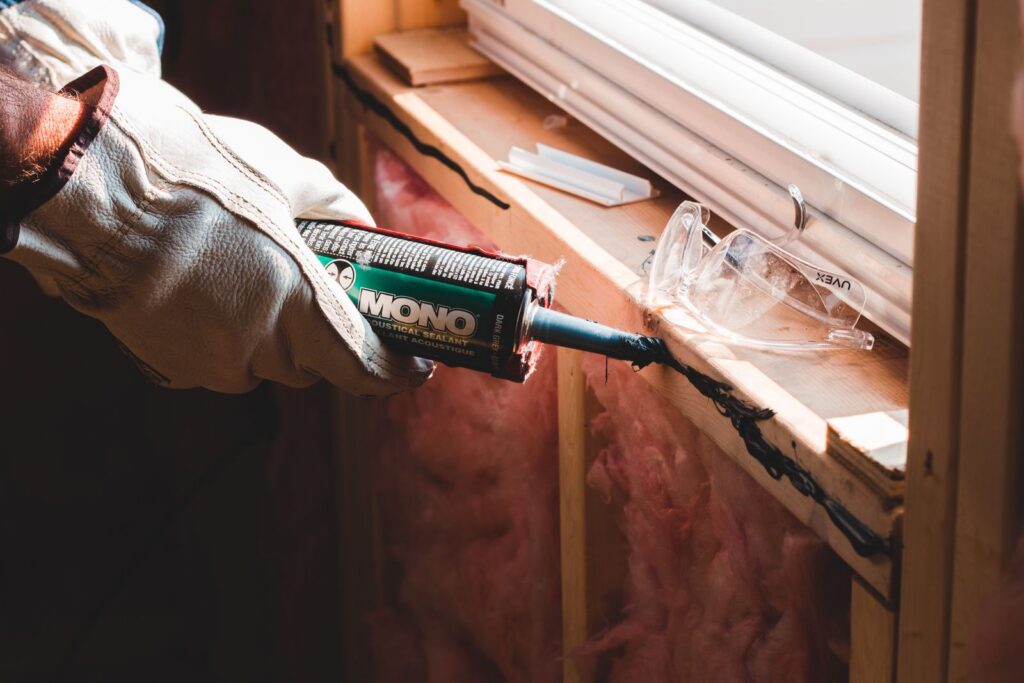
3. Seal Windows and Doors
Ensure that your windows and doors are properly sealed to prevent warm air from sneaking in. This is a crucial step in maintaining a cool room.
Replace any damaged seals and use weather stripping to close gaps, enhancing your home’s insulation.
2. Create a Cross Breeze at Night
Opening windows at night can create a refreshing cross breeze, particularly when temperatures drop.
Position fans to draw in cool air, making the most of the natural night-time temperature drop to cool your home.

1. Turn Off Unnecessary Lights
Lights, especially incandescent bulbs, generate heat. Turning off lights when not in use can help keep your room cooler.
Switching to LED bulbs can also reduce heat output and energy consumption, contributing to a cooler, more sustainable home.
Read More:
- 10 Ways to Slash Your Cooling Bills This Summer
- 10 Cooling Sheet Sets to Keep You Comfortable All Night
- How People Stayed Cool Before Air Conditioning
Ask us! What questions do you have about content, strategy, pop culture, lifestyle, wellness, history or more? We may use your question in an upcoming article!
Like MediaFeed’s content? Be sure to follow us.
This article originally appeared on Resourcebuzz and was syndicated by MediaFeed.co.