10 Things ’70s Kids Believed for Years Because Nobody Could Fact-Check Them
Growing up in the 1970s meant getting a surprising amount of information from other children. Parents and teachers knew plenty, but they weren’t always around when the truly important questions came up.
Without the internet to settle things, a confident older sibling or persuasive kid on the playground could become the neighborhood’s leading expert. Some claims were corrected quickly. Others survived for years. Here are 10 things ’70s kids believed because nobody could immediately prove otherwise.

10. Swallowed Gum Stayed in Your Stomach for Seven Years
Few childhood warnings had the staying power of the seven-year gum rule.
Nobody seemed to know exactly what happened after seven years, but the message was clear: swallowing gum had permanent consequences. One accidental gulp could leave a kid imagining a growing collection of chewing gum somewhere inside.

9. Cracking Your Knuckles Would Give You Arthritis
Every satisfying pop supposedly came with a price.
Adults repeated this warning so confidently that many kids assumed they were damaging their future hands one knuckle at a time. The threat rarely stopped anyone for long.
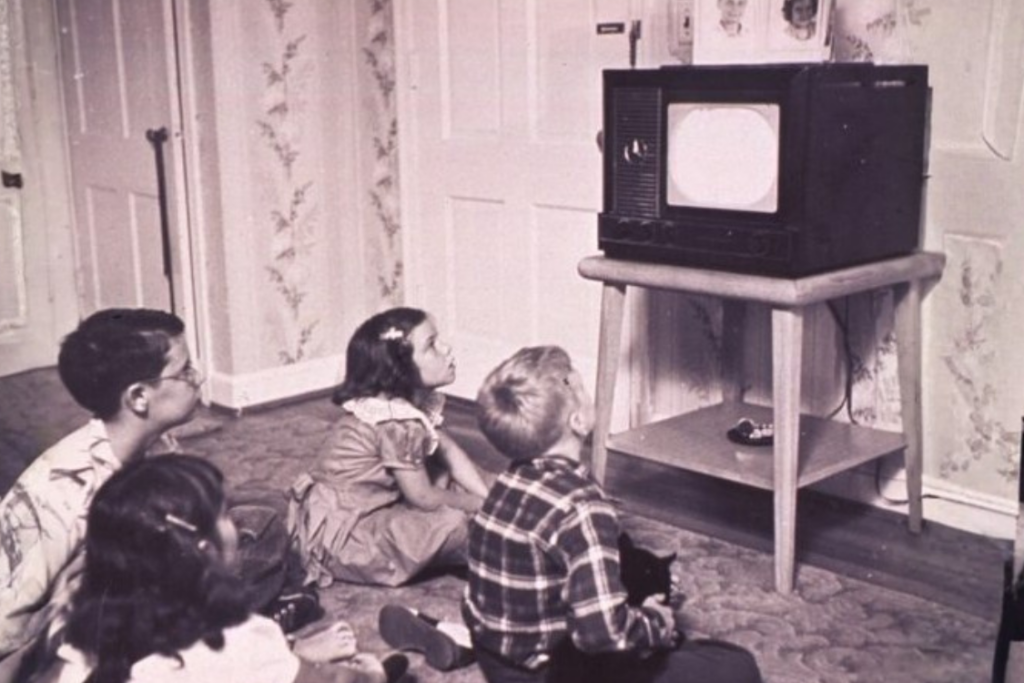
8. Sitting Too Close to the TV Would Ruin Your Eyes
Kids were constantly ordered to back away from the television.
The warning had some historical roots in concerns about early television sets, but by the 1970s, sitting close to a properly functioning TV wasn’t going to permanently destroy your eyesight. Still, generations of kids heard otherwise.

7. Swimming Right After Eating Could Kill You
After lunch, the pool suddenly became forbidden territory.
Kids were often told they had to wait 30 minutes or even an hour before swimming or risk severe cramps and maybe drowning. The countdown could feel endless on a hot summer day.

6. A Watermelon Seed Could Grow Inside You
Adults may have said this as a joke, but plenty of children took it seriously.
Swallowing one tiny black seed could inspire visions of vines growing through your stomach. The fact that nobody could explain exactly how this would work did little to reduce the fear.

5. Touching a Baby Bird Would Make Its Mother Abandon It
Kids learned that human scent was enough to destroy a bird family forever.
The warning probably kept plenty of children from unnecessarily handling wildlife, but most birds don’t have such a strong reaction to human scent. The myth was far more dramatic than the reality.

4. You Could Dig a Hole All the Way to China
Every ambitious backyard excavation seemed to have the same destination.
Nobody worried about geography, the Earth’s core, or the fact that China wasn’t actually on the opposite side of most American backyards. The important thing was to keep digging.

3. Mikey From the Cereal Commercial Died From Pop Rocks and Soda
This rumor spread so widely that countless kids believed it was true.
The child actor from the famous Life cereal commercials had supposedly died after eating Pop Rocks and drinking soda. He had not, but without an easy way to check, the story became one of childhood’s most durable urban legends.

2. Your Permanent Record Followed You Forever
School discipline came with the mysterious threat of the permanent record.
Kids imagined a file that would follow them through high school, college, job interviews, and possibly the rest of their lives. Exactly who had access to it was never clear, which only made it more powerful.
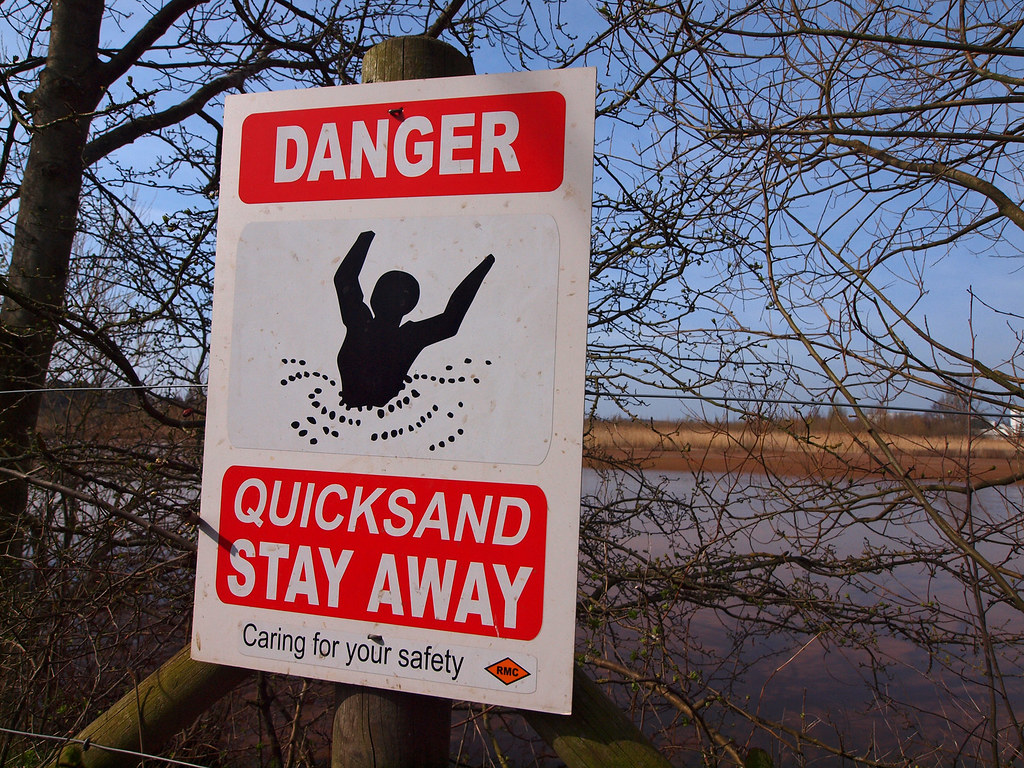
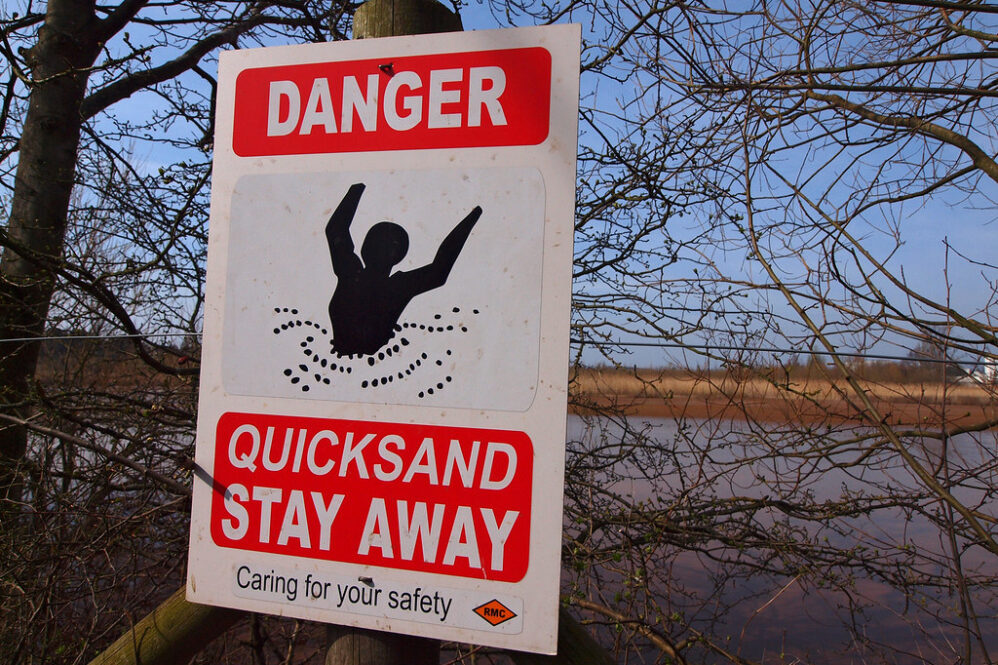
1. Quick Sand Was a Major Threat to Adult Life
Movies and television made quicksand seem like an unavoidable future problem.
Many ’70s kids reasonably concluded that adulthood would involve knowing how to escape it. The fact that most people would never encounter quicksand did not match the amount of childhood preparation devoted to surviving it.
Read More:
- 15 Cartoons From the 80s Gen X Still Has Memorized
- Remember These? 15 Gen X Trends That Didn’t Survive the Future
- 20 Things Gen X Kids Had That Are Worth a Fortune Now
Ask us! What questions do you have about content, strategy, pop culture, lifestyle, wellness, history or more? We may use your question in an upcoming article!
Like MediaFeed’s content? Be sure to follow us.
This article originally appeared on Resourcebuzz and was syndicated by MediaFeed.co.