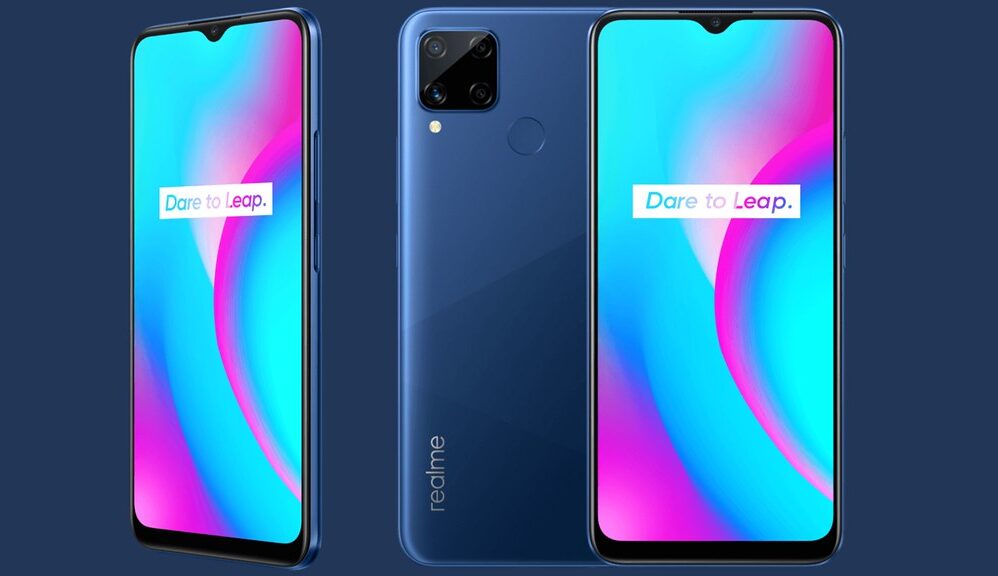
9 Unique Phone Brands That Might Struggle in the AI Era
The smartphone industry has always been a landscape of innovation and competition. Smaller, niche brands have played a crucial role in making the market diverse and vibrant. These brands, with their unique approaches and ideals, have catered to specific audiences, offering alternatives to the mainstream giants. However, the emergence of AI technology in smartphones is reshaping the industry, potentially leaving these quirky brands struggling to keep up.
As AI becomes more integral to smartphone functionality, the demands on these smaller companies increase. They face challenges such as higher production costs and the need for advanced AI capabilities, which could threaten their survival.
Here are 9 phone brands that could face new pressure in the AI-driven future.
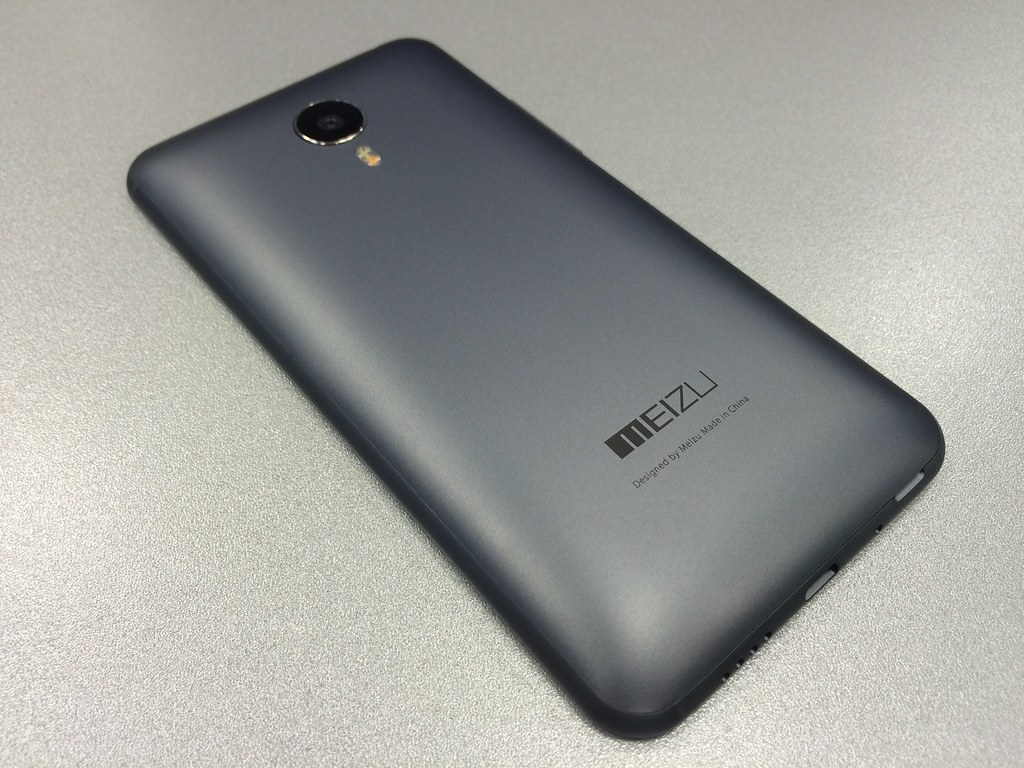
9. Meizu
Meizu has been known for its innovative designs and user-friendly interfaces.
However, the company announced a shift towards AI-enabled devices, indicating the pressure to adapt or risk obsolescence in the new tech era.
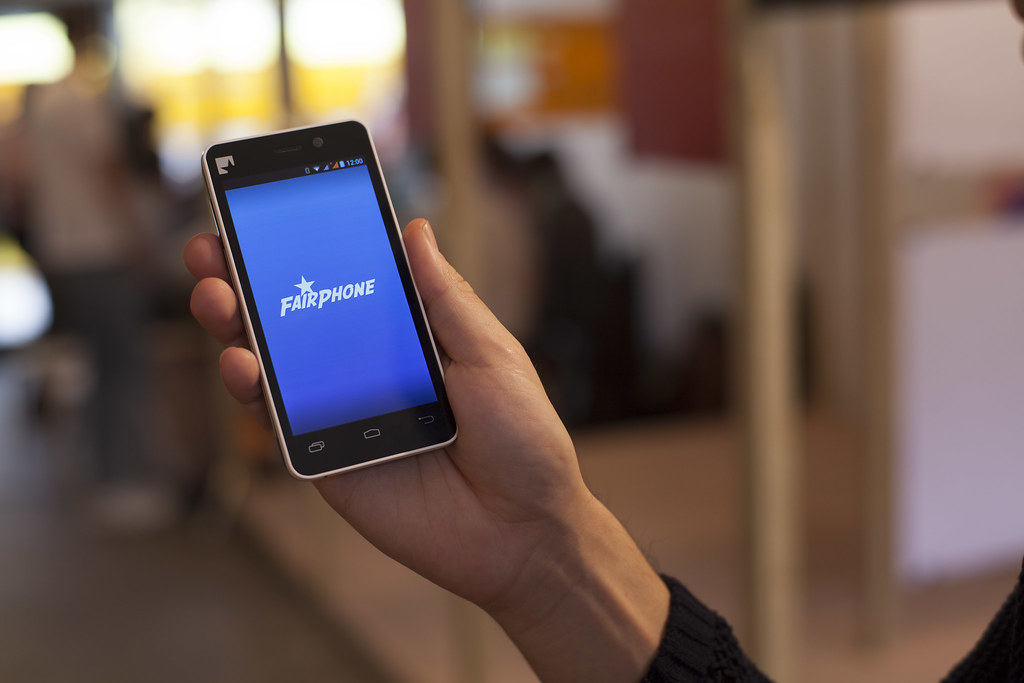
8. Fairphone
Fairphone stood out with its commitment to sustainability and repairability.
As AI demands more sophisticated hardware and software, Fairphone faces the challenge of balancing its eco-friendly ethos with technological advancements.
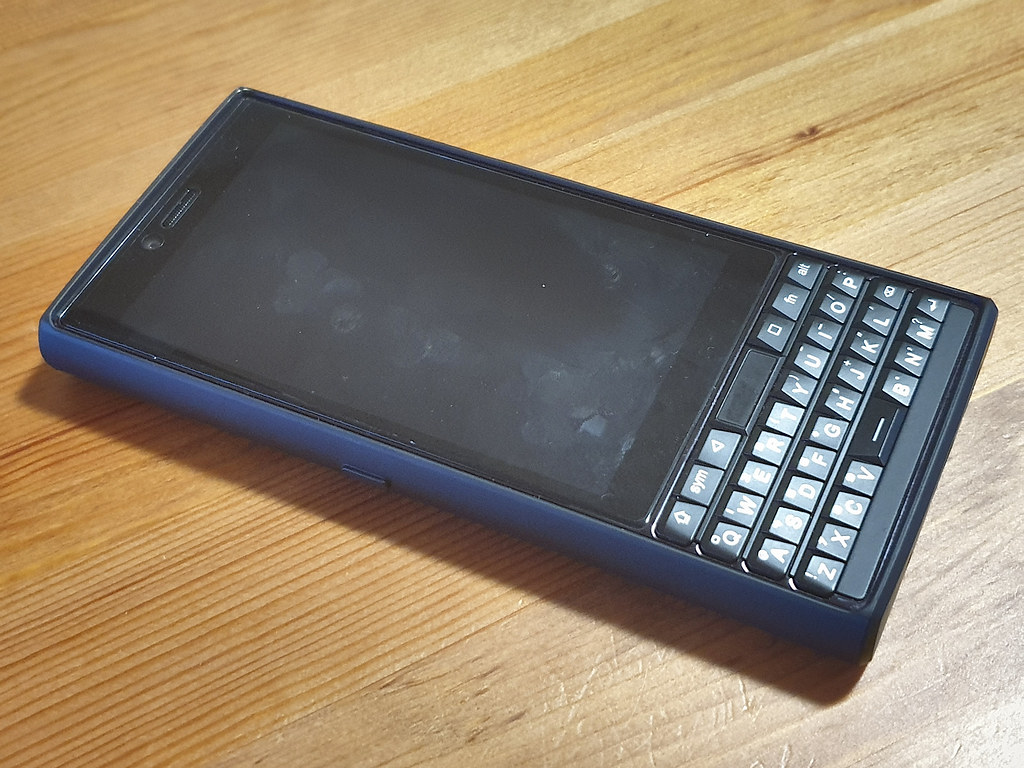
7. Unihertz
Known for its compact and quirky designs, Unihertz has captured a niche market.
The push towards AI integration could pose a significant hurdle, as these small devices may struggle to accommodate advanced AI components.
6. Shiftphone
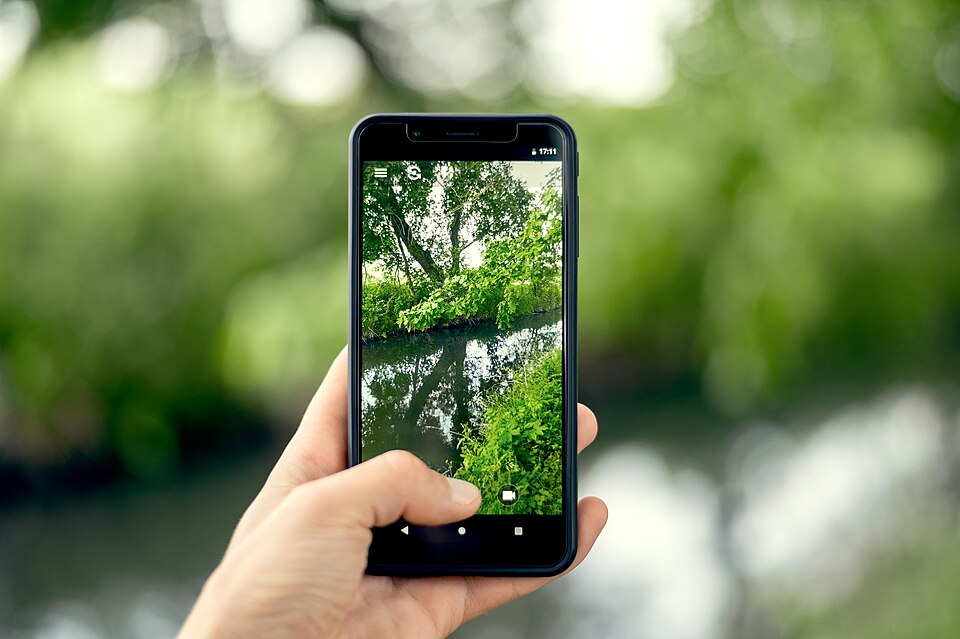
Shiftphone has been a pioneer in modular phone design, allowing users to customize their devices.
With AI demanding more integrated systems, the modular concept may face challenges in delivering seamless AI experiences.
5. Murena
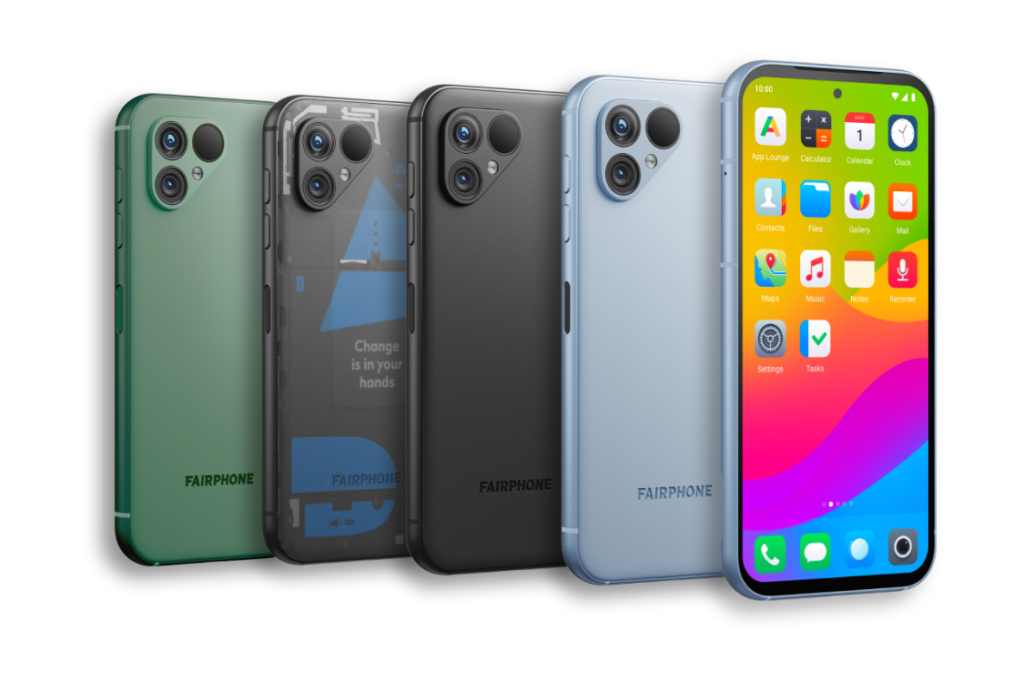
Murena has gained attention for its privacy-focused, de-Googled smartphones.
As AI technology becomes more pervasive, maintaining privacy without compromising on AI functionality will be a significant challenge for Murena.
4. Teracube
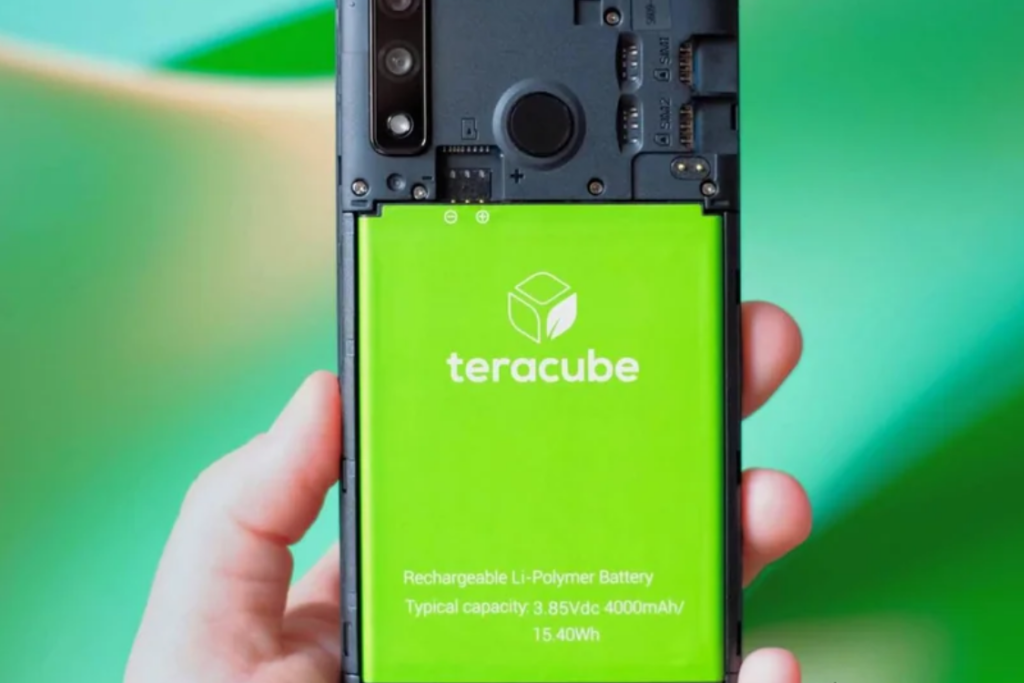
Teracube has focused on reducing electronic waste by offering long-lasting phones with extended warranties.
The AI shift may require more frequent updates and advanced hardware, which may conflict with Teracube’s sustainability goals.
3. Oppo
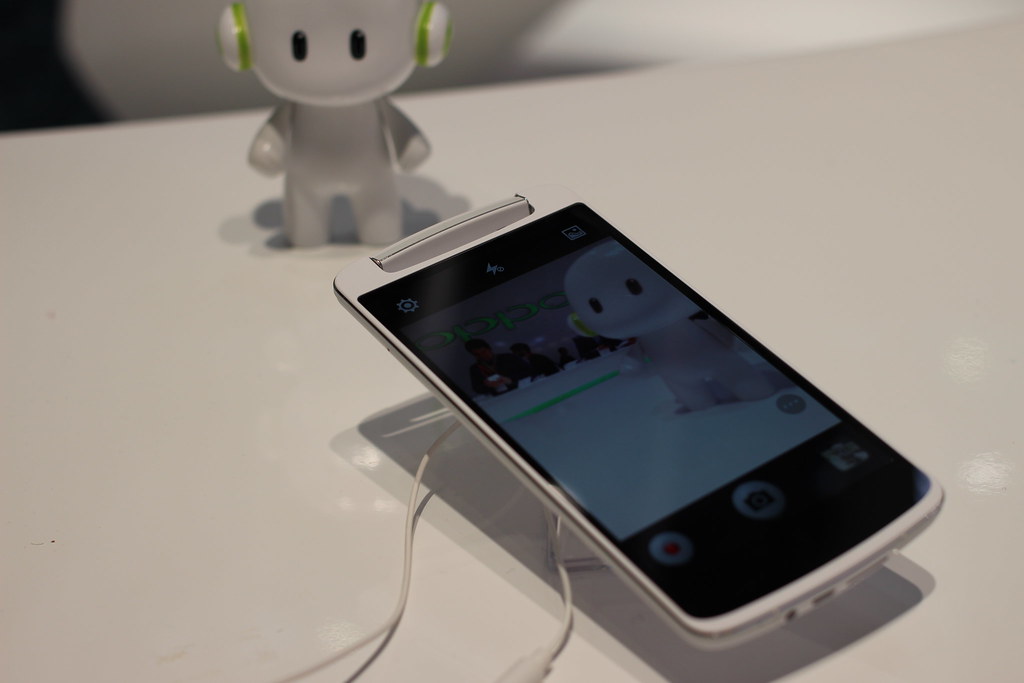
Oppo has been a major player in the smartphone market, known for its innovative features.
As AI capabilities become the benchmark for high-end phones, Oppo will need to continue scaling its AI features to maintain its competitive edge.
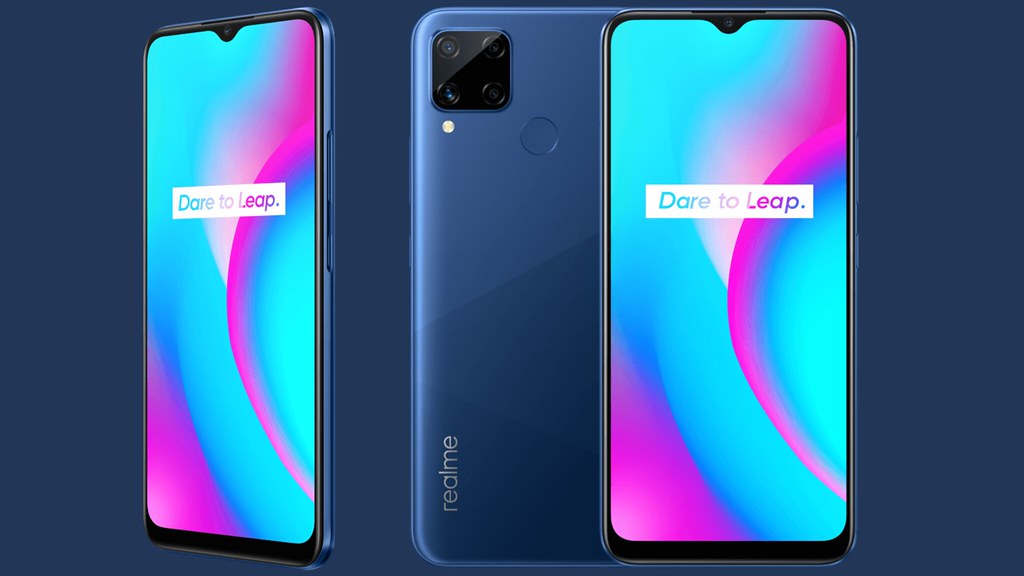
2. Realme
Realme has carved out a niche with its affordable yet feature-rich smartphones.
The transition to AI might challenge Realme’s ability to offer cutting-edge technology at competitive prices.
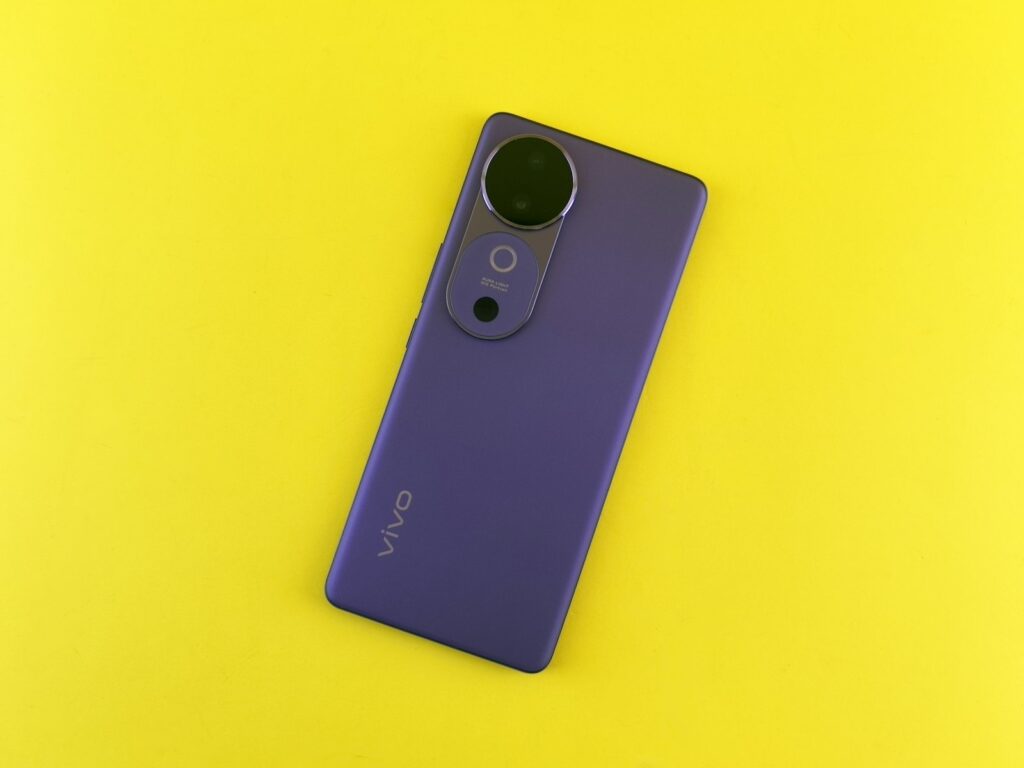
1. Vivo
Vivo has been at the forefront of smartphone innovation, particularly in camera technology.
As AI becomes a key differentiator, Vivo will need to integrate AI seamlessly into its devices to stay relevant in the competitive market.
Read More:
- 10 Reasons People Get Anxious About Phone Calls
- 12 Things to Know About Commodore’s New Old School Phone
- 10 Easy Tricks to Make Your Phone Battery Last Longer
Ask us! What questions do you have about content, strategy, pop culture, lifestyle, wellness, history or more? We may use your question in an upcoming article!
Like MediaFeed’s content? Be sure to follow us.
This article originally appeared on Resourcebuzz and was syndicated by MediaFeed.co.