Are these rock song covers better than the originals?
There is an easy version of this question and a genuinely hard one. The easy version: are there covers you prefer? Of course. The hard version: are there covers that objectively found something in the song that the original missed, something so essential that the original now sounds like a first draft? That version has a much shorter list. The artists on it share one uncomfortable quality; they heard someone else’s song and understood it better than the person who wrote it.
If you have a question you’d like us to tackle, use the Ask MediaFeed option at the bottom of every article.

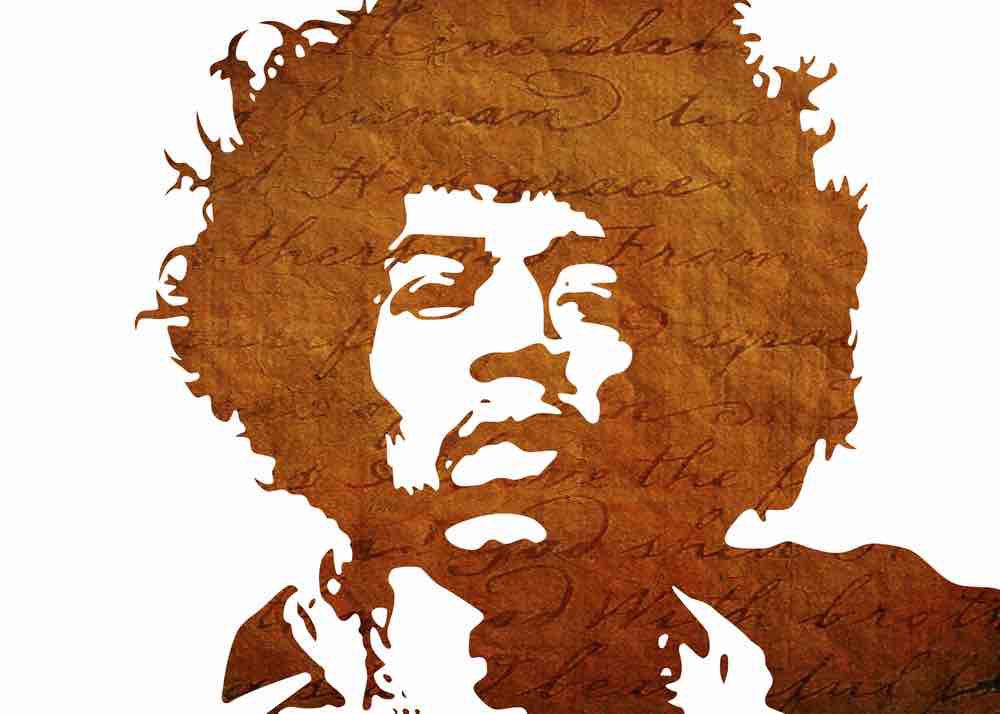
“All Along the Watchtower” — Jimi Hendrix covering Bob Dylan (1968)
Dylan put the original on John Wesley Harding in December 1967 and moved on. Quiet, acoustic, finished in his mind. Hendrix heard it six months later and heard something completely different; an electric hurricane living inside the acoustic sketch, waiting for someone to let it out. Rolling Stone’s readers voted the result the greatest cover song ever recorded, with nothing close in second place. The coda that ends the conversation is Dylan’s own, delivered to a journalist in 1995: Hendrix probably improved upon it with the spaces he used, and Dylan said he’d been taking liberties with Hendrix’s version ever since. The man who wrote the song started performing it the way the cover artist played it. That is the only verdict that counts.

“Hurt” — Johnny Cash covering Nine Inch Nails (2002)
Reznor wrote it in 1994 about addiction and the specific wreckage a person can make of their own life. Rick Rubin sent it to Cash in 2002 and Reznor was furious; this was the most private thing he had ever put on tape. Then the CD arrived. Then he heard it. Then he saw the video: Cash, 71 years old, visibly diminished, surrounded by artifacts of a life running out of time. Songfacts documents the BBC 6 Music poll that voted it the greatest cover ever recorded, with twice as many votes as every other entry combined. What Cash found in it was something Reznor at 29 couldn’t have put there: the knowledge of what the end actually looks like, sung by someone close enough to see it clearly.

“With a Little Help From My Friends” — Joe Cocker covering The Beatles (1969)
The Beatles’ version is pleasant. Ringo-led, cheerful, a pop song doing exactly what it is supposed to do. Cocker took it to Woodstock and took a sledgehammer to it. Jimmy Page on guitar. The future lineup of Led Zeppelin in the backing band. Nothing from the original remained except the words, which Cocker turned into a blues sermon by a man who appeared to be possessed. Rolling Stone documented that when The Wonder Years needed one song to represent the entire 1960s, the producers chose Cocker’s version. Not the Beatles’. McCartney’s response: mind-blowing, totally turned the song into a soul anthem. That sentence contains everything.
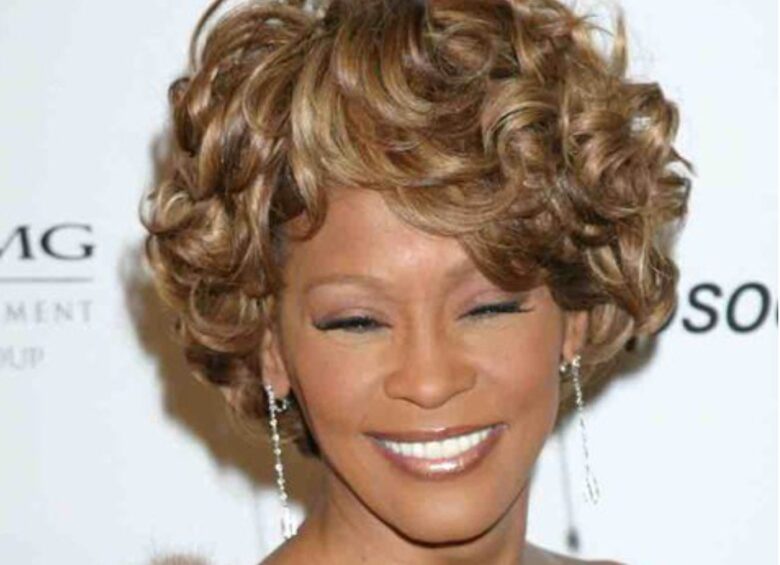
“I Will Always Love You” — Whitney Houston covering Dolly Parton (1992)
Parton wrote it, performed it, took it to number one in 1974. Complete on its own terms. Then Houston recorded it for The Bodyguard and produced something that no longer functions as a song but as an event. Rolling Stone documents the cultural impact. Parton’s summary: every time it plays, she hears a cash register. That is not resentment. That is a songwriter admitting that someone else found the room her song had always contained and never quite reached.

The bottom line
Every song on this list was finished before it was covered. The writers thought they were done. What the covers proved is that a song is not finished when the writer stops working on it. It’s finished when the right person sings it.
Ask us! What questions do you have about content, strategy, pop culture, lifestyle, wellness, history or more? We may use your question in an upcoming article!
Related:
- 12 iconic rock songs that wouldn’t fly today
- The most controversial songs of the ’60s: Do you agree?
Like MediaFeed’s content? Be sure to follow us.
This article was syndicated by MediaFeed.co.