
10 Things to Know About the Fight, Flight, or Freeze Responses
Stressful situations trigger a cascade of physiological reactions in our bodies, often described as the fight, flight, or freeze responses. These responses are deeply rooted in our biology and are essential for survival, preparing us to confront or escape threats or, in some cases, remain still and unnoticed.
Understanding these responses can help us manage stress better and recognize how our bodies react under pressure. Here are 10 things you need to know about these fascinating survival mechanisms.

10. The Role of the Amygdala
The amygdala is a small, almond-shaped cluster of nuclei located within the temporal lobes of the brain. It plays a crucial role in processing emotions.
When we perceive a threat, the amygdala activates the HPA axis, releasing stress hormones like cortisol and adrenaline. This sets off the fight, flight, or freeze responses.

9. Hormonal Surge
Stress triggers the release of hormones such as adrenaline and norepinephrine. These hormones prepare the body to either confront or flee from danger.
The effects of these hormones can be felt for up to an hour, influencing various physiological responses like increased heart rate and heightened senses.

8. Fight Response Activation
The fight response is linked to the somatic nervous system, which controls voluntary muscle movements.
This response prepares the body to defend itself, often resulting in physical tension, clenched muscles, and dilated pupils as it braces for confrontation.

7. Flight Response Mechanism
The flight response is controlled by the sympathetic branch of the autonomic nervous system, which readies the body to escape danger.
It causes increased heart rate and blood pressure, rapid breathing, and a rush of adrenaline, all aimed at facilitating a quick getaway.

6. Freeze Response Explained
The freeze response is managed by the parasympathetic branch of the autonomic nervous system, which can cause the body to become immobile.
This response may lead to symptoms such as a slowed heart rate, nausea, and dizziness, as the body attempts to minimize detection by a threat.

5. Physical Manifestations of Fight
During a fight response, physical symptoms include clenched fists, a tight jaw, and muscle tension in various parts of the body.
These manifestations can lead to headaches and chronic conditions if the stress response is prolonged or frequently activated.

4. The Flight Response’s Bodily Effects
In the flight response, the body experiences a surge in heart rate and blood pressure, along with shallow or rapid breathing.
This state is often accompanied by a slowdown of the digestive system, causing symptoms like a dry mouth and cold sweats.
3. Freeze Response Symptoms
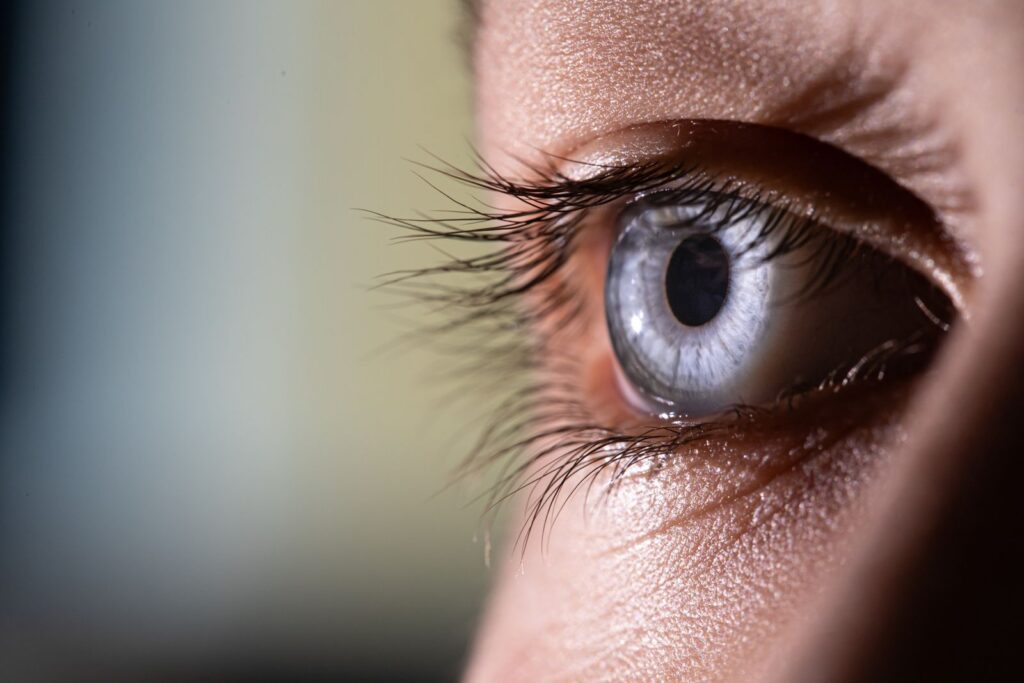
When the body enters a freeze state, individuals may experience constricted pupils and a sensation of being immobilized.
This response can also lead to gastrointestinal disturbances and cognitive issues like dizziness and blurred vision.

2. Neurological Impact of Freezing
The freeze response can affect neurological functions, leading to symptoms such as memory loss and foggy thinking.
In extreme cases, individuals might experience hallucinations as the brain struggles to process overwhelming fear.

1. Managing Stress Responses
Recognizing and understanding these responses can be the first step in managing stress effectively.
Techniques like mindfulness, deep breathing, and therapy can help individuals cope with these instinctual reactions and reduce anxiety over time.
Read More:
- 10 Things to Know About Coffee and Performance
- 10 Everyday Habits That Increase Oxidative Stress and Inflammation
- 10 Reasons People Get Anxious About Phone Calls
Ask us! What questions do you have about content, strategy, pop culture, lifestyle, wellness, history or more? We may use your question in an upcoming article!
Like MediaFeed’s content? Be sure to follow us.
This article originally appeared on Resourcebuzz and was syndicated by MediaFeed.co.