
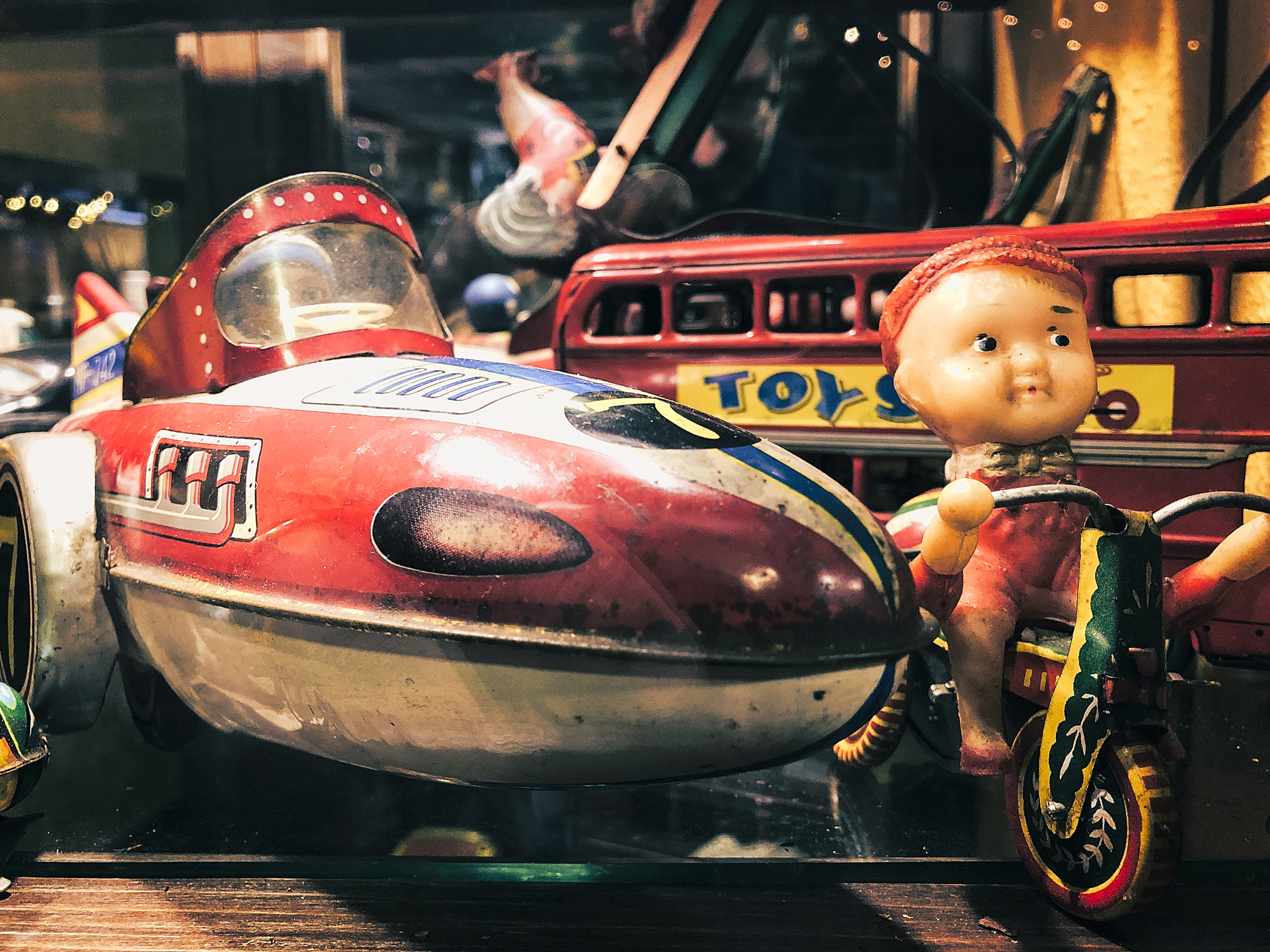
How many of these classic ’80s toys do you know?
You probably can’t name the president who made the Transformers possible but you know every character by name. That’s how the 1980s toy industry worked. It didn’t sell products. It colonized the imagination of an entire generation of children whose parents spent money they didn’t necessarily have because the urgency felt medical. Some of these toys are still in production. All of them are somewhere in the memory of anyone who grew up during that decade, whether they want them there or not.

Transformers
Gobots got there first. Tonka shipped them in 1983, a year before Hasbro launched Transformers, and Mental Floss confirms Gobots outsold Transformers in 1984 by $20 million. Then Ronald Reagan’s deregulation of children’s television made toy-based cartoons legal, the cartoon aired, and nobody has thought about Gobots since. A specific executive decision by a president who probably never watched a single episode determined which toy won. That is how culture actually works.
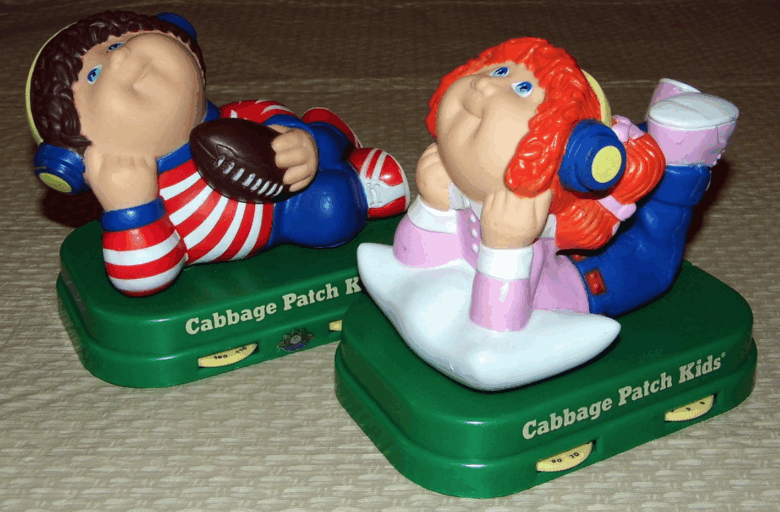
Cabbage Patch Kids
Not sold. Adopted. That was the official position and not a marketing gimmick; it was an entire alternative reality that creator Xavier Roberts maintained with complete seriousness. Adoption fees. Birth certificates. A name you didn’t choose. Mental Floss notes the Christmas 1983 shopping frenzy produced scenes in toy stores that witnesses call riots. Roberts purchased the concept from folk artist Martha Nelson Thomas and built an empire. The children got the dolls. The riots were the adults.
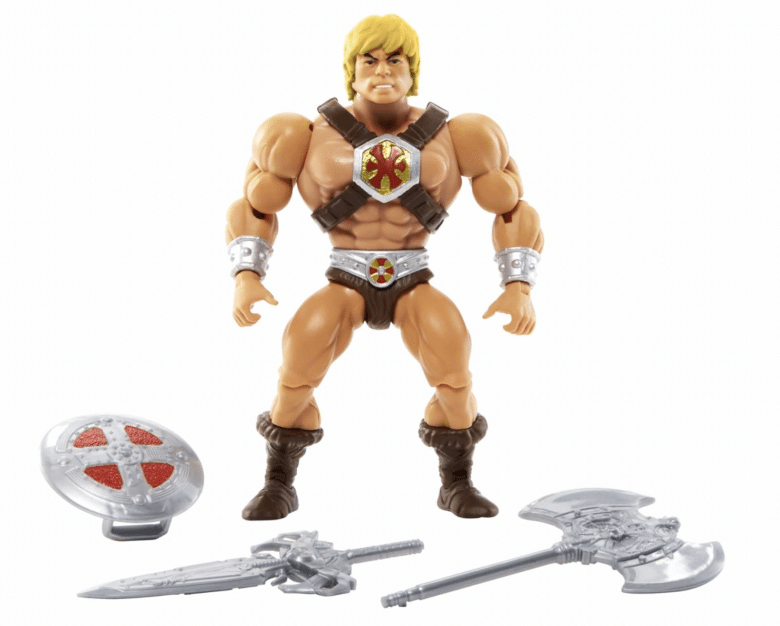
He-Man and the Masters of the Universe
Mattel made the toy. Made the cartoon to sell the toy. The cartoon was one of the most popular animated shows of the decade. By the power of Grayskull. A live-action film arrives in June 2026 and will either restore the franchise or remind everyone why some things should stay in the decade that made them.
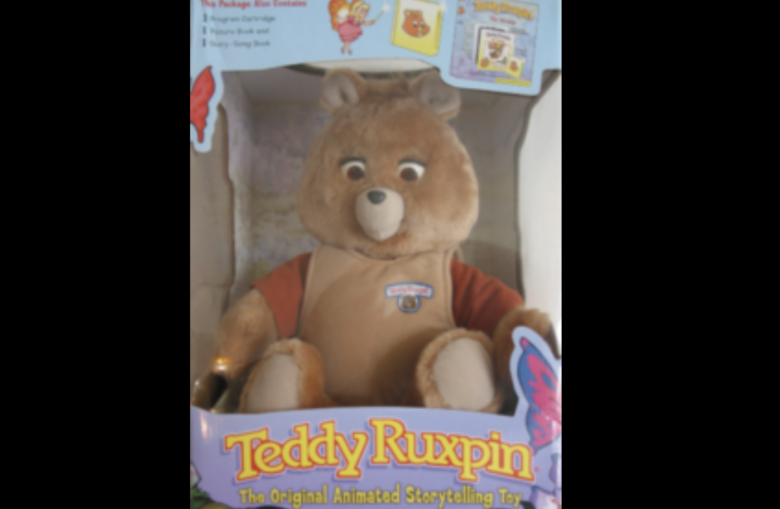
Teddy Ruxpin
A cassette player inside a bear whose eyes and mouth moved while the cassette told stories. Mental Floss documents more than 1.4 million sold by 1987, parents ramming them into Toys R Us aisles, and a fictional repair facility called Grundo Hospital, where defective bears were sent. All of this is real and none of it was considered unusual at the time.
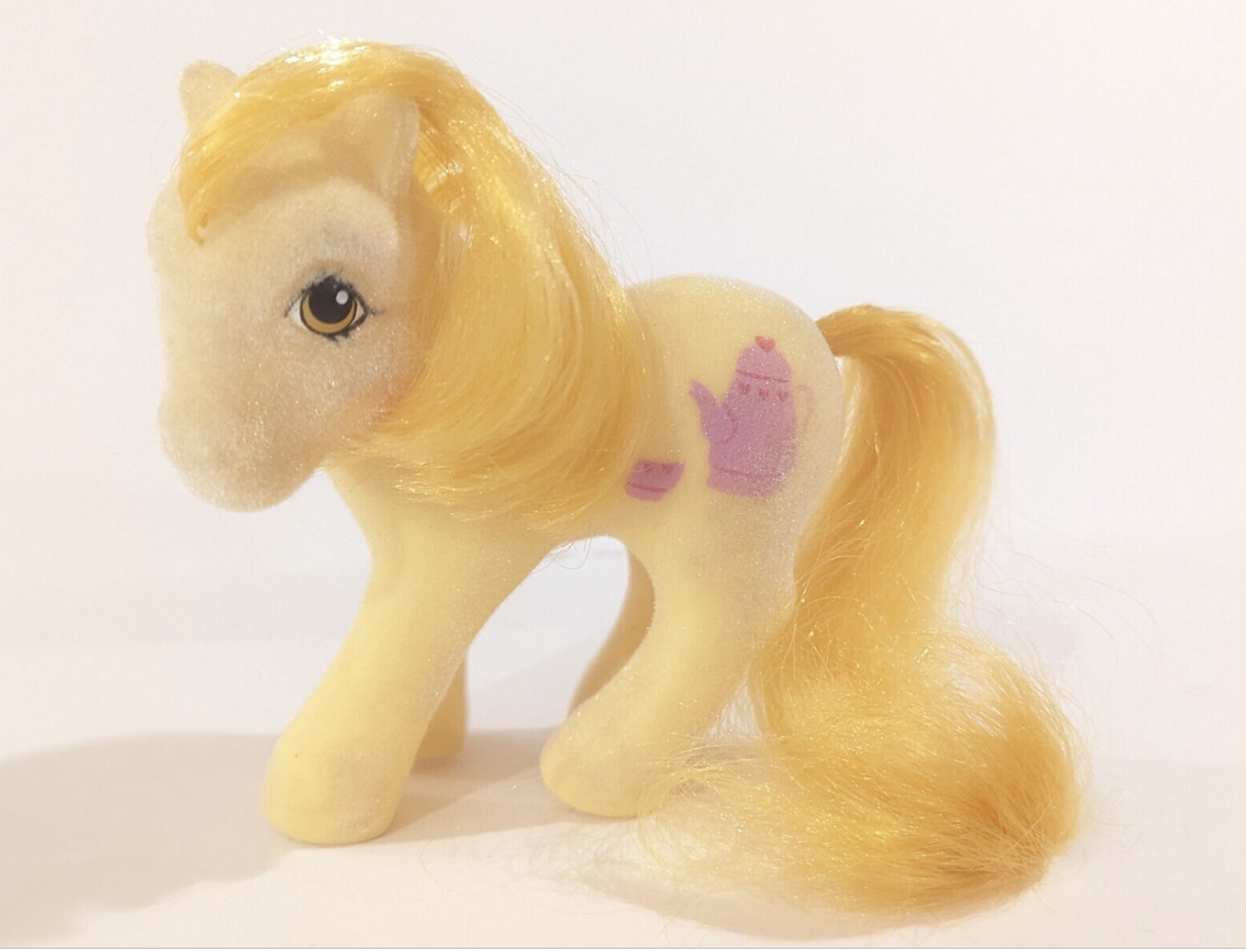
My Little Pony
The 1986 cartoon featured a villain named Tirek, a red-faced centaur who closely resembled a figure from religious iconography, whose goal was to force the ponies to pull his Chariot of Midnight. Mental Floss notes the line was designed for young girls at a time when action figures were marketed almost exclusively to boys. It outsold most of them. The 2010s reboot produced an adult fan base nobody in the original 1982 design meeting had planned for.
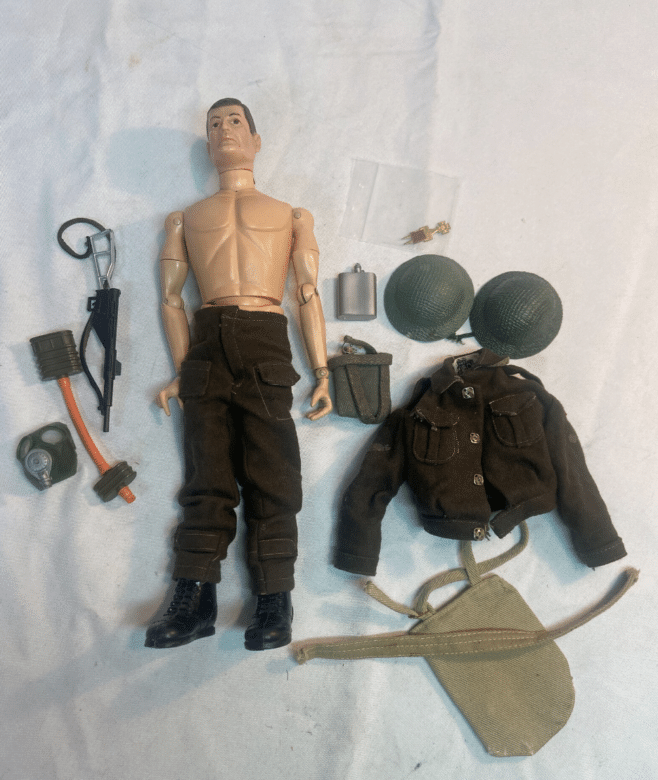
G.I. Joe
Ninety-five episodes. Launched 1982. The battle cry “Yo Joe” was written as “Ho Joe” until the voice director changed one letter. The franchise’s signature phrase was the result of a last-minute phonetic adjustment. That is the most American footnote in the history of American toys.
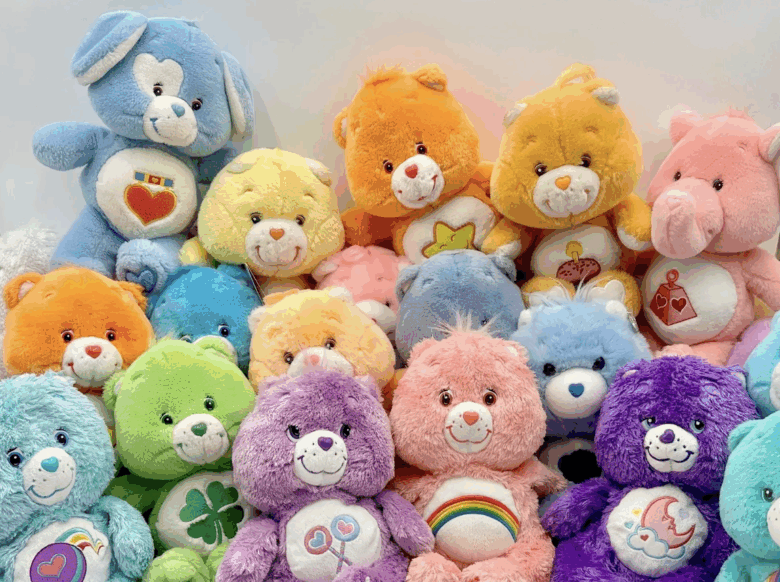
Care Bears
They lived in Care-a-Lot. The solution to most problems was the Care Bear Stare, in which multiple bears aimed their belly symbols at the problem until it stopped. The moral framework was explicit and unashamed. The target demographic is now in their forties and still remembers which bear they were.

The bottom line
The 1980s toy industry understood something the era’s adults hadn’t articulated yet: children don’t want to play with toys. They want to inhabit worlds. The decade built several of them and charged admission by the action figure.
Ask us! What questions do you have about content, strategy, pop culture, lifestyle, wellness, history or more? We may use your question in an upcoming article!
Related:
Like MediaFeed’s content? Be sure to follow us.
This article was syndicated by MediaFeed.co.



