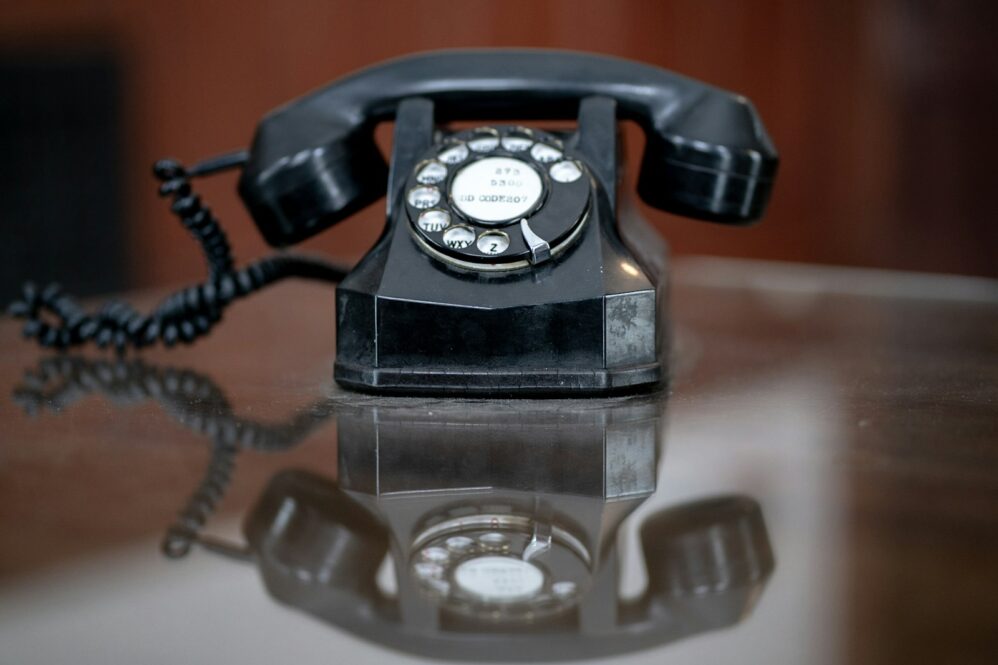
8 everyday objects from the ’80s that would confuse a Gen Z teen today
There is a specific kind of generational gap that isn’t about values, politics, or musical taste. It is about objects. Things so fundamental to daily life in 1985 that nobody thought to explain them, because explaining them would have been like explaining a door.
Show a Gen Z teenager a rotary phone and watch what happens. Actually don’t. It’s too painful.
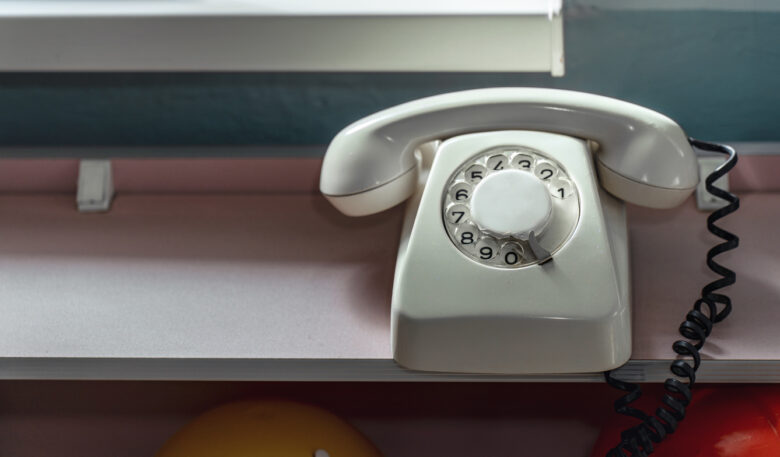
The rotary phone
You put your finger in the hole. You rotated the dial. You waited for it to return. You did this for every single digit. If you misdialed, you started over. Calling your friend required the same level of commitment as sending a letter. Nobody found this unusual.

The cassette tape
Invented in 1963 by Dutch engineer Lou Ottens at Philips, who wanted to shrink reel-to-reel tapes into something people could carry around, per Smithsonian’s tape history. When it got tangled (and it got tangled), you put a pencil in the spool and manually rewound it. This was a skill taught from parent to child with the seriousness of a family trade.
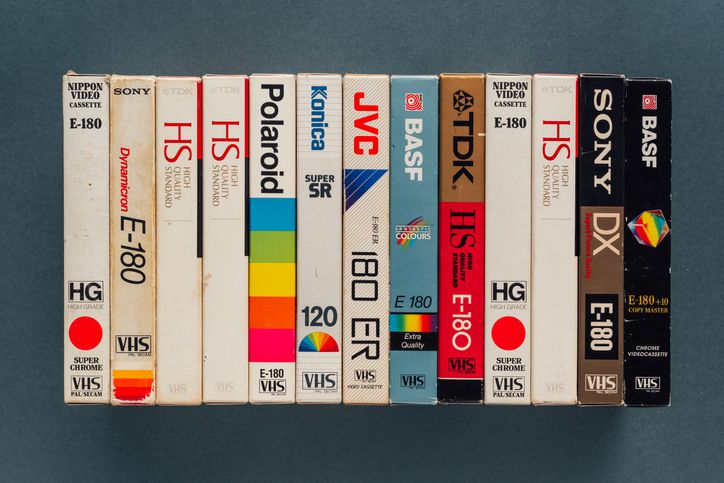
The VHS tape
At the peak of the format, cassettes cost up to $100 each because studios wanted to recoup money before rental stores could rent the same tape hundreds of times. You didn’t own movies. You rented them. Be kind, rewind was not a philosophy. It was a sign on the Blockbuster counter.

The card catalog
Before libraries put their collections online, the card catalog was how you found a book. Thousands of small drawers, each containing alphabetized index cards organized by subject, author and title. Libraries employed people whose entire job was understanding how the system worked.
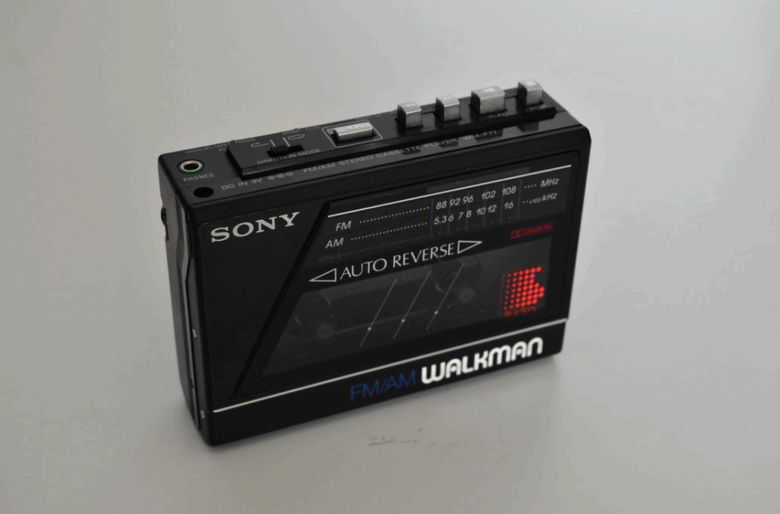
The Walkman
Sony released it in 1979 and it changed what music meant as a social experience. For the first time, a person could walk down a street with music playing only for them. The concept seems obvious now. At the time, per Mental Floss’s coverage of gadgets, it was genuinely radical.

The phone book
A directory of every phone number in your city, delivered annually whether you wanted it or not. You looked people up by last name, alphabetically. Businesses were in the yellow section. If it was last year’s edition, some numbers were wrong and you had no way to know which ones.
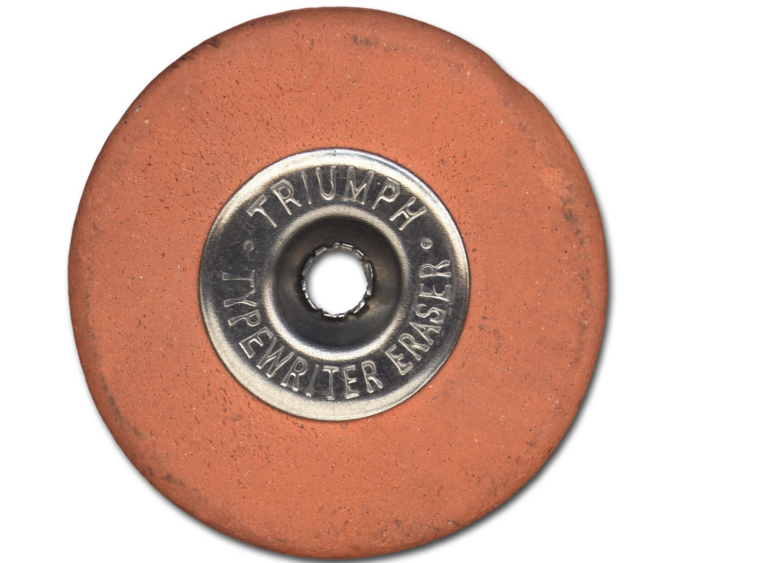
The typewriter eraser
A small circular device with a brush attached, used to scrub ink off a page without tearing it. Too hard and you went through the paper. Too soft and the error remained. The whole procedure took about 90 seconds per mistake, which is why professional typists developed an almost supernatural level of accuracy.
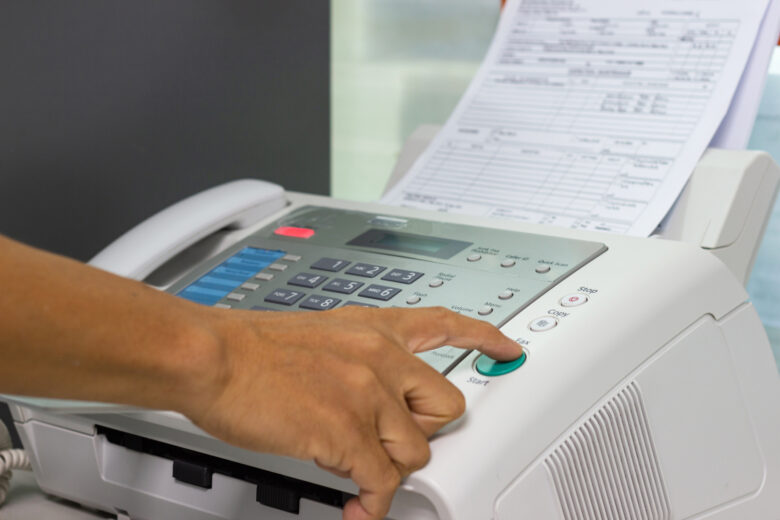
The fax machine
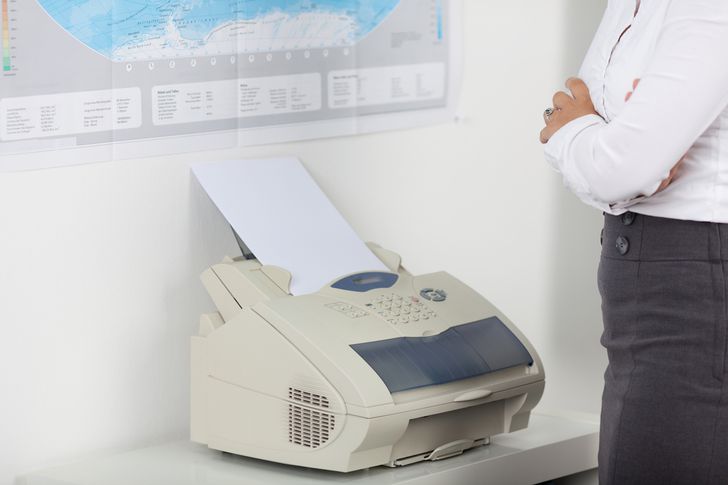
You sent documents over a phone line. The machine on the other end printed them. This was considered fast. The sound a fax machine made while connecting was something every household in America knew, and most Gen Z teenagers have genuinely never heard; that gap in shared acoustic experience is its own kind of cultural distance.
The bottom line
The objects on this list were not primitive. They were the cutting edge of their moment. What makes them confusing now is not that the technology was inferior — it’s that the entire set of assumptions that made them make sense has been replaced. That is what a generation gap actually is.
Ask us! What questions do you have about content, strategy, pop culture, lifestyle, wellness, history or more? We may use your question in an upcoming article!
Related:
Like MediaFeed’s content? Be sure to follow us.
This article was syndicated by MediaFeed.co.